
Side Dishes
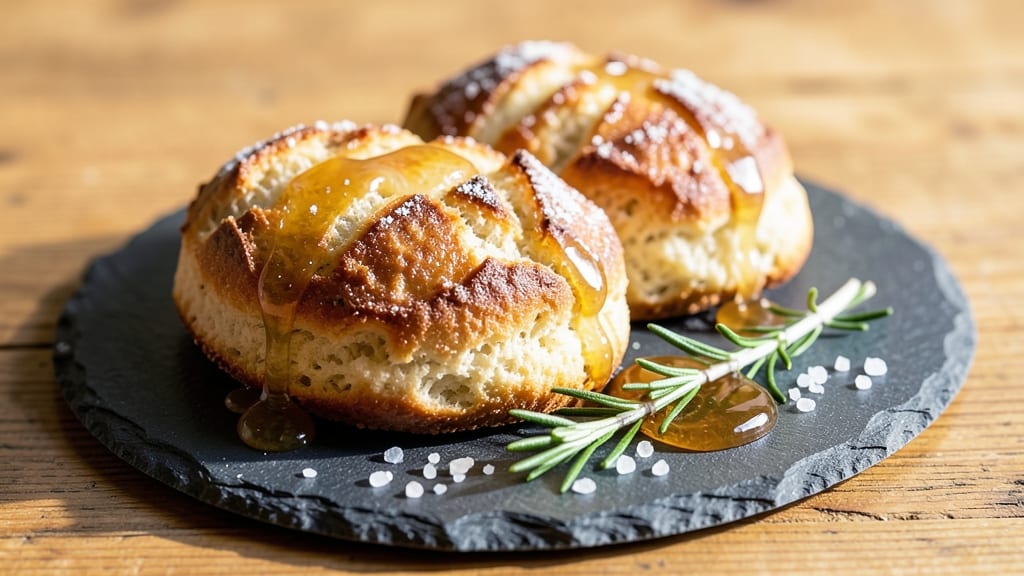
This 1-egg biscuit recipe delivers restaurant-quality flakiness with just one egg—no fancy techniques required. 🔥 The secret lies in cutting cold butter into flour until it resembles coarse crumbs, creating those signature layers that make every bite irresistible.
I developed this version after testing countless recipes, and it never fails to impress, whether served warm with honey or as a side for breakfast meats.
What sets these biscuits apart is their simplicity: only five ingredients come together in minutes, yet the results are undeniably impressive. The dough comes together quickly with a fork, and shaping requires minimal effort—no rolling pins or complicated folds.
Baking at 425°F for 12-15 minutes yields golden, crispy biscuits with tender centers, proving that perfection doesn’t require complexity.
The beauty of this recipe is its versatility—serve them alongside gravy for a hearty breakfast, slathered with jam for a sweet treat, or even as a base for mini sandwiches.
The flaky layers and buttery richness make them a crowd-pleaser, and the one-egg adaptation means you can make a batch without wasting ingredients. Plus, with just a few simple swaps, you can adapt it for dietary preferences.
Whether you're feeding a family or treating yourself to a cozy snack, these biscuits are the ultimate comfort food. The process is straightforward, but the results are anything but basic—each bite delivers that satisfying crunch and melt-in-your-mouth tenderness. Let’s get baking!
Ingredients for 1 egg biscuit
Five simple ingredients transform into golden, flaky biscuits with crispy layers—no fancy tricks needed.
| Ingredient | Amount | Notes |
|---|---|---|
| All-Purpose Flour 🌾 | 3 cups | Sifted for light texture |
| Cold Unsalted Butter 🧈 | ½ cup | Cut into small cubes |
| Large Egg 🥚 | 1 whole | Room temperature preferred |
| Whole Milk 🥛 | ½ cup | Cold for best results |
| Diamond Crystal Kosher Salt 🧂 | 1 ½ tsp | Adjust to taste |
| Baking Powder 🍞 | 1 tbsp | Freshly opened |
The butter is non-negotiable here—cold cubes create those signature flaky layers. Grab Land O'Lakes unsalted from the dairy case (it's cheaper than specialty brands and melts beautifully). If you're in a pinch, European-style butter like Plugra works too, but regular unsalted is fine. The flour? King Arthur or Gold Medal are my go-tos—they're consistent, but any all-purpose will do. Sift it first (or at least shake the bag) to avoid dense biscuits. Pro tip: take the butter straight from the fridge—room temp butter = soggy biscuits.
No milk? Heavy cream or buttermilk work in a pinch, but whole milk is ideal for that tender crumb. Fresh baking powder is a must—if your container's been open for months, test it first (mix with water and see if it bubbles). Short on butter? Vegetable shortening at half the amount gives similar flakiness, though it won't taste quite as rich. The egg can be separated if you're watching fat, but the yolk adds richness. And yes, you can use egg whites only if needed, but the texture will be slightly denser.
Shape these quickly—the dough warms up fast. Store leftovers in an airtight container for 3 days at room temp, or freeze for 3 months. To reheat, wrap in foil and warm in a 350°F oven for 5-7 minutes. For make-ahead prep, shape the biscuits and freeze them on a tray before transferring to a bag. Bake straight from frozen—just add 2-3 extra minutes. These reheat better than most biscuits, so plan ahead!
Why You'll Love This Recipe
- No-Fuss Mixing: I swear by this recipe because it’s all about dumping ingredients—not measuring like a scientist. Cold butter gets cut into flour with a fork, then the egg and milk come in to play. Ten minutes tops, no mixer required.
- Buttery Magic: That single egg and milk combo makes them tender, while the cold butter creates layers so crispy they’ll make you pause mid-bite. Honestly, the first time I made these, I ate one straight from the pan—no shame.
- Weeknight Hero: Slap these on a sheet pan, bake while you prep dinner, or freeze half for lazy mornings. They’re the ultimate side for breakfast, brunch, or even a quick sandwich. My kids grab them straight from the fridge—no reheating needed.
- Pantry Staple: Five ingredients, all of which you already own. No specialty flours or weird ratios—just flour, butter, salt, and a couple of basics. Between us, this is the recipe I turn to when I’ve got nothing but time and hunger.
Step-by-step instructions for perfectly flaky 1-Egg biscuits
Here's how to get that signature flaky, buttery texture with just one egg.
👨🍳 Step 1: Cut the Cold Butter into the Flour
Place the 3 cups All-Purpose Flour in a large bowl and whisk in the 1 tbsp Baking Powder and 1.5 tsp Diamond Crystal Kosher Salt until evenly distributed. Add the 0.5 cup Cold Unsalted Butter cut into small cubes—this keeps the butter cold and prevents it from melting into the flour.
Using a pastry cutter or your fingers, work the butter into the flour until you have a mixture with pea-sized butter pieces scattered throughout. You want to avoid overworking the dough—just until the butter is evenly distributed. The goal is to create those pockets of butter that will melt and create steam during baking, giving you flaky layers.
I press down gently on the butter pieces as I work them in—this prevents them from breaking up too much. If the mixture starts to look like wet sand, add 1-2 tablespoons more flour to bring it back together. The dough should hold when pressed but still feel slightly crumbly.
🍳 Step 2: Mix in Wet Ingredients for a Light Dough
Make a well in the center of the dough and add the 1 whole Large Egg and 0.5 cup Whole Milk. Using a fork, gently mix the wet ingredients into the flour until just combined. You're looking for a dough that comes together when pressed but still has a slightly shaggy appearance—this indicates you haven't overmixed.
Here's the thing—don't be tempted to add more flour or milk at this stage. The dough should be soft but not sticky. If it feels too dry, you can add 1 teaspoon more milk, but resist the urge to overwork it. The texture should resemble coarse crumbs that clump together when pressed.
Once combined, turn the dough out onto a lightly floured surface and gently pat it into a 1-inch thick rectangle. This shape makes it easier to roll and cut. If the dough feels too sticky, wet your hands slightly with cold water to prevent sticking.
🔪 Step 3: Roll and Cut for Uniform Biscuits
Using a rolling pin, roll the dough to an even ½-inch thickness. I press down firmly but evenly—this ensures all the biscuits cook at the same rate. If you notice the dough starting to warm up and stick, place it in the refrigerator for 5-10 minutes to firm up again.
Cut the dough into 2-inch circles using a round cutter or glass. For extra-flaky biscuits, gently press down on each circle with the cutter after cutting—this helps create those beautiful layers. Place the cut biscuits on a parchment-lined baking sheet, spacing them about ½ inch apart to allow for expansion.
Don't stack the biscuits or they'll lose their shape. If you have extra dough, re-roll and cut immediately—don't let it sit too long or it'll warm up and become difficult to handle.
🔥 Step 4: Bake Until Golden Brown
Preheat your oven to 450°F with a rack positioned in the middle. Once preheated, bake the biscuits for 12-15 minutes until they're deep golden brown on top. You'll see the edges starting to crisp up—that's your signal they're nearly done.
I like to open the oven door just a crack after 10 minutes to let any steam escape. This helps create that crispy top layer. The biscuits are done when they sound hollow when tapped on the bottom and have reached an internal temperature of 190°F.
Remove the biscuits from the oven and let them cool on a wire rack for 2-3 minutes before serving. The inside will still be soft and warm, but the exterior will be perfectly crisp. Serve immediately with your favorite gravy or jam for the ultimate comfort food experience.
Pro Tips For Making 1 Egg Biscuit
- Cut Butter in Small Batches: Cutting butter into flour takes patience—don’t dump it all in at once. Work in 2-tablespoon chunks, pulsing between additions until you see pea-sized crumbles. I learned this the hard way after ending up with a greasy mess that wouldn’t hold shape.
- Chill the Dough Longer: Skip the rush and refrigerate the dough for at least 30 minutes—yes, even if you’re eager to bake. The extra time firms up the butter, preventing it from melting into a sad, dense biscuit. (Your future self will thank you.)
- Use Cold Milk: Pour the milk straight from the fridge—room temperature milk makes the dough sticky and gummy. Cold milk also helps keep the butter from softening too soon during mixing. Sounds counterintuitive, but it works every time.
- Press Dough Gently: Don’t overwork the dough when shaping—just press it lightly into the pan. Overhandling releases gluten, turning flaky biscuits into tough, chewy disks. A light touch keeps them tender and crisp on the bottom. (And yes, even if you’re impatient like me.)
Creative variations of 1 egg biscuit
Sweet Twist: Honey Butter
Swap the regular butter for a honey butter blend by mixing ¼ cup softened butter with 2 tablespoons honey and a pinch of sea salt. Brush this on warm biscuits for a sweet, sticky treat that pairs perfectly with fresh berries or banana slices.
I like to use local wildflower honey for extra depth of flavor. 🍯
Cheesy Cheddar Biscuits
Add ½ cup shredded sharp cheddar cheese to the dry ingredients before cutting in the butter. The cheese melts into gooey pockets that make these biscuits irresistible with breakfast meats or chili.
For extra richness, use a mix of white cheddar and pepper jack. These freeze beautifully—just add 1 extra minute to baking time when reheating.
Herb Garden Biscuits
Incorporate 1 tablespoon fresh rosemary or thyme (finely chopped) into the flour mixture for an aromatic twist. These savory biscuits shine alongside roasted vegetables or grilled chicken.
I also add ½ teaspoon garlic powder for extra depth. The herbs keep well in the dough, so you can prep ahead and bake fresh whenever needed.
Mini Biscuit Bites
Cut the dough into 1-inch circles instead of 2-inch for bite-sized appetizers. Bake at 425°F for 8-10 minutes until golden. These are perfect for parties—serve with spicy honey drizzle or melted brie. The smaller size means faster baking and even crispier edges. Double the batch for crowd-pleasing portions.
Vegan Adaptation
Replace the egg with 1 tablespoon ground flaxseed mixed with 3 tablespoons water (let sit for 5 minutes to thicken). Use vegan butter (like Earth Balance) and swap milk for unsweetened almond milk.
The texture stays tender, though slightly denser. Add ½ teaspoon apple cider vinegar to help with rise. These work great with vegan gravy or avocado mash.
Breakfast Sandwich Base
Cut the biscuits into rectangles instead of circles for sandwiches. Toast them lightly before assembling with scrambled eggs, sausage, and cheese. For extra flakiness, brush the cut sides with melted butter before baking.
I like to use thin-sliced ham and a smear of garlic-herb cream cheese for a gourmet touch. These reheat perfectly in a toaster oven for quick breakfasts.
Nutrition facts
Frequently asked questions
Why does my dough feel too sticky or dry?
The dough should be soft but not sticky—if it's too wet, add 1 tablespoon flour at a time. Too dry? Add 1 teaspoon milk and mix gently. Remember: overmixing makes biscuits tough. The texture should resemble coarse crumbs that clump when pressed. Cold hands help prevent sticking!
Can I make these biscuits without a rolling pin?
Use a wine bottle, glass, or even your hands. Pat the dough into a ½-inch thickness by pressing down firmly. For extra flakiness, fold the dough in half once before cutting. The key is even pressure—this ensures consistent baking. No tools? Use a heavy pan as a makeshift roller!
What if my biscuits turn out dense instead of flaky?
Dense biscuits usually mean overmixing or warm butter. Keep the butter cold (press it into the flour quickly) and mix just until combined. Also, avoid pressing down on the dough when cutting—this releases steam and collapses layers. Preheat the oven fully and bake at 450°F for maximum flakiness.
How do I store or reheat leftover biscuits?
Store in an airtight container for 3 days at room temperature, or freeze for 3 months. To reheat, wrap in foil and warm at 350°F for 5 minutes. For crispy texture, place on a baking sheet and toast for 2-3 minutes. Never microwave—it makes them rubbery!
Can I use this dough for other baked goods?
Yes! Try making scones by adding ½ cup raisins or chocolate chips, or shape into mini muffins by pressing into greased cups. For biscuit twists, fold in cheese or herbs before baking. The same dough works for breakfast pastries—just adjust shapes and baking times slightly.