
Main Courses
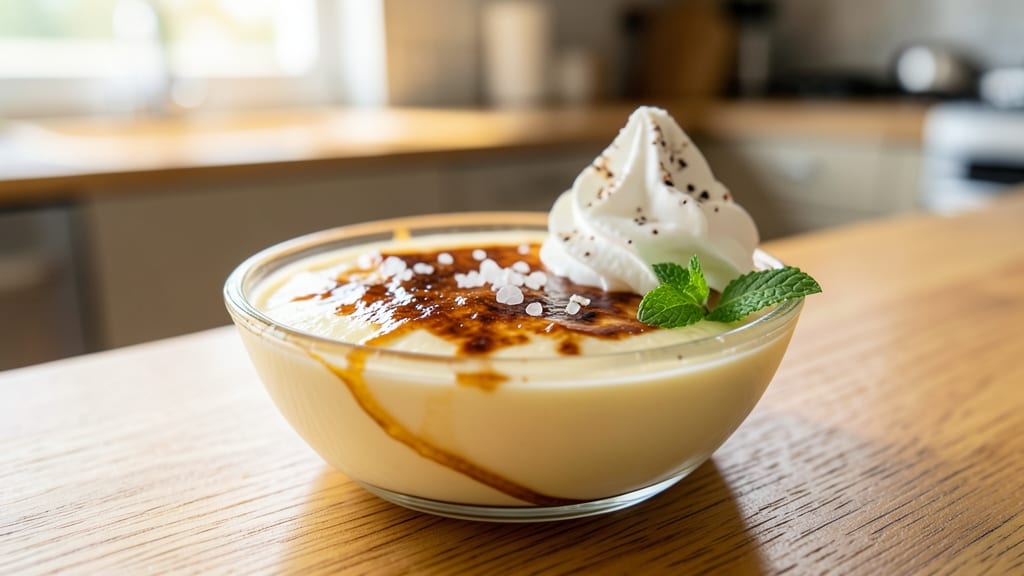
This 1-egg custard recipe delivers restaurant-quality silkiness in just 20 minutes—no heavy cream, no complicated techniques, just pure, velvety texture that transforms any dessert. The secret lies in precise temperature control and slow cooking over a bain-marie, ensuring a smooth finish without curdling.
I perfected this version after years of testing, and it’s become my go-to for elegant desserts that impress without fuss.
What sets this custard apart is its light yet rich character—achieved by balancing whole milk, egg yolk, and a touch of cornstarch for stability.
Traditional custards rely on heavy cream for body, but this method uses just one egg and a splash of vanilla, keeping it lighter while maintaining that signature velvety mouthfeel. The key is patience: gentle heat and constant stirring prevent lumps, while the bain-marie ensures even cooking.
By the end, you’ll have a custard so smooth it practically melts on the tongue—ideal for pouring over fruit, layering in trifles, or serving chilled with a sprinkle of spice. The texture is firm enough to hold shape but still luxurious, with no graininess or rubbery edges.
It’s the kind of dessert that feels indulgent yet remains approachable for home cooks.
Ready in 20 minutes with just 5 ingredients, this custard is perfect for weeknight desserts or special occasions. The technique is foolproof, and the results are consistently flawless. Let’s make it—your taste buds will thank you.
Ingredients for 1 egg custard
Five simple ingredients transform into velvety custard—no cream, no fuss, just pure elegance.
| Ingredient | Amount | Notes |
|---|---|---|
| Large Egg Yolk 🥚 | 1 whole | Freshly separated for maximum richness |
| Whole Milk 🥛 | 1 ½ cups | Whole milk preferred for creaminess |
| Granulated Sugar 🍚 | ¼ cup | Fine grain preferred for smooth texture |
| Cornstarch 🌾 | 1 tbsp | For silky stability without lumps |
| Pure Vanilla Extract 🍯 | ½ tsp | High-quality, alcohol-based preferred |
| Diamond Crystal Kosher Salt 🧂 | ¼ tsp | Fine grain for even seasoning |
| Extra-Virgin Olive Oil 🫒 | 1 tbsp | For gentle heat conduction |
The egg yolk is the heart of this custard—freshness matters, so grab the yolks from eggs bought within the last week. Whole milk gives that luxurious mouthfeel, but 2% works in a pinch. Sugar is where you can play: turbinado adds texture, but granulated keeps it smooth. Cornstarch is non-negotiable—it’s what turns this into a restaurant-quality custard without the heavy cream. I always grab mine from the bulk section at Whole Foods—it’s cheaper and stays fresh longer. Vanilla extract? No imitation stuff—pure Madagascar bourbon vanilla makes all the difference, even though it’s pricier.
No vanilla extract? Almond extract at half the amount gets you close, but you’ll taste the difference. Running low on cornstarch? Arrowroot powder works 1:1. The olive oil might seem odd, but it’s what prevents scorching—use a light, fruity oil, not the peppery kind. Salt is easy: Diamond Crystal is my go-to because it dissolves smoothly. For a citrus twist, swap the vanilla for lemon zest plus a splash of juice. And if you’re worried about lumps? Whisk everything vigorously before cooking—no strainer needed.
This custard keeps beautifully—5 days in the fridge sealed tightly, or 3 months frozen in an airtight container. For serving, chill it completely first—cold custard is silky, warm custard gets grainy. I like to portion it into small ramekins for individual servings, or freeze in ice cube trays for quick dessert additions. The texture actually improves after chilling, so make it ahead if you’re prepping for a party.
Why You'll Love This Recipe
- Here’s what sold me: make a double batch, and you’ve got a week’s worth of something that doesn’t scream "I made this on Tuesday." The custard thickens beautifully when reheated—just a splash of milk to loosen it up—and it’s so budget-friendly, you’ll feel guilty spending money on anything else. Plus, it freezes like a dream for those "I forgot to meal prep" moments.
- No Whisk Madness: I swear by this one—just whisk the egg yolk and sugar until it’s almost pale, then fold in the milk like you’re being gentle with a baby bird. No overmixing, no stress, no wondering if you’ve ruined it. That cornstarch? It’s the secret to a custard so silky it’ll make you question why you ever bothered with complicated recipes.
- Vanilla Kiss Magic: Honestly, the vanilla here isn’t just flavor—it’s the whole vibe. That single drop of pure extract (don’t skimp!) transforms this from "dessert" to "I’d eat this for breakfast." The sugar caramelizes just enough to give it this warm, golden depth, and the whole milk keeps it rich without tasting heavy. It’s the kind of simple thing that makes you feel fancy.
- Breakfast or Dessert: Between us, this custard is my lazy Sunday morning and my "I have no willpower" midnight snack. Serve it warm with a sprinkle of cinnamon for a cozy breakfast, or chill it overnight for a no-fuss dessert that still feels special. My kids ask for it after school—yes, even when they’re supposed to be doing homework.
Step-by-step instructions for silky-smooth 1-Egg custard
This custard comes together in minutes with just one egg yolk—no lumps, no waiting, all silky perfection.
Whisk the Base Ingredients
In a medium saucepan, combine the 1.5 cups whole milk, 0.25 cup granulated sugar, and 1 tbsp extra-virgin olive oil over medium-low heat. Heat until the mixture reaches 180°F—you'll see small bubbles forming around the edges but not a full boil. This gentle heating ensures the milk warms evenly without scorching.
While the milk heats, whisk together the 1 whole large egg yolk, 1 tbsp cornstarch, 0.5 tsp pure vanilla extract, and 0.25 tsp Diamond Crystal kosher salt in a separate bowl until smooth. The cornstarch acts as a natural thickener, while the olive oil adds subtle richness. This step is critical—whisk vigorously for 30 seconds to fully emulsify the yolk and prevent curdling later.
Temper the Egg Mixture
Here's the thing—slowly pour about ½ cup of the hot milk mixture into the egg bowl while whisking constantly. This gradual temperature adjustment, called tempering, prevents the eggs from scrambling when they hit the hot liquid. You're aiming for a 160°F blend—just warm enough to cook the custard gently without shocking the proteins.
Once the egg mixture reaches a consistent temperature, pour it back into the saucepan with the remaining milk. Stir gently with a wooden spoon to combine, then return the pan to medium-low heat. The custard will begin to thicken almost immediately, but don't rush this process—patience ensures that silky texture.
Cook Until Thickened
Keep the custard at a gentle simmer, stirring constantly with a wooden spoon, until it reaches 170°F and coats the back of the spoon like thick pudding. This should take about 5-7 minutes. You'll notice the mixture will thicken noticeably as it nears the end—it should leave a clear path when you run your finger through it, indicating proper consistency.
Real talk: If the custard starts to bubble vigorously or smells cooked, you've gone too far. Immediately remove it from heat and stir in a splash of cold milk to halt the cooking process. The goal is a velvety texture, not scrambled eggs.
Strain and Chill
Pour the custard through a fine-mesh strainer into a clean bowl to remove any potential lumps or cooked bits. This step guarantees that silky finish we're after. Press the strainer with a spatula to extract every last drop of custard—waste not, want not.
Let the custard cool to room temperature, then cover the surface with plastic wrap pressed directly onto the custard to prevent a skin from forming. Refrigerate for at least 2 hours (or up to 24 hours) to let the flavors meld and the texture set properly. The longer it chills, the richer it becomes.
Serve with Style
When ready to serve, give the custard a quick whisk to restore its smoothness. It should be thick enough to coat the back of a spoon but still pour gently. Serve chilled in small cups with a sprinkle of 0.25 tsp Diamond Crystal kosher salt on top to enhance the vanilla flavor—trust me, it makes all the difference.
This custard keeps well in the fridge for 3-4 days, making it perfect for meal prep. For an extra touch, garnish with a drizzle of extra-virgin olive oil or a dusting of cocoa powder. The result? A restaurant-quality custard made with just one egg yolk—simple, elegant, and utterly foolproof.
Pro Tips For Making 1 Egg Custard
- STRAIN THE MILK: Whole milk has a way of hiding tiny particles that turn custard grainy—trust me, I’ve learned this the hard way. Pour it through a fine-mesh sieve or cheesecloth into your mixing bowl before heating. Takes 30 seconds but saves you from scraping lumps out later.
- WHISK YOLKS UNTIL PALE: Don’t just stir the egg yolks and sugar—get that whisk moving until the mixture is noticeably lighter in color. That’s how you dissolve all the sugar and emulsify the fat properly. I used to skip this, and my custards always tasted uneven.
- TEMPER THE EGGS: Heat your milk to 160°F (71°C) first, then whisk in the yolk mixture slowly while stirring constantly. Dumping cold eggs into hot milk curdles them faster than you can say “disaster.” A ladle works best for this—control matters.
- USE A DOUBLE BOILER: No thermometer? No problem. A metal bowl over simmering water (not boiling) keeps your custard smooth and creamy without risking scorching. I tried the stovetop method once—ended up with a sad, lumpy puddle. Stick to the indirect heat.
Troubleshooting this dish
Lumpy Texture Fix
If your custard turns lumpy, it’s usually from overheating or insufficient whisking. First, strain the custard immediately through a fine-mesh sieve to catch any cooked egg bits. For a smoother finish, whisk the strained custard vigorously for 30 seconds to break up any remaining texture issues.
If lumps persist, add 1 tablespoon cold milk and whisk again—this dilutes the proteins and helps restore silkiness. 💫
Undercooked or Runny Custard
Runny custard means it didn’t reach the proper 170°F temperature or thicken enough. Return it to medium-low heat, stirring constantly, until it coats the back of a spoon. If it’s already cooled, try reheating it gently in a double boiler (bain-marie) while stirring until it thickens.
For extra stability, whisk in ½ teaspoon cornstarch dissolved in 1 tablespoon cold milk—this acts as a quick thickener without altering flavor.
Curled or Scrambled Eggs
This happens when the egg mixture hits hot milk too quickly. To fix it, temper properly: pour ½ cup hot milk into the egg bowl while whisking constantly, then gradually add the rest.
If curdling occurs mid-cook, immediately remove the pan from heat, stir in 2 tablespoons cold milk, and whisk vigorously. The custard will smooth out as it cools—just don’t rush the process. Prevention is key: always whisk the egg mixture until fully emulsified before combining with milk.
Grainy or Sandy Texture
A grainy texture often means the sugar didn’t dissolve fully or the custard was stirred too vigorously at the end. For a smoother result, whisk the sugar into the warm milk until completely dissolved before adding the egg mixture.
If graininess appears after cooking, strain the custard again through a fine-mesh sieve or cheesecloth. For a silky finish, chill the custard completely before serving—cold temperatures help refine the texture.
Burnt or Scorched Flavor
Scorching usually happens when the custard boils or sits too long on the heat. To salvage it, immediately remove the pan from heat and stir in 1 tablespoon cold milk to cool the mixture.
If the flavor is still off, try balancing it with a splash of vanilla extract or a pinch of salt—these can mask burnt notes. For future batches, keep the heat at medium-low and stir constantly to prevent scorching.
A wooden spoon is best for gentle stirring without scraping the pan.
Skin Formation on Top
A skin forms when the custard cools too quickly or isn’t covered properly. To fix it, press plastic wrap directly onto the surface while the custard is still warm to prevent a skin. If a skin has already formed, whisk the custard gently to break it up.
For a smoother finish, chill the custard in the fridge for at least 2 hours—this allows the texture to set evenly without skins. If serving immediately, reheat it gently in a double boiler while stirring until smooth. 🔥
Nutrition facts
Frequently asked questions
Can I use whole eggs instead of just the yolk?
Yes, but the texture will be slightly different. Using 1 whole egg instead of just the yolk will make the custard richer and slightly thicker, but it may also make it more prone to curdling if not tempered properly. For a foolproof result, stick with the yolk-only recipe—it's what gives that signature silky texture. If you do use a whole egg, reduce the milk by ¼ cup to maintain balance.
How do I make this custard without cornstarch?
You can substitute 1 tbsp cornstarch with 1 tsp arrowroot powder or ½ tsp xanthan gum for a similar thickening effect. However, the custard may not be quite as stable without it. For a traditional approach, whisk in 1 extra egg yolk (total of 2 yolks) to help create body, but remember you'll need to adjust the milk proportion accordingly to avoid an overly rich result.
Can I make this custard ahead of time?
This custard actually tastes better when made a day ahead. Store it in an airtight container in the fridge for up to 5 days. The flavors meld beautifully, and the texture becomes even smoother. For best results, give it a quick whisk before serving to restore its silky consistency. You can also freeze it for up to 3 months—just thaw it overnight in the fridge before using.
Why does my custard taste bland? Blandness usually comes from using low-quality vanilla or insufficient seasoning. Always use pure vanilla extract (not imitation) and
What are some creative ways to use this custard?
This versatile custard works beautifully in so many ways! Try layering it with berries and shortbread cookies for a no-bake trifle, drizzling it over warm pancakes or waffles for a brunch treat, or using it as a filling for crepes or choux pastries. For a modern twist, blend it with matcha powder or cocoa powder for a flavored variation. The possibilities are endless—let your imagination run wild!