
Main Courses
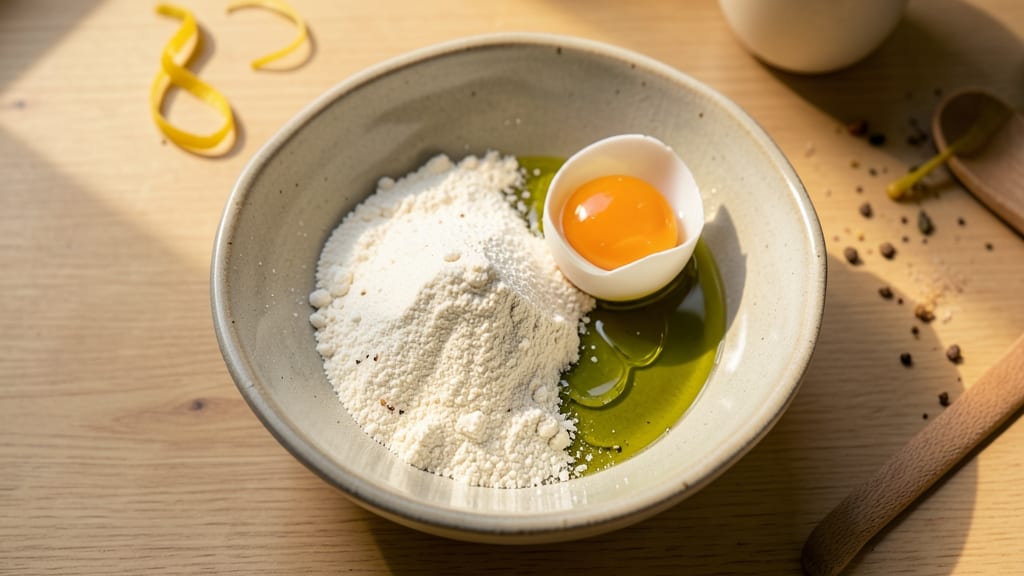
A 1 egg pasta dough recipe transforms your kitchen into a fresh pasta workshop with just 10 minutes of active time. This no-knead magic delivers silky, light-as-air strands that cling to sauce like a dream—no stand mixer or restaurant-level skills required.
The secret lies in proper resting and rolling techniques that create that signature al dente bite and tender texture home cooks struggle to replicate.
What sets this recipe apart is its simplicity: just four ingredients, no kneading, and a method that yields professional-quality results every time. The dough rests while you prepare your sauce, allowing gluten to relax for perfect rolling.
Whether you're making fettuccine, tagliatelle, or lasagna sheets, the same technique applies—just adjust your rolling pin thickness. For beginners, this is the recipe that finally makes fresh pasta feel achievable.
By the time you're done, you'll have light-as-air pasta with a delicate, barely-there texture that's impossible to resist. The dough's natural elasticity means it won't tear when cutting, and the short cooking time (just 2-3 minutes) preserves that perfect al dente bite.
This is the kind of pasta that makes you question why you ever bought dried—it's that good. Serve immediately with your favorite marinara or pesto for a meal that tastes like it came from a tiny Italian trattoria.
Pro tip: Roll the dough just before cooking to maintain its signature freshness. The recipe scales perfectly for meal prep—make extra dough, freeze it between parchment paper, and thaw as needed. This is the foundation for restaurant-quality Italian meals at home, with minimal effort and maximum flavor impact.
Ingredients for 1 egg pasta dough
Four simple ingredients transform flour into silky, restaurant-quality pasta with zero effort.
| Ingredient | Amount | Notes |
|---|---|---|
| All-Purpose Flour 🌾 | 2 cups | Plus 2 tbsp for dusting |
| Large Egg 🥚 | 1 whole | Room temperature preferred |
| Fine Sea Salt 🧂 | ½ tsp | Diamond Crystal preferred |
| Extra-Virgin Olive Oil 🫒 | 1 tbsp | High quality, fruity |
The flour is everything here. King Arthur or Caputo Tipo 00 give that signature Italian lightness, but regular all-purpose works in a pinch. I always grab a 5-pound bag from Whole Foods—it keeps forever and makes way more than you'll use. Room-temperature egg is key (that's why I pull mine out 10 minutes early), but if you forget, just let it sit while you measure everything else. The olive oil? Don't skimp—this is where the magic happens. Trader Joe's Italian extra-virgin is my go-to, but any fruity, peppery oil will do.
No room-temperature egg? Microwave it 20 seconds to just warm it up. Short on olive oil? Avocado oil works too—just don't use refined oils like vegetable or canola. The salt matters less than you'd think, but Diamond Crystal is my favorite because it dissolves perfectly. No flour sifter? Whisk the flour in the bowl first to break up any lumps. Making more than one batch? Double the recipe—the dough keeps beautifully for freezing. And if you're nervous about the egg-to-flour ratio, trust me: this works every single time.
Fresh pasta is best used immediately, but the dough keeps 2 days wrapped tightly in plastic in the fridge. For longer storage, flatten dough sheets and freeze between parchment paper—thaw 10 minutes at room temp before rolling. The magic here is the resting time: let the dough sit 30 minutes before rolling. This relaxes the gluten so it rolls out like butter. Pro tip: Use a pasta machine if you have one, but a rolling pin works too—just roll it thin and cut carefully.
Why You'll Love This Recipe
- Four-Ingredient Magic: I swear by this dough—just flour, egg, salt, and oil. That’s it. No fancy ratios to memorize, no measuring cups cluttering my counter. The egg binds it perfectly, and the olive oil keeps it tender without overpowering.
- Chef’s Kiss Texture: The salt and oil work together to give you that just-right al dente bite—crisp when fresh, silky when cooked. No gummy mess here, just pure satisfaction in every bite. (Yes, even when I burn the water.)
- Weeknight Wonder: This dough is my go-to for busy nights. Roll it out while dinner simmers, or cut it into fettuccine in minutes. Freezes like a dream too—just thaw and cook. No last-minute grocery runs needed.
- Budget-Friendly Luxury: One egg stretches further than you’d think, and flour is always cheap. You’ll get two meals out of this dough easily—one fresh, one prepped for later. That’s $2 worth of pasta that tastes like a restaurant dish.
Step-by-step instructions for 1 egg pasta dough
Here's how to make silky-smooth pasta dough with just four ingredients and no kneading required.
Create a Well in the Flour
Measure out the 2 cups all-purpose flour on a clean work surface or in a large bowl. Make a well in the center by pushing the flour outward with your fingers. This creates space to add the wet ingredients without making a mess. I like to use a measuring cup to press down the flour firmly around the edges of the well—this helps prevent flour from spilling out when you add the egg and oil.
The well should be large enough to comfortably hold the 1 whole large egg and 1 tablespoon extra-virgin olive oil without overflowing. If your egg is cold, let it sit at room temperature for 10 minutes first—this ensures it mixes smoothly with the flour. The well should be about 3 inches wide to give you enough room to work without splashing flour everywhere.
Combine Wet Ingredients
Crack the 1 whole large egg into the well, then add the 0.5 teaspoon fine sea salt and 1 tablespoon extra-virgin olive oil. Use a fork to gently whisk these ingredients together until the yolk is fully broken up and the mixture looks like a pale yellow custard. This step is crucial—if you skip it, you'll end up with uneven dough that's tough to work with.
I like to add the salt directly to the egg first because it dissolves more evenly than if you sprinkle it on top of the flour. The olive oil adds richness and helps create that signature silky texture. Once the egg is fully incorporated, let it sit for 1 minute—this gives the salt time to dissolve completely and makes the next step much easier.
Gradually Incorporate the Flour
Using the fork, begin to draw the flour from the edges of the well into the egg mixture, stirring gently as you go. Work quickly but carefully—you want to avoid overmixing, which can develop gluten and make the pasta tough. After a few strokes, switch to your hands and use a cutting motion to bring the flour and egg together.
I press down on the dough with the heel of my hand while folding it over itself—this technique helps distribute the moisture evenly without overworking the dough. You'll know you're on the right track when the mixture starts to come together into a shaggy, sticky ball. If it feels too dry, add 1 teaspoon water at a time until it holds together when pressed.
Shape and Rest the Dough
Once the dough forms a cohesive mass, turn it out onto a lightly floured surface (use the extra 2 tablespoons flour from the ingredients list). Gently shape it into a rough ball by folding the edges toward the center and pressing down lightly. The dough should be slightly sticky but not wet—if it sticks too much, dust with a bit more flour.
Wrap the dough in plastic wrap and let it rest at room temperature for 30 minutes. This resting period allows the gluten to relax, making it much easier to roll out later. I like to place the dough on a baking sheet before wrapping it—this prevents it from sticking to the counter when you're ready to roll. The dough should feel softer and more pliable after resting, with a smooth surface that's ready for rolling.
Roll and Cut the Pasta
After the dough rests, divide it into 4 equal portions (about 4 ounces each) for easier handling. Working with one piece at a time, dust the surface lightly with flour and roll it out to your desired thickness using a pasta machine or rolling pin. Start with the widest setting and gradually reduce it—this ensures even thickness and prevents tearing.
Cut the rolled dough into your preferred pasta shape (tagliatelle, fettuccine, or even ravioli squares). If you don't have a pasta machine, use a sharp knife to cut the dough into strips. The pasta should be 1/8-inch thick for al dente results. Lay the cut pasta on a floured baking sheet and let it dry for 10-15 minutes before cooking—this prevents it from sticking together in the pot.
Pro Tips For Making 1 Egg Pasta Dough
- Mix by Hand, Not Machine: I learned this the hard way—pulse that dough in a food processor and you’ll end up with a gummy mess. The gluten needs gentle coaxing; use your fingers to work the flour and egg until just combined, then fold in the olive oil by hand. Stop when it holds together but still feels slightly crumbly—overmixing is the enemy.
- Use Cold Eggs, Warm Hands: Cold eggs keep the dough from getting too soft, but don’t crack them straight from the fridge. Let them sit at room temp for 10 minutes first, then dip your fingers in warm water before handling the flour. The dough will be easier to shape, and you’ll avoid that sticky, sticky nightmare that makes rolling it out a chore.
- Rest Before Rolling: I was skeptical until I tried it—give the dough a 20-minute rest wrapped in plastic at room temp. This relaxes the gluten, so it rolls out smoothly instead of fighting you like a stubborn toddler. Skip this, and your pasta will tear when cutting or cooking.
- Add Olive Oil Last: The oil is non-negotiable for tender pasta, but dump it in too early and the dough turns greasy. Fold in 1 tablespoon of extra-virgin olive oil after the flour and egg are combined—just before shaping. You’ll get that silky texture without sacrificing structure. (Yes, even if you’re impatient like me.)
Wine and beer pairings for these flavors
Light White Wine Pairings
For this delicate, egg-based pasta, I reach for crisp Italian whites that complement the dough's natural richness without overpowering it. A Pinot Grigio from Alto Adige—like the Santa Margherita Pinot Grigio—is my go-to choice.
Its bright acidity and citrus notes cut through the buttery texture, while its subtle mineral finish enhances the pasta's delicate flavor. Serve it slightly chilled (45-50°F) to let its crispness shine alongside the al dente bite. 🍷
Crisp Lager Complements
If you prefer beer, a German Helles or Italian lager like Peroni or Birra Moretti works beautifully. The light malt sweetness and effervescence balance the pasta's subtle richness, while the gentle hop bit adds a refreshing contrast.
For a craft option, try a Belgian witbier—the coriander and orange peel notes pair surprisingly well with the egg's natural creaminess. Serve at 40-45°F to maintain its crispness.
Bold Red Options
For heartier sauces like ragù or pesto, a medium-bodied red like Chianti or Sangiovese elevates the dish. The Castello di Volpaia Chianti Classico offers bright acidity and cherry notes that complement the pasta's texture.
Avoid heavy, tannic reds—they can overpower the delicate egg flavor. Decant for 30-45 minutes to soften tannins and enhance aroma.
Sweet Contrasts
For dessert-inspired pasta (like pasta with lemon zest and ricotta), a Moscato d'Asti or Riesling adds a delightful sweet-tart contrast. The La Spinetta Moscato d'Asti is lightly fizzy with peach and citrus notes that dance with the lemon in the sauce.
Serve at 40-45°F to preserve its effervescence and freshness.
Regional Italian Pairings
In Northern Italy, where this dough style originated, locals pair fresh pasta with Vermentino from Sardinia. Its saline minerality mirrors the pasta's simplicity. For Southern Italy, a Frascati Superiore from Lazio offers bright acidity and green apple notes that refresh the palate.
Both wines are widely available and under $20, making them perfect for home cooks. 🍷✨
Nutrition facts
Frequently asked questions
Why does my 1 egg pasta dough stick so much?
The dough is naturally sticky because of the high moisture content from the egg. This is normal! Just dust your work surface with extra flour and use a bench scraper to help lift the dough. If it's too sticky to handle, let it rest 10 minutes longer—this helps the gluten relax and makes it easier to work with.
Can I make this dough without a pasta machine?
Use a rolling pin instead. Roll the dough from the center outward, turning it 90 degrees after each pass for even thickness. For 1/8-inch sheets (perfect for al dente pasta), fold the dough in half and roll again. If it tears, just patch it with extra flour and keep going.
How do I prevent my fresh pasta from sticking together?
After cutting, lay the pasta on a floured baking sheet and let it dry for 10-15 minutes before cooking. This creates a light starch layer that prevents sticking. For extra insurance, toss the cooked pasta with a bit of pasta water and olive oil—this keeps strands separate and adds shine.
What's the best way to store leftover dough?
Wrap the dough tightly in plastic wrap and refrigerate for up to 2 days. For longer storage, flatten the dough between parchment paper and freeze. Thaw in the fridge overnight before rolling. Never refreeze thawed dough—it loses texture. The key is keeping it airtight to prevent drying.
Why does my pasta turn out tough instead of silky?
Overworking the dough or skipping the 30-minute rest are the most common causes. Handle the dough gently and let it relax completely before rolling. Also, avoid using too much flour—just enough to prevent sticking. If the dough feels resistant, it needs more rest time, not extra flour.