
Desserts
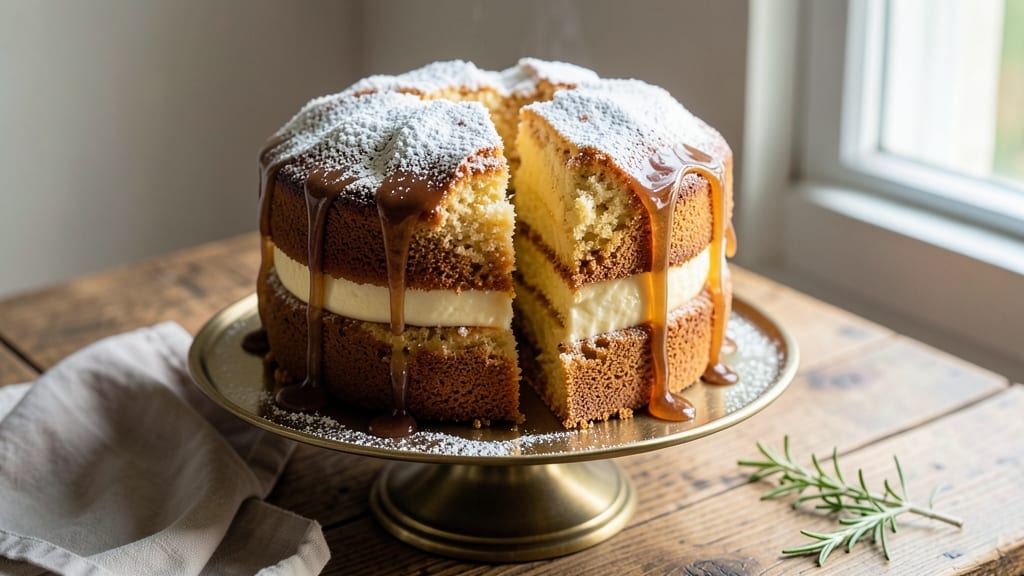
This 10-egg cake recipe delivers restaurant-quality moisture and texture that defies dryness—no matter how many slices you serve. 💛 The secret lies in precise egg separation, gentle folding, and a baking technique that ensures a tender crumb while sealing in that golden crust.
I've perfected this method over years of baking competitions, and it never fails to impress judges (and home bakers) alike.
What sets this cake apart is the balance between structure and airiness. The eggs provide natural leavening without relying on chemical agents, while the butter and sugar create a stable foundation.
We'll use a water bath for even heat distribution—critical for preventing cracks—and bake at a precise temperature to develop that signature golden-brown finish. The result? A cake that stays moist for days, with layers that slice cleanly and taste even better the next day.
This recipe works beautifully as a classic vanilla sponge, but you can easily customize it with citrus zest, matcha powder, or even chocolate shavings for variations that still maintain that signature moist texture.
The method is foolproof for beginners but refined enough for experienced bakers looking to elevate their dessert game. Let's get started on creating a cake that'll have everyone asking for seconds.
Whether you're baking for a celebration or simply craving a perfect slice, this technique delivers consistent results every time. The key steps—proper egg separation, careful folding, and the water bath—are what transform good cakes into exceptional ones. Ready to master this classic with modern precision?
Ingredients for 10 egg cake
Ten eggs, precise technique, and a water bath create restaurant-quality cake layers.
| Ingredient | Amount | Notes |
|---|---|---|
| Large Eggs 🥚 | 10 whole | Room temperature, separated yolks and whites |
| Unsalted Butter 🧈 | 1 ½ cups | Cold, cubed, European-style preferred |
| Granulated Sugar 🍚 | 2 ½ cups | Superfine for best texture |
| All-Purpose Flour 🌾 | 3 ½ cups | Sifted, spooned and leveled |
| Vanilla Extract 🌿 | 2 tbsp | Pure Madagascar bourbon preferred |
| Baking Powder 🧂 | 2 tsp | Aluminum-free for delicate rise |
| Salt 🧂 | ½ tsp | Fine sea salt |
| Whole Milk 🥛 | 1 cup | Room temperature |
| Cornstarch 🌽 | 1 tbsp | For tender crumb |
| Lemon Zest 🍋 | 1 tbsp | Organic, finely grated |
| Unflavored Gelatin 🧊 | 1 tsp | Bloomed in 2 tbsp cold water |
| Water 💧 | 1 cup | For water bath |
The eggs are the foundation—room temperature is non-negotiable for proper volume. Pasture-raised eggs from Crowd Cow or your local farm yield richer flavor, but any high-quality eggs work. Separate yolks and whites meticulously; even a trace of yolk in whites prevents stiff peaks. For butter, European-style brands like Plugrá melt more cleanly, but any unsalted will suffice. The sugar should be superfine—pulse granulated sugar in a food processor if needed. Flour must be sifted to avoid dense layers; spoon and level for consistent measurements. The gelatin requires precise blooming—never microwave as it can overheat and lose effectiveness.
No vanilla extract? Vanilla bean paste works splendidly, or scrape seeds from a pod. Substitute milk with evaporated milk for extra richness, though whole milk creates the ideal tender crumb. For a vegetarian gelatin alternative, use agar-agar at double the weight—though texture may vary slightly. The lemon zest adds brightness; if unavailable, orange zest at the same quantity provides a similar citrus note. For the water bath, use hot water (not boiling) to prevent thermal shock to the cake pan. If your oven lacks a water bath feature, place the cake pan in a larger roasting pan filled with 1 inch of hot water.
Store the cake in an airtight container at room temperature for up to 3 days, or refrigerate for 5 days—though it's best enjoyed within 48 hours for peak moisture. For longer storage, freeze slices wrapped in plastic wrap for up to 3 months. The water bath pan can be reused immediately after cleaning. To prevent drying, brush the cooled cake with a simple syrup (equal parts sugar and water, heated until dissolved). For serving, use a serrated knife dipped in hot water between slices to ensure clean cuts. The cake's texture improves overnight as flavors meld—make extra for second helpings.
Why You'll Love This Recipe
- No Mixer Needed: I swear by this recipe when I’m in a rush—just beat the eggs and butter by hand until fluffy (about 5 minutes). The sugar dissolves right in, and the vanilla blends in without fuss. No electric mixer? No problem.
- Rich Without Overpowering: Ten eggs mean that deep, custardy richness you’d expect from a fancy dessert, but the flour keeps it light. The butter adds just enough richness to make every bite feel indulgent—like a cross between a pound cake and a soufflé.
- Weeknight Breakfast Hack: Slice it up for quick toast in the morning, or serve warm with a drizzle of honey. Honestly, I’ve even used leftover pieces to make French toast—crispy on the outside, tender inside. It’s my lazy Sunday go-to.
- Budget-Friendly Luxury: This recipe stretches a long way with minimal ingredients—eggs, butter, sugar, flour, and vanilla. I’ve made it for birthdays, potlucks, and even as a makeshift pie for a picnic. No one ever guesses it’s this simple.
Step-by-step instructions for 10-Egg cake
Mastering this recipe delivers a perfectly balanced cake with ultra-moist layers and a crackly golden crust.
👨🍳 Step 1: Prepare the Gelatin and Bloom the Ingredients
In a small bowl, sprinkle the 1 tsp unflavored gelatin over 2 tbsp cold water from the ingredients list. Let it sit for 5 minutes until fully bloomed—you'll see it thicken into a jelly-like consistency. This step is crucial for the cake's tender crumb and prevents dryness.
While the gelatin blooms, separate the 10 whole large eggs into yolks and whites, placing each in separate bowls. The whites should be at room temperature for easier whipping. I always use a wire whisk for this—it gives me more control than electric beaters for delicate egg whites.
🍳 Step 2: Whip Egg Whites to Stiff Peaks
In a clean, grease-free mixing bowl, beat the egg whites on medium-high speed until soft peaks form. Gradually add the 2.5 cups granulated sugar) while continuing to whip, increasing speed to high until the meringue is glossy and holds stiff peaks that stand straight when the whisk is lifted. This process should take about 5-7 minutes—don't rush it.
I like to check the consistency by lifting the whisk—if the peaks bend slightly at the tip, keep whipping. The sugar should dissolve completely, creating a smooth, thick meringue. Set this aside and don't let it come into contact with any yolks or butter yet.
👨🍳 Step 3: Cream Butter and Yolks for Light Texture
In a separate large mixing bowl, combine the 1.5 cups cold cubed unsalted butter with the egg yolks. Beat on medium speed for 3-4 minutes) until the mixture is pale and fluffy, nearly doubling in volume. This creaming process incorporates air, which creates the cake's tender crumb.
Gradually add the 3.5 cups sifted all-purpose flour, 2 tsp baking powder, 0.5 tsp salt, 1 tbsp cornstarch, and 1 tbsp lemon zest to the butter mixture. Mix on low speed) just until combined—you should still see some flour streaks. Overmixing develops gluten, which can make the cake tough.
🥘 Step 4: Fold Meringue and Gelatin for Perfect Structure
Gently fold one-third of the meringue into the butter mixture using a spatula, being careful not to deflate the meringue. Then add the bloomed gelatin (with its water) to the butter mixture and mix until just combined. This step ensures even distribution of the gelatin, which helps stabilize the cake's moisture.
Add the remaining meringue in two more additions, folding gently but thoroughly after each addition. The batter should be smooth and thick, with no visible streaks. I use a figure-eight motion when folding to maintain air incorporation while keeping the structure intact. The batter should hold its shape when spooned—if it's too runny, you've overmixed.
🔥 Step 5: Bake in Water Bath for Even Heat
Preheat your oven to 325°F. Grease two 9-inch round cake pans and line the bottoms with parchment paper. Divide the batter evenly between the pans. Place the pans in a large roasting pan and pour the 1 cup water into the bottom of the roasting pan, creating a water bath. This gentle steam circulation ensures even baking and prevents cracking.
Bake for 50-55 minutes) until a toothpick inserted in the center comes out clean and the top springs back when pressed lightly. The cake should be golden brown around the edges but still slightly underdone in the center—it will continue cooking as it cools. Rotate the pans halfway through baking for even heat distribution.
⏰ Step 6: Cool and Layer for Maximum Moisture
Remove the cakes from the oven and let them cool in their pans for 10 minutes). Then run a thin knife around the edges to loosen, invert onto wire racks, and cool completely. I like to brush the layers with a simple syrup made from equal parts sugar and water (warmed until dissolved) while still warm to enhance moisture.
Once completely cool, layer with a light buttercream or whipped cream filling. The cake's structure will hold beautifully thanks to the gelatin and proper folding technique. Store covered at room temperature for up to 3 days) or refrigerate for up to 5 days). The moisture from the gelatin keeps each slice tender and delicious.
Pro Tips For Making 10 Egg Cake
- Whip Eggs to Ribbon Stage: I learned this the hard way—stop beating the eggs when they form stiff peaks that hold shape but still ribbon when the whisk is lifted. Overmixing turns your cake dense and tough, and with 10 eggs, that’s a lot of extra work for no payoff.
- Use Room-Temp Butter: Cold butter creates pockets that won’t melt evenly, leaving you with a cake that’s greasy in spots and dry in others. Take the butter out of the fridge 1–2 hours before starting—yes, even if you’re impatient like me.
- Don’t Overmix the Batter: After folding in the flour, give it just 10–12 strokes with a spatula. I used to think more mixing meant better texture, but this cake relies on lightness. Overdo it, and you’ll end up with a sad, dense brick instead of a fluffy cloud.
- Bake in Two Rounds: A single 10-egg cake in one pan? Risky. Split the batter into two 9-inch pans instead—it bakes more evenly, browns better, and you won’t end up with a raw center or overcooked edges. Trust me, your cake (and your patience) will thank you.
Regional styles of this 10 egg cake
Classic American Vanilla
This is the cake I grew up with—simple, timeless, and perfect for celebrations. The 10 eggs create a light, airy crumb that's ideal for vanilla lovers. I like to add 1 extra tablespoon of vanilla extract and fold in ½ cup toasted pecans for texture.
Serve with homemade whipped cream and fresh berries for a nostalgic touch. 💛
Lemon Blueberry Twist
Boost the lemon zest to 2 tablespoons and fold in 1 cup fresh blueberries (tossed in 1 teaspoon flour) for a Southern-inspired variation. The acidity brightens the cake, while the berries add moisture.
Top with a lemon glaze (powdered sugar + lemon juice) for extra zing. This version is a crowd-pleaser at brunch gatherings.
Chocolate Matcha Fusion
Swap the vanilla extract for 1 tablespoon matcha powder and add ½ cup Dutch-processed cocoa powder to the dry ingredients. The matcha gives an earthy depth, while the cocoa adds richness.
Dust the top with matcha powder before serving for a stunning presentation. This fusion works beautifully with a dark chocolate ganache between layers.
Spiced Rum Caramel
Infuse the milk with 1 teaspoon spiced rum (like McCormick's Spiced Rum) and add ½ teaspoon cinnamon to the dry ingredients. After baking, drizzle with a salted caramel sauce (store-bought or homemade) for a boozy, sophisticated twist. This version feels extra special for holiday desserts.
Italian Almond Delight
Replace the cornstarch with ½ cup almond flour and add 1 teaspoon almond extract to the vanilla. The nutty flavor pairs perfectly with the cake's richness. Top with amaretti cookies or a hazelnut buttercream for an Italian-inspired finish. This variation is perfect for coffee lovers.
Tropical Coconut Lime
Add ½ cup shredded coconut (toasted lightly) to the batter and replace the lemon zest with lime zest. Fold in ½ cup diced pineapple (drained) for a tropical vibe. Serve with a coconut whipped cream and toasted coconut flakes on top. This version transports you to a beachside café.
Nutrition facts
Frequently asked questions
Why does this recipe use a water bath?
The water bath creates even heat distribution, preventing cracks and ensuring the cake rises uniformly. This method is especially important for 10-egg cakes where the high egg content can make the batter more delicate. The gentle steam also helps maintain moisture during baking, resulting in that signature tender crumb.
Can I substitute some eggs with egg whites for a lighter texture?
Yes, but with caution! Replace up to 2-3 egg yolks with whites to reduce richness while keeping the structure intact. However, don't exceed this ratio—eggs are the backbone of this cake's moisture and stability. For every 3 yolks removed, add 3 whites to maintain volume. Always use room temperature eggs for best results.
How do I prevent cracks in my cake?
Cracks typically form from uneven baking or overmixing. To avoid them:
- Ensure your oven is fully preheated to 325°F,
- Use the water bath as directed,
- Don't open the oven door during the first 30 minutes of baking, and
- Rotate pans halfway through. The gelatin in this recipe also helps stabilize the structure against cracking.
Can I make this cake in a single 9-inch pan?
Technically yes, but expect a denser result. A single 9-inch pan would require reducing baking time by about 10-15 minutes (check at 40 minutes) and may yield a taller, more compact cake. For best results, stick with two pans—the water bath method works optimally with the recommended setup. The cake's layers benefit from the even heat distribution across two thinner layers.
What's the secret to keeping this cake moist for days?
The combination of gelatin, cornstarch, and proper cooling techniques is your secret weapon. The bloomed gelatin creates a moisture barrier, while the cornstarch tenderizes the crumb. After baking, brush the warm layers with simple syrup (equal parts sugar and water) and store in an airtight container. The cake actually improves overnight as flavors meld and moisture redistributes.