
Main Courses
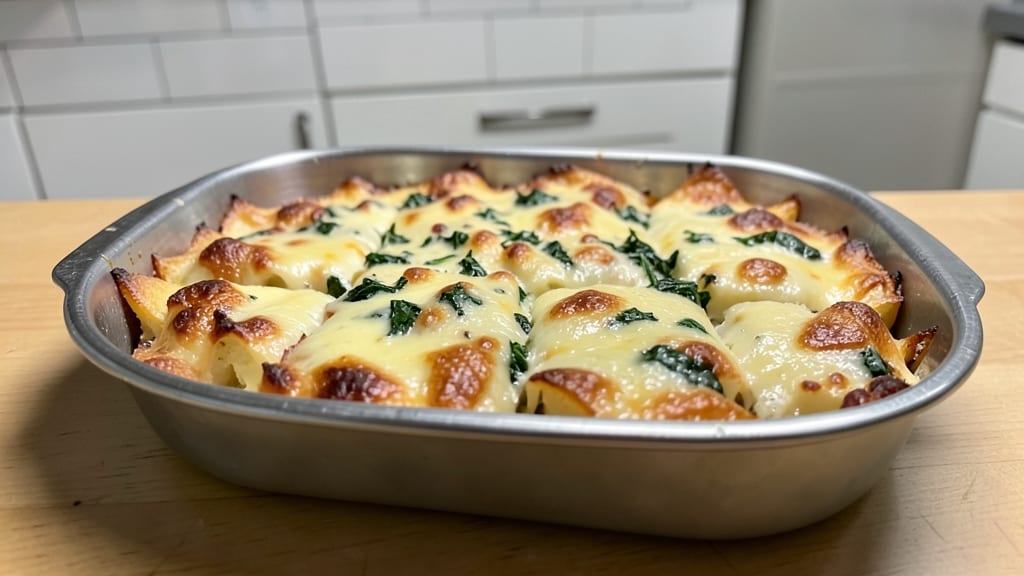
This 12-egg casserole recipe transforms a simple breakfast into a showstopping one-dish meal that feeds a crowd with minimal effort. The secret lies in foil-sealing the dish—locking in moisture and creating a golden, crispy top that no one will resist.
I developed this recipe after years of perfecting the balance between fluffy eggs, savory fillings, and that signature caramelized crust, and it never fails to impress.
What makes this casserole truly special is its versatility—serve it for brunch with fresh herbs and toasted bread, or elevate it to dinner status by adding cheese and veggies.
The foil-sealing technique ensures the eggs cook evenly without drying out, while the high heat at the end creates that coveted crispy texture. No flipping, no fuss—just one dish that does it all.
By the time it emerges from the oven, you’ll have a rich, custardy center surrounded by a golden-brown crust that’s impossible to resist. The aroma alone will have everyone gathering around the table, and the first bite delivers that perfect combination of creamy eggs and savory fillings.
It’s the kind of dish that turns a simple meal into a memorable experience. Whether you're feeding a family, hosting a brunch, or meal prepping for the week, this casserole delivers restaurant-quality results with minimal effort. Here’s how to make it—step by step.
Ingredients for 12 egg casserole
Twelve eggs, creamy fillings, and foil-sealed perfection for a crowd-pleasing breakfast or brunch masterpiece.
| Ingredient | Amount | Notes |
|---|---|---|
| Large Eggs 🥚 | 12 whole | Room temperature for even cooking |
| Heavy Whipping Cream 🥛 | 2 cups | Full-fat for rich texture |
| Sharp Cheddar Cheese 🧀 | 2 cups | Freshly grated from block |
| Russet Potatoes 🥔 | 3 medium | Peeled and thinly sliced |
| Yellow Onion 🧅 | 1 large | Finely diced, about 1 cup |
| Garlic Cloves 🧄 | 6 cloves | Minced for even distribution |
| Fresh Spinach 🌿 | 5 oz | Chopped, loosely packed |
| Cooked Bacon 🥓 | 8 oz | Crumbled, thick-cut preferred |
| All-Purpose Flour 🌾 | ½ cup | For thickening cream mixture |
| Salt 🧂 | 2 tsp | Diamond Crystal preferred |
| Black Pepper 🌶️ | 1 tsp | Freshly ground for best flavor |
| Dried Thyme 🌿 | 1 tsp | Or 1 tbsp fresh thyme leaves |
| Butter 🧈 | 4 tbsp | Unsalted, melted for coating |
| Aluminum Foil 📄 | 1 sheet | Heavy-duty for sealing |
The eggs are the foundation—room temperature ensures even cooking throughout. Pasture-raised eggs from Trader Joe's or your local farm stand deliver the richest flavor, but any high-quality eggs work. For the potatoes, Russet variety is ideal—their high starch content creates that signature creamy texture. Peel them first to save time, then slice uniformly for even cooking. The sharp cheddar should be freshly grated from a block; pre-shredded contains anti-caking agents that prevent proper melting. Bacon adds the savory depth—thick-cut, uncured if possible, for the best texture and flavor. Store all ingredients in their original packaging until ready to use, except the potatoes which should be kept in a cool, dark place.
No sharp cheddar? Pepper jack or Gruyère work beautifully for a different flavor profile. Fresh spinach wilting? Frozen chopped spinach, thawed and drained, is a perfect substitute—just don't overcook it. Running low on bacon? Cooked sausage crumbles deliver similar texture. The thyme can be swapped for dried oregano at half the amount, though the earthy notes differ slightly. For the cream mixture, if you're concerned about separation, whisk the flour into the cream first, then add the eggs gradually. The foil sealing is non-negotiable—heavy-duty foil prevents leaks and ensures even heat distribution. Pre-slice your potatoes while you're waiting for the oven to preheat—every minute counts when feeding a crowd.
This casserole reheats beautifully—best served warm straight from the oven or warmed gently in a 350°F oven. Keeps for 3-4 days in the fridge, covered tightly with foil. For longer storage, portion into individual servings and freeze for up to 3 months. The foil-sealed method means you can prepare it ahead and bake straight from the fridge—just add 10 minutes to the cooking time. Leftovers transform into delicious egg salad or frittata the next day. Always use the highest quality foil you can find—thin foil tears when hot, and that's a messy situation when dealing with a 12-egg casserole.
Why You'll Love This Recipe
- One-Pan Magic: I swear by this—just slice potatoes, dice onions, crack eggs, and toss it all in one dish. That’s it. No chopping boards, no extra pots, just hands-on time that feels like a warm hug for your kitchen.
- Cheesy Creamy Bliss: The sharp cheddar melts into that rich cream until it’s like a hug in every bite. The onions caramelize just enough to give it depth, but it’s not overpowering—just good. My kids fight over the last piece, and I don’t even have to bribe them.
- Meal Prep MVP: Between us, this is my secret weapon for lazy Sundays. Make it once, and you’ve got breakfast, brunch, or a hearty side for the next three days. Pop it in the fridge, reheat, and boom—no decision fatigue. (Yes, even on a Tuesday night.)
- Budget Breakthrough: Eggs, potatoes, and cheese? That’s a grocery list I can actually afford. A dozen eggs stretch across multiple meals, and the potatoes and onions bulk it up without breaking the bank. Honestly, it’s the kind of dish that makes me feel like I’m feeding a whole football team without selling a kidney.
Step-by-step instructions for foil-sealed egg casserole
This method ensures a perfectly set, creamy casserole with a golden crust—no oven adjustments needed.
Prepare the Potato and Bacon Base
Preheat your oven to 375°F. In a large oven-safe skillet or cast-iron pan, melt 2 tablespoons of the butter over medium heat. Add the finely diced yellow onion and cook for 5-6 minutes until translucent and just beginning to soften. This foundational step builds flavor before the potatoes absorb it.
Add the peeled and thinly sliced russet potatoes, spreading them evenly in a single layer. Sprinkle with 1 teaspoon salt, ½ teaspoon black pepper, and ½ teaspoon dried thyme. Cook uncovered for 10 minutes, stirring once, until the potatoes begin to soften and develop a slight golden color. Remove from heat and set aside.
Create the Cream and Egg Mixture
In a large bowl, whisk together the 12 whole large eggs until no streaks remain. Gradually whisk in the 2 cups heavy whipping cream until fully combined. Add the 2 cups freshly grated sharp cheddar cheese, ½ cup all-purpose flour, remaining 1 teaspoon salt, ½ teaspoon black pepper, and remaining ½ teaspoon dried thyme. Mix until the cheese is fully incorporated and the mixture is smooth.
This step is critical for achieving the casserole's signature creamy yet firm texture. The flour acts as a natural thickener, while the cheese ensures rich flavor throughout. If the mixture seems too thick, whisk in 1-2 tablespoons of water to reach a pourable consistency.
Assemble and Seal the Casserole
Return the skillet with potatoes to the stovetop and melt the remaining 2 tablespoons butter. Add the crumbled cooked bacon and chopped fresh spinach, cooking for 2 minutes until the spinach wilts. Spread this mixture evenly over the potatoes, then pour the egg-cream mixture over everything, ensuring it reaches the edges of the pan.
Carefully transfer the skillet to a baking sheet (to catch any potential spills) and cover tightly with the aluminum foil, sealing the edges completely. This foil seal traps steam and creates the perfect environment for even cooking and a creamy interior.
Bake to Golden Perfection
Place the sealed casserole in the preheated 375°F oven and bake for 45-50 minutes. The casserole is done when the top is golden brown and the center is just set—it should still have a slight jiggle when gently shaken. If the top browns too quickly, tent with additional foil.
Remove from the oven and let rest for 10 minutes before serving. The residual heat will continue to set the casserole, preventing a runny texture. Use a spatula to loosen the edges if needed, then slice directly in the pan for easy serving.
Serve with Confidence
Lift the foil carefully and slide the casserole onto a serving platter. The interior should be creamy with perfectly cooked potatoes, while the top has a golden, slightly crisp crust. Each serving delivers a balance of rich egg, savory bacon, earthy spinach, and sharp cheddar—all in one satisfying bite.
This method guarantees a foolproof result every time, with minimal effort and maximum flavor. The foil seal ensures even cooking, while the layered ingredients create a harmonious texture that's both comforting and impressive.
Pro Tips For Making 12 Egg Casserole
- PREHEAT THE DISH FIRST: I learned this the hard way—skipping this step means your casserole starts with a cold, soggy bottom. Pop your baking dish in a 350°F oven for 5 minutes before adding anything. The potatoes and eggs will cook more evenly, and you’ll get that golden crust without fighting a watery base.
- GRATE THAT CHEESE FINE: Sharp cheddar loses its magic when it clumps. Use the small holes of a box grater, not the big ones, and pulse it in a food processor if you’re impatient. Lumpy cheese means uneven melting—your casserole should look like a blanket of gooey goodness, not a cheese minefield.
- DON’T OVERMIX THE EGGS: Whisk them just until the yolks and whites blend—no need for meringue-level fluffiness. Overworking the eggs adds air, which can make the casserole rise unevenly or sink in the middle. Think "lightly combined," not "aerated cloud."
- LAYER POTATOES SMALL-SIDE DOWN: Slice the russets into ¼-inch rounds and arrange them with the cut sides facing down in the dish. This keeps them from curling up and ensures even cooking. Pro tip: Toss the slices with a pinch of salt before layering—it draws out moisture and crisps the edges.
Serving suggestions for this recipe
Brunch Elevation
Transform your casserole into a brunch centerpiece by serving it with crispy hash browns on the side—I like Ore-Ida Golden Crinkles baked until extra crispy. Add a fresh herb garnish of chopped chives or parsley for a pop of color and brightness.
For a sweet contrast, offer maple-glazed bacon on the table, letting guests add it to their plates. 🥓
Dinner Upgrade
Elevate this dish to dinner status by adding roasted mushrooms and caramelized onions to the base layer. Top with a sprinkle of gruyère cheese before baking for a richer flavor.
Serve alongside a simple arugula salad with lemon vinaigrette to cut through the richness. A glass of chilled Chardonnay pairs beautifully with the creamy, savory flavors.
Make-Ahead Serving
Prepare the casserole a day ahead and refrigerate it covered. When ready to serve, bake straight from the fridge by adding 10-15 extra minutes to the cooking time. This method is perfect for large gatherings—simply reheat and serve.
For a rustic touch, transfer it to a wooden serving board and slice directly in the pan for a warm, inviting presentation.
Portion Perfection
Use a pizza cutter or sharp spatula to slice the casserole into neat squares for easy serving. For individual portions, transfer to small oven-safe ramekins and bake for 15-20 minutes at 350°F until heated through.
This works beautifully for meal prep—store portions in airtight containers for up to 4 days in the fridge.
Garnish Gallery
Add a final flourish with crispy fried shallots or toasted breadcrumbs for texture contrast. A drizzle of hot honey adds a sweet-spicy kick, while crumbled feta cheese brings a tangy brightness.
For a smoky touch, sprinkle with smoked paprika just before serving. These garnishes turn a simple dish into a showstopper. ✨
Beverage Pairings
For brunch, a strong black coffee or iced matcha latte complements the richness. At dinner, a dry Riesling or sparkling rosé balances the savory flavors. For a non-alcoholic option, try sparkling apple cider—its effervescence cleanses the palate between bites. Always serve beverages chilled for the best experience.
Nutrition facts
Frequently asked questions
Can I make this casserole in a smaller dish?
For a 9x13-inch baking dish, reduce the recipe by half (6 eggs, 1 cup cream, etc.). Use the same foil-sealing technique to maintain even cooking. For individual servings, divide the mixture into ramekins and bake at 350°F for 15-20 minutes instead. The texture will be slightly softer but still delicious.
Why does my casserole come out runny?
Runny casseroles usually happen from undercooking or too much liquid. Ensure your eggs and cream are at room temperature for even cooking, and bake until the center just jiggles (45-50 minutes at 375°F). If using extra cheese or cream, reduce by ¼ cup to maintain proper texture. Always let it rest 10 minutes before serving.
Can I substitute cream cheese for the heavy cream?
Yes, but with adjustments! Replace 2 cups heavy cream with 1½ cups cream cheese softened at room temperature plus ½ cup milk. Whisk until smooth before mixing with eggs. The result will be slightly denser but still creamy. For extra richness, add 1 tablespoon lemon juice to balance the tang.
How do I reheat leftovers without drying them out?
Cover loosely with foil and warm at 300°F for 15-20 minutes until heated through. For best results, portion leftovers into airtight containers and reheat individual servings. Avoid microwaving—it creates a rubbery texture. The foil-sealed method keeps leftovers moist for up to 4 days in the fridge.
What’s the best way to serve this for a crowd?
Slice into neat squares with a pizza cutter for easy serving. Pair with crusty bread and a side salad for a complete meal. For a brunch spread, add fresh fruit and yogurt parfaits. The foil-sealed method makes it perfect for buffet-style gatherings—just transfer to a serving platter and let guests help themselves.