
Desserts
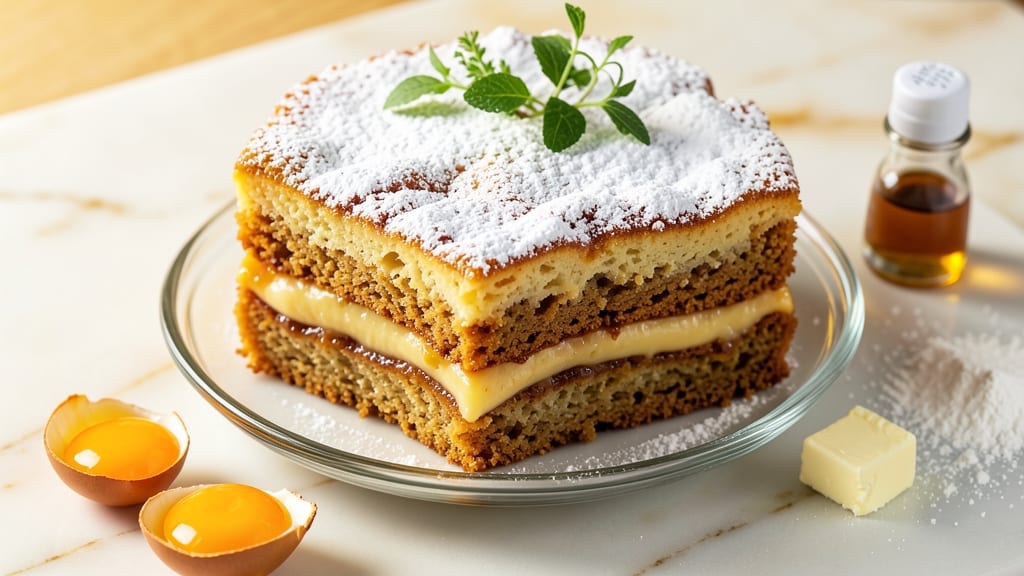
This 12 egg yolk cake recipe delivers layers of velvety richness with a signature runny center that makes every bite unforgettable. The secret lies in the perfect balance of yolks and butter, creating a texture that's both decadent and surprisingly light.
I developed this recipe after years of experimenting with custard-based desserts, and the results speak for themselves.
The magic happens when you incorporate the yolks at just the right temperature, ensuring they emulsify smoothly into the batter. This creates a cake that's moist, tender, and packed with flavor—no dry crumbs here.
The runny center is achieved through precise baking techniques that keep the middle custardy while giving the exterior a delicate golden crust.
What you'll end up with is a dessert that looks elegant enough for special occasions but is simple enough for weeknight treats. Each slice reveals that perfect contrast between the firm, velvety layers and the luscious, almost liquid center.
The flavor is rich and buttery, with just a hint of vanilla that ties everything together.
Pair it with fresh berries, a dollop of whipped cream, or a drizzle of caramel for the ultimate indulgence. This cake is perfect for celebrations, dinner parties, or whenever you want to impress with a dessert that feels luxurious but is surprisingly straightforward to make. Let's get baking!
Ingredients for 12 egg yolk cake
Twelve yolks, one decadent cake—this is the secret to that legendary custardy center.
| Ingredient | Amount | Notes |
|---|---|---|
| Large Egg Yolks 🥚 | 12 whole | Room temperature for best emulsification |
| Unsalted Butter 🧈 | 1 ½ cups | Cold, cut into cubes for even melting |
| Granulated Sugar 🍚 | 2 cups | Superfine preferred for smoother texture |
| All-Purpose Flour 🌾 | 1 ½ cups | Sifted for lightest texture |
| Pure Vanilla Extract 🌿 | 1 tbsp | High-quality, real vanilla preferred |
| Baking Powder 🧂 | 1 tsp | Ensures proper rise |
| Salt 🧂 | ½ tsp | Fine sea salt preferred |
| Whole Milk 🥛 | 1 cup | Room temperature for best incorporation |
| Lemon Zest 🍋 | 1 tbsp | Brightens the rich butter flavor |
| Lemon Juice 🍋 | 1 tbsp | Freshly squeezed for tang |
| Cornstarch 🌾 | 2 tbsp | Helps stabilize runny center |
| Pistachios 🌰 | ½ cup | Finely chopped, optional garnish |
The yolks are non-negotiable here. Room temperature is key—cold yolks won't emulsify properly, and you'll end up with a lumpy batter. Trader Joe's sells pre-separated egg yolks in cartons, which saves time, but fresh is always better. For the butter, Plugrá or Land O'Lakes unsalted work perfectly—just make sure it's cold when you start. The sugar? Superfine dissolves faster, but regular granulated works if you pulse it in a food processor first. I always double-check my vanilla extract—real Madagascar vanilla makes a world of difference compared to imitation.
No vanilla extract? Vanilla bean paste works in a pinch, or even a scraped vanilla bean. Running short on butter? Vegetable shortening gives similar results, though the flavor won't be as rich. The cornstarch is your secret weapon for that runny center—don't skip it. For the flour, sift it with the baking powder and salt together to avoid lumps. The lemon zest and juice add brightness that cuts through the richness— Meyer lemons if you can find them, but regular lemons work too. Pistachios are optional but add a lovely crunch on top—unsalted so they don't overpower.
This batter is delicate—don't overmix after adding the flour. The cake should be golden with a slight dome in the center when done. Let it cool completely before slicing—at least 2 hours, or overnight if you can wait. Store wrapped at room temperature for 3 days, or freeze slices for up to 3 months. The runny center thickens as it cools, so bring it to room temperature before serving for that perfect custardy texture. Trust me, the wait is worth it.
Why You'll Love This Recipe
- No Fuss, Big Payoff: I’ll be real—this cake requires zero fuss. Just whisk yolks, butter, and sugar until light, fold in flour, and bake. No mixer needed, no fancy techniques—just elbow grease for five minutes, then hands-off time.
- Rich Without Guilt: That deep, custardy flavor from 12 yolks? It’s like a hug for your taste buds. The butter and vanilla sing together, and the sugar caramelizes just enough to give it a subtle depth—no artificial shortcuts, just pure, buttery satisfaction.
- Make-Ahead Magic: Slice it fresh or store it for days—this cake stays moist and delicious. I’ve packed it for picnics, wrapped it for gifts, and even reheated slices for breakfast (yes, really). Perfect for birthdays, potlucks, or just because you want dessert tomorrow too.
- Budget-Friendly Luxury: You’d never guess it’s made with simple pantry staples. Yolks and butter make it feel special, but the cost is a fraction of store-bought cakes. Honestly, it’s my go-to for feeding a crowd without breaking the bank—everyone thinks it’s homemade from scratch.
Step-by-step instructions for 12 egg yolks cake recipe
Here's how to create that perfect velvety texture with a gloriously runny center—every slice will be a masterpiece.
Prepare the Butter-Sugar Mixture
In a stand mixer fitted with the paddle attachment, beat the 1.5 cups unsalted butter (cut into cubes) and 2 cups granulated sugar on medium speed for 5-7 minutes. You're looking for a pale, fluffy mixture that nearly doubles in volume—this incorporates air that will create that signature light texture. I press down with a spatula occasionally to ensure everything gets fully incorporated, especially at the bottom of the bowl.
This step is non-negotiable for that perfect cake texture. If you rush it, your cake will be dense instead of light and airy. The butter should be completely melted and the mixture should look like thick, pale ribbon when you lift the paddle. Here's the thing—superfine sugar works best, but if you only have regular granulated, pulse it in a food processor first for smoother results.
Add Egg Yolks and Citrus
With the mixer running on low speed, add the 12 whole large egg yolks one at a time, allowing each to fully incorporate before adding the next. After all yolks are added, mix for another 2 minutes until the mixture is thick and ribbony. Add the 1 tbsp lemon zest, 1 tbsp lemon juice, and 1 tbsp pure vanilla extract, mixing just until combined.
This is where the magic happens—the citrus brightens the rich butter flavor while the vanilla adds depth. I like to add the lemon zest and juice at this stage because the acidity helps stabilize the egg yolks and prevents them from curdling. The mixture should be smooth and slightly thickened—if it looks too thin, we'll fix that in the next step.
Incorporate Dry Ingredients
In a separate bowl, whisk together the 1.5 cups all-purpose flour, 1 tsp baking powder, and 0.5 tsp salt. Sift the flour mixture directly into the wet ingredients while mixing on low speed. Add the 2 tbsp cornstarch and mix just until combined—you should still see some flour streaks. This prevents overmixing which can make the cake tough.
Next, add the 1 cup whole milk in a slow, steady stream while mixing on low speed. The batter should be smooth and slightly thicker than cake batter typically is. Here's the trick: don't overmix. Once everything is incorporated, the batter should be thick but pourable. If it's too thick, add 1-2 tablespoons more milk to reach the perfect consistency for those velvety layers.
Bake in Layers for Perfect Texture
Preheat your oven to 350°F. Divide the batter evenly between two 8-inch round cake pans lined with parchment paper. Bake for 20-25 minutes or until the tops are set but the centers still jiggle slightly when shaken. They should pull away from the sides of the pan but still have a slight wobble in the center—this ensures that runny center everyone loves.
I always check for doneness by inserting a toothpick into the center—it should come out with a few moist crumbs but no wet batter. The key here is not to overbake. As soon as they're done, remove the cakes from the oven and let them cool in the pans for 5 minutes before transferring to a wire rack to cool completely. Patience here is crucial—they'll continue setting as they cool, which helps develop that perfect texture.
Assemble and Garnish
Once completely cool, level the tops of the cakes if needed. Place one cake layer on a serving plate and spread a thin layer of your favorite jam or lemon curd (about 2 tablespoons) over the top. This adds moisture and flavor between the layers. Place the second cake layer on top and dust the entire cake with powdered sugar for a beautiful finish.
For the final touch, sprinkle the 0.5 cup finely chopped pistachios over the top. I like to press them gently so they stick to the surface. Serve immediately or refrigerate for up to 2 days—though I promise, it won't last that long. Each slice should reveal that perfect velvety texture with a gloriously runny center that makes this cake truly special.
Pro Tips For Making 12 Egg Yolk Cake
- Whip Butter First: Melt the butter just until fluid—about 37°C (100°F)—before mixing with yolks. Cold butter makes the batter grainy, and fully melted butter can turn your cake into a dense pudding. I learned this the hard way after making a batch that looked like it had been kneaded instead of baked.
- Sift That Flour: Sift the flour twice if you’re using cake flour, or at least once if it’s all-purpose. Clumps sink to the bottom of the pan and create a brick-like texture. My grandmother swore by this, and she was right: the cake rises smoother and stays lighter.
- Don’t Overmix the Batter: Mix the yolks, sugar, and butter until just combined—no streaks, but no frothy peaks either. Overmixing adds gluten and turns your tender cake into a chewy mess. I was skeptical until I tried it: the difference in texture is night and day.
- Bake at 325°F (163°C), Not Hotter: Skip the urge to crank the oven to 350°F—this cake needs gentle heat to set properly. At higher temps, the outside sets too fast while the center stays gooey. I used to rush it, and the result was always a cake that looked done but tasted undercooked inside.
Pro cooking tips for this recipe
Yolk Temperature Matters
Never use cold egg yolks—they won't emulsify properly, leading to a lumpy batter. I always let mine sit at room temperature for 30 minutes before using. For extra insurance, I place the carton of yolks in warm water for 5 minutes.
This ensures a silky-smooth texture that's essential for that velvety cake. 🥚
Butter's Role in Texture
The 1.5 cups unsalted butter needs to be cold when you start, but it should melt completely during mixing. I cut it into ½-inch cubes for even melting. Using European-style butter like Plugrá gives a richer flavor, but any high-quality unsalted butter works.
The butter creates air pockets during the creaming process, which is crucial for that light, airy texture.
Citrus for Stability
The lemon zest and juice do more than just add flavor—they stabilize the egg yolks and prevent curdling. I always use freshly zested Meyer lemons if available, as they're sweeter and more aromatic.
The acidity helps balance the richness of the butter and yolks, creating a more stable batter. Don't skip this step—it's what keeps your cake from turning out dense.
Cornstarch Secret
The 2 tbsp cornstarch is your secret weapon for that signature runny center. It helps create the perfect custardy texture without making the cake too gummy. I mix it with the flour to distribute it evenly throughout the batter.
This step is what separates this cake from regular sponge cakes—it's what gives you that luxurious, almost liquid center.
Baking Precision
Bake at 350°F for 20-25 minutes until the tops are set but the centers still jiggle slightly. Overbaking is the enemy here—it turns the runny center into a dry one. I always check with a toothpick that comes out with moist crumbs but no wet batter.
The cakes should pull away from the sides but still have that slight wobble in the center for that perfect texture. 🔥
Cooling is Crucial
Let the cakes cool completely in their pans for 5 minutes before transferring to a wire rack. This helps them set properly. Then, let them cool completely at room temperature before assembling.
I often make this cake the night before so it has time to fully develop its flavors and textures. Patience here pays off with that perfect velvety consistency we're all after.
Nutrition facts
Frequently asked questions
Why does this recipe call for 12 egg yolks instead of whole eggs?
The extra yolks create that signature velvety texture and rich flavor without adding too much moisture. Yolks contain more fat and emulsifiers than whites, which gives the cake its luxurious mouthfeel. Plus, the high fat content helps create that perfect custardy center.
Can I make this cake without a stand mixer?
Yes, but you'll need to be extra careful with the butter-sugar mixture. Use a hand mixer and cream the butter and sugar for 8-10 minutes until light and fluffy. For the yolks, whisk them one at a time by hand, then gently fold in the dry ingredients. The process will take longer, but you'll still get that perfect texture with patience.
How do I fix a cake that's too dry or dense? If your cake turns out dry, it was likely overbaked. Next time, pull it out when the center still jiggles slightly. For a dense cake, you may have overmixed the batter or used cold yolks.
Can I substitute milk with something else?
Yes, you can use heavy cream or evaporated milk for extra richness. For a dairy-free option, try coconut milk or almond milk** (though the texture may be slightly different). Just
How should I store leftovers?
Wrap the cake tightly in plastic wrap and store at room temperature for up to 3 days. For longer storage, slice the cake and freeze individual portions in airtight containers for up to 3 months. Let frozen slices come to room temperature before serving—they'll taste best once fully thawed.