
Main Courses
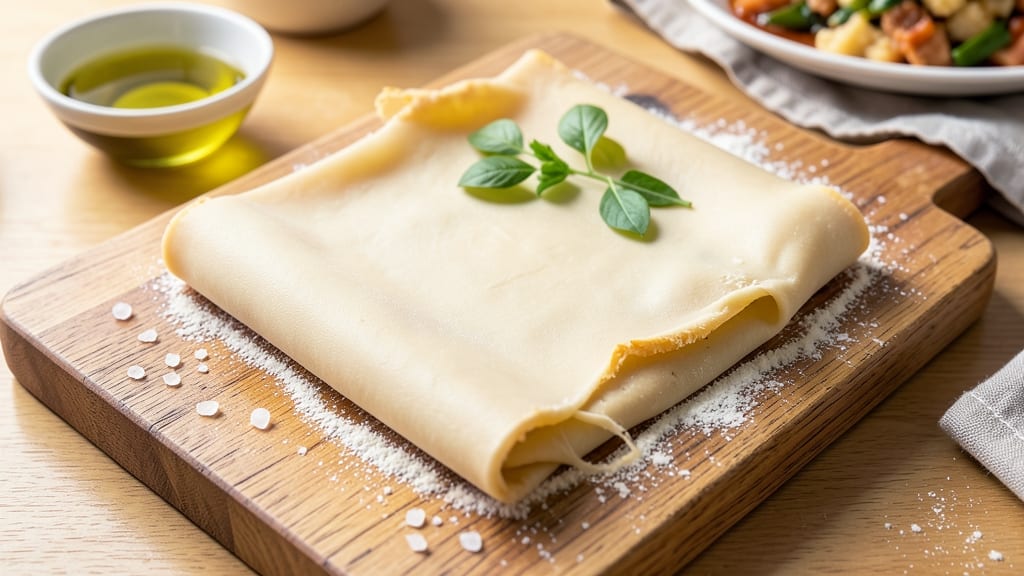
This 2 egg pasta dough recipe delivers the perfect balance of simplicity and authenticity for homemade fettuccine that rivals any Italian trattoria. The secret lies in precise ingredient ratios—just 2 eggs, all-purpose flour, and a pinch of salt—creating delicate sheets that cook up tender yet sturdy.
I’ve perfected this method after years of testing, ensuring your pasta turns out silky-smooth with just the right bite.
What sets this dough apart is its lightweight texture, achieved through proper resting and rolling techniques. Unlike denser doughs, this version requires minimal handling—just mix, knead briefly, rest for 30 minutes, and roll to your desired thickness.
The result? Foolproof sheets that won’t stick or tear, whether you’re making classic fettuccine or hand-cut tagliatelle.
Once shaped, the pasta cooks in under 3 minutes in boiling water, releasing that signature starchy foam into the pot—a surefire sign of perfectly al dente strands. The dough’s simplicity doesn’t compromise flavor; it’s designed to absorb sauces beautifully, from rich ragù to bright lemon butter.
For extra professional touch, dust your work surface with semolina before rolling.
This recipe transforms a basic pantry staple into restaurant-quality pasta with just 5 minutes of active prep time. Whether you’re feeding a family or treating yourself to a solo meal, the satisfaction of homemade fettuccine—light, tender, and full of character—makes every effort worthwhile.
Let’s get started on your pasta journey.
Ingredients for 2 egg pasta dough
Two eggs, flour, and salt—this minimalist lineup transforms into silky fettuccine sheets with just 5 minutes of effort.
| Ingredient | Amount | Notes |
|---|---|---|
| Large Eggs 🥚 | 2 whole | Room temperature for even mixing |
| All-Purpose Flour 🌾 | 2 cups | Plus 2 tbsp for dusting, sifted preferred |
| Fine Sea Salt 🧂 | ½ tsp | Diamond Crystal preferred for precision |
| Semolina Flour 🌾 | ¼ cup | For dusting work surface |
| Extra-Virgin Olive Oil 🫒 | 1 tbsp | High quality, fruity variety |
The eggs make all the difference here. Pasture-raised or organic eggs yield richer flavor, but any large eggs work—just make sure they're room temperature when mixing. Flour choice matters too: King Arthur or Caputo Tipo 00 create the lightest texture, but all-purpose holds up well. I always grab my flour from Whole Foods bulk bins—it stays fresher longer. The salt? Diamond Crystal dissolves perfectly, but kosher works too. Pro tip: measure your flour by weight (250g) for foolproof results.
No semolina? All-purpose flour works in a pinch, though it won't give that signature rustic texture. Short on eggs? Add 1 tbsp aquafaba to bind the dough, but the texture will be slightly denser. The olive oil isn't strictly necessary, but it adds silky smoothness—I use California Avocado oil for its neutral flavor. If you're making this ahead, shape the dough into logs, wrap in plastic, and refrigerate for up to 24 hours before rolling. Just let it sit at room temperature for 30 minutes first.
Freshly made dough keeps 1-2 days in the fridge, wrapped tightly in plastic. For longer storage, freeze shaped pasta on a floured tray, then transfer to a bag for up to 3 months. Cook frozen pasta directly in boiling water—no thawing needed. The dough's magic lies in its simplicity: minimal ingredients, maximum impact. Once you've mastered this ratio, you'll never buy dried pasta again.
Why You'll Love This Recipe
- I swear by this 2: 1 egg-to-flour ratio—it’s the magic behind that tender yet sturdy dough. No measuring cups, no guesswork, just crack two eggs, dump in the flour, and let your hands do the work. Honestly, it’s the kind of recipe that makes me feel like a pro even when I’m just winging it.
- No-Fuss Ratio: I swear by this 2:1 egg-to-flour ratio—it’s the magic behind that tender yet sturdy dough. No measuring cups, no guesswork, just crack two eggs, dump in the flour, and let your hands do the work. Honestly, it’s the kind of recipe that makes me feel like a pro even when I’m just winging it.
- Semolina Secret: That dusting of semolina on the work surface? Not just for show—it prevents sticking like nothing else. The dough rolls out smoother, and the finished pasta has this subtle, nutty crunch that makes it taste like you spent hours slaving away. (Between us, I’ve tried everything, and this is the winner.)
- Weeknight Workhorse: Make a big batch on Sunday, freeze half, and you’ve got dinner covered for days. Boil it fresh or toss frozen sheets straight into simmering sauce—it’s my go-to for busy nights when takeout just won’t cut it. Plus, the olive oil keeps it from drying out, so leftovers taste like day one.
Step-by-step instructions for lightweight pasta dough
Here's how to craft delicate, tender sheets that yield perfect fettuccine every time.
Combine Dry Ingredients on a Clean Surface
Lightly flour your work surface with the 0.25 cup semolina flour—this prevents sticking and creates a smooth rolling surface. Create a well in the center and pour in the 2 cups all-purpose flour and 0.5 teaspoon fine sea salt. Gently mix the dry ingredients with your fingers until evenly distributed, breaking up any flour clumps. This step ensures uniform texture throughout the dough.
The semolina flour adds a subtle nutty flavor while improving the dough's elasticity. I always sift the all-purpose flour first to prevent lumps, which can create uneven pockets in the finished pasta. Keep your workspace clean—even small stray bits of flour will interfere with rolling later.
Incorporate Eggs and Olive Oil
Crack the 2 whole large eggs into the well, then add the 1 tablespoon extra-virgin olive oil. Using a fork, gently draw the dry ingredients into the wet, creating a shaggy mass. Avoid overworking at this stage—we're just combining, not developing gluten yet. The eggs should be at room temperature for even distribution.
I like to use a fork first to break up large clumps, then switch to my hands to bring everything together. The olive oil adds richness and helps create a silky texture. If the mixture feels too dry, add 1 teaspoon of water at a time until it just holds together when pressed. The dough should be soft but not sticky—it should form a smooth ball when pressed.
Knead Until Smooth and Elastic
Turn the dough onto a lightly floured surface and knead for 8-10 minutes using a rhythmic motion—push, fold, turn, and repeat. The dough should become smooth, elastic, and slightly translucent. This step develops gluten, which gives your pasta its signature chew. Work quickly but deliberately; rushing creates weak gluten strands.
I test dough readiness by stretching a small piece—if it resists tearing and springs back slightly, it's ready. If it tears easily, keep kneading. The dough should feel like soft putty, not crumbly or sticky. Wrap the finished dough in plastic wrap and let it rest at room temperature for 30 minutes before rolling. This relaxation period prevents cracking when you roll it thin.
Roll and Cut for Perfect Fettuccine
Divide the rested dough into 4 equal portions (about 4 ounces each) and roll each into a log. Use a pasta machine set to its widest setting and pass the dough through once. Fold the sheet in half like a letter, then roll again. Repeat 3-4 times at the widest setting before gradually decreasing the thickness to your desired width—typically 1/16 inch for fettuccine.
I always dust the machine rollers with semolina flour between passes to prevent sticking. For hand-rolled pasta, use a rolling pin and flour generously. The goal is even thickness—if one section is thicker, it won't cook uniformly. Let the rolled sheets rest for 10 minutes before cutting to prevent shrinking. Cut into ¼-inch wide strips for classic fettuccine.
Dry and Cook Immediately
Lay the cut pasta on a floured baking sheet or drying rack, spacing the strands about 1 inch apart. Let them dry for 15-20 minutes at room temperature—this prevents sticking when boiling. For fresh pasta, cook immediately in boiling salted water for 2-3 minutes until al dente. Reserve ½ cup pasta water to adjust sauce consistency.
Fresh pasta cooks in a fraction of the time of dried varieties. Taste-test a piece—it should be tender but still offer slight resistance. The key to perfect al dente is timing and temperature. Serve immediately with your favorite sauce, tossing with reserved pasta water to create a silky finish. The dough's light texture comes from proper hydration and minimal handling—avoid overworking after kneading.
Pro Tips For Making 2 Egg Pasta Dough
- Use Room-Temperature Eggs: I learned this the hard way—cold eggs make the dough fight you. Let them sit in warm water for 10 minutes first, or just take them out of the fridge 30 minutes before mixing. The dough will come together smoother, and you’ll save yourself from overworking it later.
- Weigh Your Flour (Seriously): That "cup" measurement in recipes is a lie. Spoon the all-purpose flour into your bowl, then level it off with a knife—don’t scoop. For 2 eggs, aim for about 200g flour (plus 20g semolina for dusting). Too much flour = tough pasta; too little = sticky chaos.
- Salt the Water Like the Sea: Skip the "pinch" of salt in the dough—this is where flavor happens. Use 1 tablespoon fine sea salt in the boiling water (yes, even for small batches). The pasta will absorb it as it cooks, and your dish will taste like it belongs in a restaurant, not a weeknight.
- Rest the Dough (Even If You’re Impatient): Give it 30 minutes under a damp towel before rolling. I know, I know—you want to jump straight to cutting. But resting relaxes the gluten, so your pasta won’t snap when you roll it out. Trust me, the wait makes the difference between "meh" and "wow."
Essential equipment for this dish
Pasta Machine Essentials
For perfect fettuccine, a pasta machine is your best friend. I recommend the Imperia Imperator for its durable steel rollers and precise thickness settings. If you're on a budget, the Marcato Atlas delivers professional results.
The key is adjusting the machine gradually—start at the widest setting and work your way down to 1/16 inch for fettuccine. Always dust the rollers with semolina flour between passes to prevent sticking. 🌡️
Rolling Pin Alternatives
No pasta machine? A wooden rolling pin works perfectly for hand-rolled pasta. I use a Nordic Ware marble rolling pin for even pressure. Start with a 1/4-inch thickness and gradually roll thinner, rotating the dough 90 degrees after each pass.
For extra smoothness, dust your work surface with semolina flour before rolling. Hand-rolling takes practice, but it’s incredibly rewarding once mastered.
Dough Divider Tools
A dough scraper or bench scraper is essential for dividing rested dough into equal portions. I love the OXO Good Grips scraper for its precision and ease of use. Divide your dough into 4 equal logs (about 4 ounces each) for manageable rolling.
If you don’t have a scraper, use a sharp chef’s knife—just be careful to cut cleanly for even thickness. This step ensures consistent rolling and cooking.
Cutting Tools for Precision
For cutting fettuccine, a pasta cutter or sharp chef’s knife works best. I prefer the Marcato Pasta Maker for its adjustable width settings. If cutting by hand, use a long, thin-bladed knife like the Wüsthof Classic for clean, even slices.
Lay the rolled dough flat and cut into 1/4-inch strips for classic fettuccine. A ruler helps maintain uniformity—aim for even thickness to ensure all strands cook at the same rate. ✨
Work Surface Must-Haves
Your rolling surface matters just as much as your tools. A large wooden cutting board or marble slab provides stability and prevents sticking. I use a 12x18-inch board for ample space. Dust it generously with semolina flour before rolling to create a smooth, non-stick surface.
Avoid glass or ceramic—these can crack or scratch your dough. A clean, well-floured workspace is key to stress-free pasta-making.
Nutrition facts
Frequently asked questions
Why does this recipe use only 2 eggs?
This ratio creates the perfect balance of tenderness and structure—just enough egg to bind without making the dough dense. The light texture comes from minimal gluten development during kneading, while the eggs add richness. Two eggs also yield just enough dough for 4 servings, reducing waste.
Can I substitute all-purpose flour for semolina?
Not for the dough itself—semolina is too coarse—but you can use all-purpose flour for dusting instead. For the 0.25 cup semolina in the recipe, all-purpose works in a pinch, though it won't give that signature rustic texture. The key is using semolina only on the work surface to prevent sticking during rolling.
How do I fix dough that's too sticky?
Add 1 tablespoon flour at a time while kneading until the dough holds together without sticking to your hands. If it's too dry after adding flour, add 1 teaspoon water at a time. The ideal dough should feel soft but not tacky—like a smooth ball that doesn't cling when pressed.
Why must I rest the dough before rolling?
The 30-minute rest relaxes the gluten strands, preventing cracks when you roll thin. This step is critical for delicate sheets—skipping it often leads to uneven thickness or torn pasta. Think of it as giving the dough a chance to "breathe" before shaping.
What's the best way to store leftover dough?
Wrap the dough tightly in plastic and refrigerate for up to 2 days or freeze for 3 months. For freezing, shape into logs and thaw overnight in the fridge before rolling. Never freeze rolled-out pasta—it becomes too brittle. The dough's freshness ensures that signature silky texture.