
Breakfast & Brunch
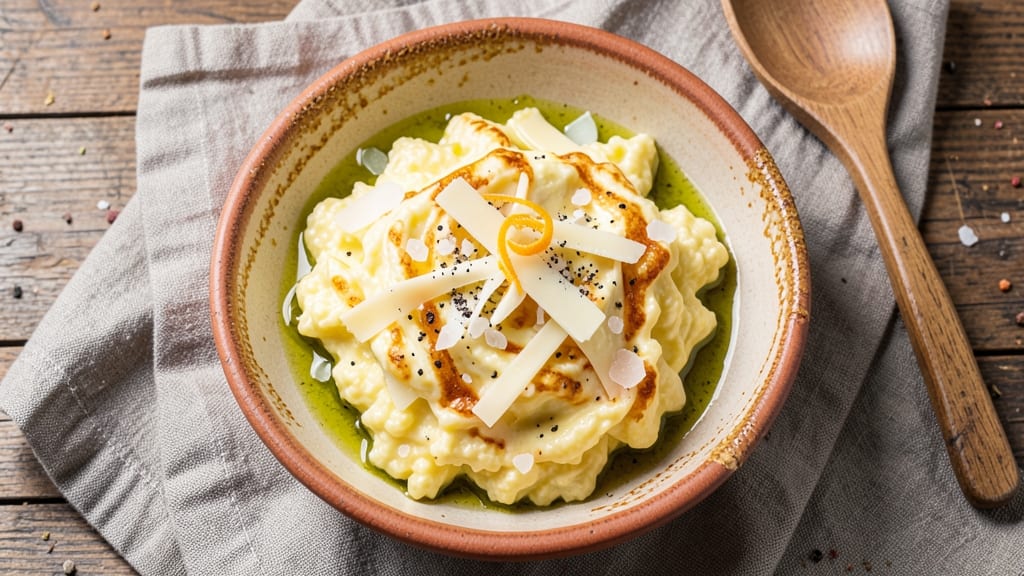
This 3-egg scrambled egg recipe delivers buttery, fluffy perfection in under 5 minutes—no overcooking, no rubbery texture, just restaurant-quality eggs at home. The secret lies in precise heat control and gentle folding, transforming simple eggs into a velvety, golden masterpiece.
I’ve perfected this technique after years of trial and error, ensuring every bite stays tender and rich.
What sets this recipe apart is the foolproof method that guarantees consistent results, whether you’re cooking for one or two. We’ll use medium-low heat and constant stirring to create soft, custardy curds, then finish with a pat of butter for that signature buttery richness.
The process is simple, but the technique makes all the difference—no more dry, overdone eggs here.
Once you master this base, you can customize your eggs with add-ins like sharp cheddar, fresh herbs, or a sprinkle of smoked paprika. The possibilities are endless, but the foundation remains the same: creamy, buttery, and impossibly tender.
This is the scrambled egg recipe I reach for every morning—no shortcuts, just pure, satisfying fluffiness.
Serve them on a toasted bagel, alongside avocado toast, or as part of a brunch spread. The key is plating them immediately while they’re still warm and glossy. Trust me, once you try this method, you’ll never go back to the old way of scrambling eggs. Let’s get started!
Ingredients for 3 egg scrambled egg
Three eggs, butter, and a pinch of salt—these are the ingredients that transform into velvety perfection.
| Ingredient | Amount | Notes |
|---|---|---|
| Large Eggs 🥚 | 3 whole | Room temperature for even cooking |
| Unsalted Butter 🧈 | 2 tbsp | Cold, cut into small pieces |
| Diamond Crystal Kosher Salt 🧂 | ¼ tsp | Fine grain preferred |
| Freshly Ground Black Pepper 🌶️ | ⅛ tsp | Cracked directly over eggs |
| Extra-Virgin Olive Oil 🫒 | ½ tsp | For non-stick coating |
| Sharp White Cheddar Cheese 🧀 | ¼ cup | Shredded, optional add-in |
| Fresh Chives 🌿 | 1 tbsp | Chopped, optional garnish |
| Smoked Paprika 🌶️ | ⅛ tsp | Optional for depth |
The eggs are the star, so room temperature makes all the difference—cold eggs cook unevenly. Kirkland Signature or Pete & Gerry's organic eggs have the best texture for scrambling. Butter isn't just for flavor here—it's the secret to that buttery sheen. European-style unsalted butter like Plugrá or Land O'Lakes has higher fat content, which gives you that restaurant-quality finish. If you're using salted butter, cut back on the kosher salt by half.
No extra-virgin olive oil? Avocado oil works just as well for the non-stick coating. The cheese and herbs are completely optional, but if you're adding them, sharp cheddar melts best—avoid pre-shredded (it contains anti-caking agents that make it grainy). Smoked paprika adds depth without overpowering, but if you're not a fan, fresh herbs like chives or parsley brighten things up. For the pepper, freshly cracked is non-negotiable—pre-ground loses its punch fast.
Keep the butter cold until you're ready to cook—it needs to melt slowly. Scrambled eggs reheat poorly, so make them fresh and serve immediately. The cheese and herbs? Add them in the last 10 seconds to keep them vibrant. If you're making a big batch, cook in small batches—overcrowding kills the tenderness. These eggs are best eaten right away, but if you must reheat, use a low oven (200°F) for 5 minutes—microwaving turns them rubbery.
Why You'll Love This Recipe
- Five-Minute Magic: I swear, this is the kind of recipe where you crack the eggs, melt the butter, and boom—done. No measuring cups, no fancy gadgets, just three eggs, a little salt, and pepper, and you’re golden. Honestly, it’s the kind of breakfast that makes me feel like I’ve won the morning.
- Butter-Pepper Bliss: That first bite of creamy eggs with just a whisper of crispy edges? The butter and olive oil combo makes it taste like a restaurant plate, not something you threw together. Between us, I’ll take this over fluffy pancakes any day—it’s just better.
- Breakfast or Dinner Fix: Scrambled eggs aren’t just for mornings. Serve them with toast for a lazy brunch, or pile them on a sandwich for a quick lunch. I’ve even used them as a protein boost in salads when I’m in a rush. Three eggs stretch further than you’d think, too.
- Leftovers That Don’t Suck: Unlike most breakfast foods, these eggs reheat like a dream—just a splash of water in the pan, and they’re back to creamy perfection. I make a double batch on Sundays, and by Wednesday, I’m still eating them. Budget-friendly? Absolutely. Waste-free? Even better.
Step-by-step instructions for perfect scrambled eggs
Here's how to achieve silky, buttery scrambled eggs in record time—no overcooking, no rubbery texture.
Prepare the Eggs and Equipment
Crack the 3 whole Large Eggs into a medium bowl. I like to use room temperature eggs—they scramble more evenly without breaking. Add the 0.25 tsp Diamond Crystal Kosher Salt and 0.125 tsp Freshly Ground Black Pepper, then whisk vigorously for 15-20 seconds until the yolks and whites are fully combined. The mixture should be uniform with no visible streaks.
While the eggs rest, grab a non-stick 8-inch skillet and place it over medium-low heat. Add the 0.5 tsp Extra-Virgin Olive Oil and swirl to coat the bottom evenly. The oil should shimmer gently—this creates a slick surface that prevents sticking. If you're using the optional 0.25 cup Sharp White Cheddar Cheese, shred it finely now and set it aside.
Melt the Butter and Pour the Eggs
Add the 2 tbsp Unsalted Butter to the skillet in small pieces, letting each piece melt completely before adding the next. The butter should foam and bubble gently—this indicates the right temperature (around 275°F). If the butter browns too quickly, reduce the heat slightly.
Pour the whisked eggs into the skillet, tilting the pan to distribute them evenly. Let them sit undisturbed for 10-15 seconds until the edges begin to set but the centers remain runny. This initial wait prevents over-stirring, which creates tough eggs. If you're using the optional 0.125 tsp Smoked Paprika, sprinkle it lightly over the eggs now.
Gently Fold for Fluffy Texture
Using a silicone spatula, gently push the set edges toward the center of the pan, tilting the pan slightly to let the uncooked egg flow to the edges. Repeat this motion 2-3 times, folding the eggs just until they begin to thicken but aren't fully set. The goal is to create soft, custard-like curds—not dry, stringy strands. This step is where the magic happens: patience ensures that silky texture.
Continue folding for about 30-45 seconds total, checking the consistency frequently. The eggs should be just barely set in the center but still slightly moist. If they look too dry, remove the pan from heat for 5-10 seconds to let residual heat finish cooking them. Overcooking is the enemy of perfect scrambled eggs—once they're fully set, they won't become creamy again.
Finish and Serve Immediately
Once the eggs reach your desired consistency—creamy with just a hint of moisture in the center—remove the skillet from heat. If you're adding the 0.25 cup Sharp White Cheddar Cheese, sprinkle it over the eggs now and fold it in gently with a few quick strokes of the spatula. The residual heat will melt the cheese into a smooth, tangy sauce.
Transfer the eggs to warmed plates and garnish with the 1 tbsp Fresh Chives, chopped into tiny pieces. Serve immediately while the eggs are still warm and tender. The cheese should be melted and evenly distributed, and the chives add a fresh, bright contrast to the rich eggs. Leftovers? Scrambled eggs don't reheat well—they're best enjoyed fresh off the heat.
Pro Tips For Making 3 Egg Scrambled Egg
- Use Two Pans: Three eggs are a tight squeeze in one pan—split them between two 8-inch skillets if you want even cooking and a crispy crust. I learned this the hard way when my first batch turned into a sad, greasy lump in the center.
- Salt the Eggs First: Whisk your eggs in the bowl with a pinch of salt before they hit the pan. The salt dissolves better in the liquid, so every bite gets that balanced flavor instead of just the edges. (Yes, even if you’re impatient like me.)
- Stop Stirring When It’s 80% Done: Let the eggs cook undisturbed for 10–15 seconds after they’ve mostly set—this builds that golden crust. I used to keep stirring and ended up with a mushy pile every time. Trust the process.
- Finish with Olive Oil: Swap the last tablespoon of butter for extra-virgin olive oil when the eggs are nearly done. It adds a bright, fruity note that cuts through the richness—no one will guess it’s a shortcut. (Your future self will thank you.)
Troubleshooting this dish
Butter Overcooking
If your butter turns brown too quickly, you’re cooking at too high a heat. The ideal temperature is around 275°F, where butter foams gently without browning.
I’ve seen this happen when using high-heat settings or thin skillets—both transfer heat too aggressively. Solution: Reduce heat to medium-low and add butter in small pieces, letting each melt completely before adding more.
If it’s already browning, remove the pan from heat for 10-15 seconds to let it cool slightly before continuing. 🌡️
Dry, Rubbery Texture
Over-stirring or high heat causes scrambled eggs to turn dry and rubbery.
The key is patience—let the eggs set slightly at the edges before folding them gently. Solution: Use a silicone spatula to fold the eggs just until they begin to thicken, then remove the pan from heat if they look too dry.
I’ve found that 30-45 seconds of folding is ideal for 3 eggs. If they’re already dry, add a splash of warm milk or cream and fold in quickly to restore moisture.
Uneven Cooking
Cold eggs or inconsistent heat leads to unevenly cooked scrambled eggs—some parts fully set while others remain runny. Solution: Use room temperature eggs and maintain a steady medium-low heat. If your stove has hot spots, use a non-stick 8-inch skillet on the back burner for even heat distribution.
I also recommend swirling the pan occasionally to ensure even cooking. If one side sets faster, reduce heat slightly and let the other side cook through.
Sticking to the Pan
Sticking happens when the pan isn’t hot enough or lacks proper coating. Solution: Heat your skillet until it’s hot, then add 0.5 tsp Extra-Virgin Olive Oil and swirl to coat the bottom evenly. The oil should shimmer gently—this creates a non-stick surface.
If eggs still stick, avoid scraping with a metal utensil; use a silicone spatula and a little extra butter to loosen them. A well-seasoned cast iron skillet also helps prevent sticking over time.
Cheese Not Melting
If you’re adding cheese, it might not melt smoothly if the eggs are too hot or the cheese is pre-shredded (which contains anti-caking agents). Solution: Use freshly shredded sharp white cheddar and add it in the last 10 seconds of cooking.
The residual heat will melt it perfectly. If the cheese clumps, remove the pan from heat and let it sit for 5 seconds to allow the cheese to melt evenly. Stir gently to avoid breaking the curds.
Over-Salting
Too much salt can make scrambled eggs taste bland or overly salty. Solution: Stick to 0.25 tsp Diamond Crystal Kosher Salt for 3 eggs and taste as you go. If you’re unsure, start with half and adjust.
Remember, salted butter counts too—reduce the kosher salt by half if using salted butter. A pinch of black pepper balances the flavor beautifully, so don’t skip it!
Nutrition facts
Frequently asked questions
Why do your scrambled eggs turn out fluffier than store-bought?
The secret lies in gentle heat control and folding technique. Most recipes over-stir, creating tough strands. Instead, we let the eggs set slightly at the edges before folding—this creates soft, custard-like curds. Plus, using room temperature eggs and medium-low heat keeps them moist and tender.
Can I make these scrambled eggs without butter?
Yes, but they won’t be as rich. Replace the butter with 2 tbsp olive oil or avocado oil, though you’ll miss that signature buttery flavor. For a lighter version, use 1 tbsp butter + 1 tbsp oil. The texture will still be creamy, but the finish won’t be as decadent.
How do I adjust this recipe for 1 or 4 eggs?
For 1 egg, reduce butter to 1 tbsp and oil to 0.25 tsp. For 4 eggs, increase butter to 3 tbsp and oil to 1 tsp, but cook in two batches to avoid overcrowding. The key is maintaining the same butter-to-egg ratio—about 2 tbsp butter per 3 eggs.
Can I add cooked bacon or veggies?
Cook your bacon or veggies (like spinach or bell peppers) separately first, then stir them into the eggs during the last 30 seconds of cooking. This prevents them from overcooking and keeps the eggs tender. For bacon, use 2 slices chopped into small pieces for 3 eggs.
Why do my eggs turn out dry even when I follow the steps?
Dry eggs usually mean overcooking or too much stirring. Double-check your heat—it should be medium-low (butter should foam, not brown). Also, remove the pan from heat just before the eggs reach your desired doneness—they’ll finish cooking from residual heat. If they’re still dry, fold in 1 tsp warm milk or cream at the end.