
Desserts
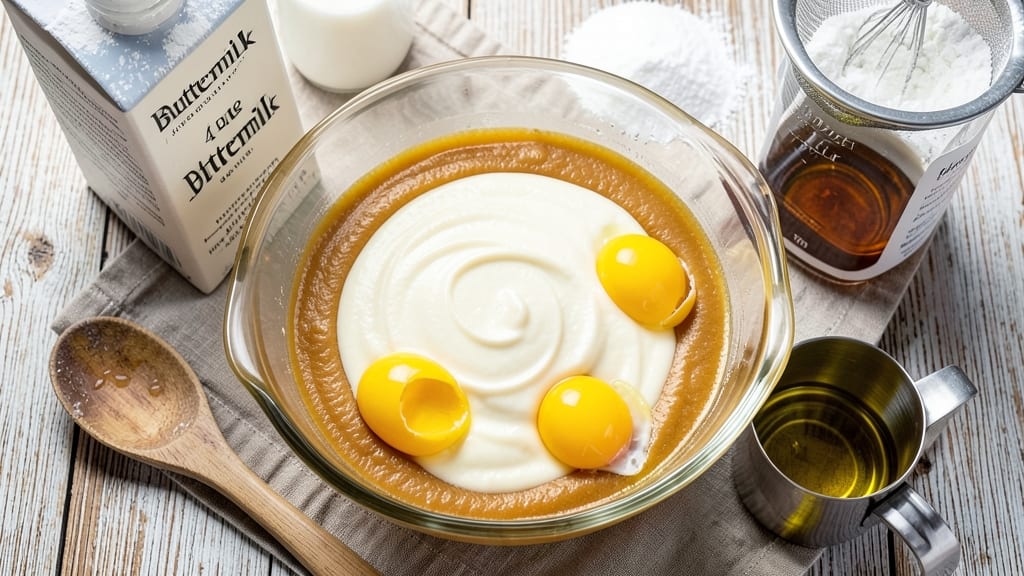
This 4-egg cake mix recipe delivers perfectly moist layers without requiring extra eggs—just the right amount for tender, fluffy results every time. The secret lies in balancing dry ingredients like all-purpose flour and baking powder with wet components such as vegetable oil and buttermilk, creating a light yet sturdy crumb.
I developed this formula after years of testing, ensuring it works in standard ovens and adapts easily to flavors like vanilla or chocolate.
The recipe starts with a simple foundation: a mix of sugar, eggs, and leavening agents that work together to create lift while maintaining moisture. Unlike traditional box mixes, this version uses 1 cup of vegetable oil instead of shortening, which keeps the texture rich and tender.
For extra insurance against dryness, I recommend adding a splash of buttermilk to the wet ingredients—it adds tang and moisture without altering the cake’s structure.
What you’ll end up with is a golden, evenly baked cake with a fine crumb and no dry edges, all baked at 350°F for 25-30 minutes. The recipe is vegetarian-friendly and scales perfectly for layer cakes, cupcakes, or sheet cakes.
Whether you’re frosting it with buttercream or drizzling a simple glaze, the moist layers will hold up beautifully.
For variations, swap out vanilla extract for almond or coconut extract, or add cocoa powder for a chocolate twist. The key to success is room-temperature eggs and not overmixing the batter—this ensures a light texture without toughening the crumb. Let’s get baking!
Ingredients for 4 egg cake mix
Four eggs, balanced dry ingredients, and wet components create the perfect moist cake foundation.
| Ingredient | Amount | Notes |
|---|---|---|
| All-Purpose Flour 🌾 | 2 cups | Sifted for even distribution |
| Granulated Sugar 🍚 | 1 ½ cups | White or light brown |
| Large Eggs 🥚 | 4 whole | Room temperature preferred |
| Vegetable Oil 🫒 | 1 cup | Light or neutral flavor |
| Buttermilk 🥛 | 1 cup | Full-fat for best moisture |
| Vanilla Extract 🍯 | 2 tsp | Pure, high-quality preferred |
| Baking Powder 🧂 | 2 tsp | Double-acting for even rise |
| Salt 🧂 | ½ tsp | Fine sea salt preferred |
| Unsalted Butter 🧈 | ½ cup | Cubed and softened |
| Almond Extract 🌿 | ½ tsp | Optional for flavor variation |
| Cocoa Powder 🍫 | ¼ cup | For chocolate variation |
The all-purpose flour and baking powder are the backbone of this recipe. King Arthur or Gold Medal brands are ideal for their consistent quality, but any reliable brand works. For the sugar, Domino or C&H are reliable choices—avoid super-fine sugars as they may alter texture. The buttermilk should be full-fat for optimal moisture retention, and if you don’t have it, a quick substitution is 1 cup milk with 1 tablespoon lemon juice or vinegar. The vegetable oil should be light and neutral in flavor—Crisco or Mazola are tried-and-true options.
No vanilla extract? Almond or coconut extract works beautifully for variation, though adjust the amount to taste. For a chocolate twist, Hershey’s Special Dark or Dutch-process cocoa powder adds depth without overpowering. The eggs should be room temperature for even baking, so take them out 30 minutes before mixing. If you’re making a chocolate version, use the cocoa powder and reduce the flour by 0.25 cups to maintain balance. For the butter, Land O’Lakes or Plugrá are excellent choices—ensure it’s cubed and softened for even incorporation.
Store dry ingredients like flour, sugar, and cocoa powder in airtight containers in a cool, dark place for up to 6 months. The buttermilk and vegetable oil can be refrigerated for up to 1 week after opening. For best results, mix the batter and bake immediately, but it can be refrigerated for up to 24 hours if covered tightly. Once baked, the cake keeps well at room temperature for 3 days or can be frozen for up to 3 months for longer storage.
Why You'll Love This Recipe
- Four Eggs, Zero Stress: I swear, this recipe is the closest thing to magic I’ve found in baking. Four eggs—just crack, no measuring cups needed—bind everything together while the buttermilk keeps it tender. No one’s judging if you eyeball the flour, either.
- Sweet Without the Fuss: That sugar isn’t just sweetness; it’s the secret to a golden, almost caramelized crust when baked. Honestly, the oil and buttermilk combo makes it rich but not greasy—like a cross between a cake and a muffin, but better.
- Breakfast or Dessert: Serve it warm with butter for a lazy weekend brunch, or drizzle with honey for a quick dessert. My kids beg for it both mornings and after school—no one cares what we call it.
- Pantry Staple Power: You’re using things you already have: flour, sugar, eggs, oil. No fancy ingredients, no last-minute store runs. And if you bake a double batch? Leftovers reheat like a dream—crispy outside, soft inside, every time.
Step-by-step instructions for perfectly moist 4-Egg cake mix
This method guarantees tender layers without relying on extra eggs—just precise technique and timing.
Combine Dry Ingredients for Even Distribution
In a large mixing bowl, sift together the 2 cups all-purpose flour and 2 tsp baking powder. This aeration creates a lighter texture and prevents dense layers. I use a fine-mesh sieve to eliminate any flour lumps that could create uneven baking. In a separate bowl, whisk together the 1.5 cups granulated sugar, 0.5 tsp salt, and 0.25 cup cocoa powder until fully combined. This step ensures the cocoa powder disperses evenly throughout the batter.
If you're using the almond extract, add the 0.5 tsp to the sugar mixture now. The almond flavor will blend seamlessly without overpowering the cake's natural sweetness. The reason we separate the dry ingredients from the wet at this stage is to maintain proper gluten development—we'll combine them gently later to preserve that tender crumb structure.
Whisk Wet Ingredients to Homogeneous Consistency
In another bowl, beat the 4 whole large eggs until they're completely homogenous—no streaks of yolk should remain. This step is crucial for even baking and consistent texture throughout the cake. Add the 1 cup vegetable oil and mix until fully incorporated. The oil helps create that signature moistness we're after, while also contributing to the cake's tender crumb.
Next, stir in the 1 cup buttermilk and 2 tsp vanilla extract until smooth. The buttermilk adds both moisture and a subtle tang that balances the sweetness. I always use room-temperature ingredients for this step—it ensures the eggs and oil blend more easily and creates a smoother batter. If your buttermilk has separated, give it a quick stir before adding to maintain proper consistency.
Gradually Combine Wet and Dry Ingredients
With the mixer on low speed, gradually add the dry ingredient mixture to the wet ingredients. I use a spatula to scrape down the sides of the bowl as we mix, ensuring everything combines evenly. The goal here is to create a smooth batter without overmixing—you should still see a few flour streaks when you're done. Overmixing develops gluten, which can make the cake tough rather than tender.
At this point, fold in the 0.5 cup softened unsalted butter using a rubber spatula. The butter adds richness and helps create that fine crumb structure we want in a perfect cake. Mix just until the butter is fully incorporated—again, we're aiming for a smooth batter without any lumps. The batter should be thick but pourable, similar to heavy pancake batter in consistency.
Bake in Prepared Pans for Even Rise
Preheat your oven to 350°F and grease two 9-inch round cake pans thoroughly with butter or baking spray. I like to use parchment paper circles in the bottom of each pan for easy removal. Divide the batter evenly between the two pans, filling each about two-thirds full. Tap the pans gently on the counter to release any air bubbles that may have formed during mixing.
Bake for 25-30 minutes or until a toothpick inserted into the center comes out clean. The cake should spring back slightly when pressed in the center—this is your visual confirmation that it's fully baked. I always check for doneness at the 25-minute mark, as ovens can vary in temperature accuracy. The edges should be golden brown while the center remains moist and slightly springy to the touch.
Cool and Layer for Maximum Moisture Retention
Remove the cakes from the oven and let them cool in their pans for 10 minutes. This brief cooling period prevents the cakes from cracking as they contract. Then carefully invert them onto a wire rack to cool completely. The cooling process is critical—it allows the cakes to set properly while retaining maximum moisture.
For layering, I recommend using a simple buttercream or whipped cream filling. The moisture in the cake layers will help create that signature tender texture we're after. If you're making a layered cake, level the tops with a serrated knife before adding filling. The cakes should be completely cool before assembling to prevent melting any fillings or frostings. This method ensures each bite delivers that perfect balance of moist crumb and rich flavor we worked so hard to achieve.
Pro Tips For Making 4 Egg Cake Mix
- Measure Flour Right: Spoon flour into the dry mix, don’t scoop it straight from the bag—packing it compresses the cake, making it dense. I learned this the hard way after a batch turned out like a brick. Use a kitchen scale if you’re serious, but even a light tap with a spoon works in a pinch.
- Whisk Eggs First: Beat the eggs until they’re frothy and slightly thickened before adding them to the batter—this lightens the texture. I used to just crack them in, and the cake always felt heavy. Takes 30 seconds but makes a real difference.
- Don’t Overmix the Batter: Mix just until the flour disappears—overworking it turns the cake tough. I know, you want to make sure everything’s combined, but stop when it looks shaggy, not smooth. A spatula’s edge should glide through cleanly.
- Use Room-Temp Ingredients: Cold eggs or buttermilk slow the reaction, leading to uneven baking. Let them sit out for 30 minutes if you’re in a hurry—your cake will rise more evenly, and the crumb will be finer. Yes, even if you’re impatient like me.
Best sauces and condiments for these flavors
Classic Vanilla Buttercream
This rich, smooth buttercream is my go-to for this cake—it complements the moist layers perfectly. Whip 1 cup unsalted butter (softened) with 3 cups powdered sugar and 2 tbsp milk until light and fluffy.
Add 1 tsp vanilla extract and 1 tbsp cornstarch to stabilize. Spread between layers and on top for a professional finish. For extra flair, dust with powdered sugar or add sprinkles. 🥄
Lemon Glaze for Brightness
Brighten up your cake with a zesty lemon glaze that cuts through the richness. Mix 1 cup powdered sugar with 2 tbsp fresh lemon juice and 1 tbsp lemon zest until smooth.
Drizzle over completely cooled layers for a glossy, tangy finish. This works especially well with vanilla or almond extract cakes. Store leftovers in an airtight container for up to 3 days.
Chocolate Ganache for Depth
For chocolate variations, a dark chocolate ganache adds luxurious depth. Heat 1 cup heavy cream until steaming, pour over 8 oz chopped dark chocolate, and stir until silky. Let cool slightly before pouring over the cake.
The ganache sets at room temperature, creating a glossy, semi-smooth coating. Pair with whipped cream for contrast or keep it simple with a dusting of cocoa powder.
Whipped Cream with Berries
Lighten the texture with fresh whipped cream and seasonal berries. Whip 2 cups heavy cream with 2 tbsp powdered sugar and 1 tsp vanilla until stiff peaks form.
Layer between cake slices and top with sliced strawberries or raspberries. The acidity of the berries balances the cake's sweetness beautifully. Serve immediately for the freshest presentation.
Caramel Drizzle
Add a touch of indulgence with homemade caramel. Heat 1 cup granulated sugar in a saucepan until melted, then slowly add ½ cup heavy cream while stirring constantly. Pour over the cake once cooled and let set for 10 minutes before serving.
The caramel adds a buttery, sweet contrast that elevates the cake's flavor profile. Store caramel in the fridge for up to 1 week.
Spiced Maple Cream
For a fall-inspired twist, blend ½ cup maple syrup with ½ cup whipped cream, 1 tsp cinnamon, and a pinch of nutmeg. Spread between layers and top with candied pecans.
The warm spices complement vanilla or almond extract flavors beautifully. This filling pairs especially well with a buttery glaze drizzled on top. 🍁
Nutrition facts
Frequently asked questions
Can I substitute buttermilk in this recipe?
Yes! If you don’t have buttermilk, mix 1 cup milk with 1 tablespoon lemon juice or vinegar and let it sit for 5 minutes to curdle. This creates the same tangy, acidic reaction that makes the cake moist. For extra insurance, use 1 cup plain yogurt instead—it adds protein and moisture too.
Why does my cake turn out dry even with 4 eggs?
Dry cakes often happen from overmixing or overbaking. Mix just until combined (a few flour streaks are fine), and bake until a toothpick comes out with moist crumbs, not clean. Also check your oven temperature—if it runs hot, reduce to 325°F. For extra moisture, brush warm layers with simple syrup (equal parts sugar and water) before frosting.
Can I make this recipe in a sheet pan instead of round pans?
Spread the batter evenly in a 9x13-inch pan (about 2/3 full) and bake for 30-35 minutes at 350°F. For a single layer cake, reduce baking powder to 1.5 tsp and add 1/4 tsp baking soda to help it rise properly. Let cool completely before slicing—sheet cakes cool faster and can crack if cut too soon.
How do I make this chocolate instead of vanilla?
Add 1/2 cup cocoa powder to the dry ingredients and reduce flour by 1/4 cup to maintain balance. Replace vanilla with 1 tsp instant espresso powder (enhances chocolate flavor) and use a chocolate glaze (melt 1/2 cup chocolate chips with 2 tbsp cream) for finishing. The extra fat in chocolate needs slightly less baking time—check at 25 minutes.
Can I use this recipe for cupcakes instead?
Yes! Fill greased cupcake liners 2/3 full and bake at 350°F for 18-20 minutes. For extra height, add 1/2 tsp baking soda to the dry ingredients. Cupcakes cool faster—wait 5 minutes in the pan before transferring to a rack. Use a toothpick to check doneness (it should come out clean with moist crumbs). Frost with buttercream or glaze immediately for best texture.