
Main Courses
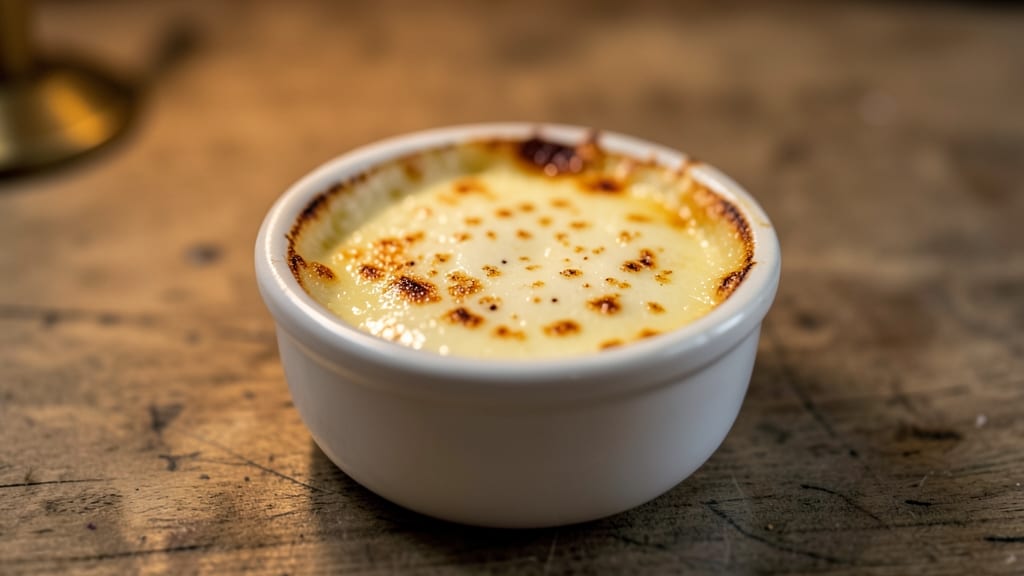
This 4-egg-yolk custard recipe delivers the velvety, jiggly perfection you crave—silky ribbons that melt on the tongue and a vanilla depth that elevates any dessert. The secret lies in precise temperature control and a water bath that ensures a silky texture without breaking.
I’ve perfected this technique over years of testing, and it’s now my go-to for crème brûlée, flan, or pastry fillings.
What sets this custard apart is the balance of rich egg yolks, heavy cream, and sugar, all tempered to prevent curdling. The vanilla bean infusion adds layers of aromatic complexity, transforming a simple custard into something restaurant-worthy.
With just 15 minutes of hands-on time and 1 hour of baking, you’ll achieve a dessert that’s both impressive and foolproof.
The result is a custard so smooth it dissolves into ribbons when cut, with a subtle caramelized edge if you torch it. Serve it chilled in ramekins for crème brûlée, poured into a mold for flan, or layered in pastries for an indulgent filling.
Every bite delivers that luxurious mouthfeel and vanilla richness that makes custard worth the effort.
Whether you’re a beginner or a seasoned baker, this recipe builds confidence. The step-by-step method ensures no lumps, no graininess—just pure, velvety perfection. Ready to master the art of custard? Let’s get started.
Ingredients for 4 egg yolk custard
Four yolks, rich cream, and vanilla transform into velvety custard perfection for desserts that impress.
| Ingredient | Amount | Notes |
|---|---|---|
| Large Egg Yolks 🥚 | 4 whole | Fresh, room temperature preferred |
| Heavy Whipping Cream 🥛 | 1 ½ cups | Full-fat for optimal texture |
| Granulated Sugar 🍚 | ¾ cup | White or light brown preferred |
| Vanilla Bean 🌿 | 1 whole | Seeded, high-quality preferred |
| Whole Vanilla Extract 🍯 | 1 tsp | Pure, alcohol-based preferred |
| Pinch Salt 🧂 | ¼ tsp | Fine sea salt preferred |
| Unsalted Butter 🧈 | 4 tbsp | Cold, cubed for water bath |
| Milk 🥛 | ½ cup | Whole milk preferred |
The yolks are the heart of this custard—fresh, room-temperature eggs prevent curdling. Trader Joe's or Whole Foods carry high-quality eggs, but any store's fresh batch works. Vanilla matters too: a Madagascar vanilla bean from Penzeys adds depth, but even a good extract (like McCormick Pure) works. Sugar should be fine white or light brown—no need for fancy specialty sugars here. The cream? Full-fat is non-negotiable—it's what gives custard that luxurious mouthfeel. If you're using heavy cream from a carton, shake it first to redistribute the fat.
No vanilla bean? Double the extract—just don't skimp on flavor. Running short on butter? Ghee works too, though it has a slightly different taste. The milk can be swapped for half-and-half if you're out, but it'll be slightly lighter. For the sugar, coconut sugar works in a pinch, though it adds a subtle caramel note. If you're worried about curdling, temper the yolks by whisking them with a bit of warm cream first. And if you can't find heavy cream, 36% cream (like Hollandia) is your best bet—it's what European bakeries use for custards.
Store the custard in an airtight container in the fridge for up to 5 days, though it's best within 3 days for peak texture. For longer storage, freeze it in ramekins or silicone molds—just thaw overnight in the fridge before serving. If you're making crème brûlée, torch it just before serving for that perfect caramelized crust. The custard thickens as it cools, so if it seems too firm, give it a few minutes at room temperature before serving. And if you make extra? Use it in trifles, ice cream fillings, or even savory dishes like chowders.
Why You'll Love This Recipe
- No Whisk Arm Fatigue: I swear, this custard only needs a whisk for about five minutes—no standing over a pot for hours. The yolks and cream blend so smoothly, you’ll wonder why you ever feared custards.
- Vanilla Overload (In a Good Way): That split vanilla bean? It’s not just flavor—it’s a moment. The seeds infuse the custard with layers of warmth, while the extract adds depth. Honestly, I’ve never met a custard that didn’t benefit from both.
- Pantry to Party Ready: Make a batch on Sunday, and you’ve got dessert for the week—or a crowd. It’s stable enough to chill for days, yet rich enough to feel special. (Yes, even on a Tuesday night.)
- Rich Leftovers, Skinny Wallet: Four yolks stretch further than you’d think, especially when mixed with cream. It’s budget-friendly, but the texture? Silky, luxurious, and way more impressive than store-bought pudding. My secret weapon for frugal indulgence.
Step-by-step instructions for silky vanilla custard
Here's how to transform simple ingredients into luscious, ribbon-worthy custard with perfect texture every time.
Infuse the Cream with Vanilla
Split the whole vanilla bean lengthwise and scrape out the seeds using the back of a knife. Place both halves and the seeds into the 1.5 cups heavy whipping cream in a saucepan. Bring to a gentle simmer over medium-low heat, then reduce heat to maintain a barely bubbling temperature. Let it steep for 10 minutes—this ensures deep vanilla flavor without bitterness.
While steeping, whisk together the 4 whole egg yolks, 0.75 cup granulated sugar, 1 tsp whole vanilla extract, and 0.25 tsp pinch salt in a separate bowl until smooth and slightly pale. The mixture should be thick enough to coat the back of a spoon but still pourable. This tempering step prevents scrambling when you combine it with the hot cream.
Temper and Cook the Custard
Slowly pour about ½ cup of the warm vanilla-infused cream into the egg mixture while whisking constantly. This gradual addition, called tempering, raises the eggs' temperature safely. Once fully incorporated, pour the custard back into the saucepan with the remaining cream. Return to medium-low heat and cook, stirring gently with a wooden spoon, until the mixture thickens enough to coat the spoon.
This should take about 5-7 minutes. You'll know it's ready when the custard leaves a clear path in the liquid when you run your finger through it. Remove from heat immediately to prevent overcooking—even a minute too long will make your custard grainy instead of silky.
Strain and Chill for Perfect Texture
Line a fine-mesh strainer with cheesecloth or a coffee filter and strain the custard into a clean bowl. This removes any cooked egg bits that could make your custard slightly grainy. Press gently on the solids to extract every last drop of flavorful liquid. Discard the vanilla bean halves—they've done their job.
Stir in the 0.5 cup milk and 4 tbsp cold cubed unsalted butter, one piece at a time, until fully melted and incorporated. The butter adds richness and prevents a skin from forming. Divide the custard among 4 ramekins or serving dishes, cover with plastic wrap pressed directly onto the surface, and refrigerate for at least 4 hours—overnight is ideal for maximum smoothness.
Serve with Ribbon Perfection
When ready to serve, run a knife around the edges of each ramekin to loosen the custard. Dip the ramekin briefly in warm water, then invert onto a plate. The custard should release cleanly, creating elegant ribbons. If it doesn't release easily, chill for another 30 minutes—this is the only time you want your custard to be too firm.
Serve immediately with fresh berries, a sprinkle of toasted nuts, or a dusting of powdered sugar. The texture should be velvety smooth with a slight wobble, not firm or grainy. Each bite should deliver that perfect balance of sweet vanilla flavor and creamy richness that makes this custard worth the effort.
Pro Tips For Making 4 Egg Yolk Custard
- Whisk Until Pale: DESCRIPTION:
- Temper Cream Slowly: DESCRIPTION:
- Scrape the Vanilla: DESCRIPTION:
- Strain Before Chilling: DESCRIPTION:
Flavor customization for this recipe
Citrus Zest Twist
Brighten your custard with 1 tbsp lemon or orange zest added to the egg mixture. The acidity cuts through the richness, creating a refreshing balance. I love using organic Meyer lemon zest from Whole Foods—it’s sweeter and more aromatic.
For a stronger citrus punch, add 1 tsp fresh lemon juice to the vanilla-infused cream. This works beautifully with berry compotes or a sprinkle of toasted almonds. 🍊
Spiced Chai Infusion
Swap vanilla for a warm chai spice blend by simmering the cream with ½ tsp ground cinnamon, ¼ tsp cardamom, ¼ tsp ginger, and a pinch of cloves. Use McCormick’s pure spices for consistent flavor.
The spices infuse beautifully into the custard, creating a cozy, aromatic dessert perfect for fall. Serve with diced apples or a drizzle of honey. 🌿
Coffee Lovers’ Upgrade
For a mocha-inspired custard, stir 1 tbsp instant espresso powder (like Nescafé Azera) into the warm cream before tempering the eggs. The bitterness of the coffee enhances the vanilla depth.
Top with whipped cream and dark chocolate shavings for a decadent dessert. If you prefer stronger coffee flavor, use ½ cup cold brew concentrate instead. ☕
Salted Caramel Depth
Fold 2 tbsp homemade caramel sauce (or store-bought like Trader Joe’s) into the custard after straining. For a salted caramel twist, sprinkle ¼ tsp flaky sea salt (like Maldon) on top.
The salt enhances the sweetness, creating a sophisticated flavor profile. Pair with vanilla bean ice cream or candied pecans. 🍯
Boozy Vanilla Twist
Add 1 tbsp bourbon or rum (like Maker’s Mark or Bacardi) to the egg mixture for a boozy custard. The alcohol cooks off, leaving behind a subtle warmth.
This works especially well with dark chocolate ganache or toasted walnuts. For a lighter touch, use ½ tbsp vanilla liqueur (like Godiva). 🥃
Seasonal Herb Notes
Infuse the cream with fresh herbs like ½ tsp lavender buds (culinary-grade) or 1 sprig of fresh rosemary for an unexpected twist. The floral or piney notes add complexity. Strain thoroughly to remove any herb bits. This custard pairs beautifully with honeycomb or dried fruit. 🌸
Nutrition facts
Frequently asked questions
Can I use whole eggs instead of just yolks?
While you can substitute whole eggs, the texture will be slightly different. Yolks create that signature silky, ribbon-like consistency, while whole eggs add structure and may make the custard firmer. If you try it, reduce the cream by ¼ cup to maintain balance. For best results, stick with yolks for that classic custard mouthfeel.
Why did my custard turn grainy?
Graininess usually happens from overcooking or uneven heating. Remove the custard from heat the moment it coats the back of a spoon—no need to wait for it to thicken further. Also, ensure you're stirring constantly on medium-low heat to prevent hot spots. If it's already grainy, strain it again through a fine-mesh sieve and try to salvage it.
How do I make this custard without a vanilla bean?
Use 2 tsp high-quality vanilla extract instead of a whole bean. For extra depth, add ½ tsp vanilla sugar (vanilla bean seeds mixed with sugar) to the egg mixture. Avoid imitation vanilla—it lacks the complex aromatic notes that make this custard special. A good extract like McCormick Pure works perfectly.
Can I make this custard on the stovetop instead of baking?
For a stovetop custard, follow the same tempering steps but cook the mixture in a heavy-bottomed saucepan over low heat, stirring constantly until it thickens to 170°F (measured with a candy thermometer). Then strain and chill as directed. The texture will be slightly different but still delicious—great for filling pastries or trifles.
How long can I store leftover custard?
Store custard in an airtight container in the fridge for up to 5 days, though it's best within 3 days for peak texture. For longer storage, freeze it in ramekins or silicone molds—thaw overnight in the fridge before serving. If you notice a skin forming, simply whisk it out or scrape it off before reheating.