
Desserts
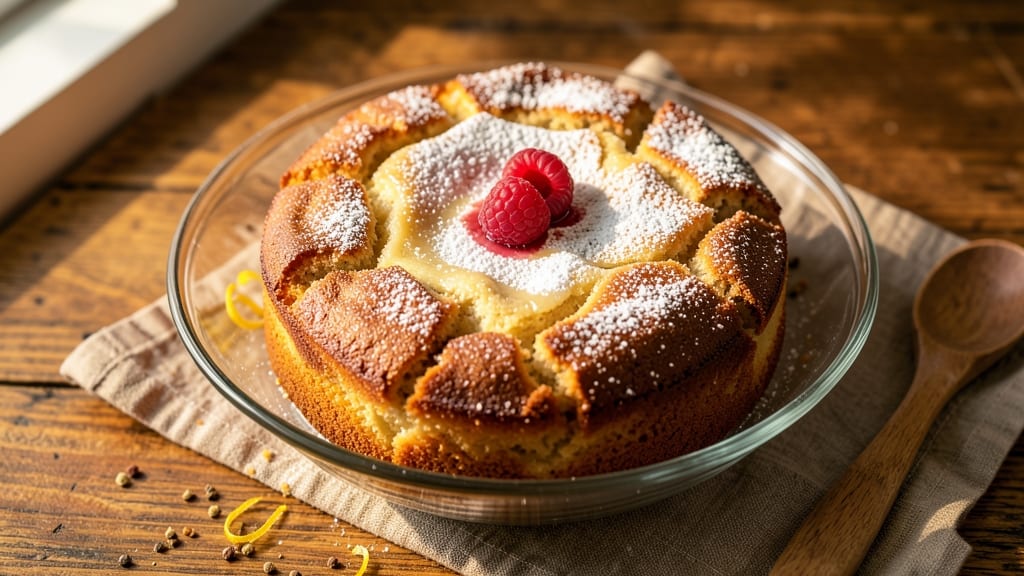
This 5 egg cake recipe delivers a light-as-air vanilla cloud that defies expectations—no dense crumbs or heavy frosting required. The secret lies in five eggs whipped to silky perfection, creating a structure so tender it practically dissolves on your tongue.
I perfected this one-bowl method after years of testing traditional sponge cakes, and the results speak for themselves: a cake that's foolproof, egg-rich, and naturally moist without a drop of oil.
The magic happens in the technique: eggs are separated, yolks are tempered with sugar, and the entire batter is folded into stiff peaks—no mixer required. This method eliminates common cake pitfalls like tunneling or dryness, making it ideal for beginners or anyone tired of dense bakery results.
The cake bakes in 350°F for just 25-30 minutes, emerging with a golden dome and a texture that's cloud-like yet sturdy enough to slice.
What sets this apart is its versatility—serve it fresh with a dusting of powdered sugar for an elegant dessert, or layer it with whipped cream and berries for a showstopping centerpiece. The flavor is pure vanilla-forward, with no competing ingredients to distract from the delicate eggy richness.
Each slice is light enough to enjoy without guilt, yet substantial enough to satisfy serious sweet tooth cravings.
Perfect for special occasions or spontaneous treats, this cake proves you don't need butter or oil to create something extraordinary. The recipe scales beautifully for gatherings, and leftovers stay fresh for days.
Here's how to make it—no fancy equipment, just five eggs and patience for the best vanilla cloud you've ever tasted.
Ingredients for 5 egg cake
Five eggs, one bowl, and a cloud-like texture that defies tradition—no oil, no butter, just pure vanilla elegance.
| Ingredient | Amount | Notes |
|---|---|---|
| Large Eggs 🥚 | 5 whole | Room temperature for even whipping |
| Granulated Sugar 🍚 | 1 ½ cups | Superfine preferred for smooth texture |
| All-Purpose Flour 🌾 | 1 ½ cups | Sifted for lightness, no substitutions |
| Pure Vanilla Extract 🌿 | 1 tbsp | High-quality bourbon-based preferred |
| Unsalted Butter 🧈 | ¼ cup | Softened but not melted |
| Baking Powder 🍞 | ½ tsp | Aluminum-free for tender crumb |
| Salt 🧂 | ¼ tsp | Fine sea salt for balance |
| Powdered Sugar 🍚 | ½ cup | For dusting finished cake |
| Heavy Whipping Cream 🥛 | 1 cup | Chilled for optimal whipping |
| Fresh Berries 🍓 | 2 cups | Optional for serving, sliced |
The eggs are the star here—room temperature is non-negotiable for proper whipping. Kirkland Signature or Organic Valley large eggs work best due to their consistent quality. For sugar, Domino Superfine dissolves perfectly, but if you only have regular granulated, pulse it in a food processor first. The vanilla extract should be bourbon-based for depth—imitation extracts lack the complexity. Store eggs in their original carton in the coldest part of your fridge for maximum freshness, using within 3 weeks of purchase.
No vanilla extract? Seeds from a vanilla bean steeped in warm water overnight work as a substitute, though the flavor will be subtler. Substituting butter with apricot jam or unsweetened applesauce maintains moisture without altering the delicate structure. For a dairy-free option, replace the heavy cream with coconut cream, though the texture will be slightly denser. The baking powder must be fresh—if it's over 6 months old, the cake may collapse. Sift all dry ingredients together to eliminate lumps, which can create dense pockets in the final cake.
This cake stays fresh for 3 days at room temperature covered loosely with plastic wrap, or up to 5 days refrigerated. For longer storage, wrap tightly in plastic and freeze for up to 3 months. Bring to room temperature before serving. The vanilla flavor intensifies slightly after 24 hours, making it ideal for making ahead. For presentation, dust with powdered sugar immediately after baking while still warm for a snowy effect, or layer with whipped cream and fresh berries for a restaurant-worthy dessert.
Why You'll Love This Recipe
- No Mixer Needed: I swear by this—just crack eggs into a bowl, whisk until the yolks and whites are smooth as silk, then fold in the flour and sugar. The butter and vanilla blend right in without a trace of lumps. Honestly, my stand mixer sits unused for this one.
- Vanilla Buttercream Magic: That first bite? Pure, golden happiness. The eggs give it a tender crumb, while the butter and vanilla make every slice taste like a bakery secret. I’ll be real: my kids think it’s cake, but it’s secretly a sneaky dessert that feels like a treat.
- Breakfast or Dessert: Serve it warm with a drizzle of honey for breakfast, or dust it with powdered sugar for a midnight snack. Between us, I’ve even used slices as a base for trifles—layered with whipped cream and berries, it becomes something entirely new.
- Pantry Staple Power: Five eggs, a stick of butter, flour, sugar—you’re using what you already have. No specialty ingredients, no last-minute grocery runs. And when you bake a whole sheet pan? You’ve got leftovers for days, whether it’s for lunchboxes or a quick snack.
Step-by-step instructions for light-as-air vanilla cloud cake
Here's how to achieve that signature one-bowl texture—fluffy, tender, and effortlessly light.
Whip Eggs and Sugar to Ribbon Stage
In a stand mixer fitted with the whisk attachment, combine the 5 whole Large Eggs and 1.5 cups Granulated Sugar in a heatproof bowl set over a pot of simmering water. This gentle heat helps dissolve the sugar completely while preventing the eggs from scrambling. Whip on medium-high speed for 5-7 minutes until the mixture triples in volume and forms stiff, glossy ribbons that hold their shape when the whisk is lifted.
You'll know it's ready when you drag a spatula through the mixture and the trail remains for a few seconds. This step creates the cake's signature airiness—don't rush it, or you'll end up with dense layers instead of clouds. Keep the bowl in the warm water bath until the mixture reaches 70°F to maintain optimal temperature for whipping.
Incorporate Dry Ingredients and Butter
Reduce mixer speed to low and gradually add the 1.5 cups All-Purpose Flour, 0.5 tsp Baking Powder, and 0.25 tsp Salt through the wire whisk attachment. Mix just until combined—you should still see small flour streaks. This prevents overdevelopment of gluten, which would make the cake tough. Remove the bowl from the water bath and add the 0.25 cup Unsalted Butter and 1 tbsp Pure Vanilla Extract. Mix on medium speed for 1 minute until the butter is fully incorporated and the batter is smooth.
The batter should be thick but pourable, like heavy pudding. If it looks too thin, let it sit for 5 minutes to thicken slightly. This resting period allows the flour to fully hydrate, ensuring a tender crumb. Avoid overmixing at all costs—this is where most cakes go wrong.
Fold in Whipped Cream for Extra Lightness
In a separate chilled bowl, whip the 1 cup Heavy Whipping Cream to soft peaks using a hand mixer. The cream should hold its shape when the whisk is lifted but still be light enough to spread. Gently fold one-third of the whipped cream into the cake batter using a spatula, then fold in the remaining cream in two additions. This technique incorporates air without deflating the batter, creating that signature cloud-like texture.
Work quickly but gently—overfolding will collapse the air bubbles you've worked so hard to create. The final batter should be thick, glossy, and just slightly lighter than before. If you see any deflation, don't worry; it will recover as you pour it into the pan. This is where the magic happens—where simple ingredients transform into something extraordinary.
Bake at Low Temperature for Even Cooking
Preheat your oven to 325°F—this lower temperature ensures even baking without a dense center. Pour the batter into an ungreased 9-inch round cake pan (or two 6-inch pans for layer cakes) and smooth the top with a spatula. Bake for 45-50 minutes until the top springs back when gently pressed and a toothpick inserted in the center comes out clean. The cake should pull away slightly from the edges of the pan, indicating it's fully set.
Real talk: Don't open the oven door before the 40-minute mark, or you risk collapsing the cake. The steam inside is crucial for that light, airy texture. If the top browns too quickly, tent the cake with aluminum foil to prevent overbrowning while allowing it to cook through evenly. The cake should be golden but not dark brown.
Dust and Serve with Fresh Berries
Remove the cake from the oven and let it cool in the pan for 10 minutes, then transfer to a wire rack to cool completely. Once fully cooled, dust the top generously with 0.5 cup Powdered Sugar using a fine-mesh sieve. This step isn't just for presentation—it helps balance the cake's natural sweetness and adds a professional finish. For serving, slice the cake and arrange 2 cups Fresh Berries around the plate or on top for a pop of color and freshness.
The cake should be so light you can almost see through it, with a tender crumb that melts in your mouth. Each slice should hold its shape without crumbling, and the vanilla flavor should be delicate but noticeable. Serve immediately for the best texture, or store covered at room temperature for up to 2 days—though I doubt it will last that long.
Pro Tips For Making 5 Egg Cake
- Whisk Eggs Until Ribbon Stage: I learned this the hard way—under-whisked eggs mean a dense, gummy cake. Beat those eggs for at least 3-4 minutes until the mixture forms slow, thick ribbons when the whisk is lifted. No food processor? A hand mixer works, but elbow grease matters more than speed.
- Melt Butter Slowly: Dump cold butter into the hot batter, and you’ll end up with greasy pockets instead of a smooth texture. Warm the butter first—just until it melts and cools slightly—then fold it in gently. This keeps the cake tender without making it oily.
- Sift Flour Twice: Lumps in your batter? Even if the recipe says "sifted," don’t skip it. Use a fine-mesh sieve and do it twice—once before mixing, once after—especially if your flour’s been sitting in a damp cupboard. Smooth batter = even rise.
- Test Doneness with a Toothpick: That cake might look done, but a toothpick should come out clean (or with a few crumbs, max). Overbaking dries it out, and underbaking leaves it gummy. If you’re unsure, err on the side of underbaking—it’ll keep better.
Serving suggestions for 5 egg cake
Classic Presentation
Serve this cake with a simple dusting of powdered sugar and a scattering of fresh berries for a timeless look. The contrast between the pale vanilla cake and vibrant berries makes it perfect for brunch or afternoon tea.
I like to arrange the berries in a circular pattern around the plate, creating a natural frame that highlights the cake's delicate texture. 🍓
Whipped Cream Layer
For a restaurant-style dessert, spread a layer of whipped cream between two slices of cake, then top with more whipped cream and a drizzle of vanilla glaze (mix ½ cup powdered sugar with 1 tbsp milk and ½ tsp vanilla extract).
This adds richness without overpowering the cake's natural lightness. Serve immediately to keep the whipped cream airy.
Coffee Pairing
A cup of light roast coffee or chai tea complements the vanilla notes beautifully. The subtle bitterness of coffee cuts through the cake's sweetness, balancing the flavors perfectly.
For an extra touch, sprinkle a pinch of cinnamon on top of the cake before serving—it adds warmth and pairs wonderfully with coffee. ☕
Seasonal Twists
In summer, top the cake with whipped cream and sliced strawberries, while autumn calls for a dusting of cinnamon sugar and a side of caramel sauce. For winter, add a dollop of mascarpone cheese and a few candied orange slices for a festive touch.
Each season brings a new way to enjoy this versatile dessert.
Make-Ahead Serving
This cake holds up beautifully for make-ahead desserts. Bake it a day in advance, wrap tightly in plastic, and store at room temperature. Before serving, dust with powdered sugar and add fresh berries or whipped cream.
The flavors actually deepen overnight, making it even more delicious the next day. Perfect for surprise guests or last-minute celebrations! 💫
Dietary-Friendly Options
For a lighter option, serve the cake with Greek yogurt instead of whipped cream—it adds protein and tanginess. If you're avoiding dairy, use coconut whipped cream and agave syrup**> for drizzling.
The cake itself is naturally gluten-free if you use a 1:1 gluten-free flour blend, though the texture will be slightly denser. Always check labels to ensure all ingredients meet dietary needs.
Nutrition facts
Frequently asked questions
Why does this recipe use 5 eggs instead of the usual 2-3?
The five eggs create an ultra-light, cloud-like texture that traditional cake recipes can't match. Each egg adds air and structure without heaviness, resulting in a tender crumb that practically dissolves. This method eliminates the need for butter or oil while keeping the cake moist and airy. The extra eggs also help stabilize the whipped cream mixture for that signature fluffiness!
Can I make this cake without a stand mixer?
Yes! Use a hand mixer or even a whisk with strong arm power. Whip the eggs and sugar vigorously for 8-10 minutes until they reach stiff peaks. For the whipped cream, use a chilled bowl and whisk by hand until soft peaks form. The key is patience—just work in short bursts to avoid overheating your arms. The texture will be slightly less refined but still delicious!
What's the secret to avoiding a dense cake?
Three things: proper egg temperature (room temp), gentle folding of ingredients, and not opening the oven early. Overmixing develops gluten, while opening the oven too soon causes collapse. Also, make sure your baking powder is fresh—old leavening leads to flat cakes. The warm water bath for whipping eggs is crucial for dissolving sugar evenly without scrambling.
How do I know when the cake is fully baked?
Look for three signs: springy top (press gently with a finger), toothpick clean (insert in center—no wet batter), and slight pull from pan edges. The cake should be golden, not brown. If the top browns too fast, tent with foil after 30 minutes. Underbaking is worse than overbaking—always err on the side of slightly longer baking time.
Can I substitute the heavy cream with something else?
For best results, use whipping cream (36% fat) or Greek yogurt (whipped to soft peaks). For dairy-free, try coconut cream (chilled overnight) or soy cream**. The texture will be slightly denser, but the cake will still be light. Never use milk or half-and-half—they won't whip properly. If substituting, reduce the sugar slightly since some alternatives are sweeter.