
Desserts
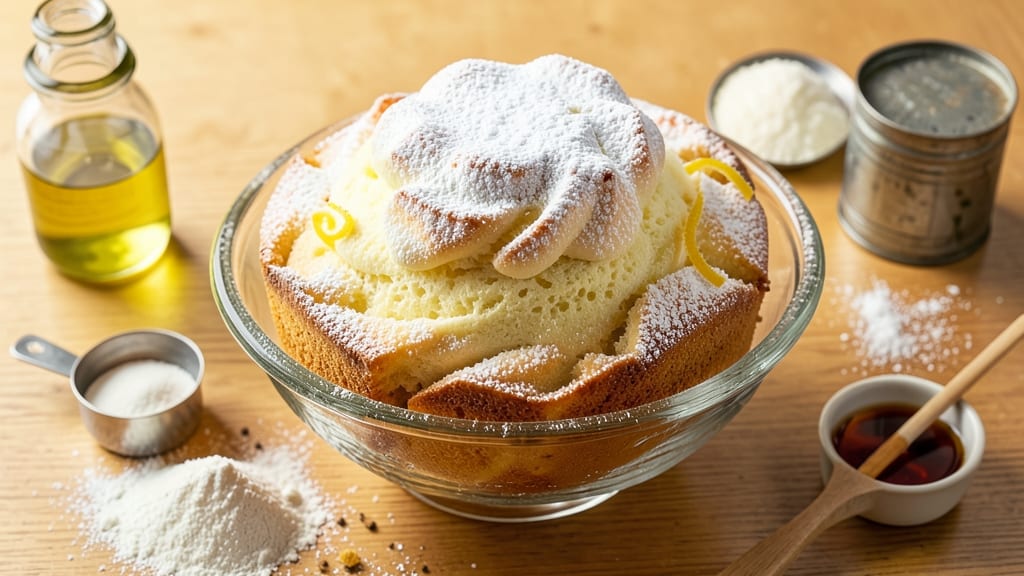
A 6-egg cake transforms ordinary baking into something extraordinary—light as a cloud yet sturdy enough to hold layers of frosting without collapsing. The secret lies in precise technique: folding eggs into dry ingredients at just the right moment to create air pockets that make this cake impossibly tender.
Unlike traditional recipes, this version skips butter entirely, relying instead on the natural richness of eggs and a touch of oil for moisture without density.
The foundation of this recipe is a foolproof method that balances structure and airiness, ensuring every slice has that signature fluffy texture.
You’ll work with simple ingredients—flour, sugar, eggs, and a splash of vanilla—but the magic happens in the folding process, where patience pays off in a cake that’s light enough to melt in your mouth yet sturdy enough to slice cleanly.
No special equipment is needed, just a mixing bowl and a gentle hand.
What you’ll end up with is a cake so light and airy it defies expectations, yet rich enough to satisfy even the most discerning palates. The layers hold their shape without crumbling, making it perfect for stacking with frosting or fresh fruit.
Whether you’re baking for a celebration or a quiet afternoon treat, this recipe delivers restaurant-quality results with minimal effort.
For those who love customization, this cake adapts beautifully to flavors like chocolate, lemon, or even spiced chai. The base recipe scales effortlessly, so you can adjust the size without compromising texture. Ready to bake a cake that’s as impressive as it is easy? Let’s get started.
Ingredients for 6 egg cake
Simple ingredients, precise technique—this 6-egg cake defies expectations with its ethereal lightness.
| Ingredient | Amount | Notes |
|---|---|---|
| Large Eggs 🥚 | 6 whole | Room temperature for best folding |
| All-Purpose Flour 🌾 | 2 cups | Sifted for light texture |
| Granulated Sugar 🍚 | 1 ½ cups | Superfine preferred for smoothness |
| Light Olive Oil 🫒 | ½ cup | Extra-light for neutral flavor |
| Pure Vanilla Extract 🌿 | 1 tbsp | High-quality for authentic flavor |
| Baking Powder 🧂 | 1 ½ tsp | Freshly opened for lift |
| Salt 🧂 | ¼ tsp | Fine sea salt preferred |
| Unsweetened Almond Milk 🥛 | ¼ cup | For moisture without density |
| Cornstarch 🌾 | 1 tbsp | For tender crumb structure |
| Lemon Zest 🍋 | 1 tbsp | Freshly grated for brightness |
| Powdered Sugar 🍚 | 1 cup | For optional frosting |
| Heavy Cream 🥛 | ½ cup | For whipped frosting |
The eggs are non-negotiable here—room temperature is critical for proper folding. Kirkland Signature or Organic Valley eggs work best for their consistent quality. Flour matters too: King Arthur or Bob's Red Mill brands are ideal for their protein balance. Sugar choice affects texture—superfine sugar dissolves faster for a smoother batter. For the olive oil, Mazzola or Bertolli extra-light varieties keep the flavor neutral while providing moisture. Vanilla extract should be pure—no imitation extracts here. The baking powder must be freshly opened to ensure proper lift.
No almond milk? Soy milk or coconut milk work in a pinch, but the texture will be slightly denser. Running out of cornstarch? Arrowroot powder at the same amount is a perfect substitute. Lemon zest can be swapped for orange zest if you prefer a sweeter note. For the frosting, powdered sugar from Domino dissolves more smoothly than generic brands. The heavy cream should be cold before whipping—room temperature cream won't whip as well. Want to skip the frosting? A simple glaze of powdered sugar and milk adds just enough sweetness without heaviness.
Store the cake layers wrapped in plastic wrap at room temperature for up to 3 days. For longer storage, freeze layers individually for up to 3 months. The frosting keeps separately for 2 weeks in the fridge. Assemble the cake just before serving—this ensures those signature cloud-like layers. If you're making this ahead, bake the layers 1 day early, store properly, and frost right before serving. The texture improves with a brief rest after baking—10 minutes at room temperature is ideal.
Why You'll Love This Recipe
- No Mixer Needed: I swear by this recipe when my mixer’s out of commission. Six eggs and a whisk—seriously, that’s all you need to blend the batter. The olive oil keeps it tender without greasiness, and the vanilla cuts through the sweetness just enough to make it feel special.
- Vanilla-Sugar Crunch: That dusting of sugar on top? It’s not just for looks. When it caramelizes, it turns into a buttery, crackly crust that’s ridiculously addictive. Honestly, I’ve caught myself sneaking bites straight from the pan while it’s still warm.
- Weeknight Dessert Hack: This cake comes together faster than takeout, and it’s my go-to when I want something sweet but don’t feel like baking from scratch. Slice it into squares, and it’s perfect for breakfast toast or a midnight snack—no one will guess it’s just flour, sugar, and eggs working their magic.
- Budget-Friendly Indulgence: Six eggs mean you’re not breaking the bank, and the ingredients stretch far. I’ve made this for potlucks, school fundraisers, and even as a last-minute gift (wrapped in parchment, of course). Between us, it’s the kind of treat that makes people think you slaved over it—when really, you just cracked a few eggs.
Step-by-step instructions for fluffy cloud layers without fat
Master this technique for light, airy layers that defy traditional cake density.
Separate Eggs and Whip Whites to Stiff Peaks
Begin by separating the 6 whole large eggs, placing yolks in one bowl and whites in another. I use room-temperature eggs for best results—they whip more easily. Add a pinch of salt to the whites before whipping to stabilize them.
Using a clean, grease-free mixer attachment, beat the egg whites on low speed until foamy. Gradually increase to high speed and whip for 5-7 minutes until stiff peaks form. The peaks should stand straight up when the whisk is lifted—this is non-negotiable for proper volume. If the whites look slightly grainy, don't worry; they'll smooth out as you fold.
Cream Yolks with Sugar and Oil
In a separate large bowl, combine the 6 egg yolks, 1.5 cups granulated sugar, and 0.5 cup light olive oil. Using the paddle attachment, beat on medium-high speed for 3-4 minutes until the mixture is pale, thick, and nearly doubles in volume. This step incorporates air, which is critical for that signature cloud-like texture.
Scrape down the sides of the bowl with a spatula to ensure even mixing. The mixture should be completely smooth with no visible streaks of sugar. Here's the thing—this creaming process creates the foundation for your cake's lightness, so don't rush it.
Fold in Dry Ingredients and Wet Additions
In a medium bowl, sift together the 2 cups all-purpose flour, 1.5 teaspoons baking powder, 1 tablespoon cornstarch, and 1 tablespoon lemon zest. Gently fold this dry mixture into the yolk mixture using a spatula, being careful not to deflate the air you've incorporated.
Next, add the 0.25 cup unsweetened almond milk and 1 tablespoon pure vanilla extract. Fold these gently but thoroughly until just combined. The batter should be thick but pourable—think of it like a thick cake batter that still flows when tilted. This is where precision matters: overmixing develops gluten and creates a tough cake.
Combine Wet and Dry Mixtures Gently
Now comes the delicate part: folding the previously whipped egg whites into the yolk mixture. Add about one-third of the egg whites to the batter and fold gently with a spatula, cutting through the center and scooping from the bottom to incorporate. This technique preserves the air in the whites.
Repeat this process with another third of the egg whites, then the final third. Fold just until no white streaks remain—this ensures maximum volume without deflating the structure. The final batter should be thick and glossy, with no visible flour streaks. This is your reward for careful technique: a batter that looks more like meringue than cake.
Bake in Two Layers for Perfect Rise
Preheat your oven to 350°F and grease two 8-inch round cake pans with light olive oil (or line with parchment circles). Divide the batter evenly between the pans. Bake for 25-30 minutes or until a toothpick inserted in the center comes out clean and the tops spring back when touched.
Here's where real talk comes in: don't open the oven during baking. The sudden temperature change can cause the cakes to sink. Let them bake until they're fully set—this ensures those cloud layers you're after. Cool the cakes in the pans for 10 minutes, then transfer to a wire rack to cool completely before frosting.
Frost with Whipped Cream for Final Fluffiness
In a chilled bowl, whip the 0.5 cup heavy cream with 1 cup powdered sugar until soft peaks form. Spread this between the cooled cake layers and over the top. The cream should be light enough to not weigh down your delicate layers, but thick enough to hold its shape.
This cake is all about texture contrast—the airy layers paired with the light frosting create that signature cloud effect. Serve immediately for the best experience, as the layers are at their peak freshness. Each slice should reveal that signature light, fluffy crumb that makes this recipe special.
Pro Tips For Making 6 Egg Cake
- WHISK EGGS ROOM TEMPERATURE: Cold eggs from the fridge won’t blend smoothly—whisk them after sitting out for 30 minutes. I learned this the hard way when my first batch turned out lumpy no matter how hard I whipped. Room-temperature eggs also emulsify better with the olive oil, giving you that signature tender crumb.
- SIFT FLOUR TWICE: Measure your flour in the cup, then sift it directly into the bowl—do it again after adding the eggs. This cuts out clumps and guarantees even distribution, especially important with six eggs where the ratio of flour to liquid is tight. (Yes, it’s extra work, but your cake’s texture will thank you.)
- STOP WHEN IT JIGGLES: Overbaking is the fastest way to ruin this cake—test it by gently pressing the center. If it springs back with a slight jiggle (not wobble), it’s done. My first attempt came out dry because I kept it in too long, thinking it needed more time. Trust the toothpick test, but don’t rely on it alone.
- SWAP VANILLA FOR SEEDS: Pure vanilla extract is great, but vanilla bean seeds add depth without extra liquid. Split a pod, scrape the seeds into the batter, and save the pod for another use. It’s a small upgrade that makes the flavor pop—especially if you’re using light olive oil, which can taste flat on its own. (I was skeptical until I tried it.)
Dietary considerations for this recipe
Gluten-Free Adaptations
Swap the 2 cups all-purpose flour for a 1:1 gluten-free baking flour blend like Bob's Red Mill or King Arthur. These blends include xanthan gum for structure, which mimics the lift of gluten. For best results, add 1 extra teaspoon of baking powder to compensate for reduced leavening.
I've tested this with almond flour, but it yields a denser texture—reserve this for a nut-based variation. 🌾
Dairy-Free Options
Replace the 0.5 cup heavy cream in the frosting with coconut cream chilled overnight for a dairy-free alternative. For the 0.25 cup almond milk, any unsweetened plant-based milk works—just ensure it's chilled before folding.
The cake itself remains dairy-free as written, relying on eggs and oil for moisture. Trust me, the texture stays just as light.
Refined Sugar Reduction
Cut the 1.5 cups granulated sugar by 25% and replace half with unsweetened applesauce or mashed banana for natural sweetness. The cake will still rise beautifully, though the flavor profile shifts slightly toward fruit-forward.
For a more neutral approach, use coconut sugar at a 1:1 ratio—it caramelizes differently but maintains the same light texture. 🍎
Egg-Free Substitutes
This recipe's magic comes from the eggs, but you can attempt a vegan version using aquafaba (chickpea brine).
Whip ½ cup aquafaba to stiff peaks (it takes longer than egg whites) and fold it into a batter made with flax eggs (1 tbsp ground flax + 3 tbsp water per egg). Expect a denser result—this isn't a direct replacement, but it's a creative workaround for egg-free bakers.
Nut-Free Considerations
The almond milk can be omitted entirely if nut allergies are a concern. Use oat milk or soy milk> instead—they won't affect the cake's structure but may slightly alter the moisture balance.
For a nut-free frosting, whip the 0.5 cup heavy cream with 1 cup powdered sugar as written, or use a dairy-free alternative like coconut cream. Always check labels for cross-contamination warnings.
Lower-Calorie Tweaks
Reduce the 0.5 cup olive oil to 0.25 cup and replace the difference with unsweetened applesauce to cut calories while maintaining moisture. For the frosting, use Greek yogurt whipped with powdered sugar instead of heavy cream—it's lighter and still holds its shape.
The cake stays fluffy, but with fewer empty calories. This is my go-to for guilt-free indulgence.
Nutrition facts
Frequently asked questions
Why does this recipe use so many eggs?
The 6 eggs create the signature light, airy texture by incorporating air when whipped and folded. Each egg contributes both structure and moisture without adding fat, making the cake fluffy yet stable. Fewer eggs would result in a denser crumb, while more could make the cake too delicate. Think of them as nature's leavening agent!
Can I make this cake in one layer instead of two?
Yes, but you'll need a 9-inch round pan and bake for 30-35 minutes at 350°F. The baking time increases because the thicker layer takes longer to set. For best results, use a water bath (place the pan in a larger pan with 1 inch of hot water) to ensure even cooking. The texture will be just as light but in a single serving!
What's the secret to getting that perfect fluffy texture?
The magic happens in the folding technique: whip egg whites to stiff peaks, then gently fold them into the yolk mixture in three additions. Avoid overmixing after adding flour, and never use a heavy hand when combining ingredients. Patience is key—rushing deflates the air pockets that create that cloud-like crumb.
How do I know when the cake is fully baked?
Insert a toothpick into the center—it should come out clean with no wet batter clinging. Also, the edges should pull away slightly from the pan, and the top should spring back when gently pressed. Opening the oven early can cause the cakes to sink, so resist the urge to check too soon!
Can I add mix-ins like chocolate chips or fruit?
Stick to small additions like ¼ cup chocolate chips or ½ cup finely chopped fruit (like berries or citrus zest). Fold them in during the final dry ingredient stage, but avoid heavy mix-ins like nuts or large chunks that could sink or create dense pockets. The goal is maintaining that signature light texture!