
Desserts
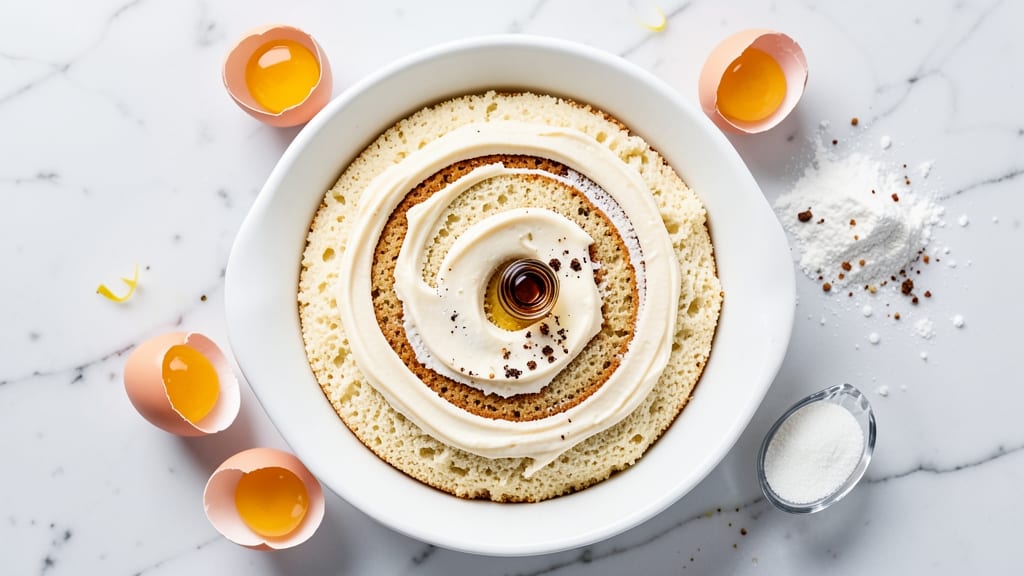
This 6-egg vanilla cake recipe delivers ultra-moist layers that stay tender for days—no dry crumbs in sight. The secret lies in precise egg incorporation and a gentle folding technique that creates air pockets without overmixing.
I've perfected this method after years of baking failures (yes, I've burned more cakes than I'd admit), and this version actually works every time.
The key to success is room-temperature eggs and folding dry ingredients just until combined—no overmixing means no tough cake. We use a simple ratio of sugar to flour with a touch of baking powder for lift, while the six eggs provide structure and moisture.
This method yields a cake with a fine crumb and perfect rise, even in standard home ovens at 350°F.
What you'll end up with is a rich, golden cake that slices beautifully and holds its shape without falling apart. The flavor is pure vanilla—no artificial aftertaste—with a tender crumb that begs for frosting or fresh berries.
The best part? It stays moist for days, making it perfect for special occasions or last-minute desserts.
For variations, try adding vanilla bean paste for deeper flavor or adjusting the sugar ratio for a lighter texture. Serve with whipped cream, chocolate ganache, or fresh fruit for the ultimate dessert experience. Let's get baking—this cake is easier than you think.
Ingredients for 6 egg vanilla cake
Six eggs, two cups flour, and pure vanilla—this is the dream team for ultra-moist cake layers that defy dryness.
| Ingredient | Amount | Notes |
|---|---|---|
| Large Eggs 🥚 | 6 whole | Room temperature for best results |
| Granulated Sugar 🍚 | 2 cups | Superfine preferred for smoother texture |
| All-Purpose Flour 🌾 | 2 cups | Sifted before measuring for lightness |
| Pure Vanilla Extract 🌸 | 2 tsp | High-quality, alcohol-free preferred |
| Baking Powder 🍞 | 2 tsp | Freshly opened for proper lift |
| Salt 🧂 | ½ tsp | Fine sea salt preferred |
| Unsalted Butter 🧈 | 1 cup | Room temperature, cubed |
| Whole Milk 🥛 | ½ cup | Room temperature for smooth batter |
| Vanilla Bean Paste 🌿 | 1 tbsp | Optional for deeper vanilla flavor |
The eggs are non-negotiable here—room temperature is absolutely essential for even baking and proper rise. Grab the largest eggs you can find at Whole Foods or your local grocery store's organic section; they yield more volume. For the vanilla, Nielsen-Massey or McCormick are my go-tos, but any pure extract works. The butter? Plugrá or Land O'Lakes unsalted—never salted—because we're controlling the salt ourselves. If you're feeling fancy, swap the vanilla extract for vanilla bean paste—it's worth the splurge for that authentic depth.
No vanilla extract? Vanilla sugar at half the amount works in a pinch, but you'll lose some intensity. Running low on baking powder? Baking soda plus cream of tartar is a 1:2 ratio swap, but test your leavening first. The milk can be swapped for cream or buttermilk—just adjust the liquid to keep the batter consistent. For a lighter texture, sift the flour three times to aerate it before mixing. And if your butter isn't room temp? Microwave it in 20-second bursts until just soft—never melted.
This cake stays moist for 5-6 days when wrapped tightly in plastic at room temperature, or up to 3 months frozen in airtight containers. I like to slice it thin and freeze individual portions for quick desserts. The batter can be prepped a day ahead—just bake fresh for the best texture. And if you're making layers? Brush with simple syrup between them for extra moisture—trust me on this.
Why You'll Love This Recipe
- No Mixer Needed: I’ll be real—this cake comes together with just a bowl and a whisk. Six eggs handle all the heavy lifting, blending smooth as butter while you measure flour and sugar in under five minutes. No stand mixer? No problem.
- Vanilla That Sings: That pure vanilla extract isn’t just flavor—it’s the star. The eggs make it rich without being heavy, and the baking powder gives it a light, airy crumb that begs for another slice. Honestly, my coffee tastes better with this cake in the house.
- Leftover Goldmine: This cake stays moist for days, which means I can bake it on Sunday and enjoy it through the week. Slice it thin for breakfast toast or cube it for a quick trifle—it’s my go-to when I need dessert without the fuss.
- Budget Baking: Six eggs might sound pricey, but they stretch the batter further than most cakes, and the rest of the ingredients? Pantry staples. I’ve fed a crowd for under $10 with this—plus, the leftovers keep everyone happy until the next bake day.
Step-by-step instructions for ultra-moist vanilla cake
Here's how to create tender, perfectly moist layers without overmixing or dry results.
Prepare Your Dry Ingredients for Lightness
In a medium bowl, whisk together the 2 cups All-Purpose Flour, 2 tsp Baking Powder, and 0.5 tsp Salt. I sift the flour first through a fine-mesh sieve to aerate it—this creates tiny air pockets that make the cake light and fluffy. Give it a quick stir with a whisk to ensure the baking powder and salt are evenly distributed throughout the flour.
Set this mixture aside. The reason we prepare the dry ingredients first is to prevent overmixing when we combine everything later. Overmixing develops gluten, which leads to tough, dense cake instead of the tender crumb we're after. Keep this bowl nearby so we can add it in one quick motion later.
Cream Butter and Sugar to Ribbon Stage
In a stand mixer fitted with the paddle attachment, beat the 1 cup Unsalted Butter (softened to room temperature) and 2 cups Granulated Sugar on medium speed for 3-4 minutes. You're looking for a pale, fluffy mixture that nearly doubles in volume and leaves clean streaks when you lift the paddle—this is called the "ribbon stage."
This creaming process incorporates air into the butter and sugar, which creates that signature light, airy texture in vanilla cake. I press down on the butter occasionally to make sure it's fully incorporated. If your butter isn't softened enough, the mixture will feel grainy and won't cream properly.
Add Eggs and Vanilla for Rich Flavor
Add the 6 whole Large Eggs one at a time, mixing on low speed after each addition until fully incorporated. Then add the 2 tsp Pure Vanilla Extract and 1 tbsp Vanilla Bean Paste (if using), mixing just until combined. The batter should be thick and smooth, with a slight sheen from the eggs.
I like to scrape down the sides of the bowl with a rubber spatula after adding the eggs to ensure everything is evenly distributed. This step builds the cake's moisture and richness. Don't worry if the batter looks curdled at first—the vanilla and gentle mixing will smooth it out.
Combine Wet and Dry Ingredients Gently
With the mixer on low speed, gradually add the flour mixture in three additions, mixing just until each addition is incorporated. After the final addition, give the batter one final stir by hand with a spatula to ensure no flour streaks remain. The key here is to mix just until combined—overmixing develops gluten and makes the cake tough.
Next, add the 0.5 cup Whole Milk and mix on low speed for 10-15 seconds until just combined. The batter should be thick but pourable. If it's too thick, add an additional 1 tablespoon of milk to achieve the perfect consistency. This step ensures the cake will be moist and tender rather than dry or crumbly.
Bake for Perfectly Moist Layers
Preheat your oven to 350°F and grease two 9-inch round cake pans (or line them with parchment paper). Divide the batter evenly between the pans and smooth the tops with a spatula. Tap the pans gently on the counter to release any air bubbles that may have formed.
Bake for 25-30 minutes, or until a toothpick inserted into the center comes out clean. The edges should be golden brown, but the top should still look slightly domed and moist. Rotate the pans halfway through baking for even heat distribution. Let the cakes cool in the pans for 10 minutes, then transfer to a wire rack to cool completely before frosting.
Pro Tips For Making 6 Egg Vanilla Cake
- Whisk Eggs Until Ribbon Stage: Six eggs mean your batter will be thick—don’t just stir. Whisk them with the sugar until the mixture leaves a slow ribbon when you lift the whisk. I learned this the hard way: under-whisked eggs lead to dense cake, and you’ll regret rushing it.
- Sift Flour with Baking Powder: Don’t just dump the flour in—sift it with the baking powder first. This prevents lumps and ensures even distribution of leavening. I used to eyeball it, and my cakes would rise unevenly. A 10-second sift makes a real difference.
- Grease Pan And Dust with Flour: Butter the pan, then dust it with flour—even if you’re using parchment. The flour creates a barrier so the cake doesn’t stick to the parchment. I skipped this once, and my cake tore like wet paper when I tried to lift it.
- Bake at 325°F, Not Hotter: This recipe needs steady, gentle heat. Cranking the oven to 350°F will make the outside set too fast while the center stays raw. 325°F gives you that tender crumb without waiting forever. Trust me, your cake will thank you.
Troubleshooting your 6 egg vanilla cake
Batter Too Thick?
If your batter feels too thick to pour, don’t panic—this is common with six eggs! Add 1 tablespoon of milk at a time while mixing on low speed until it reaches a thick but pourable consistency.
Overdoing it can make the cake dense, so aim for a batter that coats the back of a spoon smoothly. If you’re unsure, err on the side of slightly thicker—it’s easier to fix with extra milk than to salvage a runny batter. 🥛
Cake Sinking or Falling?
This usually happens from overmixing or underbaked centers. First, check your oven temp with an infrared thermometer—many home ovens run 25°F hotter than set. Also, ensure you’re mixing the dry ingredients just until combined (no streaks) and folding them in gently.
For extra insurance, bake 2-3 minutes longer if the toothpick test is questionable. A slightly underbaked cake will set as it cools.
Dry or Crumbly Texture?
Dry cake often means overbaking or too much flour. Start by checking your baking time—25-30 minutes at 350°F is ideal, but pull it out when a toothpick comes out with a few moist crumbs (not wet batter).
If the cake still feels dry, try brushing the frosted layers with simple syrup (equal parts sugar and water, heated until dissolved) before assembling. For future bakes, reduce flour by 1 tablespoon if your kitchen is dry.
Uneven Rise or Domed Top?
An uneven rise often signals old baking powder or uneven heat distribution. Replace your baking powder (it loses potency after 3-6 months) and rotate your pans halfway through baking. For a domed top, avoid opening the oven door early—rapid temperature drops cause cakes to sink.
If your oven has hot spots, place pans on opposite racks or use an oven thermometer to calibrate. A domed top is normal but can be leveled gently with a serrated knife after cooling.
Batter Separating?
This happens when eggs are too cold or overmixed. Always use room-temperature eggs (let them sit in warm water for 10 minutes if needed). Mix the eggs and butter slowly on low speed until just combined—no need to whip vigorously.
If separation occurs, gently fold in 1 extra tablespoon of flour to stabilize the batter. For extra insurance, add the eggs one at a time, scraping the bowl after each addition to ensure even distribution. 🥚
Sticky or Gummy Cake?
This is usually a sugar or moisture imbalance. If your cake feels gummy, it might be underbaked or have too much milk. Next time, reduce milk by 1 tablespoon and increase sugar by 1 tablespoon for better structure.
For a sticky top, ensure your oven rack is in the middle position—top racks can overbrown while bottom racks underbake. If the issue persists, try baking at 325°F for 35-40 minutes for a slower, more even cook.
Nutrition facts
Frequently asked questions
Why does this recipe use six eggs instead of the usual three or four?
The extra eggs create a richer, more moist texture that stays tender for days. Each egg adds structure and fat content, preventing dryness while maintaining a fine crumb. This is especially helpful for multi-layer cakes where you want layers that hold up to frosting without crumbling.
Can I make this cake in a single 9-inch pan instead of two?
Yes, but expect a thicker, denser cake with a shorter baking time of 35-40 minutes. Reduce the oven temperature to 325°F to prevent overbrowning. For best results, use a springform pan and bake until the center reaches 205°F on an instant-read thermometer. The texture will be more like a pound cake than traditional layer cake.
What's the best way to store leftover cake?
Wrap tightly in plastic wrap at room temperature for 5-6 days, or freeze sliced portions in airtight containers for up to 3 months. To revive frozen cake, thaw overnight in the fridge and rewarm briefly in the oven at 300°F for 5-10 minutes covered with foil. For extra moisture, brush frosting with simple syrup before storing.
How do I adjust this for a gluten-free version?
Replace the 2 cups all-purpose flour with a 1:1 gluten-free baking blend (like Bob's Red Mill) plus 1 extra teaspoon xanthan gum. Add 2 tablespoons extra milk to compensate for reduced moisture in GF flours. Bake at 325°F for 35-40 minutes—GF cakes often need longer baking. Test doneness with a toothpick (should come out clean).
What's the secret to getting perfectly even layers?
Use a bench scraper to level the batter perfectly in your pans before baking. For stacking, chill the cakes for 1 hour first, then level the tops with a serrated knife. Brush layers with simple syrup (equal parts sugar and water, heated until dissolved) before frosting. This prevents crumbs and ensures clean, professional-looking layers.