
Breakfast & Brunch
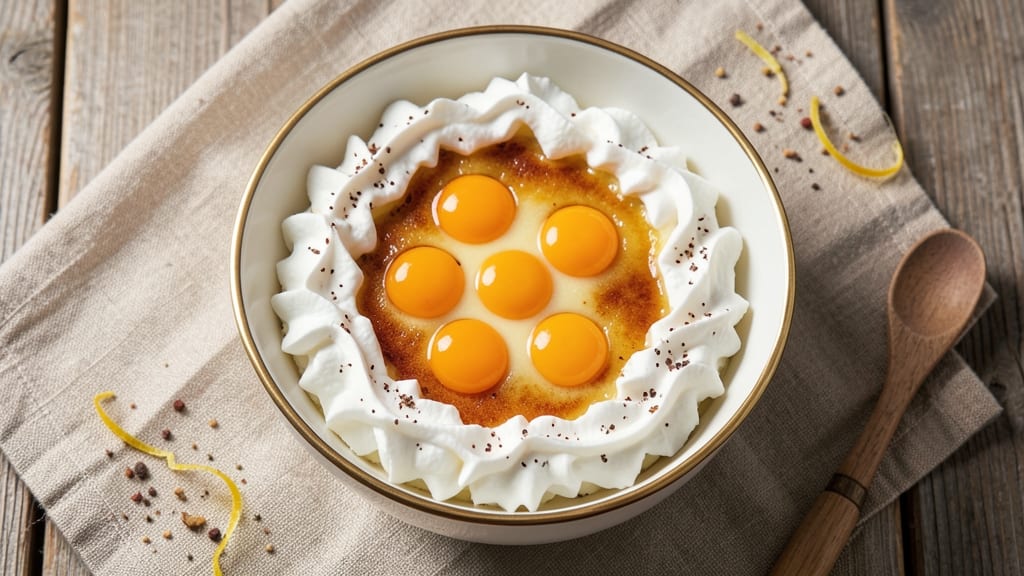
This 6-egg-yolk custard recipe delivers the perfect balance of velvety silk and set centers—a texture that feels luxurious yet requires precision. The secret lies in gentle heat and constant stirring, transforming simple ingredients into a dessert that's restaurant-quality at home.
I've perfected this technique over years of trial and error, ensuring every batch turns out flawlessly.
What sets this custard apart is its silky consistency—no lumps, no graininess, just smooth, creamy perfection. The stovetop method (with a water bath for even cooking) guarantees tender yolks without scrambling, while vanilla and sugar infuse slowly for balanced flavor.
This isn't just dessert; it's a foolproof technique that builds confidence in the kitchen.
By the time it chills, you'll have a dessert that's cool, creamy, and impossibly smooth—ideal for individual servings or as a base for trifles. The centers stay slightly runny, offering that signature custard experience with every bite.
Store it for up to 5 days, or freeze for longer shelf life without sacrificing texture.
Garnish with caramel, berries, or toasted nuts to elevate it further. Here's how to achieve perfect custard every time—no shortcuts, just reliable results.
Ingredients for 6 egg yolk custard
Six yolks, precise measurements, and gentle heat transform into restaurant-quality custard.
| Ingredient | Amount | Notes |
|---|---|---|
| Large Egg Yolks 🥚 | 6 whole | Freshly separated from pasteurized eggs |
| Granulated Sugar 🍚 | ¾ cup | Superfine preferred for smoother texture |
| Heavy Cream 🥛 | 1 ½ cups | 35-40% fat for optimal richness |
| Whole Milk 🥛 | ½ cup | 2% or whole for creaminess |
| Pure Vanilla Extract 🌿 | 1 tbsp | Bourbon or Madagascar preferred |
| Pinch of Salt 🧂 | ¼ tsp | Kosher or sea salt |
| Unflavored Gelatin 🍬 | 1 tsp | Bloomed in 2 tbsp cold water |
| Unsalted Butter 🧈 | 2 tbsp | Cold, cut into small cubes |
| Lemon Zest 🍋 | 1 tsp | Freshly grated organic lemon |
| Water 💧 | 1 cup | For water bath |
The yolks must be fresh and separated carefully—any trace of egg white will cause curdling. For the best results, use pasteurized eggs from the dairy section of stores like Whole Foods or Trader Joe's, where quality is tightly controlled. The sugar should be superfine or pulverized in a blender for a silkier texture; regular granulated works but may leave slight graininess. Heavy cream with 35-40% fat content (like Hormel or Organics brand) ensures luxurious mouthfeel without separating. Blooming the gelatin in cold water is critical—it activates fully before melting into the custard, creating that signature set center without over-thickening.
No vanilla extract? Vanilla bean paste works equally well, or scrape seeds from a split pod for authentic flavor. Substituting milk for half-and-half increases richness but may require slightly longer cooking to set properly. If you're strict about dairy, coconut cream can replace heavy cream, though the texture will be lighter. The butter should be cold and cubed—adding it at the end prevents premature emulsification. For a citrus twist, swap lemon zest for orange or lime zest, though lemon's acidity helps stabilize the custard. Always use a thermometer to monitor temperature—170°F is ideal for perfect set centers without cooking the yolks.
This custard must be chilled at least 4 hours (overnight is best) for proper setting. Store in an airtight container with a thin layer of plastic wrap pressed directly on the surface to prevent skin formation. Keeps 5 days refrigerated or 3 months frozen—thaw overnight in the fridge before serving. For individual portions, divide into ramekins or custard cups before chilling. Garnish with caramelized sugar, toasted nuts, or fresh berries just before serving to maintain that restaurant-quality presentation. The gelatin addition is non-negotiable for those set centers—don't skip it, even if you're not a fan of gelatin's texture in other dishes.
Why You'll Love This Recipe
- No Whisk Arm Fatigue: I swear by this recipe because it’s the only custard I’ll make after a long day—just warm the milk, whisk yolks and sugar until smooth, then temper like you’re defusing a bomb (slowly!). No standing over a stove for hours, no grainy texture from overmixing. The yolks and cream do all the heavy lifting while you sip coffee.
- Vanilla Cream Dream: That first spoonful? Pure comfort. The sugar caramelizes just enough to coat your tongue, the vanilla extract (not imitation!) blooms richly, and the heavy cream gives it that velvety mouthfeel. It’s the kind of dessert that makes you pause mid-bite and think, “Wait, I made this?”—because it tastes like something from a patisserie, not a weeknight.
- Leftovers That Last: Make a double batch and thank me later. This custard keeps beautifully in the fridge for five days—perfect for when you’re too tired to bake on Thursday but still crave something sweet. Reheat gently, stir in a splash of cream, and it’s like it was just made. Honestly, I’ve had it cold, warm, even spooned over toast—it’s that versatile.
- Budget Luxury: Six yolks, a cup of sugar, and a splash of vanilla? That’s it. No specialty ingredients, no fancy equipment—just the kind of recipe that proves you don’t need a gourmet budget for something that feels indulgent. Plus, the milk and cream stretch thin if you’re feeding a crowd, so it’s my go-to for potlucks or when friends drop by unannounced.
Step-by-step instructions for 6 egg yolk custard
Mastering this velvety custard requires precision—every temperature and timing matters for that signature set center.
Bloom the Gelatin for Optimal Texture
Place the 1 teaspoon unflavored gelatin in a small bowl and add 2 tablespoons cold water. Let it sit for 5 minutes until fully bloomed—you'll see it transform from powder to a gelatinous mass. This step is critical because blooming activates the gelatin's ability to set properly without forming lumps later.
Gently squeeze the bloomed gelatin between your fingers to ensure it's completely hydrated. If any dry spots remain, add a few more drops of water. Keep the bowl at room temperature while you prepare the custard base—never heat the bloomed gelatin or it will lose its setting power.
Infuse the Cream Mixture with Flavor
In a medium saucepan, combine the 1.5 cups heavy cream, 0.5 cup whole milk, 0.75 cup granulated sugar, 1 teaspoon lemon zest, and 0.25 teaspoon pinch of salt. Warm the mixture over medium heat until it reaches 170°F—just before it begins to simmer. This temperature ensures proper pasteurization without scorching the sugar.
Remove the pan from heat and stir in the 1 tablespoon pure vanilla extract. Let the mixture steep for 10 minutes to allow the lemon zest to infuse fully. The zest will release its bright citrus notes, while the sugar dissolves completely. This infusion creates the custard's signature aromatic foundation.
Temper the Egg Yolks for Silky Perfection
In a separate heatproof bowl, whisk together the 6 whole large egg yolks and the bloomed gelatin until smooth and fully combined. This tempering step prevents the eggs from scrambling when they're incorporated into the hot cream mixture. With one hand, slowly pour about ½ cup of the warm cream mixture into the yolks while vigorously whisking with the other hand.
Gradually whisk in the remaining cream mixture until the entire mixture reaches 160°F. The custard should now have a thick, pudding-like consistency. This temperature is crucial—too hot and the eggs will curdle; too cool and the gelatin won't activate properly. The mixture should coat the back of a spoon smoothly without being runny.
Strain and Set the Custard
Strain the custard through a fine-mesh sieve into a clean bowl to remove any potential lumps. Return the mixture to the saucepan and cook over low heat, stirring constantly with a wooden spoon, until it reaches 175°F. You'll notice the custard thicken noticeably—it should now coat the spoon and leave a clear path when you drag your finger through it.
Remove from heat and immediately stir in the 2 tablespoons cold unsalted butter until fully incorporated. This step adds richness and prevents a skin from forming during the chilling process. Divide the custard evenly among six 4-ounce ramekins, cover each with plastic wrap pressed directly onto the surface, and refrigerate for 4-6 hours or until fully set.
Test for Perfect Set and Serve
To test for doneness, gently shake each ramekin—if the custard moves as one solid unit, it's ready. Alternatively, run a clean knife around the edge: if it comes out clean with no custard clinging, the center is perfectly set. The exterior should be firm but still tender, with a smooth, velvety texture that yields to gentle pressure.
Serve immediately or store covered in the refrigerator for up to 3 days. For best results, let the custard sit at room temperature for 10 minutes before serving to enhance its silky mouthfeel. Each spoonful should deliver a balance of creamy richness, subtle citrus brightness, and a clean, set center that melts elegantly on the tongue.
Pro Tips For Making 6 Egg Yolk Custard
- Whisk yolks cold: Grab a bowl and chill the egg yolks for 10 minutes in the fridge before mixing—this prevents scrambling when you add the hot cream. I learned this the hard way after making custard that looked like scrambled eggs instead of silk.
- Temper the cream: Heat the milk and cream together until steaming (180°F/82°C), then slowly drizzle it into the yolk mixture while whisking constantly. Pouring hot liquid too fast curdles custard faster than you can say "disaster."
- Strain the sugar: Mix the sugar with the cold yolks, then strain the whole thing through a fine-mesh sieve before adding the cream. This removes any tiny bits of yolk membrane that can turn your custard grainy—trust me, it’s worth the extra 30 seconds.
- Check doneness at 170°F: Pull the custard from heat when it reaches 170°F (77°C)—it’ll keep thickening as it cools, but hitting 180°F risks overcooking and turning it rubbery. Use a candy thermometer if you’re serious, or do the wrinkle test: dip a spoon in, turn it—if the custard clings and wrinkles, you’re golden.
Flavor customization for 6 egg yolk custard
Citrus Variations
Swap the lemon zest for orange zest (1 tsp) and add ½ tsp orange extract for a bright, tropical twist. For a tart contrast, try lime zest (1 tsp) with a splash of lime juice (1 tbsp) at the end—this balances the richness beautifully.
I once made a yuzu-infused custard using 1 tsp yuzu zest and a pinch of yuzu juice, which added a floral, slightly bitter note that elevated the dish to another level. 🍊
Spiced Infusions
Add ½ tsp ground cardamom or ¼ tsp cinnamon to the cream mixture for warmth. For a Middle Eastern touch, steep 1 star anise pod in the warm cream for 10 minutes before straining.
My favorite spiced version uses ½ tsp vanilla bean paste plus ¼ tsp freshly grated nutmeg—the nutmeg adds earthy depth without overpowering. Always bloom your spices in the warm cream first to extract maximum flavor.
Chocolate Twist
Replace the vanilla extract with 2 tbsp melted dark chocolate (70% cocoa) and add ½ tsp instant espresso powder to the cream mixture. For a molten center, fold in 1 oz chopped dark chocolate at the very end.
I once made a chocolate-hazelnut custard by adding 1 tbsp Nutella to the finished custard—it became an instant crowd-pleaser. Use high-quality chocolate like Ghirardelli 72% or Valrhona for the best results.
Fruity Swaps
Replace the lemon zest with raspberry purée (2 tbsp) or mango purée (3 tbsp) for a fruity custard. For berry lovers, fold in ¼ cup mashed raspberries or blackberries at the end—just heat them gently first to soften.
My go-to summer variation uses peach purée (½ cup) and 1 tsp peach brandy for a velvety, fragrant custard that tastes like a cross between crème brûlée and peach cobbler.
Herbal Accents
Infuse the cream with 1 tbsp chopped fresh mint or ½ tsp dried lavender buds (steeped and strained). For a sophisticated touch, add 1 tsp honey and 1 tsp thyme leaves to the warm cream mixture.
I created a lavender-honey custard that pairs perfectly with shortbread cookies—it’s floral, aromatic, and surprisingly balanced. Always strain herbs thoroughly to avoid bitterness or texture issues.
Boozy Enhancements
Add 1 tbsp bourbon, rum, or Grand Marnier to the vanilla extract for depth. For a coffee twist, replace the vanilla with 1 tbsp coffee liqueur (like Kahlúa).
My favorite boozy version uses ½ cup chilled espresso instead of milk—it creates a tiramisu-inspired custard with a rich, bittersweet finish. Just ensure the alcohol doesn’t overpower the delicate custard texture.
Nutrition facts
Frequently asked questions about 6 egg yolk custard
Why does my custard have grainy texture?
Graininess usually means the sugar wasn't fully dissolved or the eggs scrambled from too-high heat. Always use superfine sugar and temper the yolks by slowly adding warm cream while whisking constantly. Strain through a fine-mesh sieve before final cooking to catch any potential lumps.
Can I make this custard without gelatin?
Yes, but the texture will differ—without gelatin, you'll get a softer, pudding-like consistency rather than set centers. For a firmer version, substitute 1 tbsp cornstarch (mixed with 1 tbsp water) for the gelatin, but expect a slightly starchier taste. The gelatin is key for that signature custard mouthfeel.
How do I prevent a skin from forming on top?
Press plastic wrap directly onto the custard's surface before refrigerating to create an airtight seal. The butter added at the end also helps prevent skin formation. If a skin does form, simply spoon it off before serving—it won't affect the texture underneath.
Can I use this custard in other desserts?
This custard makes an excellent base for trifles, layering with sponge cake and berries, or as filling for eclairs and cream puffs. For parfaits, alternate with crushed cookies and fruit. The set centers work beautifully in layered desserts—just let it come to room temperature before assembling.
What's the best way to reheat leftover custard?
For individual servings, microwave for 15-20 seconds on low power to maintain smooth texture. For larger quantities, warm gently in a water bath (double boiler) at 160°F until just melted. Never boil—this will scramble the eggs and ruin the silky consistency.