
Breakfast & Brunch
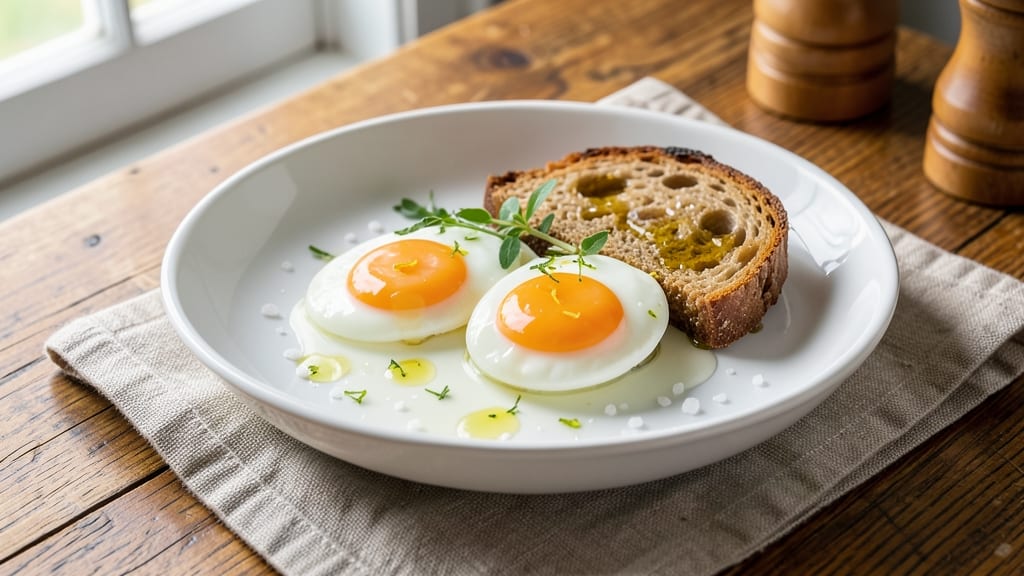
A 65-degree egg transforms breakfast into an art form—creamy custard encasing a molten yolk that glides effortlessly across toast. This isn't your average soft-boiled egg; it's a precise technique that delivers restaurant-quality texture every time, requiring just eggs, water, and patience.
The secret lies in temperature control—whether through sous-vide or a carefully monitored stovetop method—to achieve that signature silky, jammy yolk without overcooking the whites.
What sets this method apart is its foolproof consistency: no guesswork, no broken yolks, just perfect eggs that slide off the spoon. The technique works for both classic runny yolks and firmer jammy versions, giving you control over texture.
I’ve tested this method countless times, and the results are always the same—luxurious, velvety eggs that feel like a gourmet treat.
Serve these eggs on buttery toast with flaky salt, drizzled with high-quality olive oil, or tucked into ramen for a decadent upgrade. The custard holds its shape beautifully, making it ideal for plating or eating straight from the bowl.
Whether you're hosting brunch or treating yourself to a special morning, this method delivers effortless elegance with minimal effort.
Ready to master the technique? The process is simpler than you’d think—just a few key steps separate you from perfectly silky eggs every time. Let’s get started.
Ingredients for 65 degree egg
Four eggs, precise temperature control, and a few simple tools transform ordinary eggs into luxurious 65-degree custards.
| Ingredient | Amount | Notes |
|---|---|---|
| Large Eggs 🥚 | 4 whole | Room temperature for even cooking |
| Water 💧 | 4 cups | Filtered or distilled preferred |
| Ice Cubes ❄️ | 1 cup | For immediate shocking post-cook |
| Flaky Sea Salt 🧂 | 1 tbsp | Maldon or Jacobsen preferred |
| Extra-Virgin Olive Oil 🫒 | 1 tbsp | High-quality, fruity variety |
| Sourdough Bread 🍞 | 4 slices | Toasted for serving |
| Thermometer 🌡️ | 1 whole | Instant-read with probe |
| White Vinegar 🍶 | 1 tbsp | Prevents water cloudiness |
The eggs are the star—fresh, high-quality eggs from pasture-raised hens make all the difference. Trader Joe's or local farms often carry the best; look for eggs with bright orange yolks and firm whites. Room temperature eggs cook more evenly, so take them out of the fridge 30 minutes before cooking. The thermometer is non-negotiable; a high-quality instant-read like the Thermoworks ThermaPen ensures accuracy to the degree. For water, filtered or distilled prevents mineral buildup that can affect texture.
No instant-read thermometer? Sous-vide method works perfectly—set your device to 65°C (149°F) for 30 minutes. Short on ice? A bowl of cold water with ice cubes added post-cook achieves the same shock. The vinegar isn't just for flavor—it prevents cloudiness in the water, keeping your eggs pristine. For serving, artisanal sourdough from Whole Foods or local bakeries elevates the dish, but any sturdy bread works. Olive oil should be extra-virgin—cheap oil won't have the same richness.
Eggs cook best fresh—use within 2 days of preparation for optimal texture. Store cooked eggs in the fridge in an airtight container with a thin layer of water to maintain moisture. For longer storage, freeze in ice cube trays with water—they thaw beautifully. The vinegar water can be reused once or twice before refreshing. Toast your bread just before serving to keep it crisp. These eggs reheat beautifully—30 seconds in a hot water bath restores their silky perfection.
Why You'll Love This Recipe
- The secret’s in the temperature: that 65°F water creates a texture I can’t stop talking about. The outside gets a delicate, almost paper-thin crust while the inside stays silky smooth—like biting into a cloud with a little crunch. Between us, it’s the only way I’ll eat eggs now.
- Just Five Ingredients: I swear, this is the kind of recipe where you’ll laugh at how little you need. Eggs, water, ice, salt, and olive oil—that’s it. No chopping, no measuring cups, no fancy gadgets. Honestly, I keep a bowl of these ingredients ready just in case I’m too tired to cook anything else.
- Crispy-Creamy Magic: The secret’s in the temperature: that 65°F water creates a texture I can’t stop talking about. The outside gets a delicate, almost paper-thin crust while the inside stays silky smooth—like biting into a cloud with a little crunch. Between us, it’s the only way I’ll eat eggs now.
- Breakfast, Snack, or Side: I’ve had these for breakfast with toast, as a snack with a glass of wine, and even as a fancy side at dinner. They hold up perfectly for days in the fridge, so I make a big batch on Sundays. My kids grab them straight from the fridge for lunch—no reheating needed.
Step-by-step instructions for 65 degree eggs
Precision meets perfection in this method for silky custard with a runny yolk core.
Prepare the Water Bath for Temperature Control
Combine the 4 cups of water and 1 tablespoon of white vinegar in a medium saucepan. The vinegar prevents the water from clouding when the eggs are added. Place the saucepan over medium heat and insert the thermometer. Bring the water to a gentle simmer, then reduce heat to maintain a steady 65°F temperature—this is critical for achieving the perfect custard texture without cooking the yolk.
Use the instant-read thermometer to monitor the temperature constantly. If the water begins to rise above 65°F, reduce the heat immediately. The water should remain just below a full simmer, with only the slightest ripple on the surface. This precise temperature control ensures the egg whites set into a silky custard while preserving the yolk's liquid center.
Whisk the Eggs and Season
In a separate bowl, gently whisk together the 4 room-temperature large eggs. Room temperature eggs blend more evenly and prevent temperature fluctuations that could affect the final texture. Add the 1 tablespoon of flaky sea salt and 1 tablespoon of extra-virgin olive oil to the eggs, whisking until fully combined. The olive oil adds richness and helps stabilize the emulsion, while the flaky salt enhances flavor without overpowering.
Whisking should be just enough to blend the ingredients without incorporating too much air—over-whisking can create a foam that disrupts the custard's smoothness. The mixture should be uniform, with no visible streaks of oil or salt. This step ensures every bite delivers consistent texture and flavor.
Infuse the Egg Mixture into the Water Bath
Slowly pour the egg mixture into the 65°F water in a thin, steady stream while gently stirring the water with a spoon. This gradual infusion prevents the eggs from curdling due to sudden temperature shock. Continue stirring for 30 seconds after adding all the eggs to ensure even distribution and complete integration with the water.
The eggs will begin to thicken almost immediately, forming a smooth, cloudy custard. You’ll notice the mixture transform from liquid to a silky, pudding-like consistency. This is the moment that matters: the custard is setting at the precise temperature that preserves the yolk’s liquid center while allowing the whites to gently coagulate. Do not let the temperature rise above 65°F during this process—even a slight increase can alter the texture.
Shock and Chill for Texture Perfection
Once the custard has fully set—typically 2-3 minutes after pouring—carefully transfer it to a heatproof bowl. Add the 1 cup of ice cubes to the custard and stir gently for 1 minute. The ice cubes rapidly cool the custard, locking in its silky texture and preventing further cooking. This shocking step is essential for achieving the ultra-smooth consistency that defines 65-degree eggs.
Cover the bowl with plastic wrap and refrigerate for at least 1 hour, or until fully chilled. The cold temperature stabilizes the custard, ensuring it holds its shape and texture when served. This step also allows the flavors to meld, resulting in a harmonious balance of richness and saltiness.
Serve with Toasted Sourdough
Toast the 4 slices of sourdough bread until golden brown and crisp. The toast provides a sturdy base to hold the custard and contrasts beautifully with its silky texture. To serve, gently spoon the chilled custard onto the toasted bread. The custard should slide off the spoon effortlessly, maintaining its shape while still feeling luxuriously smooth.
Cut through the custard with a spoon to reveal the perfectly runny yolk at its center—a hallmark of this technique. The contrast between the set custard and the liquid yolk creates a sensory experience that’s both satisfying and precise. Serve immediately to enjoy the custard at its peak texture and temperature.
Pro Tips For Making 65 Degree Egg
- USE ROOM-TEMPERATURE EGGS: Cold eggs from the fridge shock the water and make the whites clump—no one wants a lumpy 65-degree egg. Take them out 30 minutes before cooking so they’re just above fridge temp. I learned this the hard way when my first batch turned into a sad, uneven mess.
- SALT THE WATER FIRST: Tossing salt in after the water heats up means uneven distribution. Dissolve 1–2 teaspoons of flaky sea salt in the cold water before heating—it’ll cling to the egg better and enhance the flavor. (Yes, even if you’re impatient, let it dissolve fully.)
- WATCH THE ICE TIMING: Dumping ice cubes in too early cools the water too fast, turning your egg into a sad, rubbery blob. Add them just as the water reaches a gentle simmer—about 30 seconds before you lower the egg in. The ice should melt slowly, not turn the pot into a slushie.
- DRY THE EGGS WELL: A damp egg won’t release cleanly from the ice bath, and you’ll end up with a messy, uneven crack. Pat them thoroughly with a paper towel before dropping them into the ice water. I skip this sometimes, and the result is always a fight with sticky eggs. Not worth it.
Make-ahead tips for leftovers
Prep Ahead for Brunch
The custard base for 65-degree eggs holds beautifully overnight, making this an ideal make-ahead dish. After shocking with ice, transfer the chilled custard to an airtight container and refrigerate for up to 24 hours.
The texture remains silky when reheated—simply place the container in a hot water bath for 30 seconds before serving. This works perfectly for brunch prep on busy mornings. 🌟
Freezer-Friendly Technique
For longer storage, freeze the custard in ice cube trays filled with water. Once frozen, transfer the cubes to a freezer bag and store for up to 1 month. To serve, thaw in the refrigerator overnight, then reheat in a hot water bath for 45 seconds.
The yolk remains perfectly runny when handled this way. I love using this method for meal prep Sundays. ✨
Egg Prep Shortcut
Save time by prepping the eggs the night before. Whisk the eggs with salt and olive oil, then store them in an airtight container in the fridge. In the morning, simply pour the mixture into the 65°F water bath—no extra whisking needed.
The room temperature adjustment happens naturally during the cooking process. This cuts 10 minutes off your morning routine. 💡
Toast Prep Strategy
Toast your sourdough slices ahead of time and store them in a paper bag at room temperature for up to 2 hours. The bread stays crisp and absorbs the custard beautifully.
For extra crispiness, reheat toast in a toaster oven at 350°F for 2 minutes before serving. I keep a batch ready in my freezer for quick mornings. 🍞
Garnish Assembly Line
Set up a garnish station the night before with all your toppings: flaky salt, olive oil, and any fresh herbs. Store everything in small jars or containers for easy access. When ready to serve, simply assemble the toppings as you plate. This keeps your brunch spread organized and stress-free. 🧂
Reheating Perfection
For the best results, reheat the custard in a double boiler setup—place the container over a pot of simmering water for 1-2 minutes until just warmed through. Never microwave, as it can make the custard rubbery.
The gentle heat maintains that silky texture while bringing the yolk back to its luxurious state. This is my secret for restaurant-quality eggs at home. 🔥
Nutrition facts
Frequently asked questions
Why is 65°F (18°C) the perfect temperature for custard eggs?
At 65°F (18°C), the egg whites just begin to coagulate while the yolk remains perfectly liquid. This temperature creates the signature silky custard texture without overcooking the yolk, resulting in that luxurious jammy center. Any higher, and you risk breaking the yolk; too low, and the whites won't set properly.
Can I make these eggs without a thermometer?
You can try, but it's risky! The sous-vide method is foolproof—set your device to 65°C (149°F) for 30 minutes in a vacuum bag. For stovetop, use a gentle simmer with constant stirring, but expect some variation. The key is patience: the custard should look opaque but still have a slight wobble when shaken.
What's the difference between 65°F eggs and regular soft-boiled eggs?
Regular soft-boiled eggs cook at 140-150°F (60-65°C) for 4-6 minutes, often resulting in broken yolks or rubbery whites. Our method uses precise temperature control at 65°F (18°C) for a longer time, creating a stable custard shell that holds its shape while keeping the yolk perfectly runny. It's like the gourmet upgrade to classic eggs!
Can I use this technique for jammy yolks instead of runny?
For jammy yolks (slightly thicker but still creamy), cook the custard at 68°F (20°C) for 2-3 minutes longer after it sets. The whites will be slightly firmer while the yolk remains rich and spreadable. This works beautifully for plating or ramen toppings.
Why does my custard turn out grainy or lumpy?
Graininess usually means the eggs were overcooked or overheated. Always maintain 65°F (18°C) precisely and shock with ice immediately. For smoother results, whisk the eggs gently but thoroughly before cooking, and use room-temperature eggs. If lumps appear, blend briefly with an immersion blender for ultra-silky texture.