
Breakfast & Brunch
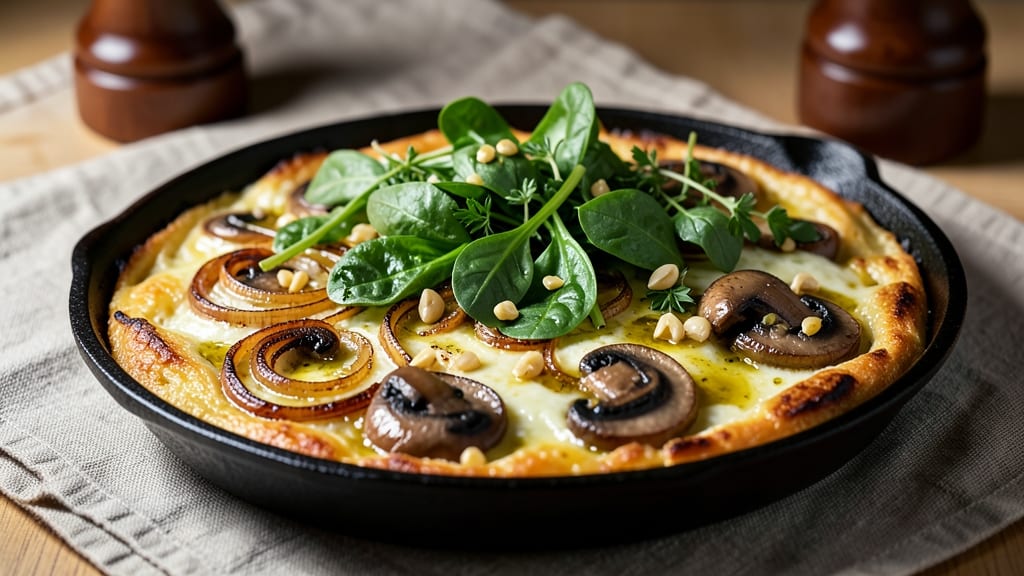
This 8-egg frittata recipe delivers restaurant-quality results with crispy edges and perfectly set yolks—no baking dish required. The secret lies in a hot skillet and foil-sealing technique that locks in moisture while creating a golden crust.
I developed this version after years of trial and error, and it never fails to impress. What sets this recipe apart is the balance of texture and flavor. You'll start with whisked eggs, then layer in vegetables and cheese for even cooking.
The foil-sealing method ensures the center stays creamy while the edges develop that satisfying crisp. This isn't your basic frittata—it's a showstopper that works for brunch or dinner.
By the time you're done, you'll have a frittata with crispy golden edges, tender vegetables, and a custardy center where the yolks remain just set. The aroma alone will have everyone gathering at your table. It's the kind of dish that makes breakfast feel like an event.
Customize it with spinach, mushrooms, or cooked sausage—this recipe adapts beautifully to whatever you have on hand. Let's get started on creating your perfect frittata.
Ingredients for 8 egg frittata
Eight eggs, crispy edges, and foolproof foil-sealing for restaurant-style frittata perfection.
| Ingredient | Amount | Notes |
|---|---|---|
| Large Eggs 🥚 | 8 whole | Room temperature for even cooking |
| Extra-Virgin Olive Oil 🫒 | ½ cup | High quality for crispy edges |
| Shallots 🧅 | 2 whole | Minced for sweet depth |
| Garlic Cloves 🧄 | 4 cloves | Minced for aromatic base |
| Baby Spinach 🌿 | 4 cups | Chopped, fresh or frozen |
| Mushrooms 🍄 | 8 oz | Sliced, cremini or button |
| Shredded Cheddar Cheese 🧀 | 1 ½ cups | Sharp or mild variety |
| Heavy Cream 🥛 | ¼ cup | For ultra-creamy texture |
| Salt 🧂 | 1 tsp | Diamond Crystal preferred |
| Ground Black Pepper 🌶️ | ½ tsp | Freshly cracked for heat |
| Aluminum Foil 📄 | 1 sheet | Heavy-duty for sealing |
| Fresh Parsley 🌿 | ¼ cup | Chopped for garnish |
The olive oil is non-negotiable here—California extra-virgin gives the best crispy edges. I grab mine from Whole Foods or Trader Joe's in the bulk section, where it's fresher and cheaper. For the cheese, sharp cheddar adds more depth, but mild works too. The spinach can be fresh or frozen (thawed and drained)—whatever you've got. Mushrooms should be sliced evenly so they cook at the same rate as the eggs. Prep all your veggies while the eggs are whisking—this isn't a dish where you want to be multitasking mid-cook.
No heavy cream? Half-and-half or whole milk works in a pinch, though the texture won't be quite as rich. Fresh parsley is ideal for garnish, but dried parsley at half the amount gets you close. The eggs should be room temperature—cold eggs won't cook evenly. If you're short on time, whisk them while the pan heats. For the foil sealing, make sure it's tight enough to trap steam but not so tight it bursts. The crispy edges come from cooking the frittata uncovered for the first 3 minutes, then sealing it for the rest of the time—don't skip this step!
This reheats beautifully—just pop it in a 350°F oven for 10 minutes to revive those crispy edges. Store leftovers in the fridge for 4 days, wrapped tightly in foil to keep it moist. For meal prep, portion into individual servings and freeze for up to 3 months. The foil-sealed method means it reheats like it just came out of the oven. Pro tip: make a double batch—this disappears fast at brunch gatherings.
Why You'll Love This Recipe
- One-Pan Magic: I swear by this recipe because it’s the rare dish where cleanup is just wiping a pan and calling it a day. Eight eggs, a handful of spinach, and a quick sauté of shallots and garlic—no pots, no mess, just pure efficiency.
- Garlicky Goodness: That crispy golden edge on top? It’s the star. The olive oil caramelizes the shallots until they’re sweet and jammy, then the garlic hits you with a punch, while the spinach wilts into tender, savory pockets. It’s the kind of flavor that makes you pause mid-bite.
- Meal Prep MVP: Between us, this is my go-to for breakfast all week. I make a big batch on Sunday, slice it up, and reheat portions in the morning—no sad, rubbery leftovers here. The eggs hold up perfectly, and the spinach stays vibrant longer than I expected.
- Budget Breakfast: Eight eggs for one dish? That’s a steal. I use the cheaper store brand, and the olive oil stretches further than you’d think. Honestly, it’s the kind of recipe that makes me feel fancy without breaking the bank—especially when I garnish it with a sprinkle of feta or hot sauce.
Step-by-step instructions for crispy edges and foil-sealed yolk brilliance
Here's how to transform simple ingredients into a restaurant-worthy frittata with golden edges and perfectly set yolks.
Prep and Sauté the Vegetables
Heat the 0.5 cup extra-virgin olive oil in a 10-inch oven-safe skillet over medium heat. Add the 2 whole minced shallots and 4 cloves minced garlic, cooking for 3-4 minutes until the shallots soften and the garlic becomes fragrant—you'll smell that sweet, nutty aroma. This is where the foundation of flavor begins.
Add the 8 oz sliced mushrooms and cook for another 5-6 minutes until they release their moisture and develop golden brown spots. Stir occasionally to prevent sticking. The mushrooms should be tender but still hold their shape—overcooking turns them rubbery. Push the vegetables to one side of the pan to make space for the spinach.
Add Spinach and Cheese
Spread the 4 cups chopped baby spinach evenly over the mushrooms. Cook for 2-3 minutes until the spinach wilts completely and turns vibrant green. Stir gently to distribute it throughout the pan, letting the natural juices cook off. This step ensures the spinach loses its bitterness and becomes tender.
Sprinkle the 1.5 cups shredded cheddar cheese evenly over the spinach mixture. Let it melt slightly for 1-2 minutes, just until it begins to soften and develop a glossy appearance. The cheese will continue melting as the eggs cook, creating that perfect creamy texture we want.
Whisk the Egg Mixture
In a large bowl, whisk together the 8 whole large eggs, 0.25 cup heavy cream, 1 teaspoon salt, and 0.5 teaspoon ground black pepper until fully combined and frothy. I like to whisk vigorously for about 30 seconds—this incorporates air that will help create a light, fluffy texture in the finished frittata.
Here's the thing—room temperature eggs mix more smoothly and cook more evenly. If your eggs are straight from the fridge, let them sit at room temperature for 10-15 minutes before whisking. The difference in texture is noticeable when you cut into the finished frittata.
Pour and Cook the Frittata
Pour the egg mixture evenly over the spinach and cheese in the skillet. Use a spatula to gently spread the eggs to the edges of the pan, ensuring even coverage. Place the skillet on the stovetop over medium-low heat and let it cook undisturbed for 5-6 minutes.
You'll see the edges start to set first, forming a thin layer of cooked egg. This is your signal to stop stirring—resisting the urge to poke and prod prevents breaking up the delicate curds that form. The center should still look slightly runny when you're ready for the next step.
Foil Seal and Bake to Perfection
Carefully place a sheet of aluminum foil directly on top of the frittata, pressing down gently to create a seal. This technique is what gives us those perfectly set yolks—it traps steam and heat, cooking the center gently while keeping the edges crispy.
Transfer the skillet to a preheated 375°F oven and bake for 15-18 minutes. The foil creates a steam bath that cooks the eggs evenly throughout without drying them out. When you remove it from the oven, the top should be golden brown and the frittata should be fully set.
Rest and Serve with Fresh Parsley
Let the frittata rest in the skillet for 5 minutes before attempting to serve. This resting period allows the internal structure to firm up slightly, making it easier to slice cleanly. The edges will remain crispy while the center stays moist and creamy.
Garnish with the 0.25 cup chopped fresh parsley just before serving. The parsley adds a bright, fresh contrast to the rich, savory frittata. Cut into wedges and serve immediately—this dish is best enjoyed fresh from the oven when the edges are still crisp and the cheese is melty.
Pro Tips For Making 8 Egg Frittata
- CRACK EGGS FIRST: Whisk the eggs in a bowl before adding the spinach, shallots, or garlic—this keeps the greens from turning your frittata into a watery mess. I learned this the hard way when my spinach released all its moisture into the eggs mid-whisk, leaving me with a sad, soupy pile.
- SWEAT SHALLOTS LOW: Cook the shallots on medium-low heat until they’re translucent, not browned—you want them to melt into the frittata without adding bitterness. High heat turns them into flavor bombs instead of aromatic background players.
- SALT THE EGGS: Add a pinch of salt to the egg mixture before pouring it into the pan—it helps the eggs set faster and evens out the seasoning. Skipping this is like baking a cake without salt: you’ll wonder why it tastes flat.
- PUSH SPINACH DOWN: After adding the eggs, use a spatula to gently press the spinach into the pan’s edges—this ensures even cooking and prevents a raw center. Yes, it looks like you’re overworking it, but your frittata will thank you.
Dietary considerations for this dish
Gluten-Free Adaptations
This frittata is naturally gluten-free since it relies on eggs, vegetables, and cheese as its core ingredients. The only potential gluten source comes from the aluminum foil used for sealing—always check the packaging for gluten-free certification.
I recommend using Reynolds Wrap or Foil by If You Care, both of which are certified gluten-free. The extra-virgin olive oil and heavy cream are also safe, but always verify labels if you're highly sensitive. 🌱
Dairy-Free Options
For a dairy-free version, replace the 1.5 cups shredded cheddar with 1.5 cups dairy-free shreds like Violife or Miyoko's mozzarella-style cheese. The texture won't be identical, but it will still provide that creamy element.
You can also boost flavor by adding ¼ cup nutritional yeast—it adds a cheesy depth without dairy. Keep the heavy cream as is, or substitute with unsweetened coconut cream for a richer mouthfeel.
Vegetarian and Vegan
This recipe is already vegetarian-friendly, but for vegan adaptations, swap the eggs for a flax or chickpea egg substitute. A common ratio is 3 tablespoons ground flaxseed + 9 tablespoons water per egg, but you'll need 24 tablespoons flax mixture for 8 eggs.
For the cheese, use vegan cheese shreds or cashew-based cream cheese as a binder. The texture will differ, but the technique remains the same—just reduce the oven temperature to 350°F to prevent overcooking the vegan eggs.
Low-Carb/Keto
This frittata is already keto-friendly with its focus on eggs, cheese, and low-carb vegetables like spinach and mushrooms. To keep it strictly low-carb, avoid adding any high-carb ingredients like potatoes or sweet peppers.
Stick to 2 cups leafy greens (like spinach or kale) and 1 cup mushrooms for maximum flavor without excess carbs. The heavy cream adds richness without carbs, making this a perfect keto brunch option. Just watch your portion size—each serving contains about 8 grams of net carbs.
Allergen Considerations
For those with egg allergies, this recipe isn't suitable, but if you're accommodating other allergens, here's what to watch: Dairy is the primary concern, but as mentioned, dairy-free cheeses work well. Sulfites can be an issue with dried spinach or mushrooms—opt for fresh ingredients if sensitive.
For nut allergies, avoid nutritional yeast substitutes that contain nuts. Always double-check labels on pre-shredded cheese and store-bought ingredients, as cross-contamination is a risk in many facilities. 💡
Nutrition facts
Frequently asked questions
Can I make this frittata in a smaller pan?
Yes, but expect higher edges and potentially undercooked centers. Use a 9-inch pan and reduce the recipe by 25% (6 eggs, 0.375 cup cheese, etc.). The foil-sealing technique still works, but you'll need to watch it closely—smaller pans cook faster. For best results, stick to the 10-inch pan size in the recipe.
Why did my frittata turn out dry?
Overcooking is the most common cause. The foil-sealing method creates steam to keep it moist—if you remove the foil too early or bake too long, the eggs dry out. Keep the oven at 375°F and bake for exactly 15-18 minutes. Also, avoid stirring after the eggs set—this breaks up the delicate curds that trap moisture.
How do I reheat leftovers without losing crispiness?
Wrap the frittata tightly in fresh aluminum foil and heat in a 350°F oven for 10-12 minutes. The foil traps steam to revive the crispy edges. For microwave reheating, cover with a damp paper towel and heat in 30-second bursts—this prevents rubbery texture. Never reheat uncovered on the stovetop.
Can I make this ahead of time?
Assemble the frittata up to the egg stage, then refrigerate uncovered for up to 24 hours. When ready to cook, add the eggs and proceed with the foil-sealing method. For make-ahead serving, bake it completely, let cool, then refrigerate. Reheat as directed above—it reheats almost as well as fresh.
What's the best way to slice frittata for serving?
Use a sharp, hot knife for clean slices. Dip the knife in hot water between cuts to prevent sticking. For presentation, cut into 6-8 wedges like pizza slices. For restaurant-style plating, cut into 1-inch squares or use a ring mold to create individual portions with crispy edges.