
Desserts
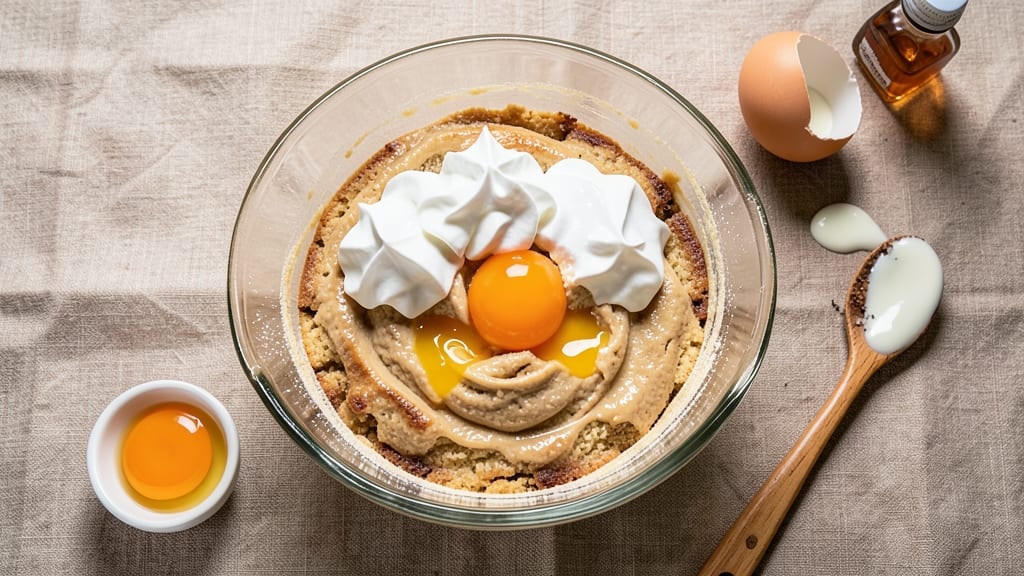
Adding an extra egg to your cake recipe transforms it from good to extraordinary—moist crumb secrets that guarantee height and tenderness every time. The key lies in how eggs bind ingredients, retain moisture, and create structure, but only when handled correctly.
This technique works wonders for vanilla sponge cakes or pound cakes, where that perfect balance of fluffiness and stability matters most.
Most standard recipes call for 2 eggs, but adding a third introduces rich, velvety texture and foolproof height without compromising moisture. The secret? Use room-temperature eggs and mix just until combined—overmixing develops gluten, which can make your cake dense.
Gently fold in dry ingredients to preserve air pockets, ensuring a light yet sturdy crumb.
What you’ll achieve is a cake with a tender crumb that stays moist for days, golden edges that crackle just right, and a structure tall enough to impress.
The extra egg adds protein for stability while keeping the interior soft—ideal for layer cakes, sheet cakes, or even cupcakes that need to hold their shape without drying out.
For best results, let your batter rest for 10-15 minutes before baking, and avoid overfilling pans. This method works for both boxed mixes and scratch recipes, but always adjust other liquids (like milk or oil) slightly to compensate for the added richness. Let’s bake that perfect cake.
Ingredients for adding extra egg to cake
Three eggs, one secret to perfect cake texture—moist, tall, and irresistible every time.
| Ingredient | Amount | Notes |
|---|---|---|
| Large Eggs 🥚 | 3 whole | Room temperature for best results |
| All-Purpose Flour 🌾 | 2 cups | Sifted for light texture |
| Granulated Sugar 🍚 | 1 ½ cups | White or light brown |
| Unsalted Butter 🧈 | 1 cup | Room temperature, full-fat |
| Whole Milk 🥛 | ¾ cup | Room temperature preferred |
| Vanilla Extract 🌿 | 1 tbsp | Pure, high-quality extract |
| Baking Powder 🧂 | 1 ½ tsp | Aluminum-free preferred |
| Salt 🧂 | ½ tsp | Fine sea salt |
| Vegetable Oil 🫒 | ¼ cup | Light or canola oil |
The eggs are everything here. Room-temperature eggs blend better and create more air pockets—cold eggs can make your cake dense. Grab the largest eggs you can find (they have more yolk for richness), and if you're unsure, the USDA Grade AA label is your friend. Butter matters too—full-fat, unsalted is non-negotiable for that tender crumb. I always use Land O'Lakes unsalted or Plugrá for baking; both melt perfectly. For the milk, whole milk gives the best texture, but 2% works in a pinch—just don't use skim.
No vanilla extract? Vanilla bean paste works beautifully, or even a scraped vanilla bean. Short on baking powder? Baking soda plus cream of tartar (½ tsp each) is a solid swap. The oil can be omitted if you're using butter, but add an extra tablespoon of milk to keep things moist. Flour? King Arthur or Gold Medal are my go-tos—they're reliable and consistent. If your recipe calls for cake flour, substitute all-purpose plus 2 tbsp cornstarch for that silky texture. And trust me, don't skip sifting the flour—it makes all the difference in a light crumb.
Eggs last 3 weeks in the fridge, but for baking, use them within 2 weeks for best results. Butter can stay at room temperature for up to 2 weeks if you're baking often—just store it in a cool, dry place. The dry ingredients (flour, sugar, baking powder) keep forever in airtight containers, but measure them fresh every time. This batter holds for up to 24 hours in the fridge if you need to prep ahead, but let it sit at room temp for 30 minutes before baking for the best rise.
Why You'll Love This Recipe
- Moist Every Time: The extra egg makes this cake ridiculously tender—no dry crumbs here. I swear, the crumb is so soft it practically melts in your mouth, especially when you mix the butter and sugar until it’s light and fluffy. That’s the secret: no one will guess how simple it is.
- Butter-Sugar Magic: That creamed butter and sugar combo? It’s where the real flavor happens. The eggs bind it all together, giving you a cake that’s rich but not heavy—like a hug from your favorite baker. Honestly, I’ve tried shortcuts, but this method never lets me down.
- Birthday to Brunch: Too good for just dessert. This cake works for celebrations and lazy mornings—slice it for a birthday, bake it for a quick breakfast, or even pack it for lunch. The milk keeps it moist enough to reheat, so it’s my go-to when I need something reliable.
- Budget Baking Win: Uses pantry staples and stretches further than most box mixes. Two eggs instead of one? That’s just insurance against dryness, and the cost difference is negligible. Plus, leftovers stay fresh for days—perfect for when I’m too tired to bake again.
Step-by-step instructions for adding extra egg to cake recipe
Here's how to transform your cake into a towering masterpiece with perfect moisture and height.
Prepare Ingredients for Optimal Texture
Start by letting all ingredients reach room temperature—especially the 3 whole Large Eggs and 1 cup Unsalted Butter. I like to separate the eggs, keeping the yolks and whites in separate bowls. The yolks should be slightly warm to the touch, and the butter should be soft enough to leave a slight indentation when pressed. Room temperature ingredients mix more smoothly and create a lighter crumb.
In a medium bowl, whisk together the 1.5 cups Granulated Sugar with the egg yolks until the mixture lightens in color and becomes slightly thickened. This step incorporates air, which helps create that perfect cake height. If you're adding an extra egg, you'll want to use 4 whole Large Eggs total—just divide the original recipe's eggs evenly between yolks and whites, keeping the ratio balanced. The extra egg will add structure while maintaining moisture.
Combine Wet Ingredients for Maximum Moisture
In a separate large bowl, cream the 1 cup Unsalted Butter with the 0.25 cup Vegetable Oil until light and fluffy—about 3-4 minutes using an electric mixer. This step is crucial because the butter and oil create pockets of fat that prevent the cake from becoming dense. Add the 0.75 cup Whole Milk and 1 tbsp Vanilla Extract to the butter mixture, blending until fully incorporated.
Now, gently fold in the sugar-yolk mixture using a spatula, being careful not to overmix. The goal is to combine everything without deflating the air you've incorporated. Here's the thing—adding extra egg means you need to be especially gentle. Overmixing develops gluten in the flour, which can make your cake tough instead of tender. Stop mixing when just combined—you'll still see some streaks of color.
Incorporate Dry Ingredients for Lightness
In a separate bowl, sift together the 2 cups All-Purpose Flour, 1.5 tsp Baking Powder, and 0.5 tsp Salt. Sifting ensures even distribution and prevents lumps, which is especially important when you're adding extra egg. The baking powder will react with the extra liquid, creating more lift in your cake.
With the mixer on low speed, gradually add the dry ingredients to the wet mixture, mixing just until combined. Again, don't overmix—you're looking for a smooth batter with no visible flour streaks. The extra egg will help bind everything together, but you still need to be careful. If the batter looks too thick, add 1-2 tablespoons of the Whole Milk to help loosen it. The batter should be thick but pourable—like heavy pudding.
Fold in Egg Whites for Height and Structure
In a clean, grease-free bowl, beat the 4 egg whites (from your extra egg plus the original recipe's whites) to soft peaks using a hand mixer. This is where the magic happens—the egg whites will provide the lift your cake needs to reach new heights. Gradually add the 1.5 cups Granulated Sugar to the egg whites while continuing to beat until stiff, glossy peaks form. The sugar stabilizes the egg whites and creates that perfect structure.
Gently fold one-third of the egg whites into the batter to lighten it, then fold in the remaining whites in two additions. Be careful to maintain the air you've incorporated—use a spatula and work gently from the bottom up. The extra egg whites will give your cake that signature height while keeping it moist. If you see some deflation, don't worry—it's normal and the cake will still rise beautifully in the oven.
Pro Tips For Making Adding Extra Egg To Cake
- Whisk Eggs Cold: I learned this the hard way—adding extra eggs straight from the fridge to warm batter causes clumps. Crack them into a separate bowl first, then whisk them ice cold before folding into the mix. The temperature shock keeps the batter light, not dense.
- Measure Butter Precisely: That "softened" butter in the recipe? It’s not a guess—pack it into the measuring cup firmly, then level it off. Too much air means a greasy cake; too little means dryness. Use a bench scraper for clean edges, and don’t skip this when scaling up with extra eggs.
- Fold, Don’t Stir: Extra eggs make batter thicker, so resist the urge to mix like soup. Use a spatula to gently fold in the eggs just until combined—overmixing develops gluten and turns your cake into a dense brick. Think "swirls, not circles."
- Bake at 325°F: I was skeptical until I tried it: 325°F (not 350°F) is the sweet spot for extra-egg cakes. Higher heat causes the eggs to cook too fast on the outside before the center sets, leading to cracks. A toothpick test at 325°F guarantees even doneness every time.
Serving suggestions for leftovers
Layering Flavors
Pair your extra-egg cake with homemade lemon curd or raspberry jam for a bright contrast that cuts through the richness. I like spreading a thin layer on each cake layer—about 2 tablespoons per 8-inch cake—before adding frosting.
This keeps the cake moist longer and adds a tangy pop. For a modern twist, try passion fruit compote or mango chutney—both complement the cake's tenderness beautifully. 💛
Frosting Choices
A light buttercream or Swiss meringue buttercream works best with this cake because they don’t overpower its delicate crumb. I use Land O’Lakes cultured butter for a tangy note that pairs perfectly. For a richer option, try cream cheese frosting—it adds a velvety texture that balances the cake’s structure.
Avoid heavy ganache unless you’re serving it immediately, as it can make the cake feel too dense. 🧈
Garnish Ideas
Fresh berries like strawberries or blueberries add a pop of color and acidity, while toasted coconut flakes or crushed pistachios contribute crunch. I also love sprinkling edible gold leaf for special occasions—it adds a luxurious touch without overpowering the cake.
For a rustic vibe, dust the top with powdered sugar or flaky sea salt to enhance the sweetness. 🌸
Serving Temperature
Serve your cake at room temperature for the best texture—this is especially important with the extra egg, which can make the crumb slightly denser if eaten cold. Let it sit for 30-60 minutes after baking to allow the structure to set.
If you’re making it ahead, store it in an airtight container at room temperature for up to 3 days or refrigerate for up to 5 days. Bring it to room temperature before serving to preserve that tender crumb. ⏰
Pairing with Coffee
A medium-roast coffee with notes of caramel or chocolate complements the cake’s richness without competing. I recommend Starbucks Cinnamon Dolce or a local roast with hazelnut undertones.
For tea lovers, Earl Grey or chamomile balances the sweetness beautifully. Avoid overly bitter coffees or strong black teas—they can make the cake taste flat by comparison. ☕
Nutrition facts
Frequently asked questions about adding extra egg to cake
Why does adding an extra egg make my cake denser?
Adding an extra egg introduces more protein and fat, which can create a denser texture if you overmix. The key is to gently fold the batter and avoid overworking it—this keeps the crumb light and airy. The extra egg actually helps with structure, but too much mixing develops gluten, making the cake tough. Always mix just until combined!
Can I add an extra egg to any cake recipe?
Not all cakes benefit from an extra egg. It works best for vanilla sponge cakes, pound cakes, or butter cakes where moisture and structure matter. For dense cakes like carrot or spice cakes, the extra egg might make them too rich. Always check if your recipe already includes extra eggs (like in boxed mixes) to avoid overdoing it.
What happens if I use cold eggs instead of room-temperature?
Cold eggs can cause your cake to turn out dense and flat because they don’t incorporate air as well. Room-temperature eggs blend smoothly and create more lift. If you’re in a hurry, place the eggs in warm water for 5 minutes to bring them to the right temperature. Never use eggs straight from the fridge!
How much extra egg should I add to a boxed cake mix?
For most boxed mixes, add 1 extra egg total (so 3 eggs instead of 2). Check the box first—some already include extra eggs for richness. If the mix calls for 3 eggs, skip the extra. Always reduce other liquids slightly (like milk or oil) by 1-2 tablespoons to balance the added richness.
Will my cake rise higher with an extra egg?
Yes, but not dramatically. The extra egg improves structure and moisture more than height. For maximum rise, pair it with whipped egg whites folded into the batter. Preheat your oven to 350°F and avoid opening the oven door during the first 20 minutes of baking. The extra egg helps stabilize the rise for a taller, sturdier cake.