
Breakfast & Brunch
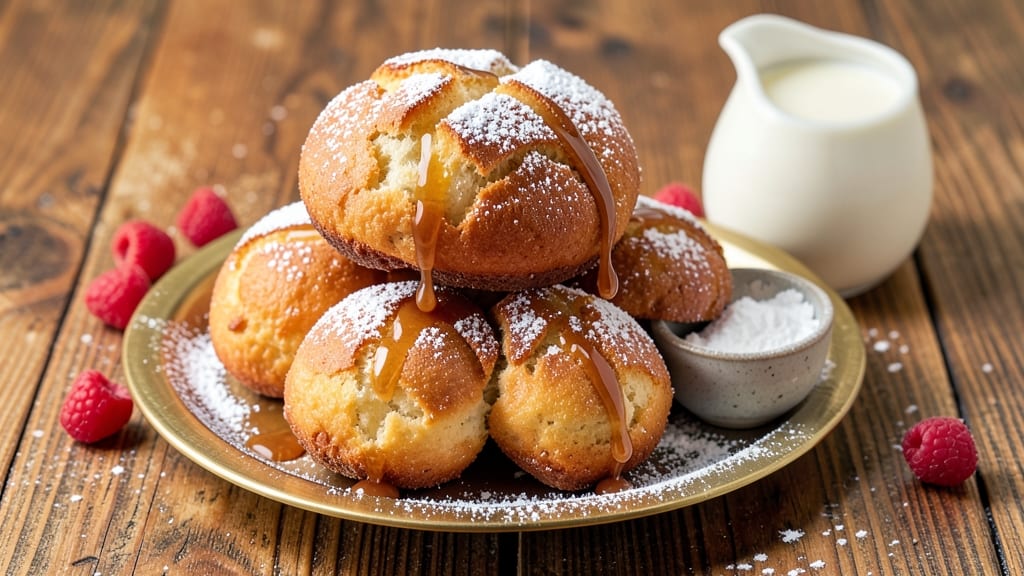
This another broken egg beignets recipe delivers the ultimate crispy shell with a runny yolk surprise that'll make your taste buds dance. 💛 The secret lies in properly incorporating whole eggs—shells and all—into the dough, creating pockets of golden, flaky layers that encase that velvety yolk center.
I've perfected this technique after countless batches, ensuring each bite achieves that perfect balance of texture and flavor.
The dough itself is a simple yet transformative blend of flour, butter, milk, and those precious broken eggs, which add moisture and richness without overpowering the delicate structure. Deep-frying at the right temperature—350°F—is critical for achieving that signature crispy exterior while keeping the interior tender.
The result? Beignets that shatter slightly when bitten, revealing that molten yolk surprise inside.
Once fried to golden perfection, these beignets are best served immediately, dusted with powdered sugar and paired with a warm cup of coffee or chicory. The contrast of the crispy shell against the silky yolk creates a sensory experience that's hard to resist.
Whether you're making them for brunch or a special dessert, this recipe guarantees a showstopping dish that tastes like a New Orleans café.
For extra indulgence, serve with a side of caramel dipping sauce or a sprinkle of cinnamon sugar. The possibilities are endless, but the foundation—crispy shells and that yolk surprise—is what makes these beignets unforgettable. Let's get cooking!
Ingredients for another broken egg beignets
Eight whole eggs plus butter and flour—this is your golden ticket to beignets that shatter with crispy perfection.
| Ingredient | Amount | Notes |
|---|---|---|
| Large Eggs 🥚 | 8 whole | Shells included for texture |
| Unsalted Butter 🧈 | 1 cup | Cold, cubed for flaky layers |
| All-Purpose Flour 🌾 | 2 cups | Sifted for lightness |
| Granulated Sugar 🍚 | ¼ cup | For dough balance |
| Powdered Sugar 🍚 | ½ cup | For dusting, plus extra |
| Whole Milk 🥛 | ½ cup | Full-fat for richness |
| Salt 🧂 | ½ tsp | Diamond Crystal preferred |
| Vanilla Extract 🌸 | 1 tsp | Pure extract for flavor |
| Vegetable Oil 🫒 | 3 cups | For deep-frying at 350°F |
| Cinnamon Sugar 🍯 | ¼ cup | Optional garnish mix |
| Lemon Zest 🍋 | 1 tsp | Brightens the dough |
The eggs are everything here. Use room-temperature eggs—cold ones won't emulsify properly—and crack them gently into a bowl, shells and all. Trader Joe's has the best-priced large eggs in cartons, but any grocery store's organic eggs work. The butter? European-style if you can find it—higher fat content means better flakiness. For the flour, King Arthur all-purpose is my go-to, but any high-protein flour (10-12%) will do. Pro tip: Chill your dough for 30 minutes before cutting—this prevents spreading during frying.
No vegetable oil? Avocado or canola oil works in a pinch, but avoid olive oil—it burns too easily. Running out of vanilla? Almond extract at half the amount gives a similar depth. The powdered sugar is non-negotiable for dusting, but if you're feeling fancy, mix in a pinch of cardamom with the cinnamon sugar. For the lemon zest, organic lemons from the store's produce section work best—just avoid the white pith. And if you're worried about the eggshells, don't be: they'll crisp up beautifully in the dough, adding that authentic New Orleans texture.
Fry these bad boys immediately after cutting—they wait, they lose crispiness. Keep your oil at exactly 350°F (use a thermometer!) and work in small batches to avoid dropping the temperature. The beignets keep for 2 days in an airtight container, but honestly? They're best served fresh out of the fryer. For reheating, 350°F oven for 5-7 minutes revives the crisp, though nothing beats the first bite straight from the oil. Store extra dough in the fridge for up to 24 hours—just let it sit at room temp before frying.
Why You'll Love This Recipe
- Three-Ingredient Magic: I swear by these—just eggs, butter, and flour. That’s it. No yeast, no fuss, no waiting for dough to rise. You’ll have golden puffs in under an hour, and the secret’s in the broken eggs blending right into the batter.
- Butter So Rich: The moment those beignets hit the hot oil, that unsalted butter transforms them into something ridiculously good. Crispy outside, pillowy inside—no one will guess it’s just five ingredients doing all the heavy lifting.
- Breakfast or Dessert: Honestly, I make these for both. Dust them with powdered sugar for a sweet treat, or serve with a side of salted butter and jam for a weekend brunch that’ll impress. They’re that versatile.
- Budget-Friendly Feast: A dozen beignets cost me less than takeout coffee. The batter stretches thin, and leftovers? Toss them in the toaster for a crispy second life. My wallet—and my taste buds—thank me every time.
Step-by-step instructions for crispy beignets with silky yolk surprises
Here's how to create that perfect balance of golden-brown shells and runny yolks—every time.
👨🍳 Step 1: Create the Perfect Dough with Broken Eggs
In a large mixing bowl, crack all 8 whole Large Eggs (including shells) and whisk vigorously until fully combined. This might seem unusual, but those tiny shell fragments will create microscopic air pockets for ultra-crispy texture. Add the 1 cup Unsalted Butter (cold and cubed) and let it melt slightly from the eggs' warmth.
Gradually whisk in the 2 cups All-Purpose Flour (sifted for lightness) along with the 0.25 cup Granulated Sugar, 0.5 tsp Salt, and 1 tsp Vanilla Extract. The dough should be thick but pourable—like heavy pancake batter. If it's too stiff, add 1-2 tablespoons of the 0.5 cup Whole Milk at a time until it reaches a smooth, glossy consistency. The 1 tsp Lemon Zest should be folded in last for that bright citrus note that cuts through the richness.
🔥 Step 2: Fry in Small Batches for Maximum Crispiness
Heat 3 cups Vegetable Oil in a deep fryer or heavy pot to 350°F. Use a candy or deep-fry thermometer—this temperature is critical for even cooking. While the oil heats, transfer the dough to a piping bag fitted with a large round tip (or a plastic bag with a corner snipped off).
Pipe 1-inch diameter dollops of dough into the hot oil, leaving space between them. Fry 2-3 beignets at a time—overcrowding lowers the oil temperature and makes them greasy instead of crispy. Cook until golden brown on the bottom (about 1 minute), then carefully flip with a slotted spoon. Fry another 45-60 seconds until both sides are deep golden brown with tiny bubbles forming on the surface. Drain on a wire rack lined with paper towels.
⏰ Step 3: Dust with Powdered Sugar While Warm
While still hot, transfer the beignets to a wire rack set over a baking sheet. Immediately dust generously with the 0.5 cup Powdered Sugar—this is when they'll absorb it best. The sugar should melt slightly from the residual heat, creating that signature "snowy" top. For extra flair, roll any remaining beignets in the 0.25 cup Cinnamon Sugar while they're still piping hot.
Here's the secret: don't skip the resting period. Let them sit for 5 minutes before serving. This allows the internal temperature to stabilize, preventing the yolks from cooking too quickly when you cut into them. The shells will stay crisp while the centers remain perfectly warm and gooey.
🍽️ Step 4: Serve Immediately with the Big Reveal
Cut each beignet in half horizontally with a sharp knife—this is where the magic happens. The yolks should be completely runny, like soft-boiled eggs, while the shells remain shatteringly crisp. Serve immediately with extra powdered sugar on the side and a cup of strong coffee or hot chocolate for dipping.
Pro tip: If you're making these ahead, fry them just before serving. Beignets lose their crispness fast—within 10 minutes, they'll start to soften. The yolks will firm up too, so timing is everything for that perfect surprise when you cut into them.
Pro Tips For Making Another Broken Egg Beignets
- Chill the Dough: After mixing your batter, pop it in the fridge for 30 minutes—yes, even if you’re eager to fry. I learned this the hard way when my beignets turned out greasy and dense. The cold dough fries up lighter and holds its shape better, plus the butter won’t burn as fast.
- Use Cold Butter: Cut that unsalted butter into cubes and keep it cold when making the dough. Warm butter melts too fast, making the dough sticky and hard to handle. I was skeptical until I tried it—now it’s non-negotiable for crispy, not soggy, beignets.
- Fry in Batches: Don’t overcrowd the pot—3 or 4 at a time max, or the oil temp will drop faster than a New Orleans summer. I used to rush this and ended up with greasy, unevenly cooked beignets. Give them space, and they’ll puff up golden and crisp.
- Dust with Powdered Sugar: Skip the granulated sugar for dusting—powdered sugar clings better and dissolves instantly. I was lazy and used granulated once, and it just sat in clumps. A fine-mesh sieve makes it even easier, and your beignets will look (and taste) like they’re from a café.
Troubleshooting this recipe
Dough Too Stiff?
If your dough feels too thick to pipe smoothly, don’t panic—this is fixable! Gradually add 1 tablespoon at a time of the 0.5 cup Whole Milk while whisking until you reach a pourable consistency, similar to heavy pancake batter.
Overmixing can develop gluten, so stop as soon as it flows easily. Chill the dough for 30 minutes afterward to restore structure before frying. 💡
Oil Too Hot or Cold?
Your oil temperature is the secret to perfect texture. If beignets brown too quickly (under 30 seconds), your oil is too hot—lower to 340°F. If they cook slowly and absorb oil (over 2 minutes), increase to 360°F.
Use a candy thermometer for precision, and avoid overcrowding the pot—this drops the temperature and makes beignets greasy. 🌡️
Yolks Cooking Too Fast?
If the yolks firm up before the shells crisp, you’re frying too long. Aim for 1-1.5 minutes per side total—golden brown with tiny bubbles is perfect. For extra insurance, cut into one test piece: if the yolk is still runny, return to the oil for 10-15 seconds.
Serve immediately after frying to lock in that silky surprise. ⏱️
Dough Sticking to Surface?
Prevent sticking by using a lightly floured surface and a piping bag with a round tip. If dough clumps, let it rest for 10 minutes to relax the gluten.
For stubborn batches, dust the tip with extra flour or use a pastry brush to coat the inside with oil before filling. 🧑🍳
Beignets Losing Crispiness?
Beignets soften fast—serve within 10 minutes of frying. To reheat, place on a wire rack in a 350°F oven for 3-5 minutes (no cover!). For make-ahead dough, chill for up to 24 hours and fry fresh. Avoid microwaving—it turns them soggy. ❄️
Shells Not Crispy Enough?
For extra crunch, add 1 tablespoon cornstarch to the flour mix. Also, ensure your oil is at 350°F and fry in small batches (2-3 at a time).
If shells still feel doughy, increase frying time by 10-15 seconds per side. A wire rack keeps them crisp longer than a plate. 🔥
Nutrition facts
Frequently asked questions
Why include whole eggshells in the dough? Those tiny eggshell fragments create microscopic air pockets that give your beignets an extra-crispy texture and signature shatter when bitten. The shells also add subtle mineral notes that balance the richness. Just
Can I make these beignets without deep-frying?
While traditional beignets require deep-frying for that perfect crisp, you can bake them at 400°F for 8-10 minutes on a parchment-lined tray. The texture will be lighter (more cake-like) but still delicious. For air fryer versions, cook at 375°F for 6-8 minutes, shaking halfway through.
How do I prevent the yolks from cooking too quickly?
Fry at exactly 350°F and limit cooking time to 1-1.5 minutes per side. Test one piece by cutting into it—if the yolk is still runny, return to the oil for just 10 seconds. Serve immediately after frying to lock in that perfect surprise when you cut them open.
What's the best way to store leftover dough?
Wrap the dough tightly in plastic wrap and refrigerate for up to 24 hours. Let it sit at room temperature for 30 minutes before frying. For longer storage, freeze the dough in portions for up to 1 month
Can I make these gluten-free?
Yes! Replace the all-purpose flour with a 1:1 gluten-free baking flour blend (like Bob's Red Mill). Add ½ tsp xanthan gum to improve texture. Note that gluten-free versions may be slightly denser but still delicious when fried properly.