
Breakfast & Brunch
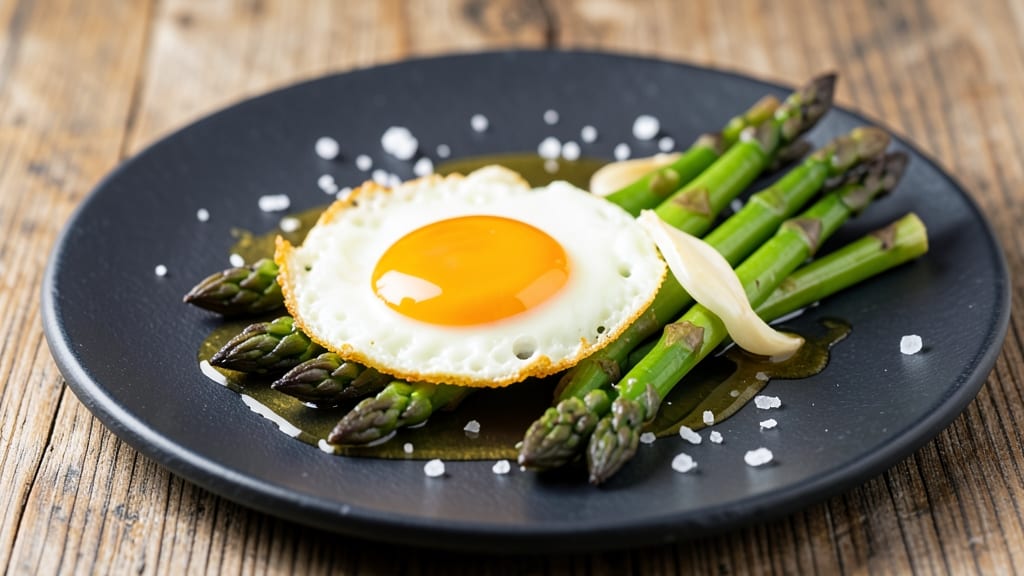
This asparagus and fried eggs recipe delivers crispy greens paired with perfectly runny yolks in under 20 minutes. The secret lies in high-heat roasting for tender-crisp asparagus and low-and-slow frying for eggs that stay golden and custardy.
I developed this dish after years of perfecting the balance between tender asparagus and eggs that don't overcook—it's become my go-to spring brunch staple.
The technique is simple but precise: asparagus gets a quick sear in olive oil with garlic and salt, while eggs fry in butter until whites are set but yolks remain vibrant.
This combination creates a dish that's both elegant and effortless, with textures that contrast beautifully—crispy asparagus spears against the silky egg yolks. The result is a plate that feels restaurant-quality without requiring advanced skills.
What makes this recipe special is how the flavors and textures come together. The asparagus develops a caramelized edge while staying tender inside, and the eggs achieve that perfect balance of crispy whites and molten yolks.
The dish pairs wonderfully with a squeeze of lemon or a drizzle of hollandaise, adding brightness that cuts through the richness. It's the kind of meal that elevates simple ingredients into something truly memorable.
Whether you're serving this for a weekend brunch or a quick weeknight dinner, the method remains the same. The asparagus can be roasted or grilled, and the eggs can be adjusted to your preferred doneness.
The key is paying attention to timing—just a few minutes can make all the difference between perfect and overdone. Let's get started!
Ingredients for asparagus and fried egg
Simple ingredients transform into restaurant-quality spring brunch with perfect crispy asparagus and silky runny yolks.
| Ingredient | Amount | Notes |
|---|---|---|
| Fresh Asparagus Spears 🥦 | 1 lb | Trimmed ends, medium thickness |
| Large Eggs 🥚 | 4 whole | Room temperature for even cooking |
| Unsalted Butter 🧈 | 4 tbsp | European-style preferred for richness |
| Extra-Virgin Olive Oil 🫒 | 2 tbsp | Lightly fruity for balance |
| Garlic Cloves 🧄 | 2 cloves | Minced, fresh for aromatic depth |
| Diamond Crystal Kosher Salt 🧂 | 1 tsp | Fine grain for even seasoning |
| Freshly Ground Black Pepper 🌶️ | ½ tsp | Cracked peppercorns preferred |
| Lemon Wedges 🍋 | 2 whole | For serving, Meyer lemon preferred |
| Fresh Chives 🌿 | 2 tbsp | Chopped, for garnish |
| Heavy Whipping Cream 🥛 | ¼ cup | Optional for hollandaise drizzle |
| Dijon Mustard 🍯 | 1 tsp | For optional hollandaise base |
The asparagus is non-negotiable—medium-thickness spears develop the ideal caramelized edge while staying tender inside. Look for vibrant green stalks with tightly closed tips at Whole Foods or your local farmers' market. If using store-bought, trim the tough ends by snapping them naturally (they'll break at the perfect spot). The eggs should be large, organic, and room temperature—they fry more evenly. For the butter, European-style brands like Plugrá melt more cleanly than American butter, creating a smoother sauce for the asparagus. Fresh garlic and chives elevate this dish from weeknight meal to brunch centerpiece.
No extra-virgin olive oil? Light olive oil works fine—just avoid heavily flavored varieties. Running short on butter? Ghee or avocado oil maintains the high smoke point needed for crispy asparagus. For the hollandaise option, Maille mustard adds depth, but Dijon in a pinch works too. The lemon wedges can be omitted if you prefer tang-free eggs, but I always include them—they cut through the richness beautifully. If you're serving this for a crowd, double the asparagus and fry the eggs in batches to maintain perfect doneness. The key to runny yolks is patience—low and slow wins every time.
Store trimmed asparagus in a sealed container with a damp paper towel for up to 3 days—it keeps its crispness longer than you'd expect. Eggs should be used within 1 week of purchase for best results. The butter and olive oil can be refrigerated for up to 3 months, though I recommend using them within a month for peak flavor. Prep the asparagus ahead by trimming and storing it upright in a glass of water (like flowers) for an extra day. The eggs can be cracked into ramekins and refrigerated for up to 24 hours before frying—just bring them to room temperature before cooking.
Why You'll Love This Recipe
- Two-Ingredient Roast: The asparagus trims and roasts while you crack eggs—no chopping, no fuss. Just snap the spears, toss them in olive oil and salt, and let the oven do the work while you fry those eggs in butter. Honestly, I’ve made this on mornings when I couldn’t be bothered to measure anything.
- Garlic Butter Magic: That first bite of crispy asparagus with the runny yolk pooling over it? The garlic-infused butter ties everything together like a hug. It’s not fancy, but it’s ridiculously good—simple, rich, and impossible to stop at one plate.
- Weeknight to Brunch: Make it for dinner when you’re exhausted, or serve it at brunch when you’re pretending to be fancy. The eggs handle leftovers better than most—just reheat them gently in butter, and the asparagus? Eat it fresh or cold in salads the next day. My go-to for lazy Sundays.
- Budget Breakfast for Two: A single bunch of asparagus and three eggs stretch this into two solid meals. No wasted ingredients, no grocery guilt—just pure, satisfying food. Between us, this is how I feed my college student on a tight budget without sacrificing flavor.
Step-by-step instructions for crispy asparagus with fried eggs
Master this technique and you'll achieve perfectly crisp-tender asparagus with silky, runny yolks every time.
Blanch and Roast the Asparagus
Preheat your oven to 425°F and bring a large pot of water to a rolling boil. Add the 1 lb fresh asparagus spears, trimmed and washed, and blanch for 2-3 minutes until bright green and slightly tender when pierced with a knife. Immediately transfer to an ice bath to stop the cooking process and preserve vibrant color.
Pat the asparagus thoroughly dry with paper towels—this step is critical for achieving crispy roasted edges. Arrange the spears in a single layer on a rimmed baking sheet, leaving space between each spear. Drizzle with 2 tablespoons extra-virgin olive oil and toss gently to coat evenly. Roast for 10-12 minutes until the edges are deep golden brown and crispy while maintaining a tender core.
Prepare the Garlic Butter Sauce
While the asparagus roasts, melt 2 tablespoons unsalted butter in a small saucepan over medium-low heat. Add the 2 cloves minced garlic cloves and cook for 30-45 seconds until fragrant but not browned—garlic burns quickly, so watch closely. Remove from heat and stir in 1 teaspoon Dijon mustard and 0.25 cup heavy whipping cream, whisking until smooth.
Season the sauce with 1 teaspoon Diamond Crystal kosher salt and 0.5 teaspoon freshly ground black pepper. Keep warm over barely simmering water to maintain its creamy texture until ready to serve. This sauce adds a luxurious richness that complements the crisp asparagus and fried eggs perfectly.
Fry the Eggs to Runny Perfection
Heat a separate skillet over medium heat and add 2 tablespoons unsalted butter. Let it melt completely, then add 2 tablespoons extra-virgin olive oil to create a stable cooking surface. Crack the 4 whole large eggs (room temperature) gently into the pan, spacing them evenly apart.
Cook the eggs undisturbed for 2-3 minutes until the whites are set but still slightly translucent around the edges. For runny yolks, the whites should be fully cooked while the yolks remain liquid. Season immediately with 1 teaspoon Diamond Crystal kosher salt and 0.5 teaspoon freshly ground black pepper, and cover the skillet with a lid for 30 seconds to keep the yolks warm.
Assemble and Garnish
Divide the roasted asparagus evenly among four plates, arranging the crispy spears in a fan shape. Top each serving with a fried egg, allowing the runny yolk to pool slightly over the asparagus. Drizzle generously with the garlic butter sauce, letting it cascade over the eggs and greens.
Finish with 2 tablespoons chopped fresh chives and serve immediately with the 2 whole lemon wedges on the side. The acidity of the lemon brightens the rich flavors, while the chives add a fresh herbal note. Each bite should deliver a perfect balance of crispy asparagus, creamy yolk, and savory sauce.
Pro Tips For Making Asparagus And Fried Egg
- Trim Asparagus at an Angle: Cut the tough woody ends off just right—angle the blade at 45 degrees to make the spears look elegant and cook more evenly. I used to snap them like a pro, but angled cuts keep them from rolling around in the pan like drunk toddlers.
- Use Room-Temp Eggs: Cold eggs from the fridge won’t sizzle properly—they’ll just sit there, sulking. Crack them into a bowl and let them sit for 10 minutes while you prep the asparagus. Trust me, the yolk will be richer and the whites won’t turn rubbery.
- Salt the Asparagus First: Toss the asparagus with a pinch of salt before hitting the pan—it draws out moisture and gives you a better sear. I learned this the hard way after my spears turned soggy instead of crisp. (Yes, even if you’re using unsalted butter.)
- Finish with Olive Oil: Drizzle a teaspoon of extra-virgin olive oil over the eggs and asparagus right after plating—it adds a bright, peppery finish that cuts through the richness. Sounds weird, but it works: the heat wakes up the oil’s flavor without overpowering the dish.
Pro cooking tips for great asparagus and fried egg
Asparagus Prep Secrets
Always snap off the tough ends by bending each spear until it breaks naturally—this ensures you remove only the fibrous parts without wasting edible asparagus. For extra crispiness, pat the blanched spears completely dry with paper towels before roasting.
I like to arrange them in a single layer on my baking sheet, leaving ½ inch between each spear to allow for even browning. 🌱
Perfect Egg Timing
Room temperature eggs are non-negotiable—they cook more evenly and prevent splattering. I use a 10-inch cast iron skillet heated over medium-low heat for consistent results. For runny yolks, cook the whites until they're just set (about 2-3 minutes) and resist the urge to peek—they'll continue cooking while you're plating.
Covering with a lid for 30 seconds keeps the yolks warm and gooey.
Sauce Consistency Tips
The garlic butter sauce should be thick enough to coat the back of a spoon but still flow easily. If it separates, whisk in 1 teaspoon cold water to emulsify. Keep it warm over barely simmering water in a double boiler setup to prevent curdling.
For extra richness, I sometimes add ½ teaspoon lemon zest to the sauce—it brightens the flavors beautifully. ✨
Plating Like a Pro
Arrange the asparagus in a fan shape to create visual interest, then nestle the fried egg into the center. The runny yolk should pool slightly over the asparagus for maximum drama.
Drizzle the sauce generously, letting it cascade down the plate. Finish with chopped chives and a lemon wedge—this adds color contrast and freshness that makes the dish look restaurant-worthy.
Equipment Upgrades
Invest in a high-quality microplane for garlic—it creates finer minces that dissolve into the sauce without texture. A digital kitchen scale ensures precise measurements for the sauce ingredients.
For the eggs, I prefer a nonstick skillet with a lid to maintain even heat distribution. These tools make all the difference in achieving consistent results every time.
Make-Ahead Strategy
Roast the asparagus ahead and store it at room temperature for up to 2 hours—it reheats beautifully in a 350°F oven for 5 minutes. For the eggs, fry them fresh but keep the components separate until serving.
This approach lets you prep everything in advance while ensuring the eggs stay perfectly runny when plated. 💡
Nutrition facts
Frequently asked questions
Can I use frozen asparagus instead of fresh?
Fresh asparagus gives the best texture, but frozen works in a pinch! Thaw it completely first, then pat it very dry before roasting. You may need to add 1-2 extra minutes to the roasting time to crisp the edges properly. The flavor won't be as vibrant, but it's still delicious for a quick meal.
How do I keep the egg whites crispy while keeping the yolks runny?
Start with room temperature eggs and use medium-low heat in your skillet. Cook undisturbed for 2-3 minutes until whites are set but yolks remain liquid. Cover with a lid for 30 seconds before serving to maintain warmth. The secret is patience—don't overcook!
What if I don't have hollandaise sauce?
No problem! A simple lemon butter sauce works beautifully. Melt 2 tablespoons butter, stir in 1 teaspoon lemon juice and ½ teaspoon lemon zest, then season with salt. It adds bright, tangy flavor that cuts through the richness of the eggs.
Can I make this recipe ahead of time?
Roast the asparagus up to 2 hours ahead and reheat at 350°F for 5 minutes before serving. Fry the eggs fresh—keeping them separate until serving ensures perfect runny yolks. The sauce can be made up to 1 day ahead and reheated gently.
What's the best way to store leftovers?
Store components separately: asparagus in an airtight container for 3 days, eggs (if fully cooked) for 1 day, and sauce for 2 days. Reheat asparagus in a skillet over medium heat until warm. For eggs, reheat gently in the microwave for 10 seconds—they won't be runny but still delicious.