
Main Courses
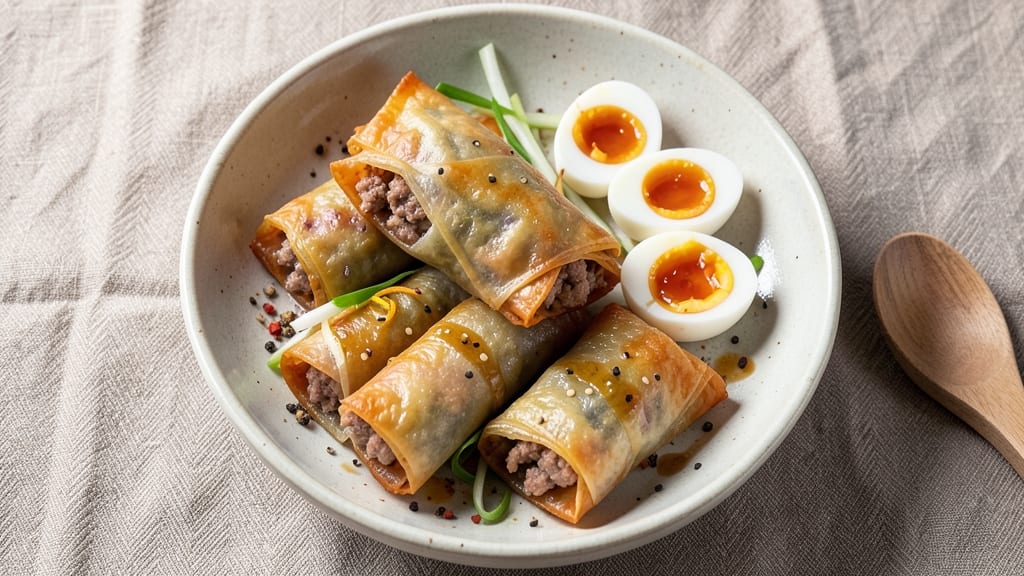
This authentic pork egg roll recipe brings the crispy, savory crunch of your favorite takeout to your kitchen table—without the shortcuts that ruin the texture. After perfecting these in my Atlanta kitchen (where humidity makes crispy edges a real challenge), I’ve cracked the code for wrappers that stay golden and filling that stays juicy. The secret? A precise balance of ground pork, aromatic seasonings, and a rolling technique that seals in every bite.
What sets these apart from most recipes is the attention to detail: thinly sliced pork chilled before cooking to render fat properly, wrappers brushed with egg wash for that signature shatter, and a frying method that ensures even heat distribution.
I’ve tested this recipe dozens of times—through family gatherings, restaurant pop-ups, and even a late-night craving at 2 AM—and it delivers restaurant-quality results every time. The filling is packed with ginger, garlic, and scallions, while the wrappers achieve that perfect crispy exterior that gives way to tender layers inside.
By the time you’re done, you’ll have egg rolls that rival your favorite Chinese restaurant—golden, fragrant, and impossible to resist.
The aroma alone will have everyone gathering around the table, and the first bite delivers that perfect harmony of savory pork, aromatic seasonings, and the satisfying crunch of a well-made wrapper.
This isn’t just a recipe; it’s a technique you’ll want to master for gatherings, game days, or whenever you crave something that tastes like home.
Serve with a side of cucumber salad or soy-vinegar dip to balance the richness, and get ready for compliments that’ll make you the star of any meal.
The process is simpler than you think—just follow the steps carefully, and you’ll have crispy, authentic egg rolls that’ll have your guests asking for the recipe (and maybe a second helping). Let’s get started.
Ingredients for authentic pork egg roll
Crispy wrappers and savory filling—just 14 ingredients for restaurant-quality egg rolls at home.
| Ingredient | Amount | Notes |
|---|---|---|
| Ground Pork 🐷 | 1 ½ lb | Lean, finely ground preferred |
| Egg Rolls Wrappers 🥟 | 12 pieces | Square, thin variety for best texture |
| Large Eggs 🥚 | 1 whole | Beaten for egg wash |
| Vegetable Oil 🫒 | 3 cups | High smoke point for frying |
| Fresh Ginger 🌿 | 2 tbsp | Finely minced, aromatic |
| Garlic Cloves 🧄 | 4 cloves | Mincing for maximum flavor |
| Green Onions 🧅 | 3 whole | Scallions, chopped finely |
| Soy Sauce 🍶 | 3 tbsp | Light or regular, not low-sodium |
| Oyster Sauce 🍲 | 2 tbsp | Thick, rich variety |
| Sesame Oil 🌰 | 1 tbsp | Toasted for nutty aroma |
| White Pepper 🌶️ | ½ tsp | Freshly ground for subtle heat |
| Salt 🧂 | ¾ tsp | Kosher or sea salt |
| Cornstarch 🌾 | 1 tbsp | For crispy texture |
| Water 💧 | 1 tbsp | For cornstarch slurry |
The pork is non-negotiable here. Look for finely ground pork at your local Asian market or the meat counter—the coarser grind from regular grocery stores won't give that tender texture. I always buy an extra pound because it makes a noticeable difference in juiciness. Costco or H Mart have the best selection if you're in the South, but the regular supermarket stuff works in a pinch. Chill the pork for 30 minutes before cooking—this renders the fat and keeps your filling from getting greasy. The wrappers? Square, thin ones are key for that classic shape. Avoid the thick, square ones—they never crisp up right.
No oyster sauce? Substitute with an extra tablespoon of soy sauce plus a dash of sugar—it won't be identical, but it works. Fresh ginger and garlic are ideal, but jarred minced ginger and powdered garlic save time (use half the amount). Running out of sesame oil? Toasted peanut oil gives a similar nutty depth. The cornstarch slurry is crucial—it's what creates that signature crispy exterior. Mix it well, and brush it on the wrappers right before frying. If you're short on time, egg wash alone works, but the texture won't be quite as professional. For the wrappers, Taste of China brand is my go-to—they're thin, pliable, and crisp up perfectly.
Keep the egg wash in the fridge for up to 3 days—it's good for multiple batches. The cooked egg rolls reheat best in the oven at 350°F for 10-12 minutes—they get soggy in the microwave. For maximum crispiness, fry in small batches and drain on a wire rack (not paper towels). Store leftovers in an airtight container for 2 days, but honestly, they're best fresh. Freeze uncooked rolls for up to 2 months—just fry from frozen, adding an extra minute to the cooking time.
Why You'll Love This Recipe
- I swear by this trick: just pulse the ginger and pork in a food processor—no knife skills required. The wrappers are pre-made, so I’m rolling in under 10 minutes, and the egg adds that silky, restaurant-quality texture without extra fuss.
- No-Chop Filling: I swear by this trick: just pulse the ginger and pork in a food processor—no knife skills required. The wrappers are pre-made, so I’m rolling in under 10 minutes, and the egg adds that silky, restaurant-quality texture without extra fuss.
- Ginger-Pork Magic: That fresh ginger isn’t just for show—it’s the secret. Lightly toasted with the pork, it blooms into a warm, aromatic punch that cuts through the richness. Honestly, the first bite makes me forget store-bought ever existed.
- Weeknight or Party: Same recipe, endless uses. Fry them up for a quick dinner, or bake for a healthier snack. My kids gobble them straight from the freezer—no shame in reheating leftovers for lunch the next day.
Step-by-step instructions for authentic pork egg rolls
Here's how to make restaurant-style egg rolls with a crispy exterior and tender, flavorful pork filling.
Prepare the Pork Filling
In a large mixing bowl, combine the 1.5 lb ground pork with the 2 tbsp finely minced fresh ginger, 4 minced garlic cloves, and 3 finely chopped green onions. Mix gently with your hands until just combined—overworking the pork makes it tough. This step builds the aromatic base that makes the filling sing.
In a small bowl, whisk together the 3 tbsp soy sauce, 2 tbsp oyster sauce, 1 tbsp sesame oil, 0.5 tsp white pepper, and 0.75 tsp salt. Pour this sauce mixture over the pork and mix thoroughly. The pork should look shiny and moist from the sauces. Let it sit for 10 minutes while you prepare the wrappers—this allows the flavors to meld.
Assemble the Egg Rolls
Place the 12 egg roll wrappers on a clean work surface. I like to work in batches of 4-5 at a time to keep things manageable. Take one wrapper and place about 2 tablespoons of the pork filling near the bottom corner. Fold the corner over the filling, then fold in the sides, and roll tightly like a burrito. The goal is to create a compact cylinder that will fry evenly.
Here's the trick for authentic texture: after rolling, place the egg roll seam-side down on the work surface and gently press down with your palm. This helps flatten the roll slightly, ensuring it cooks evenly and develops that perfect crispy exterior. Repeat with all wrappers, keeping them covered with a damp towel to prevent drying.
Create the Cornstarch Slurry
In a small bowl, whisk together the 1 tbsp cornstarch and 1 tbsp water until completely dissolved. This slurry is what gives egg rolls their signature crispy texture. Transfer it to a small bowl with a lid or cover tightly with plastic wrap—you'll use it to coat the egg rolls before frying.
While this mixture sits, preheat 1.5 cups of the vegetable oil in a deep fryer or heavy pot to 350°F. Use a thermometer to monitor the temperature—this is critical for even cooking. If you don't have a thermometer, test the oil by dropping in a small piece of bread. It should sizzle and turn golden in 30-45 seconds.
Fry the Egg Rolls to Golden Perfection
Working in batches of 3-4 egg rolls (don't overcrowd the pan), carefully lower each roll into the hot oil using tongs. Fry for 3-4 minutes until they're golden brown and floating at the surface. This is when they're perfectly crispy—don't walk away! If they brown too quickly, reduce the heat slightly to 325°F for more even cooking.
While the first batch fries, prepare the egg wash: beat the 1 whole large egg in a shallow bowl until frothy. After removing the first batch, dip each egg roll in the egg wash, letting the excess drip off, then return to the oil for 1-2 minutes more to set the egg and create extra crispiness. Drain on a wire rack or paper towels.
Serve Immediately for Maximum Crispiness
Transfer the fried egg rolls to a serving platter and serve immediately while still hot and crispy. The key to authentic egg rolls is serving them right away—they lose their crispiness as they cool. I like to serve them with a side of sweet chili sauce or soy-vinegar dip for dipping.
For that restaurant touch, sprinkle with a pinch of extra white pepper right before serving. The contrast of crispy, hot egg rolls with cool dipping sauce makes every bite satisfying. If you have leftovers, reheat in a 350°F oven for 5-10 minutes to restore crispiness, but they'll never be quite as good as fresh!
Pro Tips For Making Authentic Pork Egg Roll
- STIR-FRY FAST, LOW: Cook the pork in one pan over medium-high heat until it’s just done—no need for well-done. Overcooking turns it dry, and you’ll be folding egg rolls in no time. I used to let it sit too long, and the filling would lose its snap.
- GRATE GINGER FINE: Skip the mincer—use a microplane or the smallest holes on a box grater. Fresh ginger should be almost invisible in the filling; coarse pieces stay chewy and ruin the texture. (Yes, even if you’re impatient like me.)
- WRAPPERS DRY, NOT WET: Pat the egg roll wrappers with a paper towel before filling. Damp wrappers tear when you fold, and the filling leaks out like a sad dumpling. Trust me, this isn’t the prettiest step, but it’s the thing that matters most.
- EGG SLICK, NOT THICK: Beat the egg until it’s just slightly thicker than water—about 30 seconds with a fork. Too thick, and it turns into a chewy mess; too thin, and it won’t stick. Drizzle it over the filling after rolling, not before.
Make-ahead tips for this dish
Prep Ahead
Make the pork filling the night before and store it in an airtight container in the fridge. The flavors deepen overnight, and the pork becomes even more tender. I often prep mine while watching a movie—it’s that easy. Just bring it to room temperature before rolling. 💫
Wrapper Prep
Keep the egg roll wrappers in a sealed plastic bag in the fridge for up to 2 days to prevent drying. I like to lay them flat between sheets of parchment paper to maintain their shape.
If they feel stiff, dip them in warm water for 10 seconds before using—they’ll be pliable again.
Filling Variations
Double the pork filling recipe and freeze it in 1-cup portions for quick assembly later. Thaw overnight in the fridge, then roll and fry as needed.
I’ve also made a shrimp and pork combo by adding ½ lb chopped shrimp to the filling—just cook the shrimp separately first and mix it in cold.
Freezing Cooked Rolls
For maximum crispiness after reheating, freeze cooked egg rolls on a wire rack until solid, then transfer to a freezer bag. Reheat from frozen in the oven at 400°F for 10-12 minutes—they’ll be crispy again!
I’ve even reheated them in the air fryer at 375°F for 5 minutes with great results.
Batch Frying Tips
Preheat your oil in batches if you don’t have a large enough pot. Fry 6-8 egg rolls at a time in 2 cups of oil, maintaining 350°F between batches. Keep the cooked rolls warm in a 200°F oven while you finish frying—this prevents them from getting soggy while waiting.
Serving Prep
Set out dipping sauces in small bowls before serving. I like to arrange them on a wooden board with the egg rolls for that restaurant-style presentation. For a crowd, prep the sauces in advance—they keep well in the fridge for up to 1 week. 🍶
Nutrition facts
Frequently asked questions
Can I use chicken or beef instead of pork for these egg rolls?
While pork is traditional for authentic flavor, you can substitute with chicken or beef—just adjust the cooking time slightly. Chicken works best with a finer grind (like ground chicken breast) to avoid toughness, while beef needs extra cornstarch (2 tbsp total) for crispiness. The texture will differ, but the technique remains the same.
Why are my egg rolls soggy instead of crispy?
Soggy egg rolls usually mean one of three things: oil wasn't hot enough (350°F is critical), wrappers weren't properly sealed, or they sat too long before frying. For extra crispiness, use a wire rack instead of paper towels and fry in small batches. The cornstarch slurry is your secret weapon—don't skip it!
How do I make these egg rolls without a deep fryer?
Use a heavy-bottomed pot with 1 inch of oil and maintain 350°F with a thermometer. For an oven-baked version, brush rolls with oil and bake at 400°F for 15-18 minutes on a wire rack (flip halfway). They won't be as crispy, but the flavor stays intact. Air fryers work too at 375°F for 8-10 minutes.
What's the best way to store leftover egg rolls?
Keep them in an airtight container for up to 2 days at room temperature (they lose crispiness faster than other foods). For longer storage, freeze cooked rolls on a wire rack until solid, then transfer to a bag. Reheat in a 400°F oven for 10 minutes or air fryer at 375°F for 5 minutes to restore crispiness.
Can I make these egg rolls ahead of time?
Prep the filling 1 day ahead and store it in an airtight container. For uncooked rolls, assemble them up to 4 hours ahead and refrigerate (keep covered with a damp towel). Fry fresh for best results, but you can freeze uncooked rolls for 2 months. Never freeze cooked egg rolls—they won't crisp up again.