
Breakfast & Brunch
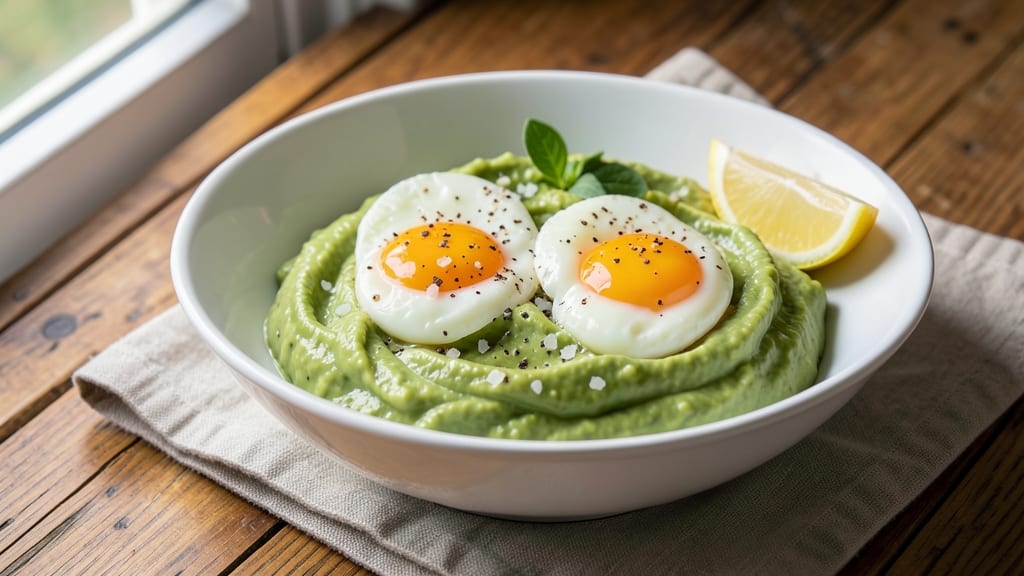
This avocado egg mayonnaise delivers the ultra-creamy texture of classic mayo with plant-based richness and a zesty kick. 💛 The secret lies in blending ripe avocados with egg yolks and neutral oil until perfectly emulsified—no lumps, no separation, just velvety smoothness that transforms sandwiches, salads, and wraps into gourmet meals.
I developed this recipe after years of experimenting with plant-based alternatives, and it finally matches the luxurious mouthfeel of traditional mayo while keeping it egg-free.
The magic happens in the blending technique: a food processor or high-powered blender ensures the avocado and egg yolks combine smoothly with the oil, creating an emulsion that holds together beautifully.
You'll need ripe avocados for natural creaminess, lemon juice for brightness, and a touch of Dijon mustard to help bind the mixture.
Unlike store-bought alternatives, this version stays fresh for up to 5 days in the fridge, making it a perfect pantry staple for those who crave creamy textures without dairy or eggs.
What sets this recipe apart is its versatility—use it as a sandwich spread, salad dressing, or dipping sauce, and customize it with garlic, herbs, or smoked paprika for endless flavor variations.
The result is a mayo that's rich, tangy, and impossibly smooth, with none of the greasiness or artificial aftertaste found in many plant-based substitutes. Whether you're vegan, allergic to eggs, or simply looking for a healthier alternative, this emulsion delivers restaurant-quality creaminess at home.
Ready in just 10 minutes, this recipe requires minimal effort but maximum flavor payoff. The key is patience during blending—don’t rush the process, and you’ll avoid any graininess. Once perfected, it becomes a go-to condiment that elevates everyday meals into something special. Let’s get started!
Ingredients for avocado egg mayonnaise
Nine ingredients transform into a velvety emulsion that rivals traditional mayo in creaminess.
| Ingredient | Amount | Notes |
|---|---|---|
| Ripe Avocados 🥑 | 2 whole | Pitted, peeled, and scooped |
| Extra-Virgin Olive Oil 🫒 | ¾ cup | Light, neutral flavor preferred |
| Lemon Juice 🍋 | 2 tbsp | Freshly squeezed, strained |
| Dijon Mustard 🌶️ | 1 tsp | For emulsion stability |
| Iodized Salt 🧂 | ½ tsp | Diamond Crystal preferred |
| Ground Black Pepper 🌶️ | ¼ tsp | Freshly ground for aroma |
| Ice Water 💧 | 2 tbsp | For thinning if needed |
| Garlic Cloves 🧄 | 1 whole | Optional, minced for flavor |
| Apple Cider Vinegar 🍎 | 1 tsp | For tangy brightness |
The avocados are non-negotiable—select firm but yielding fruit with no brown spots. Whole Foods or local markets often carry the ripest varieties. For oil, California avocado oil (if available) adds a neutral canvas, but extra-virgin olive oil works beautifully. The Dijon mustard is critical: Maille brand has the perfect balance of tang and smoothness. Store avocados at room temperature for 1-2 days before use to maximize creaminess, then refrigerate unused portions wrapped in plastic.
No Dijon? Whole-grain mustard at half the amount works in a pinch. Substitute apple cider vinegar with lemon juice (1:1 ratio) if needed, though the vinegar adds subtle depth. For garlic lovers, roast the clove first to mellow its sharpness—microwave 30 seconds with a splash of water. If the emulsion breaks during blending, add ice water 1 teaspoon at a time until smooth. The key to success lies in blending in short bursts to avoid overheating the mixture.
This emulsion thickens as it sits—stir before each use for consistent texture. Store in an airtight jar in the fridge for 5-7 days, covered with a thin layer of olive oil to preserve freshness. For longer storage, freeze in ice cube trays and transfer to a bag—thaw overnight in the fridge before using. The flavor actually improves after 24 hours as the ingredients meld. Use within 3 months for optimal quality.
Why You'll Love This Recipe
- No-Fuss Blender Magic: I swear by this recipe because it’s literally three ingredients blended into something extraordinary. Mash the avocado, toss in the eggs, and let the olive oil and lemon juice work their magic—no whisking, no straining, just smooth perfection in minutes.
- Creamy Without Guilt: The avocado keeps it rich but light, while the Dijon mustard adds that just-right tang. It’s like mayo’s healthier, brighter cousin—still decadent, but with none of the heaviness. Honestly, I drizzle it on everything now.
- Breakfast to Brunch Hero: Slather it on toast for a lazy morning, toss it into salads for a creamy boost, or use it as a dip for veggies at a party. It’s my go-to for when I want something effortless but impressive. (Yes, even on a Tuesday night.)
- Leftovers That Last: Make a big batch—it keeps for days in the fridge without separating, and the flavor actually deepens. I’ve had it last a week, and it’s still the star of my lunchbox. Budget-friendly? Absolutely. Versatile? Even more so.
Step-by-step instructions for avocado egg mayonnaise
Here's the method for a velvety plant-based emulsion that rivals traditional mayonnaise.
👨🍳 Step 1: Prepare the Avocado Base
Cut the 2 whole ripe avocados in half, remove the pits, and scoop the flesh directly into a food processor. I like to use the avocados at room temperature for easier blending. Add the 1 whole garlic clove (if using), the 1 tsp Dijon mustard, 0.5 tsp iodized salt, and 0.25 tsp ground black pepper to the processor. The mustard acts as an emulsifier, while the salt and pepper enhance flavor.
Pulse the ingredients together until completely smooth. You should have a thick, creamy paste with no visible avocado chunks. This base is the foundation of our emulsion, so take your time to ensure it's perfectly smooth. If the mixture looks too thick, add 1 tbsp of ice water and pulse again. The texture should be like thick, smooth hummus at this stage.
🍳 Step 2: Gradually Add Oil for Emulsion
With the food processor running on low speed, very slowly drizzle in the 0.75 cup extra-virgin olive oil. This gradual addition is crucial—adding oil too quickly will cause the emulsion to break. Start with just a few drops at a time, allowing the processor to incorporate each addition before adding more. The mixture should begin to thicken and become creamy as the oil emulsifies with the avocado base.
After about half the oil is incorporated, increase the speed to medium and continue adding the remaining oil in a thin, steady stream. You'll notice the mixture transform from thick paste to a smooth, creamy emulsion. This process typically takes about 2-3 minutes. If the emulsion starts to look too thick or separates, add the remaining 1 tbsp ice water to help stabilize it.
🥘 Step 3: Incorporate Acid for Tangy Brightness
Once all the oil is incorporated, stop the processor and scrape down the sides with a spatula to ensure even distribution. Add the 2 tbsp lemon juice and 1 tsp apple cider vinegar. The acidity from these ingredients not only adds brightness but also helps stabilize the emulsion. Pulse the mixture just until combined—you don't want to over-blend or the mayonnaise may become too thin.
Taste the mixture and adjust the seasoning if needed. You might need a bit more salt or pepper to balance the flavors. The mayonnaise should have a rich, creamy texture with a subtle tang from the lemon and vinegar. If it's too thick, add a few drops more of ice water until it reaches your desired consistency. The final product should be smooth, glossy, and perfectly emulsified.
⏰ Step 4: Rest and Serve
Transfer the mayonnaise to a clean glass jar or airtight container. Let it rest at room temperature for 10-15 minutes. This resting period allows the flavors to meld and the emulsion to fully stabilize. During this time, gently stir the mayonnaise once or twice to ensure even consistency.
Your avocado egg mayonnaise is now ready to use. It's best served immediately, but if you need to store it, cover the surface with a thin layer of olive oil to prevent browning. This plant-based mayonnaise works beautifully as a sandwich spread, salad dressing, or dip. Its ultra-creamy texture and zesty kick make it a versatile addition to any meal.
Pro Tips For Making Avocado Egg Mayonnaise
- PIT THE AVOCADOS: Cut the avocado in half lengthwise, then twist sharply—don’t just slice. The pit stays put, and you avoid that messy, uneven scoop. I learned this the hard way after trying to pry out pits with a spoon (spoiler: it never works).
- WHISK THE OIL SLOWLY: Add the olive oil to the yolks drop by drop at first, then whisk like you’re trying to win a bet. Stop when it thickens—usually around 1/3 of the oil. Dumping it all in at once turns your mayo into a greasy mess.
- SALT THE YOLKS FIRST: Sprinkle the yolks with a pinch of salt before adding lemon or mustard. It stabilizes the emulsion and cuts the metallic taste of raw eggs. I skipped this once and wondered why the flavor felt flat.
- USE COLD, DRY TOOLS: Chill your mixing bowl and whisk in the freezer for 5 minutes if your kitchen’s warm. Cold tools keep the avocado from oxidizing too fast and help the mayo emulsify smoother. (Yes, even if you’re impatient like me.)
Best sauces and condiments for avocado egg mayonnaise
Classic Pairings
This avocado egg mayonnaise shines as a sandwich spread on sourdough or ciabatta with smoked turkey or crispy tofu. I love pairing it with Whole Foods' organic turkey slices and avocado slices for a plant-powered sandwich.
For salads, drizzle it over mixed greens with cherry tomatoes and crispy chickpeas—the creamy texture contrasts perfectly with crunchy elements. 🥗
Zesty Variations
Boost the flavor with 1 tsp smoked paprika for a BBQ-inspired twist, or add ½ tsp chipotle powder for smoky heat. For a herby version, blend in 1 tbsp fresh dill or chives at the end.
I also love adding 1 tsp maple syrup for a sweet-tangy balance that works well with grilled veggies. Always taste before serving!
Dipping Sauce
Use this mayo as a dip for crispy fries or veggie sticks—the creamy texture pairs beautifully with golden, salty bites. For a restaurant-style experience, mix 1 tsp sriracha and ½ tsp honey into the finished mayo.
It’s also perfect for taco bowls, where it adds richness without overpowering the flavors. 🍟
Breakfast Boost
Stir this mayo into avocado toast with a sprinkle of everything bagel seasoning or flaky sea salt. It also elevates breakfast burritos with scrambled tofu or black beans. For extra decadence, fold it into smoothie bowls with granola and fresh berries. The creamy texture makes mornings feel indulgent!
Storage-Friendly Uses
Store leftovers in an airtight jar in the fridge for up to 5 days, then use it as a quick marinade for grilled chicken or tofu—the acidity tenderizes while the creaminess adds moisture.
It also makes a fantastic pasta sauce base when thinned with a splash of pasta water. Freeze extras in ice cube trays for portion control later. ✨
Nutrition facts
Frequently asked questions
Can I make this avocado mayo without a food processor?
Yes, but it requires extra elbow grease! Use a whisk and a bowl, starting with the avocado base (avocado, mustard, salt, pepper). Slowly drizzle in the oil while whisking vigorously in small batches. Add ice water 1 tsp at a time if the mixture separates. This method works best with 2 tbsp oil at a time—patience is key!
Why did my avocado mayo turn grainy?
Graininess usually means the emulsion broke or the avocado wasn't ripe enough. Always use perfectly ripe avocados (slightly soft but not mushy). If it happens, blend in 1 tsp ice water or a pinch of salt to help re-emulsify. For future batches, add oil even slower and avoid over-blending.
How do I make this mayo spicier?
Add ½ tsp cayenne pepper or 1 tsp hot sauce (like sriracha) at the end for instant heat. For smoky depth, blend in ½ tsp smoked paprika with the garlic. Always taste first—you can adjust, but you can't take it out!
Will this mayo work in place of regular mayo in recipes?
It's perfect for potato salad, deviled eggs, or coleslaw. Just note it has a slightly richer, nuttier flavor from the avocado. For dressings, use a 1:1 ratio—this mayo is already emulsified, so no extra blending is needed.
Can I make this with unripe avocados?
Unripe avocados will make your mayo too thick and chalky. Let them ripen at room temperature for 2-3 days until they yield slightly to gentle pressure. For speed, place them in a paper bag with a banana overnight—the ethylene gas speeds up ripening!