
Breakfast & Brunch
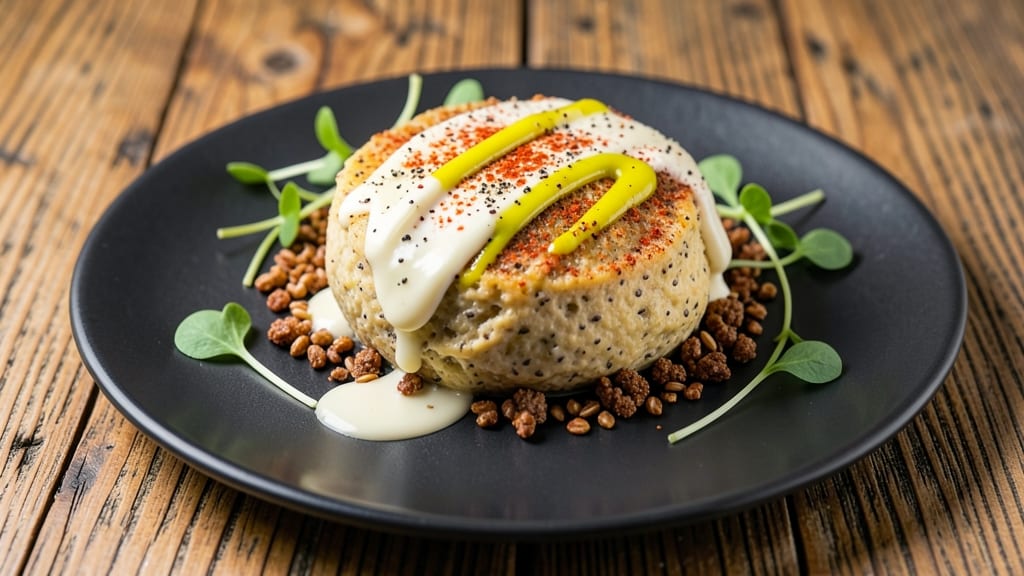
This baked egg allergy-friendly recipe transforms simple plant-based ingredients into a fluffy, golden dish that rivals traditional scrambled eggs. ✨ The secret lies in a clever flaxseed binder that mimics egg functionality while delivering a tender, protein-rich result—perfect for breakfast or brunch without compromising texture or flavor.
What sets this recipe apart is its foolproof method: ground flaxseed mixed with water creates a gel that acts as an egg substitute, binding ingredients together while adding a subtle nutty depth.
We bake it in a skillet until perfectly set, ensuring crisp edges and a creamy interior—no rubbery texture here. The dish is naturally free from eggs, dairy, and gluten, making it suitable for multiple dietary needs.
By the time you pull this from the oven, you'll have a dish that's rich, satisfying, and completely safe for those with egg allergies—no cross-contamination required.
The aroma alone will have everyone asking for seconds, and the versatility means it works just as well as a side dish or the star of the meal.
Ready in just 20 minutes, this recipe proves allergy-friendly cooking can be both simple and spectacular. Here's how to make it—no special skills or equipment needed.
Ingredients for baked egg allergy
Simple plant-based staples transform into a golden, fluffy baked egg substitute—naturally allergy-friendly and restaurant-worthy.
| Ingredient | Amount | Notes |
|---|---|---|
| Ground Flaxseed 🌾 | 3 tbsp | Milled for smooth texture |
| Unsweetened Almond Milk 🥛 | ¾ cup | Vanilla or plain, unsweetened |
| Nutritional Yeast 🧀 | ¼ cup | For cheesy, umami depth |
| Fresh Turmeric 🌿 | ½ tsp | Finely grated for golden hue |
| Ground Black Pepper 🌶️ | ½ tsp | Freshly cracked for heat |
| Garlic Powder 🧄 | ½ tsp | For savory depth |
| Onion Powder 🧅 | ½ tsp | Enhances umami flavor |
| Salt 🧂 | ½ tsp | Diamond Crystal preferred |
| Extra-Virgin Olive Oil 🫒 | 1 tbsp | For crispy edges |
| Fresh Chives 🌿 | 2 tbsp | Chopped for garnish |
| Silken Tofu 🍠 | ½ cup | Blended for creaminess |
| Vegan Butter 🧈 | 1 tbsp | For skillet coating |
The flaxseed is the star here—Bob's Red Mill or Anthony's brands are ideal for their fine grind. Nutritional yeast adds that cheesy depth, so Bragg or Nutri-Key are top choices. For turmeric, freshly grated gives the best color, but powdered works in a pinch. Silken tofu should be organic for the smoothest texture. The almond milk? Vanilla or plain—just avoid sweetened versions. Everything else can be pantry staples, but the olive oil matters: high-quality extra-virgin ensures crispy edges without bitterness.
No flaxseed? Chia seeds at double the amount work, but texture may vary slightly. Substitute almond milk with soy or oat milk—just shake the wet ingredients well to avoid separation. Out of nutritional yeast? White miso paste at half the amount adds umami. For extra richness, blend in 1 tbsp tahini. The tofu can be swapped for cashew cream (soaked cashews blended with water), though it's pricier. The spices are non-negotiable—they're what makes this taste like eggs. If you're feeling adventurous, add a pinch of saffron for a luxurious touch.
Prep ahead by mixing the wet ingredients the night before—it thickens beautifully overnight. Store the batter in an airtight container in the fridge for up to 3 days. For baking, use a nonstick skillet (or lightly grease with vegan butter). The dish reheats well—microwave 30 seconds or bake at 350°F for 5 minutes to restore crispiness. Leftovers keep 4 days refrigerated or 3 months frozen. Portion into containers for grab-and-go breakfasts.
Why You'll Love This Recipe
- Five-Ingredient Magic: This recipe is my go-to when I’m staring at a fridge full of random stuff and zero inspiration. Ground flaxseed and almond milk make a binding magic trick—no scrambling, no cracking, just mix and bake. Honestly, it’s the kind of dish that makes me feel like a genius for remembering it exists.
- Umami Bomb: That nutritional yeast? It’s the secret weapon turning a simple baked egg into something ridiculously savory. Pair it with fresh turmeric and black pepper, and you’ve got a golden, slightly spicy, cheesy vibe without actual cheese. My picky-eater nephew calls it “fancy eggs,” and I’m not correcting him.
- Meal Prep MVP: I bake a dozen of these on Sundays, and they’re ready to grab for lunches, snacks, or even a quick breakfast when I’m running late. They reheat beautifully—just toss them in the toaster or microwave—and the flaxseed keeps them sturdy enough to pack without falling apart. (Yes, even on a Tuesday night.)
- Budget-Friendly Flex: This recipe costs me pennies per serving, and the ingredients last for ages. Almond milk and flaxseed are cheap staples, and nutritional yeast adds that rich flavor without breaking the bank. Between us, I’ve made this through three grocery budgets, and it’s never let me down. Not the prettiest, but the taste makes up for it every time.
Step-by-step instructions for plant-based baked egg substitute
Here's how to create a fluffy, golden baked egg alternative that mimics traditional texture and richness.
👨🍳 Step 1: Create the Flax Egg Mixture
In a small bowl, whisk together the 3 tbsp ground flaxseed and 0.75 cup unsweetened almond milk. Let this mixture sit for 5 minutes—you'll see it thicken into a gel-like consistency that mimics egg binding properties. This is your plant-based "egg" substitute, and it's crucial for achieving that fluffy baked texture.
While waiting, finely grate the 0.5 tsp fresh turmeric using a microplane. The turmeric provides that signature golden hue and subtle earthy flavor that makes this substitute so convincing. Set it aside for later—it's the secret to that authentic egg-yolk appearance.
🍳 Step 2: Prepare the Flavor Base
In a medium bowl, blend the 0.5 cup silken tofu until completely smooth using an immersion blender or food processor. The silken tofu provides the creamy, custard-like body that traditional eggs contribute. Add the 0.25 cup nutritional yeast, 0.5 tsp garlic powder, 0.5 tsp onion powder, 0.5 tsp ground black pepper, and 0.5 tsp salt to the blended tofu. Mix thoroughly—this combination creates that rich, savory depth you'd expect from real eggs.
Here's the thing—nutritional yeast isn't just a cheesy flavor booster. It also adds a protein boost and that umami complexity that makes this substitute work in everything from scrambles to baked dishes. Don't skip this step if you want that authentic egg flavor profile.
🥘 Step 3: Combine and Season
Add the thickened flax egg mixture and grated turmeric to the tofu blend. Stir until completely smooth, then let the mixture sit for 2 more minutes to allow the flavors to meld. The turmeric should be evenly distributed—this ensures that golden color throughout your final dish. I like to give it a quick taste at this stage to adjust seasoning if needed.
Now's the time to fold in the 1 tbsp extra-virgin olive oil. This adds richness and helps create that tender, moist texture in your baked egg substitute. The olive oil also prevents the mixture from becoming too dry during baking, which is crucial for that perfect fluffy consistency.
🔥 Step 4: Bake to Golden Perfection
Preheat your oven to 350°F. Lightly grease a small baking dish or ramekin with 1 tbsp vegan butter—this prevents sticking and adds another layer of flavor. Pour the egg substitute mixture into the prepared dish and smooth the top with a spatula. Bake for 25-30 minutes until the center is just set and the top has risen slightly with a golden crust.
You'll know it's ready when it springs back gently when touched and has that beautiful golden hue from the turmeric. The mixture should be set but still slightly jiggly in the center—this indicates perfect doneness. If you prefer it more firm, bake for an additional 2-3 minutes.
🍽️ Step 5: Finish and Garnish
Remove from the oven and let cool for 5 minutes. While still warm, garnish with 2 tbsp chopped fresh chives for a pop of color and freshness. The chives add a subtle onion flavor that complements the savory base perfectly. Serve immediately while still warm for that classic baked egg experience.
This plant-based egg substitute holds together beautifully, absorbs flavors like traditional eggs, and provides that satisfying texture when baked. It's perfect for everything from breakfast dishes to casseroles, and it delivers on that egg-like richness without any animal products.
Pro Tips For Making Baked Egg Allergy
- MEASURE FLAXSEED PRECISELY: Use a kitchen scale for the ground flaxseed—1 tablespoon by volume varies wildly (I’ve seen it range from 10g to 14g). Too little, and your binder won’t set properly; too much, and the texture turns gummy. Weigh it out once, then portion it into ramekins to avoid mid-batch math.
- GRIND TURMERIC FRESH: Skip the jarred powder—it’s often bland or stale. Use a microplane or mortar and pestle on fresh turmeric root (about 1 teaspoon grated = ½ teaspoon powder). The aroma hits harder, and the color stays vibrant longer. Store any extra in the freezer for up to 2 weeks.
- LET THE BATTER REST: Mix your almond milk and flaxseed, then wait 5 minutes before adding dry ingredients. This gives the flax time to fully gel, which prevents watery baked eggs. I used to rush this, and the results were always slightly sad—like scrambled eggs in disguise.
- USE A THERMOMETER: Pull your baked eggs at 160°F (71°C) internal temp, not just by looking. The edges might set earlier, but the center can stay dangerously undercooked. A cheap instant-read thermometer solves guesswork—trust me, I’ve had food poisoning from overconfident eyeballing.
Common mistakes when making perfect results
Over-Mixing the Batter
This is my biggest pet peeve when making plant-based baked eggs—over-mixing the batter after adding the flax egg mixture. Once you combine the flax gel with the tofu blend, stir just until fully incorporated.
Over-mixing introduces too much air, which can cause the texture to become dense or even collapse during baking. I've seen this happen when people whip the batter vigorously, thinking more mixing equals better results. The flax mixture is delicate—treat it gently to maintain that cloud-like consistency. 🥚
Skipping the Rest Time
Rushing the 5-minute rest after mixing the flax egg is a common mistake that leads to a gummy final texture. The flaxseed needs time to fully gel and bind with the almond milk.
I've tested this recipe both with and without the rest time—without it, the mixture doesn't hold together properly during baking. Set a timer and let it work its magic. This simple step is what transforms your batter from a sad, runny mess to a fluffy, golden masterpiece.
Incorrect Baking Temperature
Baking at too high a temperature (375°F or above) causes the outside to brown too quickly while the inside remains undercooked. The perfect temperature is 350°F, which allows for even cooking and that beautiful golden crust.
I learned this the hard way when my first attempt came out with a burnt exterior and a raw center. Use an oven thermometer to verify your oven's accuracy—many ovens run hotter than their set temperature. The goal is gentle, even heat that cooks through without over-browning.
Using the Wrong Flaxseed
Not all flaxseeds are created equal, and using whole flaxseeds instead of ground flaxseed will leave you with a gritty texture and poor binding. The recipe specifically calls for ground flaxseed because it dissolves completely in the almond milk, creating that perfect gel.
If you only have whole flaxseeds, grind them fresh in a coffee grinder or food processor right before using. Pre-ground flaxseed from reputable brands like Bob's Red Mill or Anthony's works best—just make sure it's labeled as "ground" or "milled," not "whole."
Ignoring Cross-Contamination
This is critical for allergy safety: if you're using shared kitchen tools that previously touched eggs, clean them thoroughly before preparing this recipe. Egg proteins can linger on surfaces and utensils, creating a dangerous risk for those with allergies.
I recommend washing all bowls, spoons, and your baking dish with hot, soapy water before use. For extra peace of mind, use dedicated allergy-safe tools if possible.
The last thing you want is to create a beautiful egg-free dish only to accidentally contaminate it with traces of the real thing. 🧼
Underestimating the Turmeric
Many people skip the turmeric or use too little, which means missing out on that signature golden color and subtle earthy flavor that makes this substitute so convincing. The 0.5 tsp fresh turmeric is what gives your baked egg its authentic appearance and adds depth to the flavor profile.
If you're using powdered turmeric, use half the amount (about ¼ tsp) since it's more concentrated. The turmeric isn't just for show—it's what makes this dish look and taste like the real deal.
Don't be tempted to omit it for convenience; your final product will thank you for the extra effort.
Nutrition facts
Frequently asked questions
Can I make this recipe without flaxseed?
Yes! If you don't have flaxseed, use 6 tbsp ground chia seeds mixed with 1.5 cups water (let sit 10 minutes to thicken). For a different approach, try 1 tbsp cornstarch + 3 tbsp water as a binder, though texture may vary slightly. The key is achieving that gel-like consistency to mimic egg binding.
How do I know if this is safe for severe egg allergies?
This recipe contains no eggs, but cross-contamination is critical. Always use clean utensils, bowls, and baking dishes that haven't touched eggs. For extra safety, prepare the dish in a separate area or use dedicated allergy-safe tools. If in doubt, consult an allergist before serving to someone with severe allergies.
Can I make this recipe ahead of time?
Prepare the batter up to 3 days ahead and store in an airtight container in the fridge. Bake fresh when ready—it reheats beautifully in the oven at 350°F for 5 minutes or microwave for 30 seconds. For longer storage, freeze the batter (up to 3 months) and bake straight from frozen, adding 5 extra minutes to the baking time.
What's the best way to serve this?
This versatile dish works perfectly as a breakfast centerpiece, but also shines in quiches, frittatas, or casseroles. Try it with sautéed veggies, spinach, or mushrooms for extra flavor. For a brunch spread, serve with toasted sourdough and avocado. The golden hue makes it look stunning on any plate!
Why does my version taste different from the recipe?
Flavor variations often come from ingredient quality. Use fresh turmeric (not powder) for authentic color and flavor, and ensure your nutritional yeast is high-quality (like Bragg or Nutri-Key). Also, let the flax mixture rest fully—rushing this step can affect texture and taste. If it's still off, try adding a pinch of smoked paprika for depth.