
Breakfast & Brunch
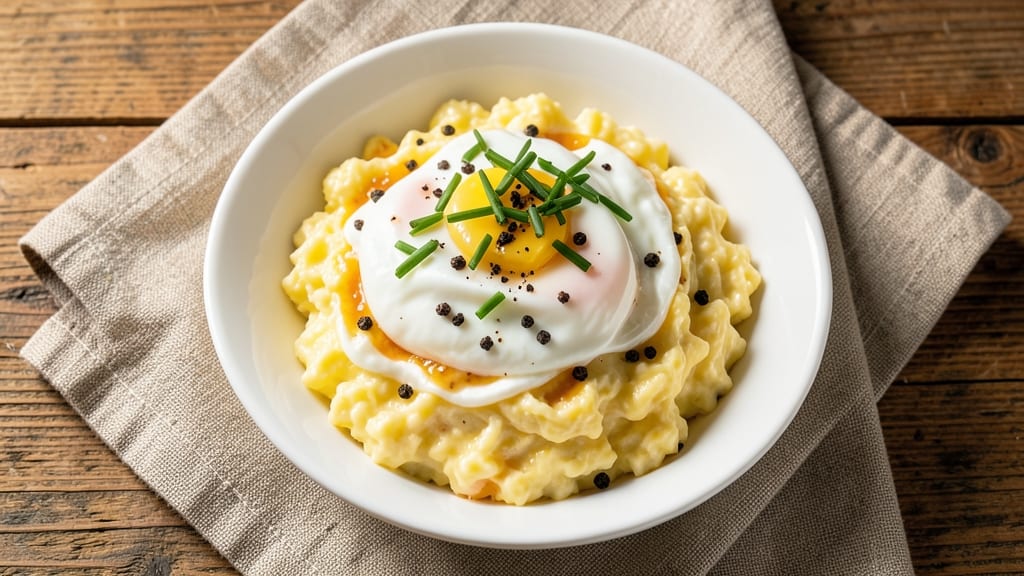
This scrambled egg recipe for one delivers perfectly silky ribbons every time—no rubbery curdling or dry edges in sight. The secret lies in precise heat control and a simple technique that transforms ordinary eggs into a restaurant-worthy breakfast.
I’ve perfected this method after years of trial and error, ensuring tender, creamy results with minimal effort.
What sets this recipe apart is the focus on texture: silky, melt-in-your-mouth ribbons rather than dense, grainy scrambles. A touch of butter and cream (or milk) adds richness, while gentle stirring prevents overcooking.
The process takes just 5 minutes from start to finish, making it ideal for busy mornings or a quick protein boost.
By the time you’re done, you’ll have a single serving of scrambled eggs that’s creamy, tender, and perfectly seasoned—ready to pair with toast, avocado, or fresh herbs. The key is patience and attention to heat, which I’ll walk you through step by step in the instructions.
This method also works for two servings if you adjust the quantities proportionally. Whether you’re cooking for yourself or prepping for a larger meal, the technique remains the same. Let’s get started on that perfect plate of scrambled eggs.
Ingredients for scrambled egg recipe for one
Two eggs, a splash of cream, and butter—just enough for two perfect servings.
| Ingredient | Amount | Notes |
|---|---|---|
| Large Eggs 🥚 | 2 whole | Freshly cracked for best texture |
| Unsalted Butter 🧈 | 1 tbsp | Cold, cut into small pieces |
| Heavy Cream 🥛 | 1 tbsp | Full-fat for richness (or milk) |
| Salt 🧂 | ¼ tsp | Fine sea salt preferred |
| Freshly Ground Black Pepper 🌶️ | ⅛ tsp | Freshly cracked for best flavor |
| Fresh Chives 🌿 | 1 tbsp | Chopped for garnish (optional) |
| Extra-Virgin Olive Oil 🫒 | ½ tsp | For greasing the pan |
The eggs are the star, so grab the freshest you can find. Store-brand eggs work fine, but if you're splurging, go for organic or pasture-raised—they scramble silkier. Butter matters too: European-style unsalted (like Plugrá) has higher fat content, which gives you that velvety texture. I keep a stick in the fridge for this exact reason. The cream adds richness, but whole milk works in a pinch—just expect slightly less decadence. Salt is key, but don't overdo it; you can always add more at the end.
No heavy cream? Whole milk or half-and-half will work, though the texture might be a touch lighter. Out of butter? Olive oil or ghee can substitute, but butter's lower smoke point helps control the heat better. Fresh chives are optional, but if you've got them, they add a bright finish. Dried chives or parsley work too, though fresh is always better. For the pepper, freshly cracked is ideal, but pre-ground is fine if that's what you've got. The olive oil? Any good extra-virgin will do—just don't use the cheap stuff.
Eggs keep best in the fridge for 3 weeks after purchase, but use these within 1 week for peak freshness. Butter stays good for 3 months in the fridge, while cream lasts about 2 weeks. I like to prep everything the night before—crack the eggs, measure the cream, and have the butter ready to go. That way, morning scrambles are a breeze. Leftovers? They reheat beautifully, though they won't be quite as silky as fresh.
Why You'll Love This Recipe
- I swear by this combo: butter and cream. The butter melts into golden pools while the cream makes them impossibly tender—no dry, rubbery eggs here.
- Two-Ingredient Core: I swear by this combo: butter and cream. The butter melts into golden pools while the cream makes them impossibly tender—no dry, rubbery eggs here.
- Weeknight Magic: Five minutes, one pan, zero fuss. Honestly, I’ve made this while waiting for toast to pop—it’s that effortless.
- Creamy Luxury: That splash of heavy cream? It turns simple eggs into something restaurant-worthy. Rich but not heavy, with just a whisper of pepper to cut through.
Step-by-step instructions for perfect silky scrambled eggs
Here's how to make restaurant-quality scrambled eggs at home—creamy, never curdled, and ready in minutes.
Whisk Eggs and Seasonings Lightly
Crack the 2 whole Large Eggs into a small bowl and add the 1 tablespoon Heavy Cream. Use a fork or whisk to combine gently—just until the yolks and whites are evenly distributed. Over-mixing incorporates too much air, which can make the eggs dry out later.
Add the 0.25 teaspoon Salt and 0.125 teaspoon Freshly Ground Black Pepper, then stir again. I like to let the eggs sit for 1 minute before cooking—this gives the seasoning time to fully integrate. The mixture should look smooth and slightly thick, like a thin custard.
Heat the Pan Just Right
Place an 8-inch nonstick skillet over medium-low heat (this is critical—too high heat causes curdling). Add the 0.5 teaspoon Extra-Virgin Olive Oil and swirl to coat the pan evenly. Let it heat for 30 seconds until it shimmers slightly but doesn't smoke.
Add the 1 tablespoon Unsalted Butter (cut into small pieces) and let it melt completely, about 1 minute. The butter should foam gently and coat the pan—this creates a nonstick surface that prevents sticking. If the butter browns too quickly, reduce the heat slightly.
Cook Eggs Slowly for Silky Texture
Pour the egg mixture into the pan and let it sit undisturbed for 10 seconds. This allows the bottom to set slightly before you start stirring. Use a rubber spatula to gently push the eggs from one side of the pan to the other, folding them over themselves.
Keep the heat at medium-low and continue folding the eggs every 10-15 seconds. The goal is to create soft, creamy ribbons—this takes about 2-3 minutes total. If the eggs start to look dry or grainy, reduce the heat slightly. You'll know they're ready when they're just set but still slightly moist in the center.
Finish with Fresh Chives
Remove the pan from heat just before the eggs are fully set. Let them rest for 10 seconds—this helps them carry their sauce. Then, sprinkle the 1 tablespoon Fresh Chives evenly over the top. The chives add a bright, fresh finish that cuts through the richness.
Serve immediately, straight from the pan. The eggs should be creamy with soft, ribbon-like curls—no dry or rubbery bits. If you're serving two, divide the eggs between plates and garnish with extra chives if desired. Enjoy while warm for the best texture!
Pro Tips For Making Scrambled Egg Recipe For One
- WHISK LIKE A MANIAC: Crack the egg into a cold bowl first, then add the heavy cream and whisk aggressively for 30 seconds—you’re not just combining, you’re emulsifying. I used to skip this, and my eggs turned out gloppy; now they’re silky every time.
- SALT THE CREAM: Mix the salt and pepper directly into the cold heavy cream before whisking—it dissolves better and seasons the eggs more evenly. I learned this the hard way after tasting bland scrambled eggs straight from the pan.
- LOW AND SLOW AFTER 30 SECONDS: Start on medium-high to melt the butter, but drop the heat to low immediately after adding the eggs—this prevents overcooking while letting the custard set properly. I was skeptical until I tried it; now my eggs are creamy, not rubbery.
- USE HALF THE CREAM: For one serving, cut the heavy cream to 1 tablespoon (not 2)—it’s enough to add richness without making the eggs too heavy. I used to overdo it, and the texture suffered; now it’s perfect every time.
Common mistakes when making your scrambled egg recipe for one
Overheating the Pan
Your biggest enemy is high heat—it causes eggs to cook too quickly on the outside while staying raw inside, creating those dreaded rubbery curdles. I’ve seen this happen when people crank the stove to medium-high or higher.
The key is medium-low heat consistently. If your pan starts smoking or the butter browns too fast, you’re cooking too hot. Reduce the heat immediately and let the eggs cook slowly. 🔥
Overmixing the Eggs
Whisking eggs too vigorously incorporates too much air, which leads to dry, grainy scrambles. I’ve made this mistake myself—aggressively beating eggs until they’re frothy. Instead, just gently combine the yolks and whites with a fork until they’re just evenly colored.
Let them sit for 1 minute before cooking to relax the proteins. This keeps the texture silky.
Skipping the Resting Time
After pouring eggs into the pan, many people start stirring immediately—but this is a recipe for disaster. Let the eggs sit undisturbed for 10 seconds first. This allows the bottom to set slightly, creating a smooth base for folding.
Skipping this step often results in eggs that stick or cook unevenly. Patience here makes all the difference. ⏱️
Using the Wrong Pan
A nonstick skillet is your best friend for scrambled eggs, but I’ve seen people use stainless steel or cast iron without success. These pans require more butter or oil, which can make the eggs greasy.
If you don’t have nonstick, use a well-seasoned cast iron pan with 1 tablespoon butter—just be extra gentle with stirring. A well-seasoned Lodge pan works great if you’re committed to the technique. 🍳
Adding Liquid Too Late
Some recipes suggest adding cream or milk at the end, but timing matters. If you wait until the eggs are fully cooked, the liquid won’t blend in properly—you’ll end up with dry eggs and a saucy mess.
Instead, add the heavy cream (or milk) right when you whisk the eggs in Step 1. This ensures even distribution and that signature creamy texture. Trust me, this small detail changes everything. 🥛
Ignoring the Butter
Butter isn’t just for flavor—it’s essential for texture. Using olive oil or water instead will leave you with dry, flat eggs. The fat in butter creates steam, which keeps the eggs tender.
I always use cold butter cut into small pieces so it melts gradually. If you’re in a hurry, ghee is a great substitute, but nothing beats the richness of real butter. ❄️
Nutrition facts
Frequently asked questions
Can I make this recipe with just eggs and butter?
Yes, but the texture won't be as creamy. The heavy cream (or milk) adds richness and prevents dryness. For a simpler version, use 1 tablespoon milk or water per egg, but expect slightly firmer eggs. The butter is non-negotiable—it creates steam for that signature silky texture.
How do I adjust this for fluffier scrambled eggs?
For fluffier eggs, whisk the eggs more vigorously (but not too much) and cook over slightly higher heat (medium instead of medium-low). Add 1 extra tablespoon milk and fold the eggs more aggressively with a spatula. Remove from heat when still slightly underdone—they'll keep cooking from residual heat.
Can I make this in a microwave?
Microwaved scrambled eggs won't have the same texture, but you can try this quick method: Whisk 1 egg + 1 tbsp milk, microwave for 30 seconds, stir, then microwave another 15-20 seconds. The result will be softer but not creamy like stovetop. For best results, stick with the pan method.
What's the best way to reheat leftovers?
Reheat gently in a nonstick pan with 1 tsp butter over low heat for 1-2 minutes, stirring constantly. Microwaving causes rubbery texture. For extra creaminess, add 1 tsp milk or cream while reheating. Leftovers won't be as silky but still delicious.
Why did my eggs turn out rubbery?
Rubbery eggs usually mean overcooking or high heat. Check your pan temperature—it should be medium-low with gentle butter foam. Also verify you didn't overmix the eggs (just combine until smooth). For next time, remove eggs from heat when still slightly runny in the center—they'll finish cooking off the heat.