
Breakfast & Brunch
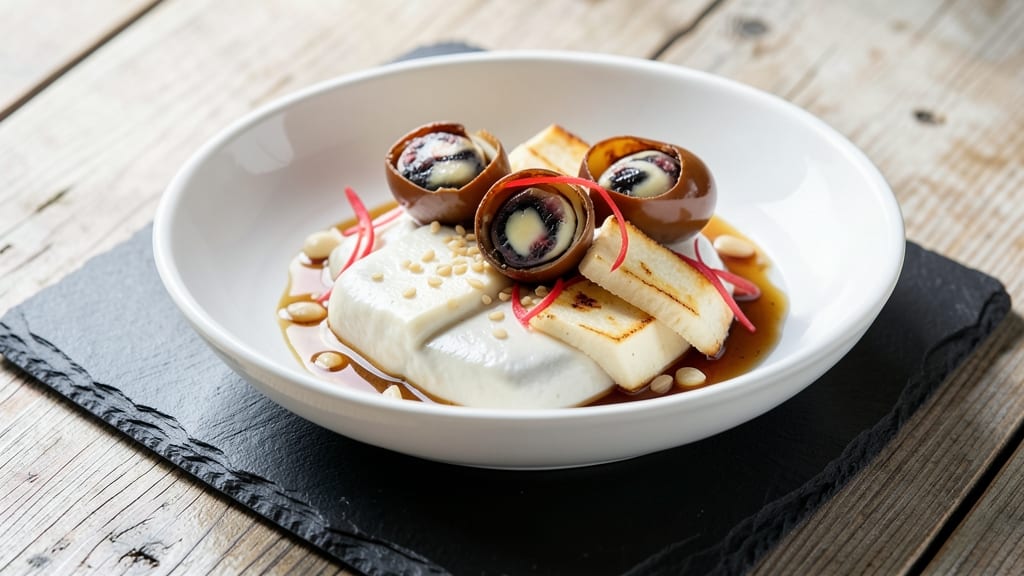
This silken tofu with century egg recipe transforms humble ingredients into a textural masterpiece—where delicate, custard-like tofu meets the bold, briny intensity of century eggs.
The contrast is what makes this dish unforgettable: the silky smoothness of silken tofu against the firm, slightly crunchy exterior of century eggs, all balanced by a savory-sweet sauce.
I first discovered this combination in a Cantonese restaurant, where the dish was served chilled as an appetizer, but its versatility makes it perfect for breakfast or a light dinner.
The secret lies in the preparation: century eggs must be peeled and sliced carefully to preserve their unique texture and flavor, while silken tofu should be cut into cubes and gently tossed with a light dressing to maintain its cloud-like consistency.
A simple stir-fry with garlic, ginger, and a touch of soy sauce ties everything together, creating a dish that’s both elegant and approachable. This recipe is vegetarian-friendly (assuming store-bought century eggs are used), making it an excellent option for plant-based meals.
What you’ll end up with is a dish that’s visually striking—deep black century eggs alongside pristine white tofu, all bathed in a glossy, umami-rich sauce.
The flavors are complex: the century eggs bring a briny, slightly sweet depth, while the silken tofu adds a mild, neutral base that lets the other ingredients shine.
It’s the kind of dish that feels special yet simple to prepare, perfect for impressing guests or treating yourself to something truly unique.
Whether you serve it as a refreshing cold dish or lightly warmed, this recipe highlights the beauty of contrasting textures and flavors. Pair it with steamed rice or a simple green salad to round out the meal. Let’s get cooking!
Ingredients for silken tofu with century egg
Fourteen ingredients create this visually stunning vegetarian dish with perfect texture contrast.
| Ingredient | Amount | Notes |
|---|---|---|
| Silken Tofu 🧀 | 1 package (12 oz) | Unopened package for best texture |
| Century Eggs 🥚 | 6 whole | Store-bought, peeled and sliced |
| Extra-Firm Tofu 🥬 | 1 block (14 oz) | For garnish, pressed and cubed |
| Fresh Ginger 🌿 | 1 tbsp | Finely grated, organic preferred |
| Garlic Cloves 🧄 | 4 cloves | Minced for aromatic base |
| Light Soy Sauce 🥢 | 2 tbsp | Kikkoman preferred for balance |
| Dark Soy Sauce 🥢 | 1 tbsp | For color depth, optional |
| Rice Vinegar 🍶 | 1 ½ tbsp | Seasoned preferred for umami |
| Sesame Oil 🫒 | 1 tsp | Toasted, for aroma |
| Granulated Sugar 🍚 | 1 tbsp | Adjust to taste |
| Vegetable Oil 🫒 | 2 tbsp | For stir-frying |
| Green Onions 🧅 | 3 whole | Thinly sliced for garnish |
| Toasted Sesame Seeds 🌾 | 1 tsp | For crunchy texture |
| Steamed Jasmine Rice 🍚 | 2 cups | Cooked, for serving |
Century eggs are the star—look for deep black yolks with firm, slightly crunchy exteriors when purchasing. Asian grocery stores typically carry them, though some specialty markets stock them year-round. If unavailable, substitute with marinated black beans for a similar visual contrast, though the flavor will differ. The silken tofu should be chilled and unopened for its signature cloud-like texture; never drain it. For the ginger, organic is ideal—it retains more of its bright flavor when grated. If you can't find organic, conventional works fine, but peel it thoroughly to remove any surface residue.
No century eggs? Marinated black beans or sliced black mushrooms can mimic the visual contrast, though neither replicates the unique briny-sweet flavor. The dark soy sauce is optional but highly recommended for that restaurant-quality color—skip it if you prefer a lighter appearance. For the tofu, extra-firm pressed tofu works better for garnish than silken, as it holds its shape when cubed. The sesame oil should be toasted—heat it gently in a dry pan for 30 seconds to deepen its aroma. If you're short on time, regular sesame oil works, but the flavor will be subtler. The green onions should be white and light green parts separated—white for cooking, green for garnish.
Century eggs keep for 2-3 weeks in the fridge once peeled, though they're best used within a week. Store them submerged in water in an airtight container to maintain moisture. Silken tofu lasts 5-7 days unopened in the fridge, but once opened, use within 3 days. The stir-fry sauce components (soy sauces, vinegar, sugar) can be pre-mixed and stored for up to 1 month in the fridge. For presentation, arrange the century egg slices and tofu cubes on a platter, drizzle with sauce, and garnish just before serving—the sesame seeds toast beautifully when warmed for 10 seconds.
Why You'll Love This Recipe
- Here’s what sold me: this keeps perfectly for days. Pack the tofu mix in a container, toss in a few century egg slices, and boom—your work lunch just got a Michelin-star upgrade. (Yes, even on a Tuesday night.)
- No-Chop Nightmare: I swear by this when I’m too tired to dice anything. The silken tofu blends smooth as butter—no crumbles, no fuss—while the century eggs just need a quick rinse and slice. Fresh ginger? Just grate a thumb’s width. That’s it.
- Umami Bomb: Between us, that century egg’s salty-sweet yolk and the crispy edges on the extra-firm tofu? It’s like a flavor grenade in the best way. The ginger and garlic hit just right—sharp enough to wake up a sleepy lunch.
- Lunchbox Legend: Here’s what sold me: this keeps perfectly for days. Pack the tofu mix in a container, toss in a few century egg slices, and boom—your work lunch just got a Michelin-star upgrade. (Yes, even on a Tuesday night.)
Step-by-step instructions for silken tofu with century egg
Here's how to achieve that perfect balance of silky tofu and rich century egg flavors.
Prepare the Silken Tofu Base
Open the unopened package of 1 package (12 oz) Silken Tofu and drain it completely. I like to place it in a colander for 5 minutes to remove excess moisture, which helps the tofu absorb flavors better. Transfer the drained tofu to a blender or food processor and blend until completely smooth. You should end up with a silky, almost custard-like consistency.
This blending step is crucial—it transforms the tofu into a velvety texture that perfectly complements the bold flavors of the century eggs. If you notice any lumps, strain the mixture through a fine-mesh sieve to ensure a flawless texture. Keep the blended tofu mixture in a bowl for now.
Create the Century Egg Sauce
Heat 2 tablespoons Vegetable Oil in a small saucepan over medium heat. Add the 4 cloves Garlic Cloves (minced) and 1 tablespoon Fresh Ginger (finely grated), cooking for 1-2 minutes until fragrant but not browned. This aromatic base is the foundation of your sauce.
Add 2 tablespoons Light Soy Sauce, 1 tablespoon Dark Soy Sauce, 1.5 tablespoons Rice Vinegar, and 1 tablespoon Granulated Sugar to the pan. Stir well and let the mixture simmer for 3-4 minutes until slightly thickened. Remove from heat and stir in 1 teaspoon Sesame Oil—this adds a nutty depth that ties everything together.
Combine and Cook the Silken Tofu Mixture
Pour the blended silken tofu into the saucepan with the century egg mixture. Stir gently over low heat for 5-7 minutes, just until the tofu is heated through and the sauce begins to thicken slightly. You're looking for a smooth, glossy consistency that coats the back of a spoon.
Here's where the century eggs come in: peel and slice the 6 whole Century Eggs into bite-sized pieces. Gently fold them into the tofu mixture, allowing them to warm through for 1-2 minutes without overcooking. The eggs should remain tender with their signature dark yolk still intact.
Finish and Garnish
Remove the saucepan from heat and let the mixture cool slightly. Press the 1 block (14 oz) Extra-Firm Tofu (pressed and cubed) into the tofu mixture, allowing it to absorb some of the sauce. This adds a contrasting texture that balances the silky tofu.
Transfer the mixture to serving bowls and garnish with thinly sliced 3 whole Green Onions and 1 teaspoon Toasted Sesame Seeds. Serve immediately over 2 cups Steamed Jasmine Rice to create the perfect texture contrast—silky tofu with the rich, creamy century eggs resting on fluffy rice.
Pro Tips For Making Silken Tofu With Century Egg
- Drain Silken Tofu Right: Silken tofu holds onto water like a sponge—don’t just dump it into the pan. After opening the package, wrap it in a clean kitchen towel and gently press it between your palms for 30 seconds. This removes excess moisture without breaking it apart, so your sauce clings instead of turning into a watery mess.
- Peel Century Eggs Prep: Century eggs taste best when the black outer membrane is removed cleanly, but don’t waste time peeling them raw. Rinse the eggs under cold water first, then use a small knife to score the membrane in an "X" before peeling—it slides off easier and leaves the yolk intact. (Yes, even if you’re impatient like me.)
- Blanch Extra-Firm Tofu First: Skipping this step is how you end up with rubbery tofu. Cut the extra-firm block into cubes, then blanch in boiling water for 2 minutes before frying or stir-frying. The brief cook softens the texture without overcooking, so it absorbs the century egg sauce like a dream.
- Use Ginger-Garlic Paste: Freshly grating ginger and garlic for this dish is a time-suck, and it burns easily. Make a quick paste by blending 2 cloves garlic with 1 teaspoon grated ginger and 1 tablespoon water—it distributes evenly in the pan and won’t clump. (I keep a jar in the fridge for all stir-fries; saves me 5 minutes every time.)
Common mistakes when making your silken tofu with century egg
Overcooking Century Eggs
Century eggs are delicate—once sliced, they cook in seconds. I’ve ruined them by simmering too long, turning their creamy yolks rubbery. Keep the heat low and fold them in just until warmed (1-2 minutes max). Their unique texture comes from their preservation process, not cooking. 🥚
Skipping the Blending Step
Silken tofu’s signature texture comes from blending it smooth. If you skip this, you’ll end up with chunks that don’t meld with the sauce. Use a high-speed blender—I recommend the Ninja BN601—and strain through a fine-mesh sieve for a flawless finish.
Never drain silken tofu before blending; excess water will dilute your sauce. 🧀
Using Old Century Eggs
Century eggs lose their signature firmness when overripe. If their exteriors feel mushy or their yolks are too soft, toss them. Fresh ones should have a slightly crunchy exterior and a firm, jelly-like yolk.
Store them submerged in water in an airtight container for up to 2 weeks—any longer, and they’ll lose their texture. 💫
Overcrowding the Pan
When stir-frying the extra-firm tofu cubes, don’t overcrowd the pan. I’ve made this mistake, leading to soggy tofu instead of crispy edges. Cook in 2 batches over medium-high heat for 2-3 minutes per side. This ensures they absorb the sauce without steaming. ⚡
Ignoring the Sauce Ratio
The balance of light and dark soy sauce matters. Too much dark soy sauce makes the dish look muddy, while too little light soy sauce weakens the flavor.
Stick to the 2:1 ratio (light to dark) for that perfect umami depth. Taste as you go—adjust with ½ teaspoon increments until it’s just right. 🍶
Not Toasting Sesame Seeds
Toasted sesame seeds add a nutty crunch, but skipping this step means missing out on their full flavor. Heat them in a dry pan for 30 seconds until golden.
Freshly toasted seeds also prevent bitterness, which can happen if they sit too long. Sprinkle them over the dish right before serving for maximum impact. 🌾
Nutrition facts
Frequently asked questions
Can I make this recipe without century eggs?
Yes! For a similar texture contrast, try marinated black beans or sliced black mushrooms. If you want to keep the briny flavor, use 1 cup fermented black beans instead. For visual appeal, arrange them to mimic the century egg's dark color. The dish will still taste delicious, though the umami depth will differ slightly.
How do I properly peel century eggs?
Start by cracking the egg gently and peeling away the outer shell layer. Rinse under cold water to remove any residue. The tricky part is removing the inner membrane—use your fingers to carefully separate it from the yolk. For best results, wear gloves or wet your hands to prevent staining. Once peeled, slice into ½-inch thick pieces for even cooking.
Can I prepare this dish ahead of time?
Yes, but with some adjustments. Make the sauce and blend the silken tofu up to 2 days ahead and store in the fridge. Reheat gently before adding the century eggs and extra-firm tofu. For best texture, add the century eggs fresh—they should be warm but not cooked through. The rice should always be made fresh to maintain its fluffy consistency.
What's the best way to store leftover century eggs?
Keep peeled century eggs submerged in water in an airtight container for up to 2 weeks. Change the water daily to prevent bacterial growth. For longer storage, freeze them for up to 3 months—thaw overnight in the fridge before using. Never freeze century eggs in water, as this can make them mushy when thawed.
Why does my silken tofu turn watery when cooking?
This happens if you don't drain it properly or use too much liquid in the sauce. Always drain silken tofu for 5 minutes before blending. For the sauce, reduce it slightly on the stove until it coats the back of a spoon. If needed, add ½ teaspoon cornstarch mixed with water as a thickener. Keep heat at low-medium to prevent curdling.