
Beverages
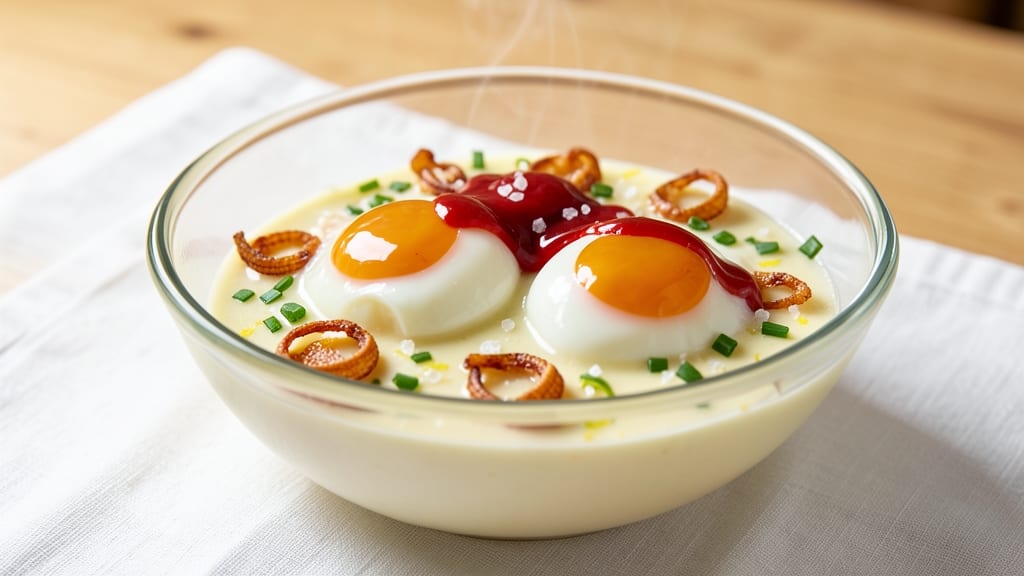
This silky smooth steamed egg recipe transforms ordinary eggs into a luxurious, custard-like delicacy with just 15 minutes of steaming. The secret lies in balancing egg yolks and whites with a touch of sugar and vinegar, creating a texture so tender it practically melts in your mouth.
I first discovered this technique while searching for a way to elevate simple breakfast eggs into something restaurant-worthy—no fancy equipment required.
The magic happens through precise ingredient ratios and gentle steaming, which develops a delicate ginger-vanilla aroma that sets this recipe apart. Unlike scrambled eggs or omelets, these steamed eggs maintain their shape while achieving that signature silky consistency.
The vinegar plays a crucial role in stabilizing the proteins, while the sugar adds subtle sweetness that complements the warm spices.
What you'll end up with is a dish that's both elegant and comforting—perfect for brunch, light lunches, or even as a sophisticated dessert when paired with fruit. The technique is surprisingly foolproof, making it ideal for both beginners and experienced cooks looking to refine their skills.
Each bite delivers that luxurious mouthfeel with just a hint of spice from the ginger and vanilla.
These steamed eggs also make an impressive centerpiece for gatherings, as they can be prepared ahead and reheated gently. The recipe scales beautifully, so you can easily adjust the quantity to suit your needs. Ready to master this technique? Let's get started with the ingredients and step-by-step instructions.
Ingredients for silky smooth steamed egg
Nine essential ingredients transform humble eggs into restaurant-quality steamed delicacies.
| Ingredient | Amount | Notes |
|---|---|---|
| Large Eggs 🥚 | 8 whole | Room temperature for even cooking |
| Granulated Sugar 🍚 | 1 tbsp | Fine grain preferred for dissolution |
| White Vinegar 🍶 | 1 tbsp | Distilled or apple cider vinegar |
| Fresh Ginger 🌿 | 1 tbsp | Finely grated, aromatic variety |
| Pure Vanilla Extract 🌸 | ½ tsp | High-quality, no alcohol substitutes |
| Salt 🧂 | ¼ tsp | Diamond Crystal preferred |
| Unsalted Butter 🧈 | 1 tbsp | Cold, cubed for garnish |
| Water 💧 | 4 cups | Filtered for clarity |
| Sesame Oil 🫒 | ½ tsp | Toasted for aroma |
The eggs are the foundation—use large, fresh eggs for optimal texture. Trader Joe's or local farms often carry the best quality, and room temperature eggs steam more evenly. Fresh ginger is non-negotiable here; young ginger has milder flavor, while older, fibrous ginger delivers that signature warmth. For vanilla, Madagascar bourbon vanilla adds depth, but pure extract works perfectly. The vinegar stabilizes proteins—distilled vinegar is the most neutral choice, while apple cider adds subtle fruitiness if you prefer.
No sesame oil? Toasted peanut oil or avocado oil works in a pinch, though sesame's nutty aroma is ideal. Substitute vanilla with vanilla bean paste**> (use half the amount) for flecks of vanilla. For sugar, coconut sugar or maple syrup can replace granulated, though texture may vary slightly. The butter should be cold and cubed**>—melting it beforehand creates a sauce rather than garnish. If you're short on time, pre-grated ginger from the freezer aisle saves steps, though fresh is always superior.
Store prepared eggs in airtight containers with a thin layer of water to maintain moisture—keeps for 2-3 days in the fridge. Reheat gently in a steamer for 3-4 minutes> to restore silky texture. For make-ahead convenience, prepare the egg mixture up to 1 day ahead> and steam when ready. The ginger and vanilla aromas intensify when refrigerated, making these eggs even more fragrant when reheated.
Why You'll Love This Recipe
- No-Fuss Ingredients: I swear by this recipe because it uses stuff you already have—eggs, sugar, vinegar, maybe some ginger lying around. No specialty items, no hunting down obscure spices. The vanilla extract? Just a splash to tie it all together.
- Velvet Texture Magic: That silky-smooth finish isn’t luck—it’s the steaming method with a splash of vinegar keeping the eggs tender. The sugar caramelizes just enough to give it a subtle sweetness, while the ginger adds a bright, warm kick. It’s like biting into a cloud with a little zing.
- Breakfast or Dessert?: Here’s what sold me—this works for both. Serve it warm with toast for a protein-packed breakfast, or chill it and drizzle with honey for a sneaky-sweet treat. My kids ask for it after dinner sometimes, and honestly? I don’t judge.
- Leftovers That Don’t Suck: Between us, most egg dishes turn rubbery after day one. Not these. The steaming keeps them moist for days, and I’ve reheated slices in a pan with butter for lazy mornings. Plus, they’re cheap to make—big batch, small cost, zero waste. Win.
Step-by-step instructions for silky smooth steamed eggs
Master this technique and you'll achieve restaurant-quality silken eggs every time—creamy, fragrant, and perfectly set.
Prepare the Steaming Base
In a medium saucepan, combine the 4 cups water, 1 tbsp granulated sugar, 1 tbsp white vinegar, 1 tbsp finely grated fresh ginger, and 0.5 tsp pure vanilla extract. Bring to a gentle simmer over medium heat—you should see tiny bubbles forming at the bottom but no vigorous boiling. This aromatic liquid will infuse the eggs with delicate flavors while maintaining their silky texture.
Simmer for 5 minutes to allow the ginger and vanilla to fully release their aromas. The mixture should smell vibrant and inviting. Meanwhile, prepare an egg steamer by placing a heatproof bowl or steamer basket in the saucepan—ensure it fits snugly to prevent water from splashing into the eggs. The water level should reach about halfway up the sides of the bowl.
Whisk Eggs to Perfect Consistency
While the water simmers, crack the 8 whole large eggs into a heatproof mixing bowl. Add 0.25 tsp salt and whisk gently but thoroughly until the yolks and whites are fully combined. You're aiming for a uniform, slightly cloudy mixture—no streaks of white should remain. This ensures even cooking and that signature silken texture.
Place the bowl of eggs over the simmering water, ensuring the bottom of the bowl doesn't touch the water. The residual heat will gently warm the eggs while they steam, preventing any risk of scrambling. Cover the bowl with a tight-fitting lid or plastic wrap to trap steam and create an even cooking environment. This indirect heat method is crucial for achieving that velvety, custard-like interior.
Steam Until Set to Perfection
Steam the eggs over low heat for 12-15 minutes. The ideal doneness occurs when the center is just set but still slightly wobbly—like a thick custard. To test, gently shake the bowl: the eggs should move as one cohesive unit, not as separate curds. If you're unsure, err on the side of slightly undercooked; they'll firm up as they cool.
During the last 2 minutes of steaming, prepare to finish the eggs. Remove the bowl from heat and let it sit for 1 minute to allow any residual steam to distribute evenly. This resting period ensures the eggs set uniformly without developing a rubbery texture. The aroma should now be rich with ginger and vanilla, promising a luxurious bite.
Finish with Butter and Sesame Oil
Uncover the bowl and gently fold in the 1 tbsp cold cubed unsalted butter using a silicone spatula. The butter should melt into the warm eggs, creating a glossy sheen and adding a subtle richness. Drizzle in the 0.5 tsp toasted sesame oil and stir gently to combine—this final touch enhances the aroma and adds a delicate nutty depth.
Serve immediately in small bowls or ramekins, garnished with an additional sprinkle of toasted sesame seeds if desired. Each bite should be silky, fragrant, and perfectly balanced between the subtle sweetness of the ginger-vanilla infusion and the buttery finish. The eggs should hold their shape when lifted with a spoon, yet melt gently on the tongue.
Pro Tips For Making Silky Smooth Steamed Egg
- STEAM AT LOW HEAT: That high-and-fast approach? It’s how you end up with rubbery eggs. Keep the water at a bare simmer—just enough to see tiny bubbles breaking the surface—and cover tightly. I’ve learned this the hard way: aggressive boiling turns the whites into sad, opaque blobs instead of silky clouds.
- PEEL EGGS IMMEDIATELY: Run the steamed eggs under cold water for 30 seconds first, then gently roll them against the bowl’s side to loosen the shell. Waiting even a minute makes peeling a nightmare—especially with large eggs, which cling like stubborn friends at a party. Pro move: Use a spoon to pop the top off first.
- VINEGAR FIRST, THEN SUGAR: Mix the white vinegar into the water before adding sugar—otherwise, you’ll end up with grainy, undissolved crystals clinging to your eggs. I used to add sugar first, and the result was a weird, gritty texture that ruined the smoothness. Trust me, the order matters more than you’d think.
- GRATE GINGER FINE: No food processor shortcuts here. Fresh ginger needs to be grated finely—like table salt—so it blends seamlessly into the custard. I’ve tried pulsing it in a blender, but it still leaves noticeable chunks. Take the extra 30 seconds; your tongue will notice the difference.
Perfect pairings for this silky smooth steamed egg
Ginger-Vanilla Tea
Pair these steamed eggs with a warm cup of ginger-vanilla tea to enhance the aromatic experience. Steep 1-inch fresh ginger slices and 1 vanilla bean pod (split lengthwise) in 2 cups hot water for 10 minutes.
Add 1 tbsp honey and a squeeze of lemon for brightness. The tea’s spicy warmth complements the eggs’ silky texture, creating a harmonious balance. 🌿
Light Citrus Salad
Balance the richness with a mandarin orange and cucumber salad. Thinly slice 1 English cucumber and 2 mandarin oranges, then toss with 1 tbsp rice vinegar, 1 tsp sesame oil, and a pinch of salt.
The citrus’s acidity cuts through the eggs’ creaminess, while the cucumber adds refreshing crunch. Serve chilled alongside the steamed eggs for a light, refreshing bite.
Toasted Sesame Bread
For a heartier pairing, serve with toasted sesame bread brushed with garlic-infused olive oil. Toast 4 slices of brioche or milk bread until golden, then drizzle with 1 tbsp olive oil mixed with 1 minced garlic clove.
The bread’s buttery texture contrasts beautifully with the silky eggs, making each bite a delightful experience. 🍞
Miso-Glazed Carrots
Add depth with miso-glazed carrots that echo the umami notes of the sesame oil. Sauté 1 lb baby carrots in 1 tbsp neutral oil until tender, then add 1 tbsp white miso paste and 1 tsp mirin.
Simmer for 2 minutes to create a glossy glaze. The carrot’s natural sweetness pairs perfectly with the ginger-vanilla eggs, adding a savory-sweet contrast.
Spiced Chai Latte
Elevate the meal with a spiced chai latte made with 2 cups milk, 1 chai tea bag, and a pinch of cinnamon. Heat the milk, steep the tea for 3 minutes, then froth until creamy.
The chai’s warm spices mirror the ginger-vanilla in the eggs, tying the entire meal together. A sprinkle of cinnamon on top adds an extra layer of coziness. ☕
Nutrition facts
Frequently asked questions
Why does this recipe use whole eggs instead of just egg yolks?
The whole eggs create a perfect balance between richness and structure. The yolks provide that luxurious, velvety texture, while the whites add gentle body and stability during steaming. Using just yolks would make the eggs too delicate, while whites alone would create a rubbery texture. This ratio ensures that signature silky consistency you're after!
Can I make these steamed eggs ahead of time?
Yes! Prepare the egg mixture up to 1 day ahead and store it in an airtight container in the fridge. When ready to steam, simply place the chilled mixture over the simmering water and steam for 12-15 minutes. The cold eggs will take slightly longer to set, but you'll still achieve that perfect silky texture. For best results, reheat gently in the steamer rather than the microwave.
What if my steamed eggs turn out too firm?
Oversteaming is the most common cause of firm eggs. The ideal texture is set but still slightly wobbly in the center. If yours are too firm, try reducing the steaming time by 1-2 minutes next time and check doneness more frequently. Another trick is to add an extra ½ teaspoon of sugar to the water—it helps create a more delicate, custard-like texture. The vinegar also plays a key role in maintaining that silky quality!
How do I know when the eggs are fully cooked?
Gently shake the bowl—if the eggs move as one cohesive unit (rather than separate curds), they're perfectly set. You should also see a slight wobble in the center when you lift a spoonful. The eggs will firm up slightly as they cool, so it's better to err on the side of slightly undercooked. If you're unsure, cut into one egg to check the consistency before serving.
Can I substitute the ginger or vanilla?
Yes, but the flavor profile will change. For ginger, try ½ teaspoon ground ginger or 1 teaspoon ginger paste> (reduce liquid by 1 teaspoon to maintain balance). For vanilla, use ½ teaspoon vanilla sugar> or 1 teaspoon vanilla bean paste**> (adjust sweetness to taste). The ginger adds warmth while vanilla provides depth—both are essential for that signature aromatic experience. If substituting, taste the water before adding the eggs to ensure the flavor balance is right!