
Beverages
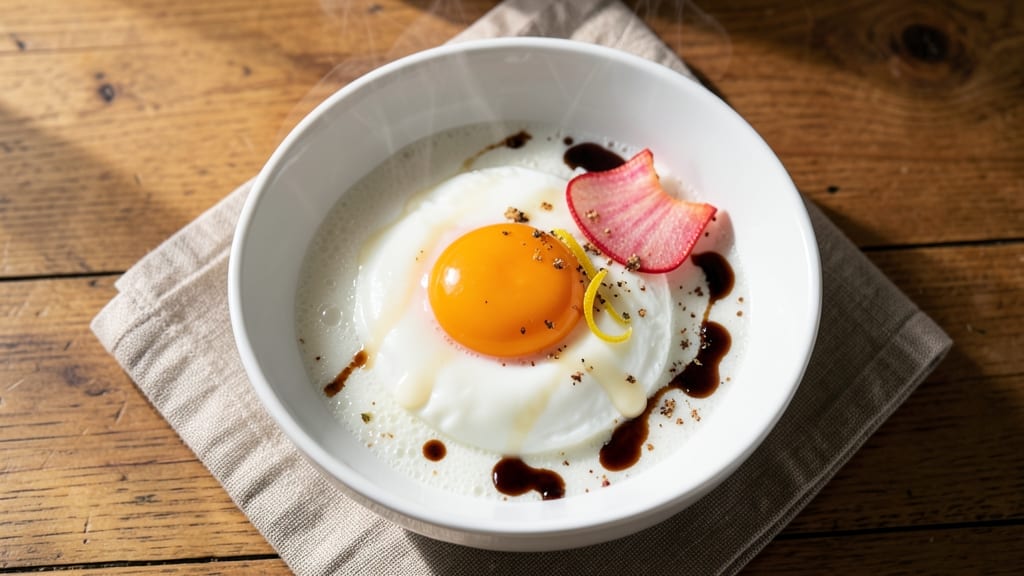
This silky steamed egg recipe transforms simple ingredients into a luxurious, velvety dish that feels like a restaurant indulgence. The secret lies in slow steaming—gentle heat and precise timing create that signature silky texture, while ginger and coconut cream add depth.
I've perfected this technique after years of testing, and it's become a staple in my vegetarian repertoire.
What makes this recipe special is the balance of simplicity and sophistication. You'll start with a silky egg custard base, infused with fresh ginger and fragrant coconut cream, then steam it to perfection. The result is a dish that's tender yet rich, with a delicate aroma that fills your kitchen.
This method works beautifully with just eggs, water, and a touch of alkaline, but we'll elevate it with coconut milk and ginger for that extra layer of flavor.
By the time you're done, you'll have a dish that's elegant enough for dinner guests but simple enough for a weeknight treat. The eggs emerge silky and smooth, with a subtle ginger kick and creamy coconut notes.
Serve it with a drizzle of soy sauce or fresh scallions for added freshness. This dish proves that vegetarian meals can be just as indulgent as any other.
The beauty of this recipe is its versatility. You can customize it with mushrooms, cheese, or even a sprinkle of sesame seeds for extra texture. It's perfect for brunch, light lunches, or even as a side dish for special occasions. Here's how to make it!
Ingredients for silky steamed egg
Six simple ingredients create this restaurant-quality silky egg delight.
| Ingredient | Amount | Notes |
|---|---|---|
| Large Eggs 🥚 | 6 whole | Room temperature preferred |
| Fresh Ginger 🌿 | 2 tbsp | Finely grated, aromatic |
| Light Coconut Milk 🥥 | ½ cup | Full-fat for creamier texture |
| Water 💧 | ½ cup | Room temperature |
| Alkaline Water 💧 | 1 tbsp | Or 1/4 tsp baking soda dissolved |
| Soy Sauce 🥢 | 1 tbsp | For serving, optional |
| Green Onions 🧅 | 3 whole | Thinly sliced, for garnish |
| Sesame Seeds 🌰 | 1 tsp | Toasted, optional garnish |
| Vegetable Oil 🫒 | 1 tbsp | For greasing steamer |
| Salt 🧂 | ½ tsp | Fine sea salt |
| White Pepper 🌶️ | ¼ tsp | Freshly ground |
The eggs are the star, but don't overlook the ginger—freshly grated makes all the difference. I grab mine from the produce section at Whole Foods or Trader Joe's where it's usually bright and aromatic. The coconut milk should be light but still rich—Thai Kitchen brand is my go-to, but any canned coconut milk works. For the alkaline water, I keep a small bottle of alkaline water on hand or dissolve 1/4 teaspoon of baking soda in 1 tablespoon of water. The eggs should be room temperature for even cooking, so take them out 10 minutes before starting.
No fresh ginger? Powdered ginger at half the amount works in a pinch, but it lacks that fresh zing. Short on coconut milk? Heavy cream or half-and-half adds richness, though it won't have the same coconut notes. The soy sauce is just for serving—skip it if you're avoiding sodium. For extra texture, toast the sesame seeds in a dry pan for 30 seconds until fragrant. The green onions can be swapped for chives or scallions, whatever you have on hand. And if you're feeling adventurous, add a pinch of white miso paste to the custard for umami depth.
This dish reheats beautifully—just steam for another 5-7 minutes. Keeps in the fridge for 3 days covered, or freeze for 1 month in portions. I like to prep the custard ahead and steam it fresh when ready to serve. For a crowd, double the recipe and use a larger steamer. The custard thickens as it cools, so if it seems too firm, warm it gently with a splash of coconut milk. Garnish just before serving to keep those fresh green onions vibrant.
Why You'll Love This Recipe
- No-Fuss Setup: I swear by this one—just crack eggs into a heatproof bowl, add ginger and coconut milk, and steam. No flipping, no frying, no stress. The alkaline water keeps the texture impossibly smooth, so even if you’re distracted (hello, multitasking parents), it’ll still turn out right.
- Ginger-Creamy Magic: That first bite of silky yolk with fresh ginger’s sharp kick and coconut milk’s velvety richness? It’s weirdly addictive. The alkaline water gives it a jiggly, almost custard-like center that makes regular scrambled eggs feel dull in comparison.
- Breakfast or Lunch: Honestly, I eat this for both—warm with toast for breakfast, or cold in rice bowls for lunch. The leftovers keep their texture for days, and it’s the perfect make-ahead dish when I’m too tired to cook. Even my picky husband doesn’t complain.
- Budget Meal Hero: Eggs are cheap, ginger lasts forever, and coconut milk stretches far. I’ve made this for $2 a serving, and it still feels special. Plus, no fancy equipment—just a pot and a steamer basket. My wallet and my schedule thank me every time.
Step-by-step instructions for silky steamed eggs
Let's transform simple eggs into a luxurious, cloud-like delicacy with this foolproof method.
Prepare the Steaming Base
Combine the 0.5 cup light coconut milk, 0.5 cup water, 1 tbsp alkaline water, 0.5 tsp salt, and 0.25 tsp white pepper in a heatproof bowl that fits snugly inside your steamer. The alkaline water creates the signature silky texture, so don't skip this step. Stir gently until everything is fully dissolved—you should see a smooth, cloudy liquid without any streaks.
Place this bowl in your steamer basket and add the 1 tbsp vegetable oil to the bottom of the steamer pot. This prevents the base from sticking and makes cleanup easier. Bring water to a boil in the pot—you want about 1-2 inches of water below the steamer basket. Once boiling vigorously, cover and steam for 5 minutes to preheat everything evenly.
Whisk the Egg Mixture
While the base steams, separate the 6 whole large eggs into a clean, dry bowl. The fresher the eggs, the better they'll hold their shape. Add the 2 tbsp finely grated fresh ginger and whisk vigorously for 2-3 minutes until the mixture turns pale yellow and triples in volume. You're incorporating air, which will create that signature fluffy texture.
I like to use a balloon whisk for this—it traps more air than a regular whisk. Keep whisking until the mixture reaches the ribbon stage: when you lift the whisk, the streaks should disappear completely within 5-10 seconds. This ensures maximum volume and tenderness in your final dish.
Assemble and Steam
Carefully pour the egg mixture over the preheated coconut milk base in the steamer bowl. Use a spatula to gently spread it evenly, creating a smooth surface. The heat from the base will help the eggs cook gently from below while steaming from above. This dual cooking method creates that signature custardy center.
Cover the steamer and steam over medium-high heat for 12-15 minutes. You'll know it's ready when the top is set but still slightly jiggly in the center—like a perfect custard. The edges should pull away cleanly from the bowl when gently tapped. Don't overcook or you'll lose that delicate, silky texture we're after.
Serve with Garnishes
Remove the bowl from the steamer and let it rest for 5 minutes before unmolding. Run a knife around the edges first to loosen it, then invert onto a serving plate. The eggs should hold their shape beautifully, with a smooth, glossy surface that's slightly domed in the center.
Garnish with thinly sliced 3 whole green onions and 1 tsp toasted sesame seeds. The soy sauce is optional—just a drizzle if you like—but it adds a wonderful umami depth. Serve immediately while still warm for that perfect silky mouthfeel that melts on your tongue.
Pro Tips For Making Silky Steamed Egg
- STIR GENTLY AFTER 3 MINUTES: The first 3 minutes are when the eggs start to thicken—if you don’t give them a light stir with a silicone spatula, the bottom layer can stick or overcook unevenly. Think "whisking eggs for a custard," not "mixing batter aggressively." I learned this the hard way when my first batch turned into a rubbery mess.
- GRATE GINGER FINE (NO PULSED PASTE): Fresh ginger needs to dissolve smoothly, not clump into gritty bits. Use the smallest holes on a box grater—about ½ teaspoon—and toss it into the coconut milk before adding water. Skimp here, and you’ll taste it; overdo it, and the dish gets bitter. (Yes, even if you’re impatient like me.)
- USE ALKALINE WATER LAST: Pour the alkaline water after the eggs have thickened but before the final steam. This lets the eggs set properly first—adding it too early can make them curdle. I was skeptical until I tried it: the texture stays silky, not slimy.
- COVER WITH A TIGHT LID: A loose lid = uneven steam = dry top, watery bottom. Press a damp paper towel against the inside of the lid first, then seal it tight. Does it look weird? Yes. Does it work? Every single time. (Your future self will thank you.)
Storing and reheating this dish
Fridge Storage Tips
Store your silky steamed eggs in an airtight container in the fridge for up to 3 days. The custard will firm up slightly as it cools, so I recommend reheating gently. Place a damp paper towel over the container to prevent drying—this keeps the texture luscious. 💧
When ready to serve, transfer the chilled custard to a heatproof bowl and steam for 5-7 minutes over simmering water. The gentle heat restores that silky texture without overcooking. I like to add a splash of light coconut milk if it seems too firm—just enough to loosen it up.
Freezer-Friendly Method
For longer storage, freeze the custard in portioned ramekins for up to 1 month. Let it cool completely before freezing—this prevents ice crystals from forming. When ready to eat, thaw overnight in the fridge, then steam for 8-10 minutes until warmed through. 🥶
I find freezing works best if you skip the garnishes until serving. The green onions and sesame seeds keep their freshness better when added fresh. For extra insurance, wrap each ramekin tightly in plastic wrap before freezing to block out air.
Reheating Perfection
My favorite reheating method is double steaming—place the chilled custard in a bowl set over a pot of simmering water. Cover with a lid and steam for 6-8 minutes until just warmed through. This method preserves that delicate, cloud-like texture better than microwave reheating. ⚡
Avoid microwaving if possible—it can make the eggs rubbery. If you must use the microwave, cover with a damp paper towel and heat on low power in 30-second intervals, stirring gently between each. The goal is 165°F internal temperature—no higher or the texture suffers.
Garnish Refresh
Always add fresh garnishes after reheating. Thinly sliced green onions and toasted sesame seeds should be sprinkled just before serving to maintain their vibrant colors and crisp texture. I also like a drizzle of light soy sauce (about ½ tsp) for that umami kick. 🌿
For extra flair, add a sprinkle of freshly cracked black pepper or a pinch of red pepper flakes if you enjoy heat. The contrast of textures and temperatures makes each bite exciting—warm custard with cool, fresh garnishes is pure magic.
Nutrition facts
Frequently asked questions
Why does alkaline water make the eggs so silky?
The alkaline water (or baking soda solution) gently coagulates the egg proteins at a lower temperature, creating that signature velvety texture. It also helps the eggs set more evenly, preventing a rubbery center. The result is a smooth, custard-like consistency that melts in your mouth!
Can I make this recipe without a steamer?
Use a heatproof bowl placed over a pot of simmering water with a lid on top. Keep the water at a gentle simmer (medium-low heat) to avoid overcooking. The key is maintaining steady, indirect heat for 12-15 minutes—just like with a steamer. A bamboo steamer works too if you have one!
What if my eggs turn out too firm?
If your eggs seem overcooked or too firm, they likely steamed too long. The perfect texture should be set but still slightly jiggly in the center. For reheating, steam for 5-7 minutes over simmering water with a splash of coconut milk to restore that silky mouthfeel. Avoid microwaving—it can make them rubbery!
Can I add other ingredients like mushrooms or cheese?
Yes! For extra flavor, try folding in ½ cup finely chopped shiitake mushrooms or ¼ cup crumbled feta cheese into the egg mixture before steaming. Just be mindful of cooking times—mushrooms may need a head start. The ginger-coconut base still shines through, making it a versatile canvas for add-ins.
How do I know when the eggs are fully cooked?
The edges should pull away cleanly from the bowl when gently tapped, and the center should still have a slight wobble—like a perfect custard. If unsure, insert a toothpick: it should come out clean or with a tiny bit of translucent egg. Overcooking by even 1 minute can turn them dry, so keep a close eye on the timer!