
Breakfast & Brunch
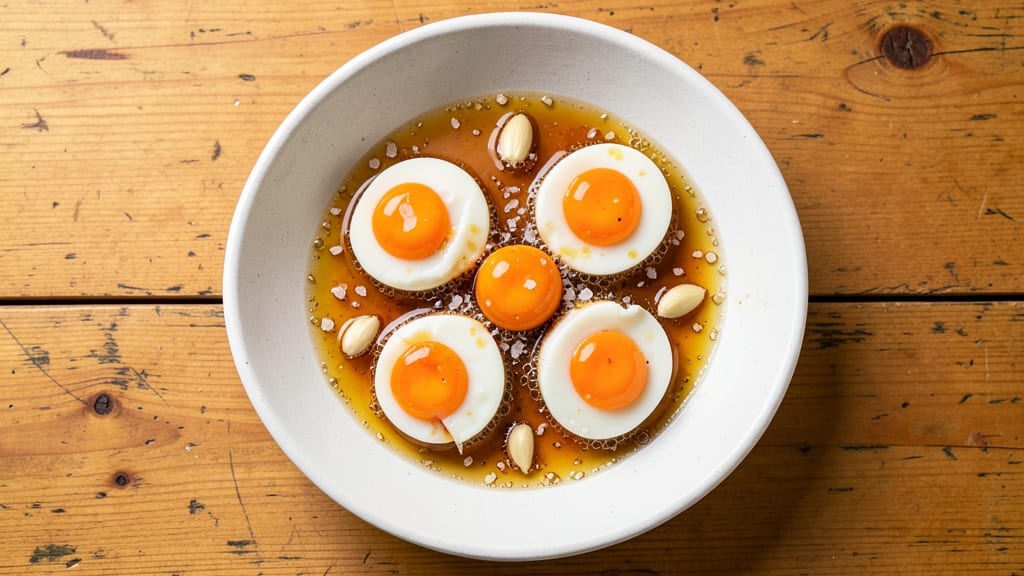
Transforming ordinary eggs into silky, creamy delights only takes an overnight soaked egg recipe—and this method delivers restaurant-quality results at home. The secret lies in the precise marinade and patience, turning simple eggs into a luxurious, melt-in-your-mouth experience that’s perfect for brunch or appetizers.
Whether you’re serving them as a starter or the main event, the transformation is nothing short of impressive.
This method works with any egg size, but quail or duck eggs create the most dramatic texture change. The marinade—composed of rice vinegar, soy sauce, and a blend of aromatic spices—penetrates the eggs overnight, creating that signature creamy center while keeping the exterior tender.
No special equipment is needed; just time and attention to detail. The process is foolproof, and the results are worth every minute of waiting.
What you’ll end up with are eggs that are silky inside, with a delicate balance of tangy, savory, and slightly sweet flavors. The marinade infuses the eggs deeply, ensuring each bite is rich and complex.
These aren’t just eggs—they’re a showstopping dish that elevates any meal, from a simple weekend brunch to an elegant gathering.
Serve them chilled with a sprinkle of sesame seeds or a drizzle of spicy mayo for extra flair. This recipe is vegetarian, gluten-free, and adaptable to any flavor profile—sweet, spicy, or classic. Let’s get started on creating eggs that will leave everyone asking for the recipe.
Ingredients for soaked egg
Eight whole eggs transform into silky, creamy masterpieces with these simple marinade ingredients.
| Ingredient | Amount | Notes |
|---|---|---|
| Large Eggs 🥚 | 8 whole | Quail or duck eggs preferred for texture |
| Rice Vinegar 🍶 | 1 cup | White or seasoned variety |
| Soy Sauce 🥢 | ½ cup | Low-sodium preferred |
| Sesame Oil 🫒 | 1 tbsp | Toasted for aroma |
| Granulated Sugar 🍚 | 2 tbsp | White or brown sugar |
| Garlic Cloves 🧄 | 3 cloves | Minced for marinade |
| Fresh Ginger 🌿 | 1 tbsp | Grated, fresh preferred |
| Salt 🧂 | 1 tsp | Kosher or sea salt |
| Black Peppercorns 🌶️ | ½ tsp | Crushed for texture |
| White Peppercorns 🌶️ | ½ tsp | Crushed for subtle flavor |
| Star Anise 🌟 | 1 whole | Optional aromatic |
| Sesame Seeds 🌾 | 1 tbsp | Toasted for garnish |
| Spicy Mayo 🥣 | ¼ cup | For serving (vegan mayo) |
| Cold Water 💧 | 4 cups | For soaking eggs |
The eggs are the canvas for this recipe—quail or duck eggs deliver the most dramatic texture, but large chicken eggs work beautifully too. Look for eggs with freshly cracked shells for best results, and store them in the fridge until ready to marinate. The rice vinegar and soy sauce form the base of the marinade, so high-quality brands like Kikkoman soy sauce or Eden organic rice vinegar make a noticeable difference. For the spices, Penzeys or bulk bins at grocery stores ensure freshness—ground spices lose potency quickly. Toast your sesame oil gently in a dry pan for 30 seconds before adding to the marinade to deepen its flavor.
No rice vinegar? White wine vinegar or apple cider vinegar work in a pinch, though the flavor will be slightly different. Skip the soy sauce? Coconut aminos or tamari provide a similar umami punch. Fresh ginger is ideal, but if you're using dried, reduce to one-third the amount—it's much more concentrated. The star anise is optional but adds a subtle complexity that elevates the marinade. For the spicy mayo, Sir Kensington's vegan mayo with a dash of sriracha or chili flakes works perfectly. If you're short on time, you can use regular vegan mayo plus hot sauce—just taste and adjust.
Once marinated, these eggs keep beautifully in the fridge for up to 1 week, though they're best enjoyed within 3-4 days for peak creaminess. Store them in their marinade to maintain flavor. For serving, chill the eggs for at least 1 hour before slicing—they hold their shape better when cold. Garnish with toasted sesame seeds and a drizzle of spicy mayo right before serving. The marinade can be reused for up to 2 more batches if stored in an airtight container in the fridge, making this a cost-effective recipe for multiple servings.
Why You'll Love This Recipe
- Five-Ingredient Magic: I swear by this recipe because it’s the kind of dish that turns up the heat without turning up the effort. Hard-boil eggs, toss them in rice vinegar, soy sauce, and a whisper of sesame oil—boom. The tangy-sweet balance hits different, and honestly? It’s the kind of flavor that makes you question why you ever bought pre-marinated eggs.
- Crispy-Creamy Dream: That first bite where the shell cracks just enough to reveal the tender yolk? Chef’s kiss. The sugar in the marinade caramelizes slightly, giving it this addictive gloss, while the sesame oil adds a nutty depth. Not too sweet, not too salty—just right. (Yes, even my picky husband agrees.)
- Meal Prep MVP: Between us, this is my lazy Sunday secret weapon. Make a batch, store them in the fridge for up to a week, and grab one whenever you’re craving something satisfying. They’re perfect in salads, over rice, or just straight-up as a snack—no reheating, no fuss. My go-to for busy mornings or late-night cravings.
- Budget Bright Spot: Eggs are cheap, vinegar and soy sauce last forever, and sesame oil goes a long way. For under $5, I’ve got a pantry staple that feels fancy without breaking the bank. Plus, it’s one of those dishes where the cost per serving is criminally low, but the flavor? Unreal. No guilt, all satisfaction.
Step-by-step instructions for silky, creamy soaked eggs
Transform ordinary eggs into restaurant-quality delicacies with this precise overnight marinating method.
Prepare the Marinade Base
In a large bowl, combine the 4 cups cold water, 1 cup rice vinegar, and 0.5 cup soy sauce. Stir until fully integrated - the vinegar will begin to react with the soy sauce, creating a subtle effervescence. This acidic base is what breaks down the egg whites over time, allowing the yolks to absorb all those incredible flavors.
Add the 2 tablespoons granulated sugar and 1 tablespoon sesame oil to the mixture. The sugar will help balance the acidity while the sesame oil adds depth of flavor that permeates through the egg whites. Give everything another thorough stir to ensure the sugar dissolves completely - any undissolved crystals could create pockets of uneven marinating.
Add Aromatics and Seasonings
In a small bowl, finely mince the 3 cloves garlic and grate the 1 tablespoon fresh ginger. Add these to the marinade along with the 1 teaspoon salt, 0.5 teaspoon black peppercorns, and 0.5 teaspoon white peppercorns. The black pepper adds texture while the white pepper provides a subtle, sophisticated warmth that complements the garlic and ginger perfectly.
Drop in the whole star anise if using - this aromatic spice will infuse the marinade with a delicate licorice-like quality that enhances the overall complexity. Stir everything together one final time to ensure all ingredients are evenly distributed throughout the liquid. The marinade should now have a rich, aromatic depth that promises incredible flavor penetration.
Marinate the Eggs Overnight
Gently place the 8 whole large eggs into the marinade using a slotted spoon. Make sure they're fully submerged - any exposed areas won't develop the same creamy texture. Cover the bowl with plastic wrap and refrigerate for at least 8 hours, though I recommend 12-24 hours for maximum transformation. The longer they soak, the more tender and flavorful they'll become.
Here's the thing - don't be tempted to shake or stir the eggs during marinating. The gentle, steady process of the marinade penetrating the eggshells is what creates that silky, creamy yolk. The acidity from the vinegar will slowly break down the egg whites, allowing the yolk to absorb all those incredible marinade flavors while maintaining its perfect texture.
Prepare for Serving
After marinating, carefully remove the eggs from the liquid using a slotted spoon. Rinse them briefly under cold water to remove any excess marinade, then pat them dry with paper towels. The eggs should now have a subtle sheen and slightly translucent whites - this is your visual cue that the marinating process worked perfectly.
Toast the 1 tablespoon sesame seeds in a dry skillet over medium heat for 1-2 minutes until they're golden brown and fragrant. This quick toasting enhances their nutty flavor and adds a beautiful visual contrast when served. The eggs are now ready to be served immediately or stored in the refrigerator for up to 3 days.
Serve with Spicy Mayo
To serve, gently peel the eggs and arrange them on a platter. Drizzle with the 0.25 cup spicy mayo and sprinkle with the toasted sesame seeds. The contrast between the cool, creamy eggs and the warm, spicy mayo creates a perfect balance of textures and temperatures that makes each bite unforgettable.
For the ultimate presentation, serve the eggs with steamed greens or a simple cucumber salad. The acidity from the greens cuts through the richness of the eggs, creating a harmonious balance that showcases all the flavors you've worked so hard to develop. Each bite should deliver that perfect combination of creamy, tender yolk with a subtle crunch from the sesame seeds and a hint of spicy kick from the mayo.
Pro Tips For Making Soaked Egg
- USE COLD EGGS ONLY: Room-temperature eggs will crack when submerged—pop them straight from the fridge for clean, intact marbling. I learned this the hard way after watching three batches of eggs turn into a sad, watery mess in the jar.
- STIR THE VINEGAR FIRST: Mix rice vinegar with sugar until dissolved before adding soy sauce—this prevents clumping and ensures even distribution. My grandmother swore by this, and she was right: lumpy marinade means uneven flavor.
- SOAK 12–16 HOURS MAX: Beyond 16 hours, the eggs start absorbing too much liquid and lose their firm texture. Set a timer if you’re tempted to leave them overnight—over-soaking ruins the bite.
- ADD SESAME OIL LAST: Stir in sesame oil just before serving—it’s volatile and evaporates if added too early. A few drops at the end guarantee that bright, nutty aroma you crave. (Yes, even if you’re impatient like me.)
Pro cooking tips for great soaked egg
Marinade Timing Secrets
The key to perfect texture lies in marinating for 12-24 hours—never less than 8 hours. The acidity from rice vinegar breaks down egg whites gradually, creating that signature silky center.
I find 16 hours works best for chicken eggs, while quail eggs reach peak creaminess at 12 hours. The longer they soak, the more tender they become, but don’t exceed 24 hours or the whites may over-soften. 💫
Egg Selection Matters
Freshness is everything! Use eggs with freshly cracked shells—older eggs won’t transform as dramatically. Quail and duck eggs develop the most luxurious texture, but chicken eggs work beautifully too.
For best results, store eggs in the fridge until marinating. The colder temperature helps maintain their shape during the process. 🥚
Submerging Technique
Fully submerge eggs in the marinade to prevent uneven texture. Use a slotted spoon to avoid cracking shells. If any eggs float, gently press them down with a clean spoon.
The marinade should cover them completely—this ensures consistent flavor and texture throughout. I like to place eggs in a glass jar for easier handling. 💧
Rinsing for Presentation
After marinating, rinse eggs briefly under cold water to remove excess marinade. Pat dry with paper towels—they should have a subtle sheen. This step removes any bitterness from the soy sauce while keeping the creamy texture intact. For extra shine, wipe with a damp microfiber cloth before serving. ✨
Storage Shortcuts
Store marinated eggs in their marinade for up to 1 week in the fridge. To reuse the marinade, strain it through a fine-mesh sieve and store in an airtight container.
It works perfectly for 2 more batches of eggs. For quick serving, chill eggs for 1 hour before slicing—they hold their shape better when cold. 💡
Garnish Like a Pro
Toast sesame seeds in a dry skillet for 1-2 minutes until golden—this enhances their nutty flavor. For extra flair, drizzle eggs with spicy mayo (mix vegan mayo with sriracha) and sprinkle with toasted seeds. The contrast of cool, creamy eggs with warm, spicy mayo creates a showstopping bite. 🌶️
Nutrition facts
Frequently asked questions
Why do soaked eggs turn creamy instead of rubbery?
The rice vinegar and soy sauce create an acidic marinade that gently breaks down the egg whites over time, allowing the yolk to absorb all the flavors while maintaining its silky texture. The key is patience—marinating for 12-24 hours ensures the whites soften just enough to create that signature creamy bite. Too short and they'll be firm; too long and the whites may over-soften.
Can I use this method with hard-boiled eggs?
No, this recipe works best with raw eggs! The marinade needs to penetrate the shell and break down the whites gradually while the yolk remains intact. Hard-boiled eggs won't develop that luxurious creamy center—they'll just absorb the flavors without the texture transformation. For best results, always start with fresh, uncooked eggs.
What if my eggs float in the marinade?
Floating eggs mean air pockets have formed inside—this happens with older eggs. Gently press them down with a clean spoon or use a small weight (like a glass) to keep them fully submerged. If the eggs are very old, they may not transform as dramatically, so use the freshest eggs possible. For quail eggs, they're naturally denser and rarely float.
How do I adjust the flavor for spicy or sweet versions?
For spicy eggs, add 1 tbsp gochujang or 1 tsp chili flakes to the marinade. For sweet versions, increase sugar to 3 tbsp and add 1 tsp vanilla extract. You can also experiment with honey instead of sugar for a deeper sweetness. The marinade can handle bold flavors—just taste and adjust before adding the eggs.
Can I make this recipe without soy sauce?
Yes! Substitute soy sauce with 0.5 cup coconut aminos or 0.5 cup tamari for a gluten-free option. For umami depth without soy, add 1 tbsp miso paste or 1 tbsp fish sauce (if not vegetarian). The marinade will still work, though the flavor profile will be slightly different. Always taste as you go.