
Breakfast & Brunch
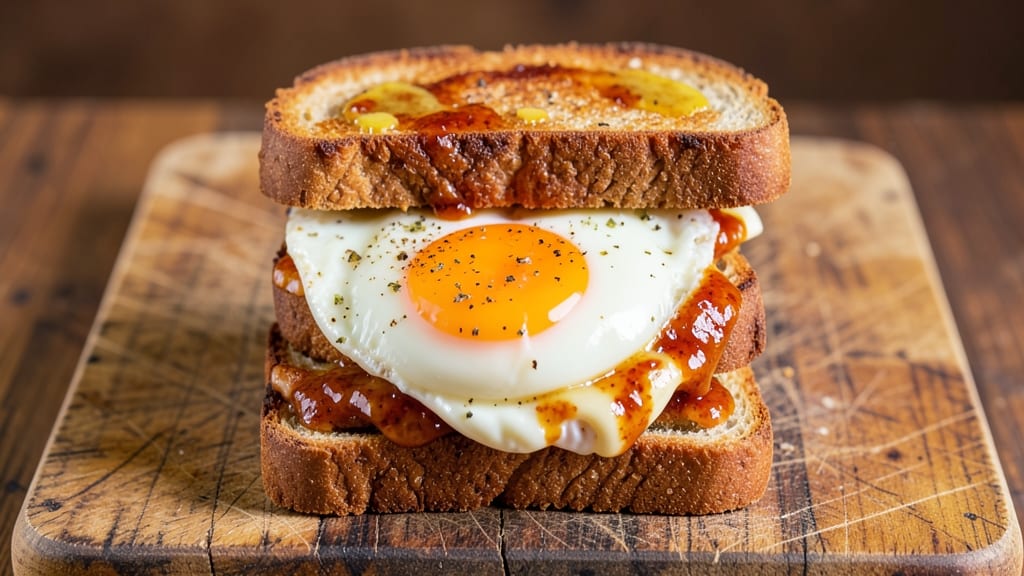
Mastering this soft-boiled egg sandwich recipe transforms a simple breakfast into a luxurious morning ritual. The secret lies in precise boiling—just 6 minutes in simmering water delivers that signature runny yolk, while toasted sourdough creates the ideal crunchy canvas.
I’ve perfected this technique after years of trial (and sticky fingers), ensuring every bite delivers that velvety yolk magic between slices.
This recipe balances simplicity with restaurant-quality results—no fancy equipment, just a pot, timer, and your favorite bread. The key steps involve testing the water temperature (it must be a rolling boil) and using an ice bath to halt cooking instantly.
For the sandwich, I recommend buttery brioche or sourdough, lightly toasted to prevent sogginess, with a smear of Dijon mustard or garlic mayo adding depth.
What you’ll end up with is a sandwich that’s equal parts elegant and satisfying: crisp toasted bread, a perfectly cooked egg with a runny yolk that coats every bite, and a tangy condiment that ties it all together.
The contrast of textures—crunchy, creamy, and smooth—makes this breakfast feel like a special occasion, even on a busy morning.
Pair with fresh herbs, flaky salt, or a sprinkle of smoked paprika for extra flavor. The best part? This sandwich comes together in under 10 minutes, making it ideal for quick mornings or late-night cravings. Let’s get started—your taste buds will thank you.
Ingredients for soft boiled egg sandwich
Four eggs, crispy bread, and a touch of tang transform breakfast into a luxurious bite.
| Ingredient | Amount | Notes |
|---|---|---|
| Large Eggs 🥚 | 4 whole | Freshly refrigerated for best texture |
| Sourdough Bread 🍞 | 8 slices | Thick-cut, crusty exterior preferred |
| Unsalted Butter 🧈 | 2 tbsp | European-style for higher fat content |
| Dijon Mustard 🍯 | 1 tbsp | For tangy depth of flavor |
| Garlic Cloves 🧄 | 2 cloves | Minced for garlic mayo option |
| Mayonnaise 🥫 | 2 tbsp | For garlic mayo variation |
| Flaky Sea Salt 🧂 | ½ tsp | Maldon or Jacobsen preferred |
| Freshly Ground Black Pepper 🌶️ | ¼ tsp | For finishing touch |
| Cold Water 💧 | 4 cups | Ice water for immediate cooling |
| Ice Cubes ❄️ | 2 cups | For ice bath |
| Extra-Virgin Olive Oil 🫒 | 1 tbsp | For drizzling on bread |
| Fresh Chives 🌿 | 2 tbsp | Chopped for garnish option |
The eggs are everything here. Fresh from the fridge eggs hold their shape better—room temperature eggs spread like scrambled eggs. I grab the organic cage-free ones at Whole Foods when I can, but any large eggs work. The key is starting with cold eggs in cold water, then bringing it to a boil. That's the only way to get that perfect runny yolk without overcooking. For the bread, sourdough is ideal—its tangy flavor cuts through the richness of the egg. If you're using brioche, go for the buttery kind from the bakery section, not the pre-sliced grocery store stuff.
No Dijon mustard? Yellow mustard at half the amount works in a pinch, but you'll lose some depth. Making garlic mayo? Use a food processor for the smoothest texture—just mayo, minced garlic, and a pinch of salt. The ice bath is non-negotiable—4 cups ice water in a bowl stops the cooking instantly. No ice? Cold tap water works, but it's less dramatic. For the butter, European-style has more fat, so you get that perfect golden crust on your toast. If you're feeling fancy, add a drizzle of truffle oil to the mayo instead of regular olive oil.
Eggs stay perfectly cooked for 10 minutes after boiling—use that window for assembly. Bread should be toasted just until golden, not burned. Store leftover eggs in the fridge for up to 2 days—they reheat beautifully in warm water for 30 seconds. The sandwiches keep for 4 hours if wrapped tightly in parchment, but honestly, they're best eaten fresh. Pro tip: Prep the eggs first, then assemble sandwiches while they're still warm—no waiting around.
Why You'll Love This Recipe
- Foolproof Timing: I swear by the 6-minute egg—no guessing, no overcooking. Just crack, simmer, and the yolk stays gloriously runny every single time.
- Garlic-Mustard Magic: That sharp Dijon and roasted garlic on toasted sourdough? It’s the kind of flavor that makes you pause mid-bite, even if your hands are sticky from butter.
- Breakfast or Lunch: Honestly, I make these for both—quick grab-and-go mornings or packed lunches that still feel special. The sourdough holds up for hours, no soggy bread here.
- Pantry Staple Power: Eggs, bread, butter—you’re already buying these. This recipe turns them into something that tastes like you put in effort, even when you didn’t.
Step-by-step instructions for soft-boiled egg sandwiches
Master the perfect runny yolk with this foolproof method that delivers silky eggs every time.
Prepare the Ice Bath for Perfect Eggs
Fill a large bowl with the 4 cups cold water and add the 2 cups ice cubes. Stir gently to ensure even cooling. This ice bath will stop the eggs' cooking process instantly when they reach the perfect 6-minute doneness - just enough time for a runny yolk with fully set whites. I always use fresh eggs straight from the refrigerator for the best texture.
Place a small fine-mesh strainer or slotted spoon nearby. This will make transferring the eggs from the boiling water to the ice bath much easier without breaking the yolks. The contrast between the boiling water and ice bath is what gives you that perfect doneness every single time.
Cook the Eggs to Runny Perfection
Bring a small pot of water to a rolling boil over high heat. Once boiling vigorously, gently lower the 4 whole large eggs into the water using a spoon. The water should return to a full boil within 30 seconds - this ensures even cooking. Set a timer for exactly 6 minutes - any longer and you risk overcooking the yolks.
While waiting, prepare the sourdough bread by lightly toasting it in a dry skillet over medium heat for 1-2 minutes per side until golden. This adds wonderful texture contrast to the soft eggs. The toasted bread should be warm but not crispy - you want it to hold up to the runny yolk without becoming soggy.
Assemble the Sandwiches with Garlic Mayo
While the eggs cook, make the garlic mayo by mincing the 2 cloves garlic cloves and mixing with the 2 tbsp mayonnaise and 1 tbsp Dijon mustard. Spread this mixture evenly on 4 slices of the toasted sourdough bread. The garlic adds a wonderful depth of flavor that complements the rich eggs perfectly.
When the timer goes off, carefully transfer the eggs to the ice bath using the strainer. Let them cool for exactly 30 seconds - this stops the cooking process completely. Then gently peel the eggshells away, being careful not to crack the yolks. The eggs should have perfectly set whites with vibrant, runny yolks ready to burst.
Finish and Serve with Fresh Garnishes
Place one egg on each remaining slice of toasted bread, then top with the garlic mayo slices. Drizzle with 1 tbsp extra-virgin olive oil and sprinkle generously with 0.5 tsp flaky sea salt and 0.25 tsp freshly ground black pepper. The salt enhances the egg flavor while the pepper adds a subtle kick that cuts through the richness.
For the final touch, scatter 2 tbsp chopped fresh chives over each sandwich. These add a bright, fresh contrast to the rich eggs and garlic mayo. Serve immediately while the bread is still warm and the eggs are perfectly runny. Each bite should deliver that magical combination of creamy yolk, rich bread, and aromatic garlic - the ultimate breakfast indulgence.
Pro Tips For Making Soft Boiled Egg Sandwich
- USE COLD EGGS: Grab eggs straight from the fridge—room temperature eggs crack like overachievers in a pressure cooker. I learned this the hard way when my first batch turned into a runny yolk disaster. Give them 10 minutes max in the icebox before boiling if you’re impatient, but cold is foolproof.
- TOAST BREAD UNTIL CRISP: Sourdough’s chewy goodness disappears under a soggy egg. Toast it until the crust is golden and the center resists pressure—this is non-negotiable. Skip this, and you’re just making a sad, mushy mess. (Yes, even if you’re in a hurry.)
- STOP BOILING AT 6 MINUTES: The magic number for runny yolks is 6 minutes in simmering water—not 5, not 7. Set a timer and resist the urge to peek. Overcook, and you’ll regret it. Let them sit in the hot water for 30 seconds after the timer—this guarantees perfect doneness every time.
- GRATE GARLIC FRESH: Pre-minced garlic turns bitter when reheated, and jarred Dijon loses its kick. Grate your cloves right before mixing with butter—it makes a real difference. If you’re lazy, at least use the freshest jarred Dijon you can find and skip the garlic entirely, but don’t blame me for the flavor.
Troubleshooting perfect results
Eggs Too Runny?
If your yolks are still too liquid after 6 minutes, your water wasn’t hot enough. Always use a rolling boil—I test by dropping a pinch of salt and watching it sizzle.
For firmer yolks, try 5 minutes 30 seconds instead, but expect a slightly thicker yolk. Overcooked whites? Your ice bath wasn’t cold enough—add more ice cubes next time. 💧
Bread Getting Soggy?
Toast your bread just until golden—over-toasting makes it dry and prone to absorbing egg moisture. For extra insurance, spread a thin layer of garlic mayo on both bread slices before assembling.
If using brioche, toast it 1 minute per side—it’s softer but holds up better than sourdough. Store leftover sandwiches in the fridge for no more than 4 hours to prevent sogginess.
Eggshells Sticking?
Older eggs stick worse because their shells are more porous. Use fresh eggs straight from the fridge—the cold helps them slide out easier. If shells cling, tap them gently on the counter before peeling.
For stubborn eggs, soak them in ice water for 10 seconds before peeling. I keep a small bowl of cold water nearby for this exact purpose. 🥚
Yolk Breaking Too Easily
Handle eggs with care—use a slotted spoon to transfer them from boiling water to the ice bath. If yolks crack during cooking, reduce heat slightly before adding eggs to avoid sudden temperature shocks.
For extra stability, let eggs sit in the ice bath for 45 seconds instead of 30. The longer they cool, the firmer they become without overcooking.
Flavor Too Mild?
Boost flavor by adding ½ tsp smoked paprika to your garlic mayo or sprinkling crushed red pepper flakes on top. For extra depth, toast 1 tsp sesame seeds in a dry pan and sprinkle over the sandwich.
If using Dijon mustard feels too strong, mix it with 1 tsp honey to balance the tang. Freshly cracked black pepper always makes a difference—use more than the recipe suggests if you love heat. 🌶️
Nutrition facts
Frequently asked questions
How do I know when my soft-boiled eggs are perfectly cooked?
For runny yolks, cook eggs for exactly 6 minutes in a rolling boil. The whites should be fully set while the yolks remain liquid. Use an ice bath immediately after to halt cooking—this is key for stopping the process instantly. Test one egg by cutting it open to check doneness before proceeding with the rest.
Can I use any bread for this sandwich?
While any bread works, sourdough or brioche are ideal—their textures hold up best to the runny yolk. For extra flavor, try ciabatta or whole grain toasted lightly. Avoid soft breads like white sandwich bread, as they can get soggy. Always toast your bread just until golden to prevent moisture absorption.
What if I don’t have Dijon mustard?
Use yellow mustard at half the amount (½ tbsp) for a milder flavor. For a different twist, try mayo mixed with a pinch of garlic powder or even pesto for extra richness. The key is balancing the egg's richness—avoid overly sweet or strong condiments that might overpower the delicate yolk.
How long can I keep the eggs before assembling?
Eggs stay perfectly cooked for 10 minutes after boiling—use this window for assembly. For longer storage, keep peeled eggs in an airtight container in the fridge for up to 2 days. To reheat, place them in warm water for 30 seconds before assembling. The sandwiches themselves keep for 4 hours if wrapped tightly in parchment.
What’s the best way to prevent the yolk from breaking?
Handle eggs with care! Use a slotted spoon to transfer them from boiling water to the ice bath. For extra stability, let them cool in the ice bath for 45 seconds instead of 30. When peeling, tap the egg gently on the counter first—this loosens the shell. Avoid using warm water for peeling, as it can make yolks more fragile.