
Breakfast & Brunch
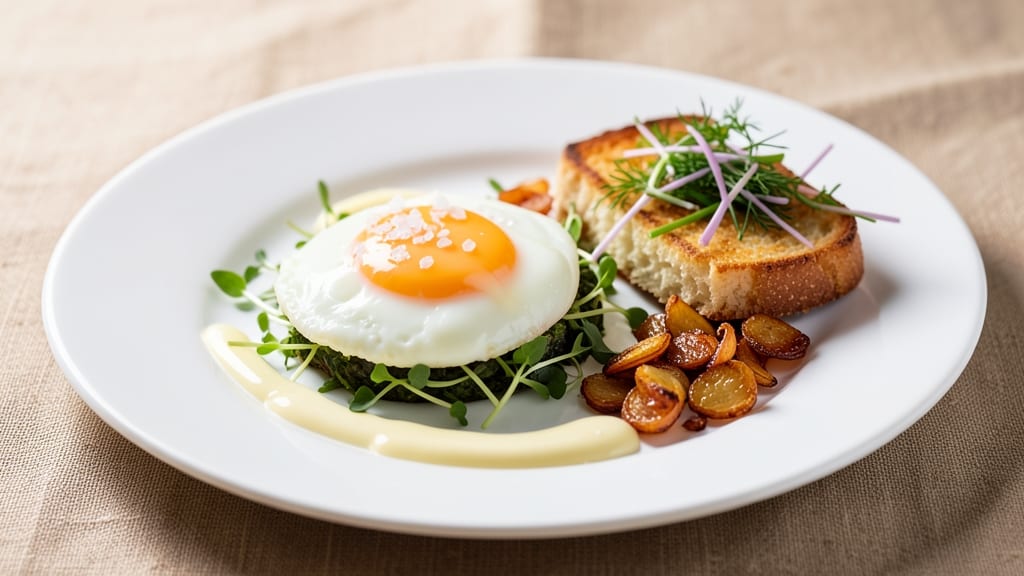
Mastering the perfect soft poached egg transforms breakfast into an art form—silky whites cradle a molten yolk that glistens like liquid gold. The secret lies in precise water temperature (just below simmer) and a splash of vinegar to tighten the whites, creating a restaurant-quality result at home.
I’ve perfected this technique after years of trial and error, ensuring every egg turns out flawlessly.
This method requires only three essential components: fresh eggs, room-temperature water, and a pinch of salt or vinegar. The key is patience—circulating the water gently before lowering the egg creates a gentle current that shapes the whites while keeping the yolk perfectly runny.
No special equipment needed, just a deep pot and a slotted spoon.
What you’ll achieve is an egg with delicate, set whites and a yolk so vibrant it practically glows. The broth stays light and flavorful, perfect for serving over toast, ramen, or avocado.
The versatility of this technique means it elevates any dish—whether you’re making a classic English breakfast or a modern ramen bowl.
Once you’ve nailed the basics, experiment with adding herbs like dill or chives to the poaching water, or a pinch of smoked salt for depth. The result is a dish that feels indulgent yet simple, proving that even the smallest details can make the biggest difference in your cooking.
Ingredients for soft poached egg
Three core ingredients plus optional extras for a restaurant-worthy breakfast experience.
| Ingredient | Amount | Notes |
|---|---|---|
| Large Eggs 🥚 | 2 whole | Fresh, room-temperature preferred |
| White Vinegar 🍋 | 1 tbsp | For tightening whites |
| Water 💧 | 4 cups | Room-temperature, filtered preferred |
| Fine Sea Salt 🧂 | ¼ tsp | Diamond Crystal preferred |
| Fresh Dill 🌿 | 0.1 cup | Chopped, optional garnish |
| Fresh Chives 🌿 | 0.1 cup | Chopped, optional garnish |
| Smoked Salt 🧂 | 0.1 tsp | Optional for depth |
| Butter 🧈 | 1 tbsp | Unsalted, for serving |
| Toasted Baguette Slices 🍞 | 2 whole | For serving, optional |
| Avocado Slices 🥑 | 2 whole | For serving, optional |
Eggs are the star—freshness matters, so check the carton date. Room temperature eggs poach better (no cold shock), so take them out 15 minutes before cooking. I grab mine from Trader Joe's or the local farm stand—they’ve got better marbling and richer yolks. Vinegar is non-negotiable here; it tightens the whites without adding flavor. White vinegar is classic, but apple cider works too if you prefer a hint of sweetness. For the water, filtered is ideal (less mineral buildup), but tap works fine if you’re in a pinch.
No vinegar? A splash of lemon juice works in a bind, though it adds a slight citrus note. Short on dill or chives? Fresh parsley gives a milder, brighter flavor. Smoked salt optional but worth it—Maldon flaky salt adds texture if you’re feeling fancy. The butter should be cold-packed, unsalted (like Plugrá)—it melts beautifully over warm toast. Avocado? Grab Hass varieties when they’re just firm to the touch—they’ll ripen perfectly over a few days.
Eggs poach best fresh—use within 2 days of cooking. Store the vinegar in a dark glass bottle (keeps flavor longer), and keep your herbs wrapped in damp paper towels in the fridge for 5-7 days. The broth stays flavorful for 3 days if refrigerated, but the eggs are best eaten immediately. For meal prep, poach extra eggs and store them in ice water (keeps yolks intact for up to 2 days)—perfect for quick ramen bowls.
Why You'll Love This Recipe
- No-Fuss Technique: I swear by the vinegar water trick—just a splash, and the whites hold together like magic. No fancy gadgets, no stressing over timing. Even my toddler could do it (and sometimes does).
- Bright, Fresh Bite: That fresh dill floating on top? It’s the secret weapon. The vinegar sharpens the egg just enough, while the salt and dill turn it from good to ridiculously good—like a fancy brunch without the fuss.
- Breakfast or Bento: Slip these into avocado toast, grain bowls, or even a simple salad. I’ve packed them in bento boxes for work—still perfect hours later. (Yes, even on a Tuesday night.)
- Budget Breakthrough: Eggs are cheap, vinegar lasts forever, and a handful of dill stretches across multiple meals. Leftovers? Poach a batch, store them in water, and reheat in seconds. My wallet and my mornings thank me.
Step-by-step instructions for soft poached egg recipe
Here's how to achieve perfectly soft poached eggs with silky yolks and tender whites every time.
Prepare the Poaching Liquid
Pour the 4 cups water into a deep saucepan and place it over medium-high heat. Add the 1 tablespoon white vinegar and the ¼ teaspoon fine sea salt, stirring until fully dissolved. The vinegar helps tighten the egg whites, preventing them from spreading too much in the water.
Bring the liquid to a gentle simmer—you'll see small bubbles breaking the surface, but it shouldn't be a rolling boil. A gentle simmer maintains control over the egg's cooking process, giving you that perfect runny yolk. I like to keep the heat steady at 180-190°F (just below a full boil) for ideal results.
Crack and Prepare the Eggs
While the water heats, crack the 2 large eggs into a small bowl or ramekin. The eggs should be at room temperature for even cooking—if they're cold, they'll cook unevenly. Gently stir the eggs with a fork to help them slide into the water more easily.
Here's a pro tip: I use a fine-mesh strainer to help shape the eggs as they poach. Hold the strainer over the simmering water and carefully slide each egg into it. The mesh helps contain the whites while the yolk stays intact. This method gives you that classic round poached egg shape with a clean white border.
Poach the Eggs to Perfection
Once the water is gently simmering, carefully lower the egg into the strainer (or directly into the water if you're not using one). Let it poach for 3 minutes—this is where the magic happens. You want the whites to set beautifully while keeping the yolk completely runny.
After 3 minutes, use a slotted spoon to gently lift the egg from the water. Let any excess water drip off, but don't shake it too hard—you want to preserve that delicate shape. The whites should be fully set but still tender, and the yolk should remain completely liquid. If you cut into one, you'll see a perfect circle of white surrounding that glorious runny center.
Assemble and Serve Immediately
Place each poached egg onto one of the 2 toasted baguette slices. Drizzle with 1 tablespoon butter (melted if you prefer) and sprinkle with the ¼ cup chopped fresh dill and ¼ cup chopped fresh chives. Add a pinch of ⅛ teaspoon smoked salt for that extra depth of flavor.
Top with the 2 avocado slices for a creamy, rich contrast to the silky eggs. Serve immediately while the eggs are still warm—they cool quickly, and that perfect texture disappears fast. The combination of buttery toast, creamy avocado, and tender poached eggs creates a dish that's both elegant and comforting.
Pro Tips For Making Soft Poached Egg
- Use Room-Temperature Eggs: Cold eggs from the fridge drop straight to the bottom like a rock, making them nearly impossible to poach cleanly. Take them out 15–20 minutes before cooking—yes, even if you’re in a hurry, this small step keeps the whites from turning into a tangled mess.
- Boil Vinegar First: Add the vinegar after the water reaches a full rolling boil, not before. Cold vinegar lowers the water temperature too much, and you’ll end up with watery, undercooked whites. Let the pot scream for 2–3 minutes, then add the vinegar—this keeps the heat high where it needs to be.
- Salt the Water Lightly: Skip the heavy-handed salt dump—just a pinch (about ¼ teaspoon) is enough to help the whites set without overpowering the egg’s delicate flavor. Too much salt makes the whites tough and the yolks grainy, and nobody wants that sad, rubbery texture.
- Strain the Dill: If you’re adding fresh dill to the poaching water, strain it out before removing the egg. The tiny leaves cling to the whites like glue, turning your perfect poach into a dill-covered disaster. Save the strained dill for garnish—it’ll look prettier and taste fresher on top anyway.
Storing and reheating your leftovers
Refrigerator Storage
Poached eggs are best enjoyed fresh, but you can store them for up to 2 days in the fridge if needed. After poaching, transfer eggs to an airtight container filled with ice water—this keeps the yolks intact and prevents overcooking.
I use a shallow glass dish with a lid to maintain that perfect texture. Store at 40°F or below for maximum freshness. 💧
Freezer-Friendly Broth
The flavorful poaching broth can be saved for up to 3 months in the freezer. Strain out any egg bits, then pour the liquid into quart-sized freezer bags or airtight containers.
Leave 1-inch headspace for expansion. When ready to use, thaw overnight in the fridge—perfect for ramen or risotto bases. The vinegar and salt flavors meld beautifully over time. ❄️
Reheating Poached Eggs
If you must reheat, do it gently to preserve texture. Place eggs in a steam basket over simmering water for 30-60 seconds—just enough to warm through without overcooking.
I avoid microwaving as it can make whites rubbery. For best results, reheat only what you plan to eat immediately. The yolk stays runny if handled quickly. ⏱️
Avocado Hack
Store leftover avocado slices in the fridge for 1-2 days by tossing them in lemon juice (prevents browning). Keep them separate from the eggs until ready to serve. I like to prep everything separately and assemble just before eating—this keeps the avocado creamy and the eggs warm. 🥑
Toast Prep Ahead
Toast your baguette slices in advance and store in an airtight container at room temperature for up to 2 days. Reheat in a 350°F oven for 2-3 minutes until crispy.
For extra flavor, brush with garlic-infused olive oil before toasting. This step saves time and keeps your breakfast assembly quick. 🍞
Herb Revival Trick
Wilted dill or chives? Revive them by soaking in ice water for 10 minutes before chopping. Store fresh herbs in damp paper towels wrapped in plastic wrap for 5-7 days.
For smoked salt, keep it in a small jar with a tight lid to preserve that smoky flavor. Fresh herbs elevate every bite of your poached eggs. 🌿
Nutrition facts
Frequently asked questions
Why do my poached egg whites spread too much?
The most common cause is water that's too hot or not enough vinegar. Always use a gentle simmer (180-190°F) and add 1 tbsp vinegar—it tightens the whites instantly. Cold eggs also spread more, so let them sit at room temperature for 15 minutes before poaching. A fine-mesh strainer helps contain the shape while cooking.
Can I poach eggs without vinegar?
Yes, but the whites will be less defined. Use 1 tbsp lemon juice instead—it works similarly. For maximum control, add ½ tsp baking soda to the water (it raises the pH and helps set the whites faster). The trade-off is slightly less crisp edges, but still delicious.
How do I keep the yolk perfectly runny?
Timing is everything: 3 minutes max in gently simmering water. Overcooking is the #1 mistake—even 10 seconds too long will firm up the yolk. Use a thermometer to maintain 180-190°F water temp. For extra insurance, shock the eggs in ice water for 30 seconds after poaching.
What are the best ways to serve soft poached eggs?
Beyond classic toast, try them on sushi rice with soy sauce, ramen broth, or creamy mashed potatoes. For a modern twist, add to avocado toast with chili flakes or buttery noodles with truffle oil. The runny yolk pairs perfectly with acidic elements (lemon, vinegar) or rich bases (cream, butter).
Can I poach multiple eggs at once?
Yes, but space them out—crowding causes uneven cooking. Use a large enough pot (at least 8-inch diameter) to poach 2 eggs simultaneously. For 3+ eggs, do them in batches with fresh water each time. The water temp drops when adding multiple eggs, which affects texture. Stir gently between batches to maintain 180-190°F.