
Breakfast & Brunch
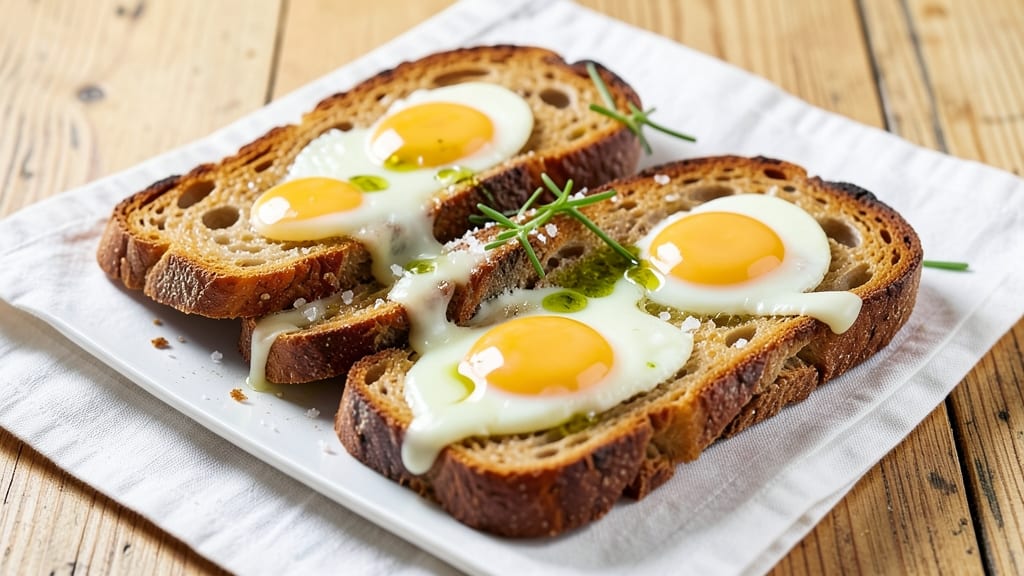
This sourdough bread and egg recipe transforms simple breakfast staples into a luxurious morning ritual—crispy, golden toast cradles runny yolk perfection with every bite. The secret lies in using a well-fermented sourdough starter for depth and a slow poaching technique that keeps the yolk silky and vibrant.
I perfected this after years of burning toast and overcooking yolks, and now it’s a weekend staple that feels like a Parisian café breakfast.
The magic happens in two simple steps: first, toasting thick sourdough slices until they’re crispy at the edges but still soft inside, then poaching eggs in a simmering broth of water, vinegar, and butter.
The acidity in the starter enhances the egg’s richness, while the toast’s chewy texture contrasts beautifully with the creamy yolk. This isn’t just breakfast—it’s a moment of indulgence that takes less than 15 minutes to prepare.
What you’ll end up with is a plate that looks as good as it tastes: golden-brown toast with buttery edges, a perfectly poached egg nestled in the center, and a drizzle of high-quality olive oil or flaky salt to tie it all together.
The aroma alone—warm bread, simmering egg, and a hint of tangy starter—will have everyone at the table asking for seconds. It’s the kind of dish that makes homemade feel like a gourmet experience.
Pair it with fresh herbs, avocado slices, or a sprinkle of everything bagel seasoning for extra flavor, or keep it classic with a dash of smoked paprika. The beauty of this recipe is its versatility—whether you’re feeding a crowd or treating yourself to a solo breakfast, it delivers every time.
Let’s get started on creating your perfect morning.
Ingredients for sourdough bread and egg
Four slices of sourdough, four perfect eggs, and a few simple tricks turn breakfast into a gourmet experience.
| Ingredient | Amount | Notes |
|---|---|---|
| Sourdough Bread 🍞 | 4 slices | Thick-cut, crusty exterior |
| Large Eggs 🥚 | 4 whole | Fresh, room temperature |
| Unsalted Butter 🧈 | 4 tbsp | Cold, cubed for toasting |
| White Vinegar 💧 | 1 tbsp | For egg poaching |
| Water 💧 | 4 cups | Filtered preferred |
| Extra-Virgin Olive Oil 🫒 | ½ cup | For drizzling |
| Flaky Sea Salt 🧂 | ½ tsp | For finishing |
| Freshly Ground Black Pepper 🌶️ | ¼ tsp | Optional garnish |
| Fresh Chives 🌿 | ¼ cup | Chopped, for garnish |
| Avocado 🥑 | 1 whole | Sliced, optional garnish |
| Smoked Paprika 🌶️ | ¼ tsp | For finishing |
| Everything Bagel Seasoning 🧂 | 1 tbsp | Optional garnish |
The sourdough is non-negotiable here—look for a crusty, artisanal loaf with a chewy interior. Local bakeries are your best bet, but Whole Foods or Trader Joe's carry great options too. Avoid pre-sliced bread from the grocery store—it lacks the structure for perfect toasting. If you're making your own starter, use it when it's at peak fermentation (bubbly and tangy). For the eggs, freshness matters—older eggs spread too much when poached. Grab the carton closest to the sell-by date at the store.
No vinegar? Lemon juice works in a pinch, but vinegar's acidity helps the egg whites set faster. Short on chives? Fresh parsley or dill add a nice brightness. Want extra richness? Add 1 tbsp heavy cream to the poaching water. The butter for toasting? Cold cubes give the best flavor—don't melt it first. For the avocado, if it's too firm, let it sit at room temperature for 20 minutes before slicing. And that everything bagel seasoning? Trader Joe's has the best, but any blend with sesame seeds and poppy seeds works.
Toast stays crispy for about 10 minutes after coming out of the toaster—work fast! Poached eggs hold up for 20 minutes in the simmering water, so don't make all four at once. Store leftover butter in the fridge in a small container—it keeps for 2 weeks. The sourdough? Wrap it in a clean kitchen towel and store at room temperature. For the eggs, keep them in their carton in the fridge, but use within 3 weeks for best results. These components all shine when fresh, so plan to eat them the same day.
Why You'll Love This Recipe
- Here’s what sold me: that crispy butter crust on the outside, soft pillowy bread inside. The secret? A hot pan with butter until it’s golden and shimmering. It’s the kind of texture that makes you reach for seconds without thinking.
- French Toast Magic: I swear by this—just crack eggs into a bowl, splash in a little vinegar, and stir. That tangy kick makes the sourdough soak up the custard like a dream. No fancy whisking, no measuring cups, just dump-and-go.
- Buttery Crust Perfection: Here’s what sold me: that crispy butter crust on the outside, soft pillowy bread inside. The secret? A hot pan with butter until it’s golden and shimmering. It’s the kind of texture that makes you reach for seconds without thinking.
- Breakfast or Brunch Hero: Between us, this works for lazy mornings and weekend brunch spreads. Toss in berries for company, or keep it simple for a solo meal. Even my picky teenager grabs a slice—no complaints, just empty plates.
Step-by-step instructions for crispy sourdough toast with poached eggs
Here's how to transform thick-cut sourdough into crispy, golden toast that perfectly cradles silky poached yolks.
Toast the Sourdough to Crispy Perfection
Preheat your oven to 400°F and line a baking sheet with parchment paper. Arrange the 4 slices of sourdough bread on the sheet, placing them close together but not overlapping. The thick-cut crust will give you that perfect crunch.
Generously brush both sides of each slice with the 0.5 cup of extra-virgin olive oil—this ensures maximum crispiness and prevents burning. Sprinkle lightly with 0.25 tsp smoked paprika for subtle smokiness. Bake for 8-10 minutes until the edges are deep golden brown and the bread feels firm to the touch.
Here's the thing—don't walk away. Ovens vary, so check at 7 minutes and adjust if needed. The toast should be crisp enough to stand up to the runny yolk without getting soggy. Let it cool for 2 minutes before proceeding—this prevents the butter from sliding off later.
Prepare the Poaching Liquid
While the toast cools, bring 4 cups of water to a gentle simmer in a deep skillet or saucepan. Add 1 tbsp of white vinegar—this lowers the pH and helps the egg whites coagulate faster, giving you that perfect cloud-like poach. Keep the heat at a low simmer (small bubbles breaking the surface), not a rolling boil.
I use a wide, shallow skillet for this because it gives the eggs plenty of room to spread out without crowding. If you don't have one, a deep saucepan works too—just make sure the water level is deep enough to cover the eggs completely when you add them.
Poach the Eggs to Silky Perfection
Crack each of the 4 whole large eggs into a small bowl or ramekin. This prevents them from breaking when you lower them into the water. Gently slide each egg into the simmering water—don't drop them, or they'll scatter.
Poach for exactly 3 minutes for runny yolks (my favorite) or 3 minutes 30 seconds for slightly firmer yolks. You'll know they're ready when the whites are set but still slightly translucent, and the yolks are just starting to thicken. Use a slotted spoon to carefully remove each egg and drain on a paper towel-lined plate.
Don't overcook—the eggs should still jiggle slightly when you shake the plate. If they're fully set, they'll be rubbery instead of silky. Keep them warm while you finish the toast.
Assemble with Butter and Garnishes
Return the toasted sourdough to the oven for 1 minute to warm through. While it reheats, melt the 4 tbsp of unsalted butter in a small saucepan over low heat. Once melted, remove from heat and stir in 0.5 tsp flaky sea salt and 0.25 tsp freshly ground black pepper.
Using a pastry brush, generously coat each slice of toast with the melted butter. Place one poached egg on each slice, letting any excess yolk settle into the crispy nooks. Immediately sprinkle with 0.25 cup chopped fresh chives and a pinch of everything bagel seasoning for that perfect savory crunch.
For the avocado option, slice the 1 whole avocado and arrange the slices alongside the eggs. The creamy avocado balances the richness of the yolks beautifully. Serve immediately while the toast is still crisp and the eggs are warm.
Pro Tips For Making Sourdough Bread And Egg
- Toast the Bread First: Skip the soggy bottom—pop your sourdough slices in a dry pan over medium heat for 30 seconds per side until golden and crisp. Cold bread soaks up the egg like a sponge, but toasted slices hold their shape and soak up just enough moisture to stay tender without falling apart.
- Crack Eggs Directly In: Ditch the bowl—crack eggs straight into the pan over your toasted sourdough. The residual heat from the pan keeps the whites from spreading into a chaotic mess, and you avoid the transfer of leftover yolk bits from the bowl. (Yes, even if you’re impatient like me.)
- Butter at the End: Add unsalted butter only in the last 30 seconds of cooking—after the eggs have set but before they’re fully done. This lets the butter melt into a glossy finish without burning, and the acidity of the white vinegar (if using) won’t turn it into a sad, greasy sludge.
- Vinegar Fix for Runny Yolk: If your eggs always turn out too runny, add a splash of white vinegar (1 teaspoon) to the water when poaching or scrambling. It tightens the proteins faster, so the yolk stays thick and creamy instead of pooling like a sad, watery puddle. (I learned this the hard way after serving a plate of eggy soup to guests.)
Essential equipment for perfect results
Must-Have Toasting Tools
Start with a high-quality toaster oven or combo microwave-toaster oven like the Breville Smart Oven Air Fryer—it gives you precise temperature control for that perfect golden crust. For a budget-friendly option, the Oster TSSTOV4225 delivers consistent results.
If you prefer stovetop toasting, a cast-iron skillet (like Lodge) is my go-to for even browning and crispiness. 🔥
Poaching Essentials
A wide, shallow skillet with sloped sides (I love the All-Clad Stainless Steel) makes poaching eggs effortless—it gives the whites room to spread without crowding. For vinegar, white vinegar is best, but apple cider vinegar adds subtle sweetness.
A fine-mesh slotted spoon (like OXO Good Grips) is crucial for removing eggs without breaking them. Keep a small bowl or ramekin nearby for cracking eggs to avoid splatters.
Butter and Garnish Tools
Invest in a small saucepan with a lid (I use Le Creuset) for melting butter—it prevents splattering. A pastry brush (like Westcott Silicone) ensures even butter distribution.
For garnishes, sharp kitchen shears make quick work of chopping chives, and a microplane is perfect for zesting citrus if you want to add brightness. A small bowl for mixing everything bagel seasoning keeps everything organized.
Optional Upgrades
For extra precision, a thermometer (like Thermoworks Thermapen) ensures your poaching water stays at 180-190°F. A small plate with a lip (like Corelle Stoneware) helps drain poached eggs without losing them.
For avocado prep, a serrated knife (like Mercer Culinary) gives clean slices. If you love presentation, a small serving tray elevates the dish from breakfast to brunch-worthy centerpiece. ✨
Nutrition facts
Frequently asked questions
Can I use store-bought sourdough for this recipe?
Just choose a crusty, artisanal loaf with a chewy interior—avoid pre-sliced bread from grocery store bakery sections. Look for brands like Breads Bakery or Sourdough Brothers. The key is the thick-cut slices that hold up to crispy toasting and don't get soggy from the egg yolk.
How do I fix if my poached eggs turn out rubbery?
Rubbery eggs happen when overcooked. For silky perfection, poach for exactly 3 minutes for runny yolks or 3 minutes 30 seconds max. Keep the water at a gentle simmer (small bubbles), not a rolling boil. If you're unsure, use a thermometer—ideal temp is 180-190°F. The whites should be set but still slightly translucent.
What's the best way to reheat leftover toast?
Reheat in a 350°F oven for 3-4 minutes to restore crispiness. For a quick fix, use a toaster oven on low heat for 1-2 minutes. Avoid microwaving—it makes toast soggy. Store leftovers in an airtight container with parchment paper between slices to prevent drying.
Can I make this recipe ahead of time?
Toast the sourdough and store it in an airtight container for up to 2 days. Prepare the poaching liquid (vinegar + water) ahead and keep it refrigerated. Poach eggs fresh morning-of—they don't reheat well. Assemble just before serving for maximum crispiness and yolk perfection.
What's the secret to getting crispy toast every time?
Use thick-cut sourdough slices and brush both sides generously with extra-virgin olive oil. Toast at 400°F until edges are deep golden brown (not black). The key is even heat distribution—use a cast-iron skillet or toaster oven for best results. Let toast cool 2 minutes before buttering to prevent sliding.