
Breakfast & Brunch
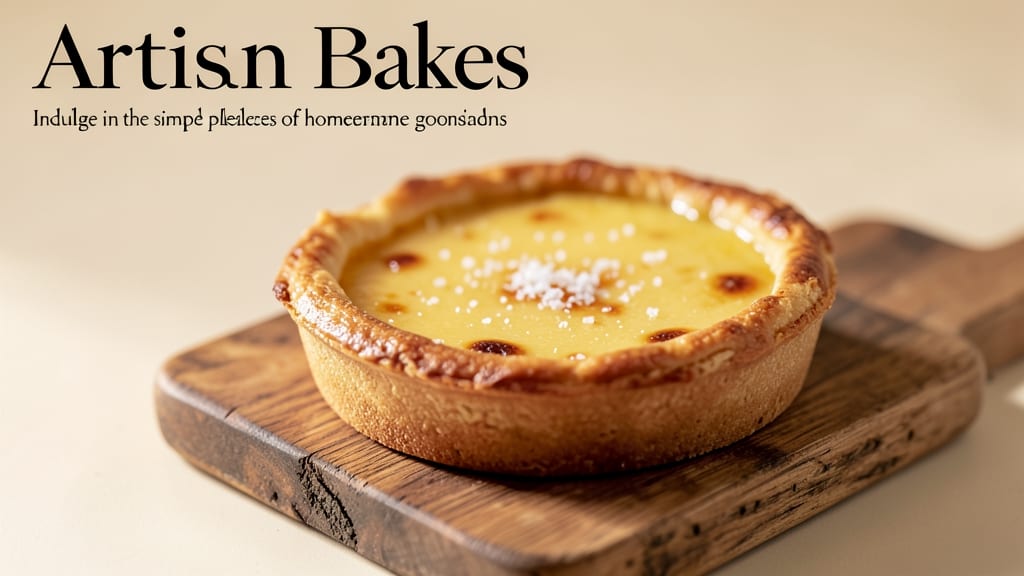
This sourdough egg tart recipe delivers the perfect balance of crispy, golden crust and silky custard that encases a runny yolk—every bite is pure comfort. The secret lies in a well-fermented sourdough starter and precise custard timing, transforming a simple egg tart into a showstopper.
I’ve perfected this recipe over years, ensuring the crust stays flaky while the filling remains luscious and smooth.
The dough requires patience—fermenting overnight develops depth of flavor and a tender crumb, while the custard needs gentle heat to prevent curdling. Once baked, the crust will be flaky and buttery, with a custard so rich it practically melts in your mouth.
The runny yolk in the center is the star, creating a luxurious contrast to the crisp edges.
This recipe is ideal for breakfast, brunch, or even dessert—pair it with a cup of coffee or tea for the ultimate indulgence. The versatility of sourdough allows for modern twists, like adding matcha or salted caramel to the custard, while keeping the classic technique intact.
Ready to master the art of sourdough egg tarts? The process is straightforward, but the results are restaurant-quality. Let’s get started on creating a dish that’s as beautiful as it is delicious.
Ingredients for sourdough egg tart
Sourdough starter, butter, and eggs transform into golden, flaky crusts hugging silky custard.
| Ingredient | Amount | Notes |
|---|---|---|
| Active Sourdough Starter 🍞 | 1 cup | Fed and bubbly, 100% hydration |
| All-Purpose Flour 🌾 | 3 cups | Plus 2 tbsp for dusting |
| Unsalted Butter 🧈 | ¾ cup | Cold, cubed, 65% fat preferred |
| Granulated Sugar 🍚 | ¼ cup | For crust sweetness |
| Large Eggs 🥚 | 4 whole | Room temperature |
| Heavy Cream 🥛 | 1 cup | 36% fat minimum |
| Granulated Sugar 🍚 | ½ cup | For custard sweetness |
| Salt 🧂 | ½ tsp | Fine sea salt |
| Vanilla Extract 🌸 | 1 tsp | Pure vanilla preferred |
| Cornstarch 🌾 | 1 tbsp | For custard stability |
| Milk 🥛 | ½ cup | Whole milk preferred |
| Dark Brown Sugar 🍚 | 2 tbsp | For crust caramelization |
| Ice Water 💧 | ¼ cup | For dough handling |
The sourdough starter is non-negotiable—it must be active and bubbly with a tangy aroma. King Arthur or Bob's Red Mill flours work best for consistency, but any high-protein flour will do. For the butter, Plugrá or Land O'Lakes European-style (65% fat) creates the perfect flaky layers. If your starter isn't ready, King Arthur's sourdough starter kit is a reliable backup. The eggs should be room temperature—cold eggs can cause the custard to break. For the crust, chilling the dough for at least 2 hours is crucial for those signature flaky layers.
No sourdough starter? A 1:1:1 ratio of flour, water, and active dry yeast fermented for 48 hours mimics the tang, though it won't be identical. For the custard, half-and-half can replace heavy cream if needed, but the texture will be slightly lighter. If you're avoiding dairy, full-fat coconut cream works surprisingly well—just reduce the milk by 2 tbsp. The vanilla extract should be pure, not imitation; McCormick or Nielsen-Massey are reliable brands. For a modern twist, swap 1 tbsp of the granulated sugar with matcha powder or salted caramel bits—just adjust the liquid slightly to compensate.
The dough keeps for up to 3 days wrapped in plastic in the fridge, though it's best used within 24 hours for peak flakiness. The custard mixture can be prepped a day ahead and stored in the fridge, but bring it to room temperature before baking to prevent condensation. Baked tarts stay fresh for 2 days at room temperature, but the custard sets best when refrigerated for up to 4 days. For freezing, bake first, then store in an airtight container for up to 2 months—reheat in a 350°F oven for 10 minutes to restore that perfect runny yolk.
Why You'll Love This Recipe
- Here’s the magic: these stay fresh for days, but I never have leftovers. The crust holds up, the filling stays creamy, and honestly? They’re just that good. Plus, you’re using pantry staples—no fancy shopping trips needed.
- No-Fuss Dough: I swear by this dough—just mix, roll, fold, and bake. The sourdough starter does all the heavy lifting, so you’re not stuck kneading for hours or waiting for yeast to bloom. Honestly, it’s the kind of recipe where I can have a conversation with my hands tied.
- Golden Crust, Silky Fill: That buttery crust? Chef’s kiss. The sugar caramelizes just enough to give it a subtle sweetness, while the eggs inside stay rich and custardy. It’s not fancy, but it’s the kind of thing that makes you pause mid-bite—like a hug from your favorite bakery.
- Breakfast or Snack: I make these for lazy mornings, potlucks, or even as a dessert when I’m feeling wild. The eggs give it a hearty vibe, but the sweetness keeps it playful. Between us, they disappear faster than I can say “second helping.”
Step-by-step instructions for sourdough egg tarts
Master the perfect balance of crisp crust and velvety custard with these precise baking techniques.
Prepare the Sourdough Dough for Maximum Flakiness
In a large mixing bowl, combine the 1 cup Active Sourdough Starter, 3 cups All-Purpose Flour, 0.5 tsp Salt, and 0.25 cup Granulated Sugar. Mix until a shaggy dough forms. Cut in the 0.75 cup Unsalted Butter using a pastry cutter or your fingers until the mixture resembles coarse crumbs with pea-sized butter pieces.
Gradually add the 0.25 cup Ice Water, one tablespoon at a time, mixing gently until the dough just comes together. Avoid overworking—just until it holds when pressed. Flatten into a disk, wrap in plastic, and refrigerate for at least 2 hours (or up to 24 hours). This cold rest develops gluten structure while keeping butter firm for flaky layers.
Roll and Cut the Crust for Even Baking
On a lightly floured surface, roll the chilled dough to 1/8-inch thickness. Cut 8 identical 3-inch rounds using a round cutter or glass, rerolling scraps for additional tarts. Press each round into greased mini tart pans (or 3-inch fluted pans), gently pressing edges to create a slight rim. Prick the bottoms with a fork.
For extra caramelization, sprinkle each crust with 2 tbsp Dark Brown Sugar divided evenly. Bake at 375°F for 12-15 minutes until edges are golden brown and just beginning to set. Remove from oven and let cool slightly—this prevents soggy bottoms when adding the custard.
Make the Silky Egg Custard
In a medium saucepan, whisk together the 4 whole Large Eggs, 0.5 cup Granulated Sugar, 1 cup Heavy Cream, 0.5 cup Milk, 1 tsp Vanilla Extract, and 1 tbsp Cornstarch. Cook over medium-low heat, stirring constantly with a silicone spatula, until the mixture thickens to 170°F on an instant-read thermometer (about 5-7 minutes).
Remove from heat and let cool to room temperature—this prevents scrambling when poured into hot crusts. The custard should coat the back of a spoon but still be pourable. Here's the thing—if it thickens too much, whisk in 1-2 tablespoons of milk to restore smooth consistency.
Assemble and Bake to Perfection
Fill each cooled crust with 2-3 tablespoons of custard, dividing evenly. Bake at 350°F for 20-25 minutes until the custard is set but still slightly jiggly in the center. A toothpick inserted should come out clean with no wet custard clinging.
For that signature caramelized top, broil for 1-2 minutes until edges are deep golden brown. Watch closely—broiling can happen quickly! Let cool for 10 minutes before serving to allow the custard to fully set while maintaining its silky texture.
Pro Tips For Making Sourdough Egg Tart
- Preheat Pan Properly: I learned this the hard way—skipping a hot pan makes the crust spread like a lazy pancake. Get your tart pan screaming hot (425°F/220°C) for 10 minutes before adding the dough, and don’t even think about greasing it first. The butter will melt into that perfect golden crust on contact.
- Use Cold Butter: Your future self will thank you if you chill that butter before rolling it into the dough. Cut unsalted butter into cubes, toss them in flour, and press into the tart pan while still firm—this prevents soggy bottoms and ensures flaky layers. (Yes, even if you’re impatient like me.)
- Don’t Overwork the Dough: This isn’t the prettiest method, but it’s the tastiest: handle the sourdough dough just enough to combine. Overmixing develops gluten, and that turns your tart into a chewy bread instead of a tender, crisp crust. Fold the starter into the flour until just combined—about 20 seconds max.
- Bake Eggs Low and Slow: After burning three batches, I finally figured out the right way: bake the egg custard at 325°F (160°C) for 12–15 minutes, not until the edges set but until the center is just set with a slight wobble. Overbaking turns the eggs rubbery, and nobody wants that—trust the process.
Common mistakes when making your sourdough egg tart
Over-Fermented Dough
One of the biggest mistakes is letting your sourdough dough ferment too long. When the dough becomes overly bubbly or smells sharp, it loses its structure and can turn out dense instead of flaky. I’ve learned that 12-24 hours in the fridge is ideal—any longer risks overproofing.
Look for just a few small bubbles and a slightly risen dough that springs back slowly when pressed. If you’re unsure, press a finger into the dough: it should leave a slight indentation but not collapse completely. 💡
Skipping the Chill
Rushing the dough by skipping the 2-hour chill is a recipe for disaster. The cold rest time is what creates those beautiful flaky layers by keeping the butter firm. Without it, the butter melts too quickly during baking, resulting in a tough, dense crust.
I’ve made this mistake more than once—always trust the process and let the dough rest. If you’re short on time, chill it for at least 1 hour and proceed carefully.
Uneven Custard Thickness
Overcooking the custard until it’s too thick or letting it curdle is another common pitfall. The custard should reach 170°F and coat the back of a spoon but still be pourable. If it thickens too much, whisk in 1-2 tablespoons of milk to restore smoothness.
I’ve also seen custard separate when poured into hot crusts—always let it cool to room temperature before assembling to avoid this. A quick test: dip a spoon in the custard and let it drip back into the pan—it should flow smoothly. 🥚
Underbaking the Crust
If you pull the crusts out of the oven too soon, they’ll be pale and undercooked, leading to a soggy bottom. Bake the crusts at 375°F for 12-15 minutes until the edges are golden brown and just set.
They should hold their shape but still be slightly soft to the touch. A common mistake is overcrowding the oven, which causes uneven baking. Space the crusts at least 1 inch apart on the baking sheet for even heat distribution.
Broiling Too Long
Broiling the tarts for too long can burn the custard before it caramelizes properly. Keep a close eye on them—just 1-2 minutes is all it takes to get that deep golden color. I’ve ruined more than a few batches by walking away for "just a minute."
Set a timer and watch closely, especially if your oven runs hot. The goal is a rich caramelization, not a burnt top. If you’re unsure, start with 1 minute and check frequently.
Filling Too Much Custard
Overfilling the crusts with custard can cause them to overflow or the custard to spill out during baking. Use 2-3 tablespoons per tart, leaving a little room at the top for the custard to puff slightly. I’ve seen custard ooze out of the sides, creating a messy presentation.
If you’re worried about underfilling, bake the tarts for an extra 1-2 minutes to ensure the custard sets fully. The result should be a perfectly balanced tart with a smooth, jiggly center. ✨
Nutrition facts
Frequently asked questions
Can I make this recipe without a sourdough starter?
Yes! For a quick substitute, mix 1 cup flour, 1 cup water, and 1 tsp active dry yeast, then let it ferment for 48 hours at room temperature. The flavor won't be identical, but it'll mimic the tang. For best results, use King Arthur's sourdough starter kit to build your starter over time.
How do I get the custard perfectly runny in the center?
Bake the assembled tarts at 350°F for 20-25 minutes until just set—a toothpick should come out clean but slightly wet. For extra runniness, broil for 30 seconds at the end. The custard needs to be room temperature when poured into crusts to prevent scrambling.
Can I make these ahead of time?
Bake the crusts first, then store them in an airtight container for 2 days. Assemble with custard and refrigerate for up to 4 days. Reheat individual tarts at 350°F for 10 minutes before serving. For freezing, bake fully assembled tarts, then freeze for up to 2 months—reheat in the oven to restore that perfect custard texture.
What's the best way to flavor the custard?
Classic vanilla works perfectly, but try these variations: Swap 1 tbsp sugar for 1 tsp matcha powder> for earthy flavor, or add 1 tbsp salted caramel bits for sweet-savory contrast. For a tropical twist, add 1/2 tsp coconut extract. Always adjust liquid slightly if adding dry ingredients to maintain smooth consistency.
Why did my crust turn out tough instead of flaky?
This usually happens when butter melts too quickly during baking. Always chill the dough for at least 2 hours before rolling, and avoid overworking it. Use cold butter cubes (65% fat preferred) and keep the dough cold throughout the process. If your kitchen is warm, refrigerate the dough for 30 minutes before rolling.