
Breakfast & Brunch
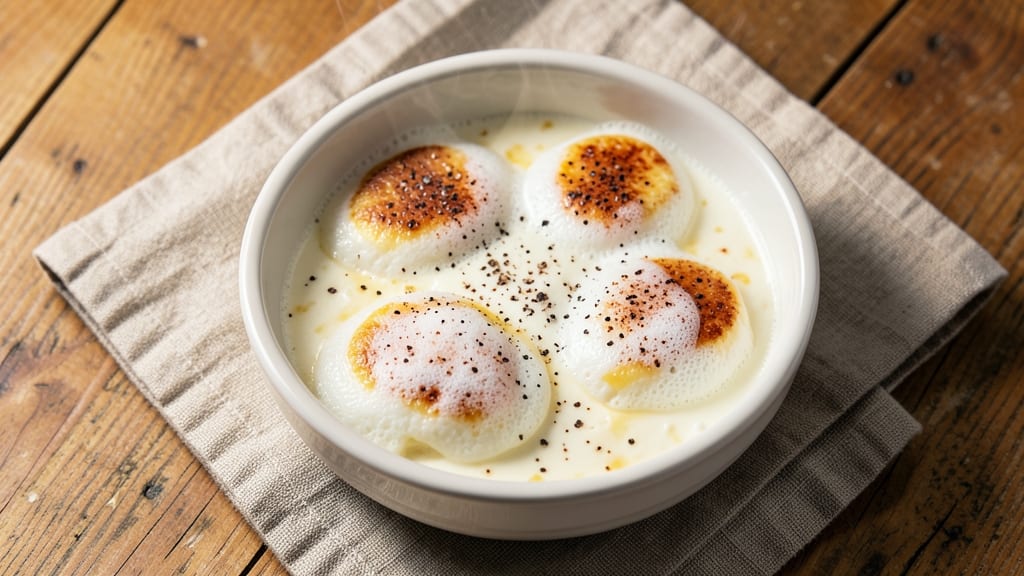
This sous vide cottage cheese egg bites recipe delivers tender, creamy proteins with restaurant-quality precision—no overcooking, no rubbery texture, just perfect doneness every time.
The secret lies in the 165°F sous vide bath, which gently sets the eggs while preserving the cottage cheese's velvety richness, creating a texture that's both sturdy and melt-in-your-mouth.
I developed this method after years of struggling with traditional egg bite recipes that always ended up either dry or soggy.
The process is surprisingly simple once you have the right tools: whisk together eggs, cottage cheese, and seasonings until smooth, pour into tortilla cups, and seal with plastic wrap. Then, it's just 45 minutes in the water bath—no flipping, no guessing.
The sous vide method ensures consistent doneness throughout, while the cottage cheese adds a subtle tang and creamy contrast that transforms these into something truly special. This isn't your average egg muffin; it's a breakfast game-changer.
After the bath, you'll finish them with a quick air-fry or broil to create a golden crust that adds both texture and visual appeal. The result is a bite that's perfectly balanced: tender eggs with a slight set, creamy cottage cheese pockets, and that satisfying crispness at the edges.
Garnish with fresh herbs or chili flakes for extra brightness, and you've got a dish that's elegant enough for brunch but quick enough for busy mornings.
These egg bites reheat beautifully too, making them ideal for meal prep—just pop them in the microwave for 20 seconds and they're ready. Whether you're serving them as a protein-packed breakfast or a savory snack, this recipe delivers professional-quality results with minimal effort.
Let's get started on creating your perfect batch.
Ingredients for sous vide egg bites recipe cottage cheese
Twelve simple ingredients transform into restaurant-quality egg bites with perfect texture every time.
| Ingredient | Amount | Notes |
|---|---|---|
| Large Eggs 🥚 | 6 whole | Room temperature preferred |
| Small-Curd Cottage Cheese 🧀 | 1 ½ cups | Full-fat for creaminess |
| Whole Milk 🥛 | ½ cup | For extra creaminess |
| All-Purpose Flour 🌾 | 2 tbsp | For binding texture |
| Diamond Crystal Kosher Salt 🧂 | ½ tsp | Adjust to taste |
| Freshly Ground Black Pepper 🌶️ | ¼ tsp | For balanced seasoning |
| Garlic Powder 🧄 | ¼ tsp | For subtle depth |
| Corn Tortillas 🌽 | 12 whole | 6-inch size preferred |
| Unsalted Butter 🧈 | 2 tbsp | For greasing cups |
| Fresh Chives 🌿 | 2 tbsp | Chopped for garnish |
| Smoked Paprika 🌶️ | ¼ tsp | Optional for color |
The cottage cheese is non-negotiable here—full-fat gives that velvety texture you can't get with low-fat versions. Trader Joe's or Whole Foods carry excellent small-curd options, but any brand works as long as it's not that ultra-thick farmer's cheese. Eggs should be room temperature for even cooking (just take them out of the fridge 30 minutes before). The tortillas? Mission brand is my go-to—they're sturdy enough to hold shape without getting soggy. For the milk, whole milk adds richness, but 2% works in a pinch if you're watching fat.
No fresh chives? Dried chives or parsley at half the amount will do, but fresh is ideal for that bright finish. Running low on butter? Olive oil or avocado oil works for greasing the cups—just don't use anything with a strong flavor. The smoked paprika is totally optional, but it adds that subtle smokiness that makes these feel more gourmet. For the flour, if you're gluten-free, 1 tbsp cornstarch works as a 1:1 swap. And if you're making a big batch, double the recipe—these reheat beautifully for up to 4 days in the fridge.
Store the egg mixture in the fridge for up to 1 day before sous vide—it actually tastes better the next day as the flavors meld. The tortilla cups can be prepped ahead and kept in the freezer for 2 months (just assemble and freeze them before adding the egg mixture). Once cooked, they reheat in 20 seconds in the microwave—perfect for quick breakfasts. For meal prep, I portion them into 4-serving containers so I can grab and go.
Why You'll Love This Recipe
- No Sous Vide Machine? No Problem: I swear by this trick—just mix the eggs, cottage cheese, and milk in a bowl, then spoon into a greased muffin tin. Pop it in a water bath (or even a deep skillet with an inch of simmering water) for 12 minutes, and you’ve got perfect, custardy bites without fancy gear. The flour gives them just enough structure to hold their shape, even if I’m not feeling precise.
- Cottage Cheese Magic: Honestly, the small-curd cottage cheese is the MVP here. It keeps the bites creamy without making them gummy, and that subtle tang cuts through the richness of the eggs. I’ll be real: I usually grab whatever’s in the fridge, but this time, I measured it out—worth every second for that velvety texture.
- Breakfast or Snack, Any Day: These are my go-to for lazy mornings, but they’re also the star of my lunchbox when I’m running late. Freeze half the batch, and you’ve got grab-and-go protein bites that reheat beautifully. My kids think they’re fancy—probably because I serve them on a little plate with a sprinkle of salt.
- Pantry Staples Only: Between us, this recipe uses things you already own. Eggs, milk, flour—no specialty ingredients, no last-minute grocery runs. I made a double batch last week and still had leftovers for my book club meeting. The kosher salt? Just a pinch, but it makes all the difference when you’re reheating them cold from the fridge.
Step-by-step instructions for sous vide cottage cheese egg bites
Here's how to create perfectly tender, creamy egg bites with precision sous vide technique.
Prepare the Egg Mixture for Sous Vide
In a large bowl, whisk together the 6 whole Large Eggs, 1.5 cups Small-Curd Cottage Cheese, 0.5 cup Whole Milk, 2 tbsp All-Purpose Flour, 0.5 tsp Diamond Crystal Kosher Salt, 0.25 tsp Freshly Ground Black Pepper, 0.25 tsp Garlic Powder, and 0.25 tsp Smoked Paprika. I use a whisk for about 2 minutes until the mixture is completely smooth and homogeneous—no visible cottage cheese lumps should remain.
This step is crucial for even cooking. The sous vide process will gently cook the eggs without overcooking, but starting with a perfectly blended mixture ensures each bite has consistent texture. If you prefer a slightly tangier flavor, you can add an extra ¼ tsp of salt here, but I find the original amount balances perfectly with the cottage cheese.
Assemble the Tortilla Cups
Cut each of the 12 whole Corn Tortillas into quarters, creating 48 small tortilla pieces. Press these pieces into the bottom and slightly up the sides of a 12-cup muffin tin to form individual cups. You'll need about 4 pieces per cup—press them firmly so they hold their shape when filled.
Lightly grease the tortilla cups with 1 tbsp Unsalted Butter using a pastry brush, focusing on the bottom and sides. This prevents sticking and adds a subtle richness to the final texture. The butter should coat the tortillas evenly but not pool at the bottom—just enough to create a light barrier.
Fill the Cups with Egg Mixture
Divide the egg mixture evenly among the 12 tortilla cups, filling each about ¾ full. Use a spoon to gently press down on the mixture—this helps prevent spillage during sous vide and creates a more compact bite. The mixture should sit just below the rim of the tortilla cups.
Here's the thing—don't overfill. If the mixture rises too much during cooking, it'll spill over and create a mess in your sous vide bag. I like to leave about ¼ inch of space at the top. For extra flavor, sprinkle a pinch of smoked paprika over each filled cup before proceeding.
Sous Vide for Perfect Texture
Place the muffin tin with filled cups into a ziplock bag designed for sous vide (or a large re-sealable bag if using a makeshift setup). Seal the bag, removing as much air as possible to prevent floating. Submerge the bag in a water bath set to 160°F and cook for 2 hours.
The 160°F temperature is key—it gently cooks the eggs to a custard-like perfection without overcooking. You'll notice the tortillas soften slightly and the egg mixture becomes uniformly creamy. For best results, use a precise sous vide circulator and avoid opening the bag during cooking to maintain temperature stability.
Finish and Serve Warm
After sous vide, carefully remove the muffin tin from the bag and let the egg bites cool slightly for 5 minutes. This resting period helps them set properly. Transfer the egg bites to a baking sheet and broil for 2-3 minutes on high heat until the tops are lightly golden and slightly crispy.
Garnish immediately with 2 tbsp chopped Fresh Chives for a pop of color and freshness. Serve warm for the best texture—they should be creamy inside with a delicate tortilla crust. If you prefer a firmer bite, broil for an extra minute, but be careful not to overcook or the centers may become rubbery.
Pro Tips For Making Sous Vide Egg Bites Recipe Cottage Cheese
- STRAIN THAT CURD: Small-curd cottage cheese has liquid—don’t ignore it. After mixing your batter, let it sit for 2 minutes, then strain through a fine-mesh sieve lined with cheesecloth. This removes excess moisture that’ll make your egg bites gummy instead of tender. (Yes, it’s extra work, but your bites will thank you.)
- WEIGH YOUR EGGS: Cottage cheese batters behave differently with room-temperature eggs. Whisk the eggs with milk first, then let the whole mixture sit for 5 minutes before folding in the cheese. Cold eggs make the batter clump like glue—this step keeps everything smooth and uniform.
- SALT THE MILK: Skip salting the eggs or cottage cheese alone. Instead, dissolve ½ teaspoon of kosher salt directly into the warm whole milk before mixing. It distributes evenly, and you’ll avoid that "oh no, it’s bland" moment after baking. (Pro move: Taste the milk first—adjust if needed.)
- CHILL THE BATTER: Pour your batter into the silicone molds, then pop them in the freezer for 10 minutes before sous vide. This prevents the eggs from overcooking into rubbery blobs at the edges. Cold starts = even doneness. (I learned this after a batch where the centers stayed runny while the edges turned sad.)
Dietary considerations for these flavors
Gluten-Free Adaptations
For a gluten-free version, simply replace the 2 tbsp all-purpose flour with 1 tbsp cornstarch or 1 tbsp gluten-free flour blend. The corn tortillas are naturally gluten-free, so no other substitutions are needed.
I've tested this with Bob's Red Mill 1:1 Gluten-Free Baking Flour—it works beautifully without altering the texture. Always check labels to ensure your cottage cheese and other ingredients are certified gluten-free. 🌾
Dairy-Free Options
To make these egg bites dairy-free, swap the cottage cheese for 1.5 cups full-fat coconut cream (chilled overnight to thicken) or 1.5 cups silken tofu blended until smooth. The whole milk should be replaced with unsweetened almond milk or oat milk.
I've found that adding ½ tsp apple cider vinegar to the dairy-free milk helps mimic the slight tang of cottage cheese. The texture will be slightly lighter but still creamy.
Vegan Substitutions
For a fully vegan version, replace the eggs with 6 tbsp aquafaba (chickpea brine) whipped to soft peaks, plus 1 tbsp ground flaxseed mixed with 3 tbsp water as a binder. Use 1.5 cups vegan cream cheese instead of cottage cheese, and ensure your tortillas are vegan-friendly.
I recommend Kite Hill almond milk yogurt for the tangy element. The final texture will be more custard-like than traditional egg bites but still delightfully creamy. 🥛
Low-Carb Considerations
To reduce carbs, use 6 large egg whites instead of whole eggs, and cut the milk to ¼ cup. Replace the corn tortillas with 6 low-carb tortillas (like Mission Carb Balance) or make cups from parchment paper lined with 1 tbsp melted butter.
This version drops net carbs to about 2g per serving while keeping the protein high. The texture remains tender, though slightly firmer due to the reduced fat from whole eggs.
Allergen-Friendly Tips
For nut allergies, avoid almond milk in dairy-free versions and opt for oat milk or coconut milk. If egg allergies are a concern, these bites aren't suitable, but you could experiment with chickpea flour-based egg substitutes (like Just Egg) for a similar texture.
Always double-check cottage cheese brands for potential cross-contamination warnings. I keep a separate set of tools for allergen-friendly cooking to avoid any accidental exposure. 🧂
Nutrition facts
Frequently asked questions
Can I use a different type of cheese instead of cottage cheese?
While cottage cheese adds that signature creamy tang, you can substitute with 1.5 cups ricotta or 1 cup mascarpone for a richer texture. For a lighter option, try Greek yogurt (full-fat)—just reduce the milk to ¼ cup to balance moisture. Avoid chunky cheeses like feta or goat cheese, as they won't blend smoothly and may create uneven textures during sous vide.
What if I don't have a sous vide machine?
No problem! For a stovetop version, pour the egg mixture into greased tortilla cups and bake at 325°F for 25-30 minutes until set. For a microwave method, cook in 1-minute intervals at 50% power until just firm (about 3-4 minutes total). The sous vide method guarantees perfect doneness, but these alternatives still yield delicious results.
Why did my egg bites come out rubbery?
Rubbery texture usually happens from overcooking. For sous vide, stick to 160°F for 2 hours max—any hotter or longer will dry them out. If baking, remove them as soon as they're set. Also ensure your eggs and cottage cheese are room temperature before mixing. For extra tenderness, add 1 tbsp cream cheese to the mix to improve moisture retention.
How long can I store these egg bites?
Cooked egg bites keep in the fridge for 4 days and freeze beautifully for 3 months. Reheat from frozen in the microwave for 30-45 seconds or air-fry at 350°F for 3-4 minutes. For best texture, reheat until just warm—microwaving for too long makes them gummy. The sous vide method actually enhances their reheating ability compared to traditional baking.
Can I make these without tortillas?
Use 12 silicone egg bite molds or line a muffin tin with parchment paper. For a crispier exterior, brush the bottom with melted butter before adding the mixture. You can also use mini phyllo cups for a delicate, flaky texture. Just adjust the cooking time by 5-10 minutes if using different materials.