
Breakfast & Brunch
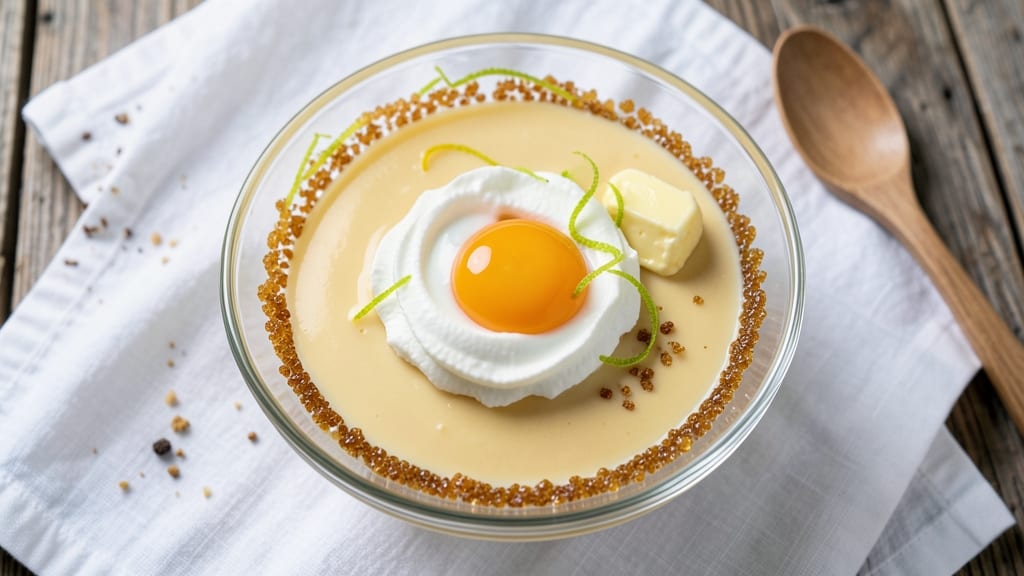
Sous vide egg yolks transform ordinary dishes into restaurant-quality masterpieces with their velvety texture and perfect consistency—no overcooking, no guesswork, just precision. This technique unlocks the full potential of egg yolks, whether you're making silky hollandaise, rich custards, or elegant garnishes. The secret lies in controlling temperature and time to achieve yolks that are always creamy, never scrambled.
What sets this method apart is the ability to cook yolks to exact doneness—140°F for custards or 145°F for sauces—while maintaining their natural richness. The vacuum-sealed process ensures even cooking, eliminating the risk of overcooking or curdling.
Once cooked, these yolks can be whipped into luscious sauces, folded into desserts, or plated as a luxurious garnish that elevates any dish.
This isn’t just about technique—it’s about transforming how you think about egg yolks. No more ruined sauces or grainy textures; just smooth, buttery perfection every time. The results are so impressive, you’ll wonder how you ever cooked yolks any other way. Ready to master the art of sous vide yolks?
Whether you're a home cook looking to impress or a professional refining your skills, this method delivers consistent, foolproof results. The key is patience—letting the yolks cook gently in their own heat until they reach the ideal texture. Once you try it, you’ll never go back to traditional methods.
Ingredients for sous vide egg yolk
Eight ingredients transform ordinary yolks into velvety perfection using sous vide precision.
| Ingredient | Amount | Notes |
|---|---|---|
| Large Egg Yolks 🍳 | 8 whole | Separated from whites, room temperature |
| Granulated Sugar 🍚 | ¼ cup | Fine grain preferred for smooth texture |
| Heavy Cream 🥛 | ½ cup | Full-fat for maximum richness |
| Unsalted Butter 🧈 | 2 tbsp | Cold, cubed for even melting |
| Lemon Juice 🍋 | 1 tbsp | Freshly squeezed, for brightness |
| Kosher Salt 🧂 | ½ tsp | Diamond Crystal preferred |
| White Wine Vinegar 🍶 | 1 tsp | For acid balance in sauces |
| Sous Vide Bag 📦 | 1 piece | 1 gallon capacity minimum |
| Ice ❄️ | 4 cups | Crushed for rapid cooling |
| Water 💧 | 2 cups | Chilled for ice bath |
The yolks are the star—room temperature makes all the difference for even cooking. Fresh, high-quality eggs from the grocery store's refrigerated section (not the shell egg display) give the best results. For the cream and butter, full-fat versions are non-negotiable—this isn't where to skimp. I always grab Land O'Lakes heavy cream and Plugrá butter when I'm prepping these, but any reputable brand works. The sugar should be fine grain—it dissolves better for that silky texture. Pre-measure everything before starting; this isn't a recipe where you can eyeball it.
No heavy cream? Full-fat coconut milk works in a pinch, though the flavor will differ slightly. Substituting butter with vegan butter is fine, but the texture won't be identical. The vinegar can be swapped for white wine at double the amount if that's what you've got. For the ice bath, crushed ice is ideal, but regular ice cubes work if you're in a hurry—just let them sit longer. The sugar amount can be adjusted ± 1 tbsp based on your sweetness preference, but don't go below 0.125 cup or above 0.375 cup, or the texture suffers. And for the love of all things creamy, don't skip the lemon juice—it's what keeps the yolks from tasting flat.
Prepped yolks keep in the fridge for 3 days if sealed airtight, but honestly, they're best used immediately. For storage, I use glass jars with tight lids—plastic can absorb odors. If you're making these ahead for a party, freeze them in 1 tbsp portions (that's about 2 yolks per serving) on a tray first, then transfer to a bag. Thaw overnight in the fridge before using. The sous vide bags? Reusable ones from Amazon are worth the investment—just rinse and dry between uses. And here's a pro tip: label everything. You'll thank me later when you're pulling these out of the freezer months from now.
Why You'll Love This Recipe
- Velvet Cream Dream: That silky, custardy texture? It’s next-level. The heavy cream and butter marry with the yolks to create something dangerously smooth, while the sugar and lemon juice add just enough brightness to keep it from feeling heavy. Honestly, I’ve never had a dessert this rich feel so light.
- Breakfast or Dessert Hero: I use these yolks in my morning eggs Benedict—just drizzle over buttery toast with a poached egg on top—and they’re also my secret weapon for fancy desserts. Fold them into whipped cream for a lemony twist, or swirl them into chocolate mousse. It’s the same base, endless possibilities.
- Leftovers That Don’t Suck: Most recipes ruin leftovers, but not this one. The yolks keep their perfect texture for days in the fridge, and I’ve reheated them gently in a warm water bath (yes, sous vide again) with no issues. Between us, I’ve made a double batch just to have backup for when I’m too tired to cook.
Step-by-step instructions for sous vide egg yolks
Precision cooking transforms simple yolks into velvety, restaurant-quality custards—here's how.
Whisk the Yolk Mixture to Perfect Emulsion
In a heatproof bowl, whisk together the 8 whole large egg yolks, 0.25 cup granulated sugar, 0.5 cup heavy cream, 2 tablespoons unsalted butter, 1 tablespoon lemon juice, 0.5 teaspoon kosher salt, and 1 teaspoon white wine vinegar until completely smooth and homogeneous. The mixture should be pale yellow and glossy, with no visible streaks of butter or sugar. This step ensures an even texture and prevents any graininess in the final custard.
Here's the thing—whisking vigorously for 2-3 minutes incorporates air and emulsifies the fats, creating a stable base that won't curdle during cooking. I like to use a hand mixer for this part because it's faster and more consistent than whisking by hand. The vinegar and lemon juice work together to balance the richness of the yolks and cream while adding brightness.
Seal the Mixture in the Sous Vide Bag
Place the sous vide bag in a large bowl and carefully pour the yolk mixture into the bag, leaving about 2 inches of empty space at the top. Gently press out any air pockets by submerging the bag in the bowl of water and using your hands to smooth the mixture into an even layer. Seal the bag tightly, ensuring no liquid can escape.
This step is crucial for even cooking. The bag should be completely sealed to prevent water from entering during the cooking process, which could dilute your custard. I recommend using a vacuum sealer if you have one, but if not, the water displacement method works just as well. The empty space at the top allows the mixture to expand slightly without bursting the bag.
Cook at Precise Temperature for Silky Texture
Set your sous vide machine to 140°F and place the sealed bag in the water bath. Cook for 4-6 hours, depending on your desired consistency. At 140°F, the yolks will transform into a luxurious, custard-like texture without curdling. For a firmer set, aim for the 5-hour mark, while 4 hours yields a softer, almost pudding-like consistency.
I know it seems like a long time, but patience is key here. The low temperature ensures the yolks cook gently and evenly, preventing any separation. You'll notice the mixture will become slightly thicker as it cooks, but it should remain smooth and glossy. If you're short on time, you can increase the temperature to 145°F and reduce cooking time to 3 hours, but the texture will be slightly firmer.
Rapid Chill for Perfect Texture
Once cooking is complete, immediately transfer the bag to an ice bath filled with 4 cups ice and 2 cups water. Let it chill for 15-20 minutes until the custard reaches 40°F or below. This rapid cooling step is essential—it stops the cooking process instantly and sets the texture perfectly, preventing any further thickening or graininess.
Here's where it gets fun—once chilled, the custard should be thick but still spoonable, with a glossy sheen. If it's too firm, you can gently reheat it in a water bath at 160°F for 5-10 minutes to soften it slightly. The ice bath also helps preserve the bright, fresh flavors of the lemon and vinegar, making every bite taste vibrant and balanced.
Serve Immediately or Store Properly
Remove the custard from the bag and serve immediately for the best texture and flavor. If you need to store it, transfer to an airtight container and refrigerate for up to 3 days. When ready to serve, gently reheat in a water bath at 160°F until warmed through—never microwave, as it can cause the custard to separate.
This custard is incredibly versatile. Serve it as a dessert with fresh berries, drizzle it over pancakes, or use it as a filling for pastries. The precise cooking method ensures every bite is rich, smooth, and perfectly balanced—no graininess, no curdling, just pure, velvety perfection. Enjoy it warm for the ultimate experience, or chill it for a refreshing, creamy treat.
Pro Tips For Making Sous Vide Egg Yolk
- Preheat Your Vacuum: Run the sous vide bath at 150°F (65°C) for at least 20 minutes before adding yolks—cold water takes forever to stabilize, and your yolks will sit in lukewarm misery. I learned this the hard way when my first batch turned out slightly undercooked because the machine was still playing catch-up.
- Whisk Yolks Like Mad: Beat the yolks with sugar until the mixture is thick, pale, and ribbons off the whisk—no streaks, no lumps. I used to skimp here, and the finished custard would either split or taste flat. This isn’t the time to go half-hearted.
- Seal Yolks Tight: Squeeze out all the air from the vacuum bag before sealing—even a tiny pocket will cause uneven cooking. I once had a yolk that came out partially cooked because air trapped near it acted like an insulator. A quick press with your palm on the bag fixes this.
- Temper the Cream: Warm the heavy cream to 110°F (43°C) before folding it into the cooked yolks—cold cream shocks the heat-sensitive custard and risks curdling. I was skeptical until I tried it; now I swear by it for silky-smooth results every time.
Serving suggestions for this sous vide egg yolk
Breakfast Showstoppers
Transform your morning with sous vide yolks as the star. Drizzle over fluffy pancakes or crêpes for a decadent touch—just spoon 1 tbsp per serving and top with maple syrup and whipped cream.
For a savory twist, fold into scrambled eggs (cook yolks at 145°F for firmer texture) or mix into biscuit dough for a custardy bite. 🥞
Dessert Elevations
Elevate desserts with these yolks' velvety richness. Swirl into chocolate mousse or panna cotta for depth, or pipe onto warm chocolate chip cookies for a gooey center.
My go-to? Affogato: Spoon chilled custard over vanilla bean ice cream, then pour a shot of espresso over the top. The contrast is pure magic.
Sauce Perfection
Whip these yolks into hollandaise or béarnaise—the sous vide method eliminates curdling risks. For a quick upgrade, blend with warm butter, lemon juice, and a pinch of cayenne (like classic hollandaise) and serve with poached eggs or asparagus.
Pro tip: Reheat gently in a double boiler at 160°F—never microwave!
Garnish Game-Changer
Use these yolks as a luxury garnish for everything from seared scallops to grilled steak. Spoon a quenched yolk onto plates just before serving—it melts dramatically when exposed to heat. For extra flair, top with edible gold leaf or microgreens. The visual impact is restaurant-worthy without the fuss.
Make-Ahead Magic
Prep yolks ahead for effortless entertaining. Store in glass jars in the fridge for 3 days or freeze in 1-tbsp portions for up to 1 month. Thaw overnight in the fridge, then reheat gently.
I always make a batch before holiday brunches—guests rave about the smooth texture and how it ties dishes together.
Nutrition facts
Frequently asked questions
Can I use sous vide egg yolks for hollandaise sauce?
These yolks are perfect for hollandaise. After cooking, whisk them with equal parts melted butter and lemon juice over a double boiler at 160°F until smooth. The sous vide method eliminates curdling risks entirely. For extra stability, add 1 tsp cornstarch to the yolk mixture before cooking.
What's the difference between 140°F and 145°F cooking?
140°F yields a softer, almost pudding-like custard ideal for desserts, while 145°F produces a firmer texture perfect for sauces or scrambled eggs. The higher temp cooks slightly faster (3 hours vs 4-6 hours) but requires more precise timing to avoid overcooking.
Can I make this without a sous vide machine?
Yes, but with limitations. Use a thermometer in a water bath on the stove set to 140°F (±2°F). Cook for 4-6 hours in a sealed container (like a mason jar with lid). The texture won't be as perfectly controlled, but it's a good backup method. For best results, invest in a sous vide precision cooker.
Why did my yolks separate after cooking?
Separation usually means the mixture wasn't emulsified enough before cooking or the bag wasn't sealed properly. Whisk vigorously for 2-3 minutes until completely smooth, and ensure no water enters during cooking. If it happens, whisk in 1 tbsp cold cream and 1 tsp lemon juice to re-emulsify.
How do I store leftovers for best texture?
Transfer to airtight glass containers and refrigerate for up to 3 days. For longer storage, freeze in 1-tbsp portions for 1 month. Thaw overnight in the fridge and reheat gently in a 160°F water bath. Never microwave—it causes separation. The ice bath after cooking preserves texture best!