
Breakfast & Brunch
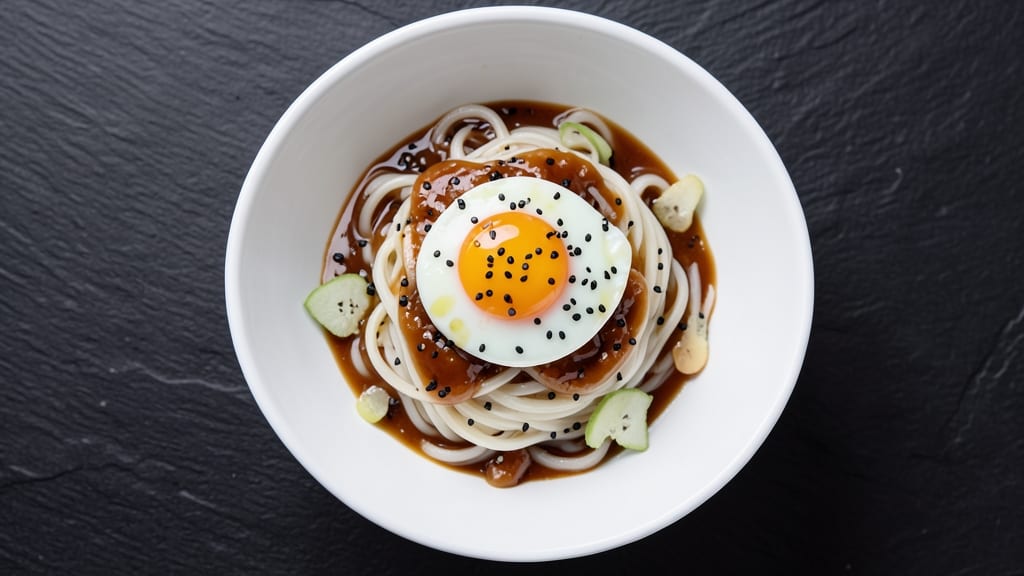
This sous vide ramen egg recipe transforms a simple egg into a luxurious centerpiece with a silky yolk and rich, umami-infused flavor—perfect for elevating your ramen bowl.
The precision of sous vide cooking ensures a perfectly cooked egg every time, while a fragrant marinade of soy, ginger, and mirin infuses the yolk with layers of depth.
What makes this technique special is its ability to control temperature with exactness, creating an egg that’s tender yet firm, with a yolk that stays silky even after hours in the broth.
The beauty of this method lies in its versatility—whether you're serving it in a steaming bowl of ramen, a crispy ramen noodle salad, or even as a standalone appetizer, the egg becomes the star.
The marinade not only enhances the flavor but also adds a subtle sweetness and aromatic complexity that pairs beautifully with both traditional and modern ramen styles. With just a few simple ingredients and a sous vide setup, you can achieve restaurant-quality results at home.
By the time you plate this egg, you’ll have a dish that’s both visually stunning and deeply satisfying—golden, fragrant, and packed with flavor.
The silky yolk contrasts perfectly with the bold, savory notes of ramen broth, while the optional toppings like scallions, chili oil, or sesame seeds add texture and freshness.
This recipe is designed to impress, whether you're cooking for a special occasion or simply craving a more refined take on a classic comfort food.
The sous vide technique ensures consistency, so you can focus on perfecting the presentation and enjoying the process. Ready to elevate your ramen game? Let’s get started with this foolproof method that delivers professional-quality results every time.
Ingredients for sous vide ramen egg
Four eggs and a marinade that turns simple ingredients into a restaurant-worthy ramen centerpiece.
| Ingredient | Amount | Notes |
|---|---|---|
| Large Eggs 🥚 | 4 whole | Room temperature for even cooking |
| Soy Sauce 🍶 | ¼ cup | High-quality, low-sodium preferred |
| Mirin 🍶 | ⅛ cup | Sweet rice wine for balance |
| Fresh Ginger 🧄 | 1 tbsp | Finely grated, aromatic |
| Sesame Oil 🫒 | 1 tbsp | Toasted for nutty depth |
| White Wine Vinegar 🍋 | 1 tsp | Brightens marinade flavor |
| Granulated Sugar 🍬 | 1 tbsp | Balances acidity in marinade |
| Ramen Broth 🍜 | 2 cups | Homemade or quality store-bought |
| Dried Shiitake Mushrooms 🍄 | 2 whole | Rehydrated for umami depth |
| Green Onions 🧅 | 2 whole | Sliced thin for garnish |
| Chili Oil 🌶️ | 1 tbsp | Optional, for heat finish |
| Toasted Sesame Seeds 🌱 | 1 tsp | For crunchy texture |
| Kosher Salt 🧂 | 1 tsp | Fine grain for seasoning |
| Black Pepper 🌶️ | ½ tsp | Freshly ground for heat |
The eggs are the star, so pick fresh, large eggs—they hold up better to sous vide. Room temperature eggs cook more evenly, so take them out of the fridge 30 minutes before cooking. For the marinade, Trader Joe's or specialty Asian markets have the best mirin and soy sauce options. Look for organic shiitake mushrooms if possible—they add incredible umami depth. Fresh ginger is a must; the dried stuff just won't cut it here. Toast your sesame seeds in a dry pan for 30 seconds—they'll taste so much better.
No mirin? Substitute 1 tbsp honey plus 1 tbsp water—it won't be identical, but it'll work. Running out of shiitake? Dried porcini mushrooms at half the amount give a similar earthy flavor. The ramen broth can be instant noodle broth in a pinch, but homemade or Kikkoman's ready-to-use makes a world of difference. For the chili oil, Lao Gan Ma brand is my go-to, but any good-quality one works. If you're feeling fancy, add a pinch of white pepper to the marinade for extra depth.
Marinate the eggs for at least 4 hours (overnight is best)—this lets the flavors really penetrate. Store the marinade in the fridge for up to 1 week, and the cooked eggs will keep in their broth for 3 days in the fridge. For presentation, I like to serve them in a shallow bowl with the broth reduced by half—just simmer it gently until it's thickened up. The eggs reheat beautifully, so make extras and freeze them in the broth for up to 1 month
Why You'll Love This Recipe
- Umami Bomb: That combo of soy sauce and mirin? It turns the egg into a flavor powerhouse—silky yolk with a savory, slightly sweet edge. The ginger adds a bright kick that cuts through the richness, and a drizzle of sesame oil? Pure satisfaction.
- Weeknight Hero: These eggs reheat like a dream—perfect for meal prep or throwing together when you’re starving after work. I keep a batch in the fridge for lazy mornings or quick lunches, and they taste just as good cold as they do warm.
- Budget Magic: Eggs are cheap, and you only need a handful of pantry staples. Between us, this recipe stretches my grocery budget without sacrificing taste. Plus, the leftovers keep for days, so you’re not wasting anything.
Step-by-step instructions for silky sous vide ramen eggs
Here's how to achieve restaurant-quality ramen eggs with perfect silky yolks every time.
Prepare the Egg Marinade
In a medium bowl, whisk together the 0.25 cup soy sauce, 0.125 cup mirin, 1 tbsp sesame oil, 1 tsp white wine vinegar, 1 tbsp granulated sugar, 1 tsp kosher salt, and 0.5 tsp black pepper. This marinade is what gives the eggs their signature depth of flavor and tender texture. Add the 1 tbsp finely grated fresh ginger and mix until fully combined.
Place the 4 whole large eggs in a sealable bag or container. Pour the marinade over the eggs, making sure they're fully coated. Let them marinate at room temperature for at least 30 minutes—this ensures even flavor penetration and prevents cracking during cooking. I like to gently swirl the bag every 10 minutes to keep the marinade distributed.
Sous Vide the Eggs to Perfection
Fill a large pot or sous vide container with water and heat it to 176°F—this is the ideal temperature for achieving that signature ramen egg texture. The water should be deep enough to fully submerge the eggs in their marinade. Gently lower the bagged eggs into the water using a slotted spoon or tongs to avoid puncturing the bag.
Cook the eggs for 1 hour and 15 minutes. You'll know they're perfectly done when the whites are completely set but still tender, and the yolks remain runny and silky. The marinade will infuse the eggs completely, giving them that signature savory-sweet flavor. Don't be tempted to overcook—they'll continue setting slightly as they cool.
Prepare the Ramen Broth Base
While the eggs cook, prepare the broth base by combining the 2 cups ramen broth with the 2 whole dried shiitake mushrooms in a small saucepan. Bring to a gentle simmer over medium heat and let cook for 10 minutes. This time allows the mushrooms to rehydrate and infuse their umami depth into the broth.
Strain the broth through a fine-mesh sieve to remove the mushrooms, then return it to the clean saucepan. Keep it warm over low heat—you'll use it to finish the eggs. The broth should be fragrant with a rich, savory aroma. If you want to add extra depth, you can lightly toast the 1 tsp toasted sesame seeds in a dry pan for 30 seconds and set them aside for garnish.
Finish and Serve the Eggs
Remove the eggs from the sous vide bath and carefully transfer them to a bowl of ice water for 5 minutes. This stops the cooking process and helps set the whites while keeping the yolks perfectly runny. Once chilled, peel the eggs under cool running water to remove the membranes—this makes them easier to handle when serving.
To serve, gently place each egg into a warm bowl of the prepared ramen broth. Drizzle with 1 tbsp chili oil for a subtle heat finish, and garnish with thinly sliced green onions and the toasted sesame seeds. The contrast of the silky yolk against the warm, fragrant broth is what makes these eggs so special—each bite delivers that perfect balance of rich, savory, and slightly sweet flavors.
Pro Tips For Making Sous Vide Ramen Egg
- USE 63°C FOR 45 MINUTES: The sweet spot for sous vide ramen eggs isn’t the 60°C you see online—it’s 63°C for exactly 45 minutes. At this temp, the yolks stay silky but set just enough to hold shape when sliced, while the whites stay cloudy and tender. I learned this after overcooking batches and ending up with rubbery yolks that broke apart.
- CHILL EGGS FIRST: Skip the room-temp step—pop your eggs straight from the fridge into the sous vide bag. The cold start prevents uneven cooking and gives you that perfect marbled yolk texture. I used to let them sit out, and the yolks always ended up too runny or grainy. Cold eggs = consistent results every time.
- STRAIN THE GINGER: Fresh ginger is non-negotiable, but grating it too fine turns your broth cloudy. Use a microplane and strain the pulp through a fine-mesh sieve before adding it to the egg mixture. The juice is what matters, not the fiber—this keeps your ramen egg broth silky smooth. (Yes, it’s extra work, but the difference is noticeable.)
- SALT THE EGGS AFTER: Add salt only after sous vide and before slicing—this prevents the whites from tightening up too much while cooking. Sprinkle a pinch of flaky salt (not iodized) over the sliced egg just before serving. I used to salt the eggs in the bag, and the texture always came out firmer than I wanted. Timing is everything here.
Creative variations of this recipe
Spicy Thai Fusion
Add 1 tbsp Thai fish sauce and 1 tsp sambal oelek to the marinade for a bold, spicy twist inspired by Thai cuisine. The heat from the sambal pairs beautifully with the silky yolk, while fish sauce adds a deep umami punch.
Serve with Thai basil leaves and a drizzle of sweet chili sauce for a fusion ramen bowl that’s both familiar and exciting. 🌶️
Miso Caramelized Version
Swap the sugar in the marinade for 1 tbsp white miso paste and add 1 tsp honey to create a caramelized glaze. After sous vide, broil the eggs for 2-3 minutes at 400°F to develop a golden crust.
The miso adds a rich, savory depth that contrasts perfectly with the creamy yolk. Garnish with crispy fried shallots for extra texture.
Breakfast Ramen Bowl
Transform this into a hearty breakfast by adding crispy bacon bits, avocado slices, and a soft-boiled egg on top. Use the sous vide ramen egg as the centerpiece, and top with a fried egg for that classic ramen breakfast vibe.
The contrast of textures—silky yolk, creamy avocado, and crispy bacon—makes this a satisfying morning dish. 🍳
Vegetarian Adaptation
For a vegetarian version, replace the soy sauce with 1 tbsp tamari and add 1 tsp nutritional yeast to the marinade for a cheesy, umami flavor. Use vegetarian-friendly ramen broth (like Hain Celery Root) and garnish with marinated tofu strips or pickled vegetables for a fresh, vibrant bowl.
The technique remains the same—just swap the ingredients for plant-based alternatives.
Chilled Summer Ramen
Serve these eggs cold in a refreshing summer ramen bowl. Chill the eggs in the broth for 1 hour before serving, then top with cucumber ribbons, mint leaves, and a drizzle of yuzu kosho for a bright, citrusy kick.
The cool yolk contrasts beautifully with the warm, spicy broth, making it perfect for hot days. 🌿
Smoked Paprika Infusion
Add ½ tsp smoked paprika and ¼ tsp liquid smoke to the marinade for a smoky depth that pairs well with hearty ramen flavors. After sous vide, broil the eggs for 1 minute at 450°F to enhance the smoky aroma.
Serve with crumbled bacon and caramelized onions** for a smoky, savory bowl that feels like a hug in every bite. 🔥
Nutrition facts
Frequently asked questions
Why does sous vide create such silky ramen egg yolks?
The 176°F precision temperature gently cooks the egg whites while keeping the yolk perfectly runny. This controlled environment prevents overcooking, maintaining that signature creamy texture you crave in ramen. The marinade also helps stabilize the proteins for an ultra-smooth result.
Can I use store-bought ramen noodles with this recipe?
For best results, use fresh or high-quality dried noodles (like Hakubaku or Sapporo Ichiban) that cook up tender. If using instant noodles, simmer them in the broth for 2-3 extra minutes to rehydrate fully. The key is balancing texture contrast between the silky egg and chewy noodles.
How long can I store the marinated eggs before cooking?
Marinated eggs stay fresh in the refrigerator for up to 24 hours before cooking. For longer storage, marinate overnight (best flavor development) and cook within 48 hours. The marinade actually improves with time, infusing deeper flavor. Just keep them in an airtight container.
What's the best way to reheat leftover sous vide ramen eggs?
Gently reheat in the broth over low heat for 3-5 minutes—never microwave directly. The broth helps maintain moisture and prevents the yolk from becoming grainy. For extra richness, add a splash of sesame oil when reheating.
Can I make these without a sous vide machine?
Yes! Use the water bath method: Place marinated eggs in a sealed bag in a pot of water at 165°F for 1 hour. Monitor closely—water baths lose temperature faster. For perfect results, consider investing in an immersion circulator (like Anova) for $100-$150.