
Salads
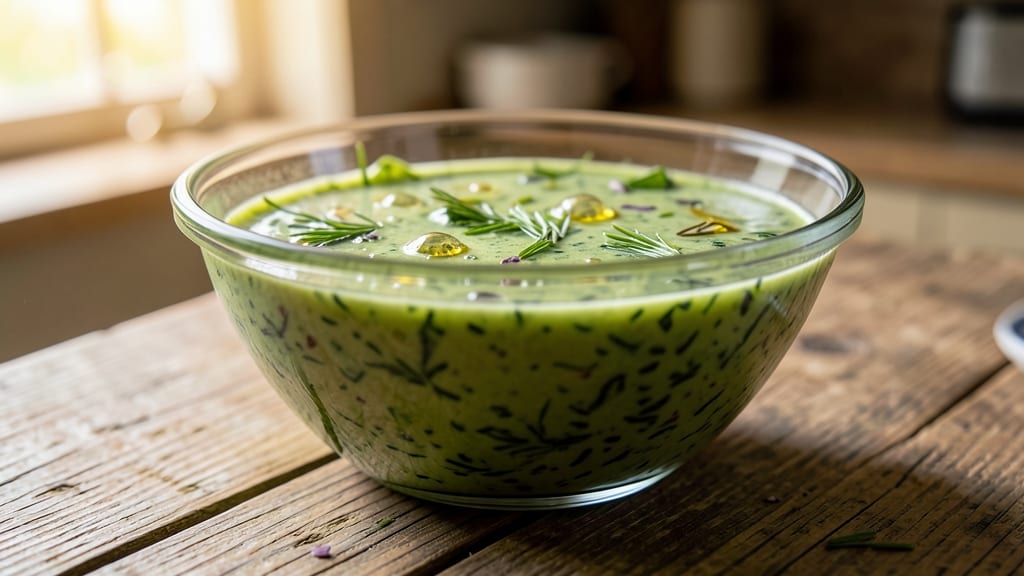
This spinach egg salad dressing transforms your salads from ordinary to extraordinary with its velvety texture and vibrant green hue. The base of hard-boiled eggs and wilted spinach creates a rich, creamy consistency that clings beautifully to greens, while fresh herbs add bright, aromatic depth.
Unlike traditional dressings, this one delivers a protein-packed boost that keeps you satisfied longer—perfect for anyone looking to elevate their meals with a vegetarian-friendly twist.
The secret lies in blending the eggs and spinach until completely smooth, creating a dressing that’s both silky and substantial. A touch of Dijon mustard adds tang, while lemon juice brightens the flavor profile, balancing the richness of the eggs.
This dressing isn’t just for salads—it’s equally at home drizzled over sandwiches, wrapped in tortillas, or spooned onto toast for a hearty breakfast or lunch. The best part? It keeps well in the fridge for up to five days, making it a go-to for quick, flavorful meals.
What sets this dressing apart is its versatility and nutritional benefits. Packed with protein from the eggs and iron from the spinach, it’s a powerhouse of flavor and nutrition. The herbs—like dill, chives, or parsley—can be customized to suit your taste, ensuring every batch feels fresh and tailored.
Whether you’re prepping for the week or whipping up a last-minute meal, this dressing delivers restaurant-quality creaminess without the fuss.
Pair it with mixed greens for a protein-rich salad, slather it on avocado toast, or use it as a dip for crudités. The possibilities are endless, and the results are always impressive. Ready to transform your salads? Let’s dive into the recipe—it’s simpler than you think.
Ingredients for spinach egg salad dressing
Nine ingredients blend into velvety green dressing with restaurant-quality richness.
| Ingredient | Amount | Notes |
|---|---|---|
| Large Eggs 🥚 | 4 whole | Hard-boiled, peeled, chilled |
| Fresh Baby Spinach 🌿 | 2 cups | Packed, stems removed |
| Extra-Virgin Olive Oil 🫒 | ½ cup | High-quality, fruity variety |
| Fresh Dill 🌿 | ¼ cup | Chopped, stems removed |
| Fresh Chives 🌱 | ¼ cup | Finely chopped |
| Dijon Mustard 🌶️ | 1 tbsp | For tangy depth |
| Fresh Lemon Juice 🍋 | 1 tbsp | Freshly squeezed |
| Garlic Cloves 🧄 | 2 cloves | Minced, for subtle aroma |
| Salt 🧂 | ½ tsp | Diamond Crystal preferred |
| Black Pepper 🌶️ | ¼ tsp | Freshly ground |
The eggs are the star here—use large, fresh eggs for the creamiest texture. Trader Joe's or Whole Foods carry excellent quality, but any grocery store will do. Hard-boil them first, then chill completely before blending to prevent a greasy result. Baby spinach is ideal because it wilts down beautifully without bitterness. If you can't find it, regular spinach works, but remove any tough stems. Fresh herbs like dill and chives are non-negotiable—they bring that bright, aromatic depth that sets this dressing apart from basic vinaigrettes.
No fresh dill? Substitute with 1 tablespoon dried dill, but it won't have the same freshness. Out of chives? Parsley works in a pinch, though it's slightly milder. For a tangier kick, add an extra half tablespoon of lemon juice. The Dijon mustard is key—avoid regular yellow mustard, as it lacks the complexity. If you're in a hurry, pre-minced garlic from a jar is fine, but fresh garlic adds that subtle depth that makes this dressing truly special. The olive oil should be extra-virgin; anything less will taste flat against the bright herbs and eggs.
This dressing keeps beautifully—up to 5 days in an airtight container in the fridge. For longer storage, freeze in ice cube trays, then transfer to a bag. Thaw overnight in the fridge before using. The flavor actually improves after sitting for a few hours, as the herbs infuse the eggs and oil. Double the batch—it disappears fast on avocado toast or mixed greens. If it thickens, just whisk in a splash of water or lemon juice to loosen it up.
Why You'll Love This Recipe
- No Chopping Chaos: I swear by this one—just toss whole baby spinach into the food processor with hard-boiled eggs and pulse. No wilting, no mess, and the leaves stay vibrant. (Between us, I’ve tried finely chopping spinach before—this method wins every time.)
- Herb-Packed Punch: That bright dill and chives cut through the richness of the eggs, while the olive oil adds a silky finish. Honestly, it’s the kind of dressing that makes a simple salad feel like a restaurant dish—no fancy ingredients, just pure flavor.
- Salad Game-Changer: Drizzle it over grilled chicken, toss it with quinoa, or use it as a dip for crusty bread. I’ve even slathered it on avocado toast when I’m craving something fresh but hearty. (Yes, even on a Tuesday night.)
- Budget-Friendly Luxury: Eggs and spinach stretch far, and the dressing keeps for days in the fridge. I make a double batch on Sundays—half for salads, half to drizzle on wraps later in the week. Minimal cost, maximum flavor without breaking the bank.
Step-by-step instructions for herb-infused spinach egg salad dressing
Here's how to create a lusciously creamy, herb-packed dressing that transforms simple salads into gourmet masterpieces.
Hard-Boil and Chop the Eggs
Place the 4 whole large eggs in a small saucepan and cover them with cold water by about 1 inch. Bring to a boil over medium-high heat, then immediately remove from heat, cover, and let sit for 12 minutes. This timing ensures perfectly firm yolks that won't turn rubbery. Transfer eggs to an ice bath for 5 minutes to stop cooking, then peel and chop them into ¼-inch pieces. The eggs should be completely chilled before proceeding—this prevents the dressing from becoming greasy.
I always use a sharp chef's knife for chopping to get uniform pieces that blend smoothly. If you prefer a creamier texture, you can mash the chopped eggs lightly with a fork, but I like to keep some texture for visual appeal and bite. Set the chopped eggs aside in a medium bowl.
Pulse the Spinach and Herbs
In a food processor fitted with the metal blade, combine the 2 cups packed fresh baby spinach, 0.25 cup chopped fresh dill, 0.25 cup finely chopped fresh chives, 2 minced garlic cloves, and 0.5 teaspoon salt. Pulse until the mixture resembles fine confetti—about 8-10 pulses. You want the greens to be finely chopped but not turned into a paste. This texture creates a vibrant, herby base for the dressing without making it too thick.
Transfer the pulsed spinach mixture to the bowl with the chopped eggs. Add the 1 tablespoon Dijon mustard and 1 tablespoon fresh lemon juice. The lemon juice brightens the flavors and helps balance the richness of the eggs. Give everything a gentle stir with a silicone spatula to distribute the greens evenly.
Emulsify with Olive Oil
With the motor running on low speed, slowly drizzle in the 0.5 cup extra-virgin olive oil through the center of the mixture. This gradual addition is key—it allows the oil to emulsify properly, creating a silky, velvety texture. Increase the speed to medium and continue blending for 1-2 minutes until the dressing becomes thick and creamy. If it starts to look too thick, add 1-2 teaspoons of water to loosen it.
Taste and adjust seasoning with the 0.25 teaspoon black pepper and a pinch more salt if needed. The dressing should be tangy, herby, and perfectly balanced—not too rich or too acidic. Here's the thing—this is where you can customize it. If you love garlic, add an extra clove. Prefer more brightness? Add another teaspoon of lemon juice.
Chill and Thicken
Cover the bowl with plastic wrap and refrigerate the dressing for at least 30 minutes (up to 2 hours for best results). Chilling allows the flavors to meld and the texture to thicken slightly, making it ideal for drizzling or spooning over salads. The dressing should hold its shape when spooned but still be spreadable—almost like a thick vinaigrette with egg's creamy body.
Before serving, give it one final taste and adjust seasoning if needed. This dressing keeps well in the refrigerator for up to 3 days, making it perfect for meal prep. Use it on mixed greens, grain bowls, or even as a dip for crusty bread. The herby, spinach-infused flavor elevates any dish it touches.
Pro Tips For Making Spinach Egg Salad Dressing
- Boil Eggs Until Just Set: I learned this the hard way—overcooked eggs turn gummy and ruin the creamy texture. Pull them at 6-7 minutes for firm yolks that stay rich and smooth when blended.
- Wilt Spinach with Cold Water: Hot water kills the vibrant green color and makes spinach slimy. Use ice water to shock the leaves after blanching—keeps them bright and crisp for the dressing.
- Skip the Pulse, Blend Slow: Pulsing the spinach-egg mix shreds the greens into oblivion. Blend on low first, then gradually increase speed—this keeps the texture silky, not pasty.
- Add Oil Last, Then Rest: Drizzle the olive oil in at the very end and let the dressing sit 5 minutes. This lets flavors meld without breaking the emulsion—no weird separation later.
Common mistakes when making this recipe
Overcooking Eggs
Hard-boiled eggs that are overcooked turn rubbery and grainy, ruining the creamy texture of your dressing. The key is 12 minutes max in boiling water, followed by an ice bath. I’ve learned the hard way—once, I left eggs in for 15 minutes, and the dressing separated unpleasantly.
Stick to the 12-minute rule and chill immediately to lock in that perfect firm-yet-tender texture. 🥚
Skipping the Chill Step
Rushing the 30-minute chilling step means your dressing will be too thin and greasy. The eggs and spinach need time to meld and thicken naturally.
I’ve made this mistake when prepping for a last-minute lunch—skip the chill, and you’ll end up with a dressing that slides off salads instead of clinging beautifully. Trust the process; patience here pays off in flavor and texture. ⏰
Using Low-Quality Oil
Not all olive oils are created equal. Using anything less than extra-virgin olive oil will make your dressing taste flat and dull. I once used a cheap bottled oil for a quick batch, and the flavor was noticeably inferior.
Invest in a high-quality, fruity variety—California olive oil or Italian Arbequina work wonders. The difference is night and day in terms of richness and depth. 🫒
Over-Pulsing the Spinach
Pulsing the spinach too much turns it into a paste, which can make your dressing bitter and thick. Aim for 8-10 pulses to get fine confetti-like pieces.
I’ve accidentally over-processed spinach, and the dressing ended up tasting like grass. Keep an eye on the texture—it should look vibrant and herby, not mushy. ✨
Ignoring the Emulsification Step
Slowly drizzling the olive oil while blending is critical for a smooth, creamy texture. Pouring it all at once causes the dressing to break and separate. I’ve seen this happen when I’m in a hurry, and the result is a lumpy, uneven mess.
Take your time—this step is what transforms your dressing from ordinary to extraordinary. 💫
Not Adjusting Seasoning
Tasting and adjusting seasoning before serving is a game-changer. I’ve made batches where I skipped this step, and the dressing was either bland or too acidic. Always taste first, then tweak with salt, pepper, or a splash of lemon juice.
The perfect balance is what makes this dressing shine on any dish. 🧂
Nutrition facts
Frequently asked questions
Can I make this dressing without a food processor?
Yes! If you don't have a food processor, finely chop the spinach and herbs by hand, then mash the eggs with a fork until smooth. Mix everything in a bowl, then whisk in the olive oil slowly while stirring constantly to help emulsify. The texture will be slightly less refined, but it'll still taste delicious.
How can I make this dressing vegan?
Swap the eggs for ¼ cup silken tofu or 2 tablespoons vegan mayo plus 1 tablespoon aquafaba (chickpea brine) to mimic the creaminess. Use 1 tablespoon nutritional yeast for a cheesy flavor. The texture will be lighter, but still rich and herby.
What's the best way to store leftovers?
Transfer the dressing to an airtight container and refrigerate for up to 5 days. For longer storage, freeze in ice cube trays, then transfer to a freezer bag. Thaw overnight in the fridge—never at room temperature. The flavor actually improves after chilling for a few hours!
Can I use frozen spinach instead of fresh?
Fresh spinach is ideal, but you can use ½ cup thawed frozen spinach (well-drained) as a substitute. Squeeze out all excess water first to prevent a watery dressing. The texture won't be as vibrant, but the flavor will still shine.
What are the best ways to use this dressing?
Drizzle it over mixed greens, grain bowls, or avocado toast. Spread it on sandwiches or wraps for extra protein, or use it as a dip for veggies or crostini. It's also perfect for topping baked potatoes or adding richness to pasta salads. The possibilities are endless!