
Breakfast & Brunch
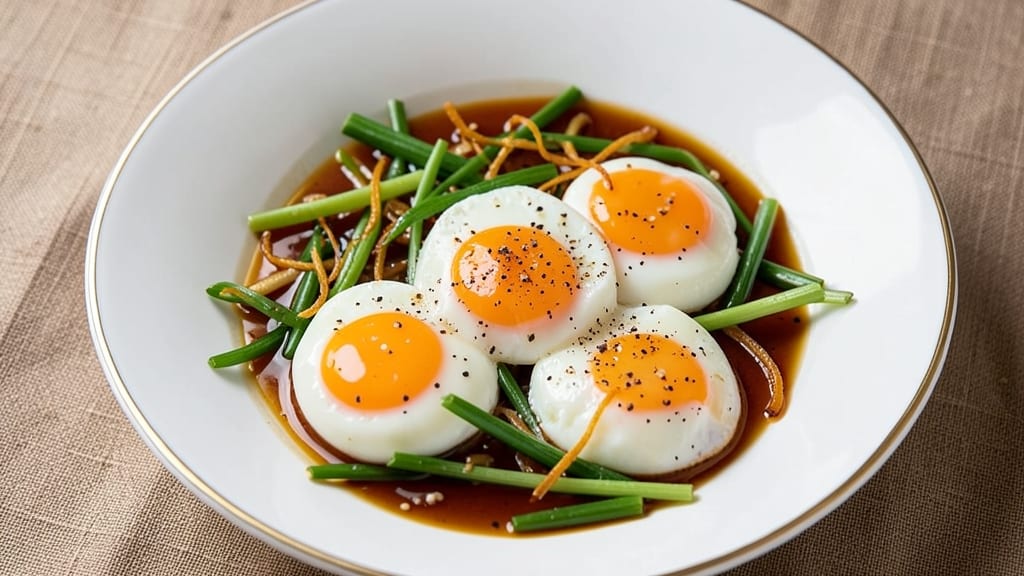
This spring onion egg Chinese recipe transforms humble ingredients into a symphony of textures and flavors—crispy scallions crunching against silky egg yolks, all balanced by a whisper of soy and sesame.
The secret lies in quick, high-heat cooking that preserves the vibrant green of the spring onions while creating eggs with perfectly runny centers.
I first discovered this dish at a street-side stall in Shanghai, where the aroma of wok hei (breath of the wok) filled the air, and it’s been my go-to breakfast ever since.
The beauty of this dish is in its simplicity: just eggs, spring onions, and a few pantry staples like soy sauce and sesame oil, yet the result is restaurant-quality.
The technique is straightforward—whisk the eggs to ribbon-like consistency, stir-fry the onions until fragrant, then pour in the eggs and scramble just until set. The key is speed; overcooking turns the eggs rubbery, while the onions lose their crispness.
This method delivers a dish that’s light enough for breakfast but hearty enough to satisfy lunch cravings.
What you’ll end up with is a plate of golden, slightly caramelized onions intertwined with eggs that remain velvety in the center, their yolks still liquid and rich.
The dish is finished with a drizzle of toasted sesame oil and a sprinkle of black pepper, adding depth and aroma that elevate every bite. Serve it with steamed rice for a complete meal, or enjoy it as-is for a quick, satisfying dish that’s as elegant as it is simple.
This recipe is incredibly versatile—adjust the heat level with chili flakes, swap in regular green onions if spring onions are unavailable, or add a pinch of sugar to balance the flavors.
The technique works equally well for breakfast or dinner, making it a staple in any home cook’s repertoire. Let’s get cooking!
Ingredients for spring onion egg chinese
Seven core ingredients transform into a restaurant-quality Chinese breakfast dish.
| Ingredient | Amount | Notes |
|---|---|---|
| Large Eggs 🥚 | 4 whole | Room temperature for even cooking |
| Spring Onions 🧅 | 1 ½ cups | Green parts only, sliced thin |
| Light Soy Sauce 🍶 | 1 ½ tbsp | Kikkoman preferred for balance |
| Toasted Sesame Oil 🫒 | 1 tbsp | For aroma, not cooking |
| Neutral Oil 🫒 | 2 tbsp | Vegetable or canola for high heat |
| Ground Black Pepper 🌶️ | ¼ tsp | Freshly cracked for intensity |
| White Sugar 🍚 | ½ tsp | Balances flavors (optional) |
| Garlic Cloves 🧄 | 1 clove | Minced for subtle depth |
| Green Onions 🧅 | ½ cup | Substitute if spring onions unavailable |
| Steamed Jasmine Rice 🍚 | 2 cups | For serving, cooked |
| Chili Flakes 🔥 | ¼ tsp | Adjust to taste (optional) |
Spring onions are the star here—look for vibrant green stalks with no yellowing at the base. Asian markets often carry the freshest, but most grocery stores stock them too. If you can't find spring onions, green onions work in a pinch, though they're milder. The eggs should be large and fresh—room temperature makes all the difference for that silky texture. For the soy sauce, light soy (or regular soy) is essential—dark soy would overpower the delicate flavors. Toast your sesame oil in a dry pan for 30 seconds before using to deepen its aroma.
No sesame oil? Toasted peanut oil works surprisingly well, though the flavor profile shifts slightly. Short on spring onions? Regular green onions plus a pinch of sugar mimic the sweetness. The garlic is optional but adds depth—skip if you dislike its aroma. For heat, chili flakes or a dash of sriracha both work, but adjust carefully. The sugar balances the soy's saltiness, so omit if your soy sauce is low-sodium. If you're serving this for kids, leave out the chili flakes entirely. The rice is purely for serving—jasmine rice is traditional, but any steamed white rice works.
Eggs cook in seconds, so have everything prepped before starting. Keep the eggs at room temperature for even cooking—cold eggs curdle. The spring onions should be crisp-tender, not soft. Store leftovers in an airtight container for up to 2 days, though the texture suffers after the first day. For best results, reheat gently in a nonstick pan—microwaving makes the eggs rubbery. Freezing isn't recommended, as the onions lose their crunch. This dish reheats beautifully for lunch the next day, making it perfect for meal prep.
Why You'll Love This Recipe
- Five-Ingredient Magic: I swear by this—just eggs, onions, soy sauce, sesame oil, and a splash of neutral oil. That’s it. No fancy prep, no hidden pantry raids. Honestly, I keep the ingredients in my fridge just for this.
- Crispy-Creamy Obsession: The outside gets that golden, shatter-y crust while the inside stays runny—like a perfect egg bite every time. The toasted sesame oil ties it all together with that nutty, aromatic punch that makes me want seconds.
- Lunchbox Legend: Between us, this is my go-to for packed lunches. It reheats beautifully (microwave or pan-fry), stays fresh for days, and my kids actually eat it. (Yes, even on a Tuesday night.)
- Budget Breakthrough: Eggs and onions are dirt cheap, and a little soy sauce goes a long way. I make this for a crowd—six servings for under $5—and everyone leaves happy. No guilt, just flavor.
Step-by-step instructions for spring onion egg dish
Master this classic Chinese technique for perfectly silky eggs with vibrant spring onion crunch.
Prepare the Egg Mixture
Crack the 4 whole Large Eggs into a bowl and whisk them vigorously until the yolks and whites are fully combined and the mixture is smooth. I like to use a fork for this—it's gentle enough not to create too many bubbles, which can make the eggs tough when cooked. Add the 0.5 tsp White Sugar and 0.25 tsp Ground Black Pepper to the egg mixture and whisk again until fully incorporated. The sugar balances the savory flavors while the pepper adds subtle heat that brightens the dish.
In a separate small bowl, combine the 1.5 tbsp Light Soy Sauce and 1 tbsp Toasted Sesame Oil. This aromatic blend is what gives the dish its signature depth of flavor. Set this aside for later—we'll use it to enhance the eggs just before serving. The toasted sesame oil adds a nutty aroma that pairs beautifully with the fresh spring onions.
Cook the Spring Onions
Heat 2 tbsp Neutral Oil in a wok or large skillet over medium-high heat until it shimmers. Add the 1.5 cups Spring Onions (green parts only, sliced thin) and stir-fry for 2-3 minutes until they begin to soften but still retain a vibrant green color and slight crunch. The key here is to cook them just until they're tender enough to eat but still crisp. Overcooking will turn them limp and lose their signature crunch.
Remove the spring onions from the pan and set them aside in a bowl. They'll continue cooking slightly from their residual heat, so don't worry if they're not completely wilted yet. This step is all about preserving that fresh, bright flavor and texture that makes this dish special.
Scramble the Eggs
In the same pan (no need to clean it—the fond adds flavor), reduce the heat to medium-low. Pour in the egg mixture and let it sit undisturbed for 5-10 seconds until the edges begin to set. This initial pause is crucial—it allows the eggs to form a thin, delicate layer at the bottom before you begin stirring. Once the edges are set, gently push the eggs from one side of the pan to the other using a spatula, folding them over as you go.
Continue folding the eggs until they're just set but still slightly runny in the center—this creates that signature silky texture. The eggs should be soft and creamy, not dry or rubbery. This takes about 1-2 minutes of constant gentle folding. If you see the eggs starting to look too dry, add a splash of water to the pan to steam them slightly and keep them tender.
Combine and Finish
Remove the pan from heat and immediately stir in the cooked spring onions, 0.5 cup Green Onions (chopped), and the 1 clove Garlic Cloves (minced). Pour the soy sauce-sesame oil mixture over the eggs and toss gently to combine. The residual heat from the pan will help the flavors meld together beautifully. If you'd like a bit of heat, sprinkle in the 0.25 tsp Chili Flakes and toss again.
Serve the spring onion eggs immediately over 2 cups Steamed Jasmine Rice for each serving. The contrast of the warm, silky eggs with the cool, slightly sticky rice is what makes this dish truly special. Each bite should deliver a perfect balance of textures and flavors—creamy eggs, crisp spring onions, and aromatic soy-sesame notes.
Pro Tips For Making Spring Onion Egg Chinese
- CRACK THE EGGS HOT: I learned this the hard way—cracking eggs into a cold pan makes them scramble into a rubbery mess. Instead, heat your neutral oil until it shimmers (about 140°C/300°F) and let it sit for 30 seconds before pouring in the eggs. The high heat instantly sets the edges while keeping the center runny, so you get that signature custardy center.
- SLICE SPRING ONIONS UNEVENLY: Most recipes say to chop spring onions into 2-inch pieces, but here’s the trick: cut the white parts into 1-inch chunks and leave the greens in 3-inch lengths. The whites soften faster and absorb the soy sauce better, while the longer greens stay crisp for texture contrast. (Yes, it looks uneven, but it works.)
- STOP STIRRING WHEN IT LOOKS DONE: I used to keep stirring until the eggs were fully set, but that turns them dry. As soon as the eggs start forming soft curds and the edges lift easily (about 20-25 seconds), pour in the soy sauce and sesame oil, then immediately remove from heat. The residual heat finishes cooking while keeping the texture tender.
- USE COLD EGGS, NOT ROOM TEMP: Sounds weird, but it works: pull eggs straight from the fridge and crack them into a bowl first. Cold eggs hold their shape better when hitting the hot pan, so they don’t spread into a thin, greasy pancake. Just don’t let them sit too long—whisk them gently and get them in the pan within 2 minutes.
Creative variations of spring onion egg chinese
Spicy Sichuan Style
Transform this dish into a fiery Sichuan classic by adding 1 tsp Sichuan peppercorns toasted and ground to the oil before cooking the spring onions. Stir in 1 tbsp doubanjiang (fermented chili bean paste) with the soy sauce for a deep, numbing heat.
Top with thinly sliced preserved mustard greens for that authentic Sichuan tang-sweet contrast. 🌶️
Creamy Cheese Twist
For a Western fusion version, fold in ¼ cup crumbled feta or goat cheese during the final toss. Add 1 tsp lemon zest to brighten the flavors and finish with toasted pine nuts for crunch. This works beautifully as a brunch dish with crusty bread on the side.
Vegetarian Protein Boost
Make this dish heartier by stirring in ½ cup silken tofu (crumbled) or ¼ cup chopped mushrooms during the final step. The tofu absorbs the soy-sesame flavors perfectly while adding plant-based protein. For extra umami, add 1 tsp miso paste to the soy sauce mixture.
Breakfast Wrap Version
Turn this into a portable breakfast by spreading the egg mixture on a warm tortilla or steamed bao bun. Add a sprinkle of sesame seeds and sliced cucumber for freshness. Roll tightly and serve with a side of chili oil for dipping. Perfect for meal prep!
Sweet and Savory Fusion
Balance the savory notes by adding 1 tsp honey or maple syrup to the soy sauce mixture. Top with crispy fried shallots and sesame seeds for a sweet-savory crunch. This version works surprisingly well as a dessert topping for pancakes or crepes.
Korean Kimchi Twist
Give it a Korean-inspired makeover by mixing in 2 tbsp finely chopped kimchi with the spring onions. Add 1 tsp gochujang (Korean chili paste) to the soy sauce for a tangy, spicy kick. Garnish with sesame seeds and thinly sliced scallions for a fusion dish that's packed with flavor.
Nutrition facts
Frequently asked questions
Can I use regular green onions instead of spring onions?
Yes, but the flavor will be milder. Spring onions have a sweeter, more delicate taste compared to the sharper green onions. For a closer substitute, use 1 cup green onions plus 0.5 tsp sugar to mimic spring onions' natural sweetness. The texture will be similar, but the flavor profile won't be identical.
Why are my eggs turning out dry and rubbery?
Overcooking is the most common cause. Remove the pan from heat as soon as the eggs are just set but still slightly runny in the center. Stirring too vigorously or cooking on high heat for too long makes the eggs tough. For extra tenderness, add 1-2 teaspoons of water to the pan to steam the eggs gently during cooking.
How do I make this dish spicier?
Add 0.5-1 teaspoon of chili flakes or 1 teaspoon of sriracha during the final toss. For authentic heat, try 1 teaspoon of doubanjiang (Sichuan chili bean paste) mixed with the soy sauce. This adds both heat and complex umami flavor. Adjust to taste—start small, as these ingredients pack serious punch!
Can I make this ahead of time?
It's best served fresh, but you can prep components ahead. Cook the spring onions and store them separately in the fridge for up to 2 days. Keep the eggs uncooked until serving. Reheat gently in a nonstick pan to maintain that silky texture. For leftovers, store the fully cooked dish in an airtight container for 1 day max—microwaving will make the eggs rubbery.
What's the secret to getting perfectly crisp spring onions?
High heat and quick cooking are key! Use medium-high heat and stir-fry for only 2-3 minutes until just tender. Remove them immediately when they're bright green and slightly softened—overcooking turns them limp. For extra crunch, add them back to the pan for 10 seconds at the very end of cooking.