
Breakfast & Brunch
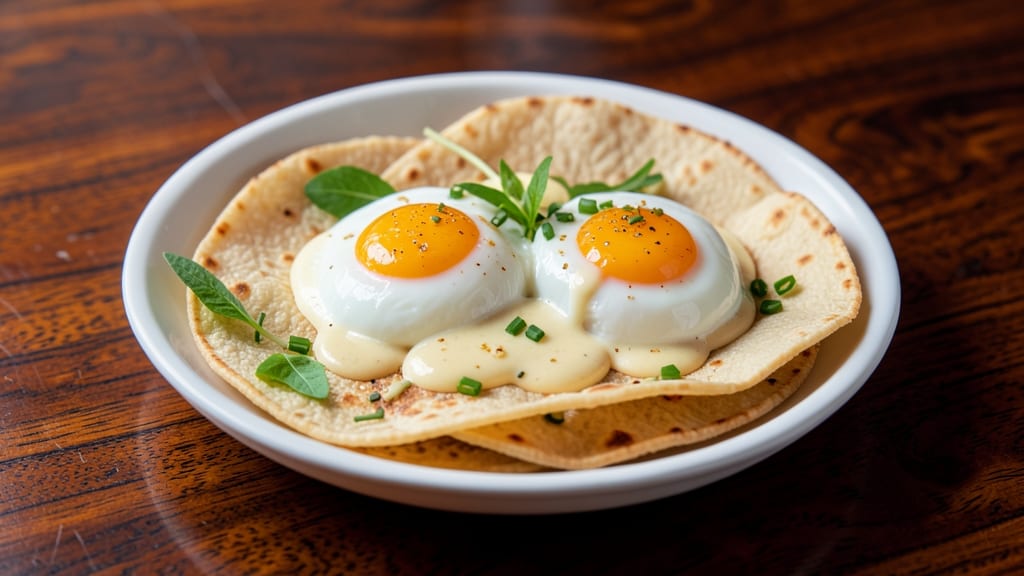
This St Benedict egg recipe transforms a classic brunch staple into crispy tortilla cups filled with perfectly poached yolks and velvety hollandaise. The secret lies in achieving that signature crispy texture while keeping the yolk runny—no more rubbery eggs or greasy hollandaise.
I developed this version after years of perfecting the technique, ensuring every bite delivers that luxurious balance of textures and flavors.
The foundation of great Eggs Benedict is the hollandaise—rich, emulsified, and tangy from lemon and butter. We'll use a foolproof method to prevent curdling, then pair it with perfectly poached eggs and toasted tortilla cups (a modern twist on traditional English muffins).
The ham adds savory depth, but we'll also show you how to adapt this for vegetarian or smoked salmon versions.
By the time you're done, you'll have a dish that's crispy on the outside, creamy in the middle, and perfectly balanced in flavor—restaurant-quality without the fuss. The tortilla cups hold their shape beautifully, and the hollandaise stays glossy and rich.
This is brunch elevated to an art form, and it's easier than you think.
Whether you're hosting a weekend brunch or treating yourself to a special morning, this recipe delivers. The technique is straightforward, but the results are impressive enough to impress even the most discerning guests. Let's get started on creating your perfect Eggs Benedict.
Ingredients for st benedict egg
Four crispy tortillas, velvety hollandaise, and perfectly poached eggs—this is brunch reimagined with restaurant-quality finesse.
| Ingredient | Amount | Notes |
|---|---|---|
| Large Eggs 🥚 | 4 whole | Freshly poached, runny yolks essential |
| Large Tortillas 🌯 | 4 whole | Flour tortillas, 10-inch diameter |
| Unsalted Butter 🧈 | ¾ cup | Cold, cut into 8 pieces |
| Lemon Juice 🍋 | 2 tbsp | Freshly squeezed, high acidity |
| Water 💧 | ½ cup | For poaching liquid |
| White Vinegar 🍶 | 1 tbsp | Prevents egg spreading |
| Ham Steak 🥓 | 4 oz | Thinly sliced, prosciutto alternative |
| Diamond Crystal Kosher Salt 🧂 | 1 ½ tsp | For seasoning and poaching |
| Ground Black Pepper 🌶️ | ½ tsp | Freshly cracked for flavor |
| Cayenne Pepper 🔥 | ⅛ tsp | Optional for subtle heat |
| Vegetable Oil 🫒 | ¼ cup | For crisping tortillas |
| Fresh Chives 🌿 | 2 tbsp | Chopped, for garnish |
| Fresh Parsley 🌿 | 1 tbsp | Chopped, for garnish |
| Smoked Salmon 🐟 | 4 oz | For vegetarian alternative |
| Avocado 🥑 | ½ whole | Sliced, for garnish option |
The tortillas are the game-changer here—Mission brand flour tortillas work best, but any 10-inch flour tortilla will do. Look for ones that hold their shape when toasted, not the fragile kind. The ham? Black Forest or high-quality deli ham makes all the difference—avoid the pre-sliced, water-logged kind. For the butter, Plugrá or Land O'Lakes unsalted are my go-tos, but any good-quality unsalted works. Keep everything cold until you're ready to assemble—warm butter and eggs are the enemy of perfect hollandaise.
No ham? Smoked salmon or grilled portobello mushrooms work beautifully for vegetarian versions. Fresh chives and parsley are non-negotiable for garnish—they add that restaurant-quality finish. Short on time? Pre-chopped fresh herbs from the grocery store save minutes. The cayenne is optional but adds that subtle kick that elevates the dish. For the poaching liquid, distilled white vinegar prevents spreading better than apple cider vinegar. And if you're feeling fancy, add a pinch of sugar to the poaching water—it helps stabilize the egg whites.
Tortillas crisp best when toasted fresh—keep them warm in a 200°F oven while you work. The hollandaise sauce should be used immediately after making—it doesn't reheat well. Store any extra ham in the fridge for 5 days or freeze for 3 months. Fresh herbs? Wrap in damp paper towels and store in a sealed container for 3 days. The avocado, if using, should be sliced last-minute to prevent browning. This dish is all about timing—plan to make it fresh, but the prep can be done ahead in stages for a stress-free brunch.
Why You'll Love This Recipe
- No-Fuss Assembly: I swear by this recipe when I’m too tired to measure. Just crack eggs into tortillas, add butter and lemon—no fancy tools, no stress. The water bath keeps things simple, and honestly? It’s the kind of dish that makes me feel like a chef without the fuss.
- Buttery Lemon Magic: That first bite—warm tortilla, runny yolk, bright lemon cutting through the richness—it’s ridiculously good. The butter melts into the tortilla just enough to make it tender, while the lemon keeps it from feeling heavy. My kids fight over the last piece, and I don’t even pretend to be surprised.
- Breakfast or Brunch: I make these for lazy weekend mornings, but they’re also my go-to for brunch guests. Serve them warm with hot sauce or avocado, or pack extras for lunch—still delicious cold. Between us, I’ve even reheated leftovers in a skillet with a splash of water, and no one noticed.
- Pantry Staple Power: Five ingredients, zero specialty items. Eggs, tortillas, butter—stuff I always have on hand. The lemon juice is the only thing that might need a trip to the fridge, but it’s worth it. This recipe saves me money and time, and the fact that it stretches for leftovers? Absolute win.
Step-by-step instructions for crispy tortilla cups with poached eggs
Transform simple ingredients into elegant St Benedict eggs with perfect crispy tortilla cups and silky poached yolks.
Prepare the Poaching Liquid
In a small saucepan, combine the 0.5 cup water, 2 tbsp lemon juice, and 1 tbsp white vinegar over medium heat. Bring just to a gentle simmer—you should see tiny bubbles breaking the surface but not a rolling boil. This acidified liquid prevents the egg whites from spreading and keeps them beautifully rounded.
The lemon juice and vinegar work together to create a gentle coagulant that helps the egg whites set more quickly. Keep this liquid at a steady simmer throughout the poaching process—if it boils vigorously, the eggs will cook unevenly. Taste the liquid now; it should be pleasantly tart but not overpowering. This ensures your poached eggs will have that classic bright flavor without being sour.
Create Crispy Tortilla Cups
Heat 0.25 cup vegetable oil in a large skillet over medium-high heat until shimmering. Working with one tortilla at a time, press it gently into the hot oil using a spatula, forming a shallow cup shape. Cook for 1-2 minutes per side until the tortillas are deep golden brown and crispy all over.
Here's the trick: don't press too hard or the tortillas will lose their shape. You want them to hold their structure while still being delicate enough to bite through. Remove the crispy tortilla cups to a paper towel-lined plate to drain excess oil. Keep them warm while you prepare the fillings—they'll stay crispy for about 5 minutes if stacked with parchment paper between them.
Poach the Eggs to Perfection
Crack each of the 4 whole large eggs into a small bowl, then gently slide them into the simmering poaching liquid using a spoon. Poach for exactly 3 minutes—you'll know they're ready when the whites are completely set but the yolks remain bright orange and slightly wobbly when gently shaken.
Use a slotted spoon to transfer the poached eggs to a paper towel-lined plate. Let them drain for 30 seconds to remove excess liquid. The yolks should remain perfectly round and runny inside. If you see any eggs that aren't perfectly formed, don't worry—just use them for garnish or as a topping for another dish. The key is in the timing: any longer than 3 minutes and the yolks will firm up too much.
Assemble the St Benedict Eggs
Place one crispy tortilla cup on each serving plate. Divide the 4 oz thinly sliced ham steak (or 4 oz smoked salmon for a vegetarian option) evenly among the cups, arranging it neatly. Top each with one poached egg, letting the yolk rest in the center of the ham or salmon.
Here's where the magic happens: spoon any remaining poaching liquid over the eggs—just enough to lightly moisten the tortilla cups and enhance their flavor. The acidity from the poaching liquid will complement the richness of the eggs perfectly. Sprinkle with 0.5 tsp ground black pepper and a pinch of 0.125 tsp cayenne pepper for subtle heat.
Garnish and Serve Immediately
Melt 0.75 cup unsalted butter in a small saucepan over low heat until it's just beginning to foam. Remove from heat and stir in 1.5 tsp diamond crystal kosher salt. Drizzle this buttery salted butter over each St Benedict egg, letting it cascade down the sides of the tortilla cups.
Finish with 2 tbsp chopped fresh chives and 1 tbsp chopped fresh parsley, then add slices from the 0.5 whole avocado on the side for serving. These elegant garnishes not only look beautiful but also add freshness that cuts through the richness. Serve immediately while the tortillas are still crispy and the eggs are warm—this dish is best enjoyed right after assembly when every component is at its peak.
Pro Tips For Making St Benedict Egg
- Use Room-Temp Eggs: Cold eggs from the fridge won’t cook evenly—crack them into a bowl and let them sit for 10 minutes before poaching. I learned this the hard way when my yolks stayed stubbornly runny while whites overcooked. Trust me, this small pause makes all the difference.
- Butter First, Then Heat: Melt 1 tablespoon of unsalted butter in your pan before adding water for the poaching step. The butter creates a nonstick layer that keeps the eggs from sticking—no more yanking at stubborn whites. (Yes, even if you’re impatient like me.)
- Acidify the Water: Add 1 tablespoon of lemon juice to the poaching water—it tightens the egg whites and keeps them from turning rubbery. I used to skip this, and my eggs always looked sad and limp. Now they hold their shape like a pro’s.
- Warm the Tortillas: Heat your tortillas in a dry skillet for 10 seconds per side before assembling—just enough to soften them without burning. Cold tortillas soak up the egg’s moisture and get soggy. (Your future self will thank you.)
Common mistakes when making this dish
Over-Poaching Eggs
Your eggs are the star of the show, so don't let them turn rubbery! The most common mistake is over-poaching, which happens when you cook them beyond 3 minutes or let them sit too long in the hot water.
I've ruined more eggs this way than I'd like to admit—always use a timer and remove them immediately when the whites are set but yolks still jiggle. If you're unsure, cut one open to check: a perfect yolk should be bright orange and liquid in the center. 🥚
Skipping Vinegar
Many recipes call for vinegar in poaching liquid, but some cooks skip it to avoid "vinegary" flavor. Big mistake! The 1 tbsp white vinegar isn't about taste—it's about science. It helps the egg whites coagulate faster and prevents them from spreading into a sad, flat pancake.
The acidity also helps stabilize the proteins, giving you that beautiful rounded shape. Trust me, you won't taste it in the final dish, but you'll definitely notice the difference if you leave it out.
Cold Butter for Hollandaise
Using cold butter straight from the fridge is a recipe for disaster. When making the buttery salted butter to drizzle over your Benedicts, always melt it gently over low heat until it just begins to foam.
Cold butter creates lumps in your sauce and makes it impossible to get that silky, glossy finish. I learned this the hard way—my first attempt looked like a failed fondue.
Pro tip: Cut your butter into 8 small pieces for even melting, and keep it warm in a double boiler if you need to work in batches. 🧈
Neglecting Tortilla Prep
Tortillas are the unsung heroes of this dish, and treating them like an afterthought ruins everything. Many people try to crisp them too quickly or don't press them gently enough to form proper cups. Heat your oil to medium-high heat until shimmering, then work with one tortilla at a time.
Press gently but firmly to shape them, and cook until they're deep golden brown—about 1-2 minutes per side. Keep them warm in a 200°F oven while you finish the rest. Cold tortillas make sad, soggy cups. 🌯
Overcrowding the Pan
Trying to poach multiple eggs at once is a recipe for disaster. The water temperature drops when you add too many eggs, leading to uneven cooking and sad, flat yolks. Stick to one egg at a time in your poaching liquid.
If you're making this for a crowd, work in batches—your eggs will thank you with perfect, round shapes and silky yolks. I've seen people try to poach two eggs at once, and it always ends with at least one looking like a sad, lumpy pancake. 🚫
Using Old Ingredients
Freshness matters more than you think in Eggs Benedict. Old eggs with high yolks (older than a week) are harder to poach perfectly—the whites spread more and the yolks can break easily. For the best results, use eggs that are no more than 7 days old.
The same goes for your ham or salmon—fresh, high-quality protein makes all the difference. I once used week-old eggs and ended up with a mess of broken yolks and sad, flat whites. Don't make my mistake! 🥓
Nutrition facts
Frequently asked questions
Can I make this recipe ahead of time?
While you can prep components ahead, assemble the dish fresh for best results. Toast the tortilla cups and store them in an airtight container at room temperature for up to 2 hours. Make the hollandaise sauce separately and keep it warm in a double boiler (it reheats best). Poach eggs last-minute—they lose their perfect texture when made ahead. Reheat gently if needed, but serve immediately for that restaurant-quality experience.
What's the best vegetarian alternative to ham?
Smoked salmon is the classic upgrade, but grilled portobello mushrooms or avocado slices work beautifully too. For a heartier option, try crispy chickpeas or caramelized onions. The key is maintaining that savory contrast to the rich eggs. If using mushrooms, marinate them in soy sauce and garlic before grilling for extra depth.
Why did my hollandaise sauce break?
Hollandaise separates when it gets too hot or the ingredients aren't properly emulsified. Always melt butter gently over low heat and whisk constantly. For a foolproof method, try the bain-marie (double boiler) technique—keep the egg yolk mixture warm while melting butter gradually. If it breaks, whisk in 1 tsp warm water to bring it back together. Never use high heat or let it boil!
How do I fix overcooked poached eggs?
If the whites are fully set but yolks are firm, you can't reverse the cooking, but you can still use them creatively. Chop them up for a quick egg salad or use as a topping for toast. For future attempts, watch the 3-minute timer closely—eggs are done when whites are opaque but yolks still jiggle slightly. A toothpick test works too: insert it into the yolk—it should come out slightly runny.
Can I use English muffins instead of tortillas?
Traditional Eggs Benedict uses English muffins, but the tortilla cups offer a modern twist. If you prefer the classic version, toast the muffins until golden and crispy. The key is achieving that perfect texture—whether it's a tortilla or muffin, aim for deep golden brown on both sides. Keep them warm in a 200°F oven while you finish the rest.