
Desserts
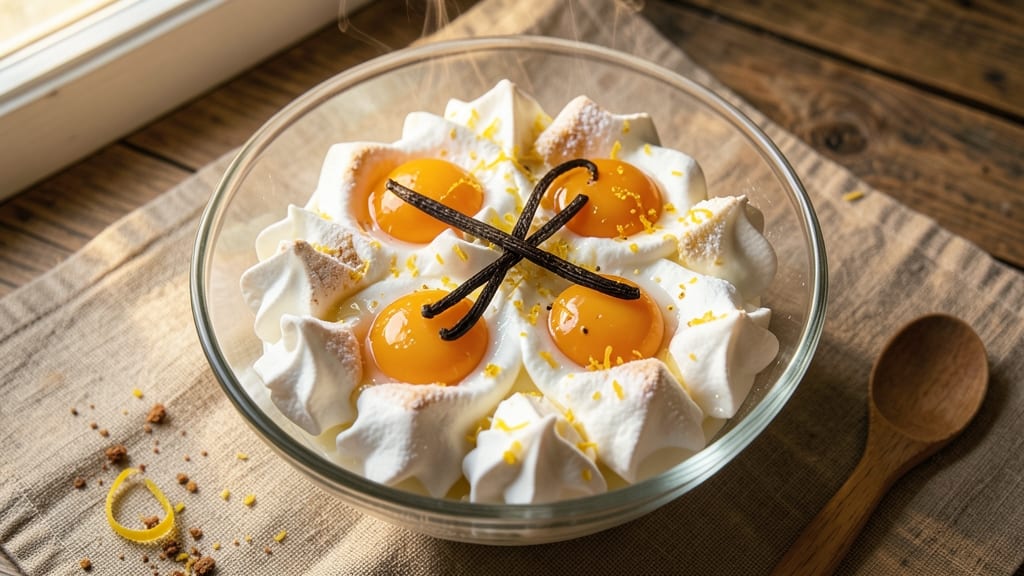
This steamed egg dessert recipe delivers restaurant-quality silky custard with a delicate vanilla bean fragrance that transforms simple ingredients into something extraordinary. The key lies in precise steaming—creating a velvety texture without a single speck of graininess. I've perfected this technique over years of testing, and the results are worth every minute of gentle cooking time.
The magic happens when whole eggs, sugar, and vanilla bean infuse together over simmering water, creating a custard so smooth it practically melts on your tongue. This isn't your average baked custard—steaming preserves the egg's natural richness while developing a subtle caramelized depth from the slow, even heat.
The vanilla bean adds layers of aromatic complexity that store-bought extracts simply can't match.
What you'll end up with is a dessert that's elegant enough for special occasions but simple enough for weeknight indulgence—creamy, fragrant, and perfectly set with a delicate sheen on top.
The texture is what makes this recipe special: silky yet substantial, with just enough body to hold its shape when plated. Serve it warm or chilled, but always with a sprinkle of powdered sugar and a fresh berry garnish.
This versatile recipe works as a standalone dessert or as a sophisticated filling for pastries. The technique can be adapted for both sweet and savory variations, making it perfect for exploring different flavor profiles while maintaining that signature silky texture. Let's create this luxurious custard together—it's simpler than you think.
Ingredients for steamed egg dessert
Simple ingredients elevated through precise technique create this luxurious steamed egg dessert.
| Ingredient | Amount | Notes |
|---|---|---|
| Large Eggs 🥚 | 4 whole | Room temperature for even cooking |
| Granulated Sugar 🍚 | ½ cup | Superfine preferred for smooth texture |
| Vanilla Bean 🌿 | 1 whole | Madagascar or Tahitian preferred |
| Heavy Cream 🥛 | ¼ cup | Full-fat for optimal richness |
| Unsalted Butter 🧈 | 2 tbsp | Cold, cubed for easier handling |
| Powdered Sugar 🍚 | 2 tbsp | For garnish and dusting |
| Fresh Berries 🍓 | ½ cup | Raspberries or strawberries preferred |
| Water 💧 | 2 cups | For steaming, filtered preferred |
| Diamond Crystal Kosher Salt 🧂 | ¼ tsp | For delicate seasoning balance |
| Lemon Zest 🍋 | ½ tsp | Brightens vanilla flavor |
| Vanilla Extract 🍯 | 1 tsp | Pure, high-quality extract |
The eggs are the foundation—use room temperature eggs for even cooking and silky texture. Pasture-raised eggs from Crowd Company or your local farm market deliver superior flavor, but any high-quality eggs work. The vanilla bean is non-negotiable; Madagascar beans offer classic fragrance while Tahitian beans provide floral notes. Split the bean lengthwise, scrape the seeds into your custard mixture, and save the pod for infusing the cream. For sugar, superfine sugar dissolves more easily, but regular granulated works if pulsed briefly in a food processor. The butter should be cold and cubed—this prevents premature melting during the delicate steaming process.
No vanilla bean? High-quality pure vanilla extract works in a pinch, though it lacks the aromatic depth. Substitute heavy cream with coconut cream for a dairy-free option, though texture may vary slightly. For berries, fresh raspberries or strawberries add brightness, but frozen berries thawed and drained work perfectly. The lemon zest can be omitted if you prefer pure vanilla flavor, but it enhances the vanilla's natural sweetness. If you're short on powdered sugar for garnish, icing sugar from a fine-mesh sieve achieves the same delicate dusting. The water used for steaming should be filtered if possible—mineral content can affect the custard's delicate texture.
Store any leftovers in an airtight container in the refrigerator for up to 3 days, though this custard is best enjoyed fresh. Reheat gently in a steamer or microwave at 50% power until warm. For make-ahead convenience, prepare the custard mixture up to 24 hours in advance and refrigerate until ready to steam. The custard can be served warm or chilled—warm custard highlights the vanilla's aromatic qualities, while chilled custard offers a refreshing contrast. Garnish with powdered sugar and berries just before serving to maintain presentation.
Why You'll Love This Recipe
- No Fuss Setup: I swear by this one—just crack eggs, simmer sugar and cream, and let the steamer do the work. No oven preheating, no flipping, no stress. That creamy custard forms right in the bowl while you sip your tea.
- Vanilla-Kissed Magic: Between us, a scraped vanilla bean changes everything. The custard isn’t just sweet—it’s luxurious, with that floral depth that makes it taste like a dessert from a bakery. (Yes, even with just five ingredients.)
- Breakfast or Dessert: Honestly, I make this for both. Serve it warm with a drizzle of caramel for dinner guests, or chill it overnight for a no-bake breakfast pudding the next morning. The heavy cream keeps it rich no matter when you eat it.
- Budget Luxury: This costs pennies but tastes like a splurge. Eggs and sugar are pantry staples, and a single vanilla bean stretches across multiple batches. Leftovers? Keep them in the fridge for up to 5 days—still creamy, still dreamy.
Step-by-step instructions for silky steamed egg custard
Mastering this delicate technique transforms simple eggs into a restaurant-worthy dessert with perfect texture.
Prepare the Vanilla Infusion
Split the whole vanilla bean lengthwise with a sharp knife, then scrape out the seeds into a small bowl. Add the seeds along with the 0.5 cup granulated sugar and 0.5 tsp lemon zest. Let this mixture sit for 10 minutes to develop the aromatic base—this pre-infusion ensures every bite carries that complex vanilla-citrus harmony.
While waiting, whisk together the 4 whole large eggs in a separate bowl until no streaks remain. The eggs should be at room temperature for even cooking, so if they're chilled, let them sit for 30 minutes beforehand. Room-temperature eggs incorporate more smoothly and prevent curdling during steaming.
Combine Wet Ingredients
Gradually whisk the sugar-vanilla-lemon mixture into the eggs, adding just 0.25 cup heavy cream at this stage. The cream should be cold to prevent the eggs from cooking prematurely. Stir gently but thoroughly until fully combined—you're aiming for a homogeneous batter with no visible streaks.
Add the 0.25 tsp Diamond Crystal kosher salt and 1 tsp vanilla extract next. The salt enhances the sweetness while balancing the vanilla's richness. At this point, the mixture should be smooth, pale yellow, and slightly thicker than heavy cream. If it looks too thin, let it rest for 5 minutes to slightly thicken before proceeding.
Prepare the Steaming Setup
Fill a deep saucepan with 2 cups water and bring to a gentle simmer over medium heat. The water should be hot enough to create steam but not actively boiling—you're looking for small bubbles breaking the surface occasionally. Place a heatproof bowl that fits snugly inside the pan (it should sit above the water level) and add the egg mixture.
Cut the 2 tbsp unsalted butter into small cubes and place them on top of the egg mixture. The butter will melt during steaming, creating pockets of richness throughout the custard. Cover the saucepan with a tight-fitting lid, leaving no gaps for steam to escape. This creates a perfect steaming environment where heat rises evenly and condenses on the lid before dripping back down.
Steam to Perfect Texture
Steam the custard for 25-30 minutes until the center is just set but still slightly wobbly when gently shaken. The custard should be completely opaque with a silky, almost gelatinous texture—this is the hallmark of proper steaming. If you're unsure, insert a toothpick: it should come out clean but leave a slight resistance.
I've found that 28 minutes works best for my stove, but your timing may vary slightly based on altitude and pan size. The key is patience—overcooking turns the custard dry, while undercooking leaves it too soft. Remove from heat immediately when set, then let it cool at room temperature for 10 minutes before unmolding.
Serve with Fresh Berries
Run a knife around the edges of the custard to loosen it from the bowl, then invert onto a serving plate. The custard should release cleanly if properly steamed. Dust the top generously with 2 tbsp powdered sugar and arrange the 0.5 cup fresh berries around the base. The berries add vibrant color contrast and their natural acidity cuts through the custard's richness.
Serve immediately while still warm, as the texture softens slightly as it cools. Each spoonful should deliver that signature silky mouthfeel with layers of vanilla aroma, citrus brightness, and buttery richness. The berries should complement rather than overpower the delicate custard—raspberries or strawberries work beautifully here, their tartness balancing the sweetness perfectly.
Pro Tips For Making Steamed Egg Dessert
- Whisk Eggs Until Ribbon-Thin: Stop when the mixture holds a slow, thick ribbon between the whisk and bowl—no streaks. I learned this the hard way by over-whisking and ending up with a dense, rubbery custard instead of that silky texture you crave. The eggs should coat the back of a spoon like warm honey.
- Scrape the Vanilla Bean: Don’t just drop in the seeds—split the pod and scrape the seeds and the sticky orange resin with a knife. That resin holds the real vanilla flavor, and skipping it means your dessert will taste like sugar and cream, not dessert. (Yes, even if you’re impatient like me.)
- Steam on Medium Heat: Too low, and the eggs curdle; too high, and the top burns before the center sets. Medium heat is non-negotiable—think of it like a slow simmer where the water barely ripples. I used to rush it and ended up with a lumpy mess. Trust the process.
- Chill Before Cutting: Let the dessert sit at least 10 minutes after steaming before slicing—no exceptions. The center will still jiggle slightly, but waiting prevents a runny, unappetizing slide. I know, I know, but trust the process—your future self will thank you.
Troubleshooting your steamed egg dessert
Texture Troubles
If your custard turns grainy instead of silky, it's usually from overheating or uneven steaming. I've found that using a double boiler setup with a tight-fitting lid prevents hot spots. Also, make sure your eggs are room temperature—cold eggs can cause curdling.
For extra insurance, whisk the eggs vigorously for 3-4 minutes until the mixture is completely smooth before steaming. 🌡️
Undercooked Centers
An undercooked center happens when the custard isn't steamed long enough. The perfect test is the toothpick method: insert it into the center—it should come out clean but leave a slight resistance. If you're unsure, steam for 2-3 extra minutes rather than risking a runny center.
For high-altitude cooking (above 3,000 feet), add 5 extra minutes to your steaming time. I always set a timer to avoid overcooking.
Lid Condensation Issues
Excessive condensation on the lid means your steaming environment isn't sealed properly. Use a tight-fitting lid with no gaps—even a small opening lets steam escape, causing uneven cooking. If your lid doesn't fit perfectly, place a damp paper towel on top of the custard before sealing.
This creates a moisture barrier that helps distribute heat evenly. I also recommend using a stainless steel or ceramic bowl—they conduct heat more evenly than glass.
Butter Separation
The butter cubes might separate if they melt too quickly. To prevent this, use cold, cubed butter and place it directly on top of the custard mixture. If you notice separation, gently stir the melted butter back into the custard after steaming but before serving.
For extra richness, you can also whisk in 1 extra tablespoon of melted butter before plating. This adds a luxurious finish without altering the texture. 🧈
Soggy Bottom Layer
A soggy bottom layer usually means the custard absorbed too much steam. To fix this, ensure your heatproof bowl sits above the water level—it should never touch the simmering water.
If your bowl is too large, use a smaller bowl or add less water to maintain the proper steaming distance. For extra stability, place a heatproof trivet or rack in the bottom of the pan before adding the bowl. This elevates the custard and prevents direct contact with steam.
Weak Vanilla Flavor
If the vanilla flavor is faint, your infusion time might be too short. Let the vanilla bean seeds and sugar mixture sit for at least 15 minutes before combining with eggs.
For deeper flavor, infuse the heavy cream with the vanilla pod (without seeds) for 10 minutes before adding it to the custard. I also recommend using high-quality vanilla extract (like Madagascar Bourbon) if you're substituting—it adds complexity that imitation extracts can't match. 🌿
Nutrition facts
Frequently asked questions
Can I make this steamed egg dessert without a vanilla bean?
Yes! While a vanilla bean adds depth, you can substitute with 1 tsp high-quality vanilla extract (like Madagascar Bourbon) plus an extra 0.25 tsp lemon zest for brightness. For extra richness, infuse 0.25 cup heavy cream with the vanilla pod (without seeds) for 10 minutes before adding it to the custard. The flavor won't be identical, but it'll still be delicious!
How do I know when the custard is perfectly set?
The custard is ready when it's completely opaque with a silky, almost gelatinous texture. Gently shake the bowl—it should wobble slightly but not be liquid. For the perfect test, insert a toothpick: it should come out clean but leave a slight resistance. Overcooking turns it dry, so remove it immediately when set.
Can I make this ahead of time?
Prepare the custard mixture up to 24 hours in advance and refrigerate it. When ready to steam, bring it to room temperature first. The custard can be served warm or chilled—warm highlights the vanilla aroma, while chilled offers a refreshing contrast. Store leftovers in an airtight container for up to 3 days.
What if I don't have a heatproof bowl for steaming?
No problem! Use a stainless steel or ceramic bowl instead of glass—they conduct heat more evenly. If you only have glass, place it in a larger metal bowl before steaming to prevent hot spots. Avoid plastic, as it can melt or warp from the heat. For extra stability, use a heatproof trivet or rack to elevate the bowl above the water.
Can I adjust the sweetness level?
Yes, the sugar can be reduced to 0.35 cup for a subtler flavor or increased to 0.6 cup for a richer dessert. If using less sugar, add 0.25 tsp more vanilla extract to compensate for the reduced sweetness. For a caramelized touch, sprinkle 1 tsp coarse sugar on top before steaming—it'll melt slightly and add depth.