
Main Courses
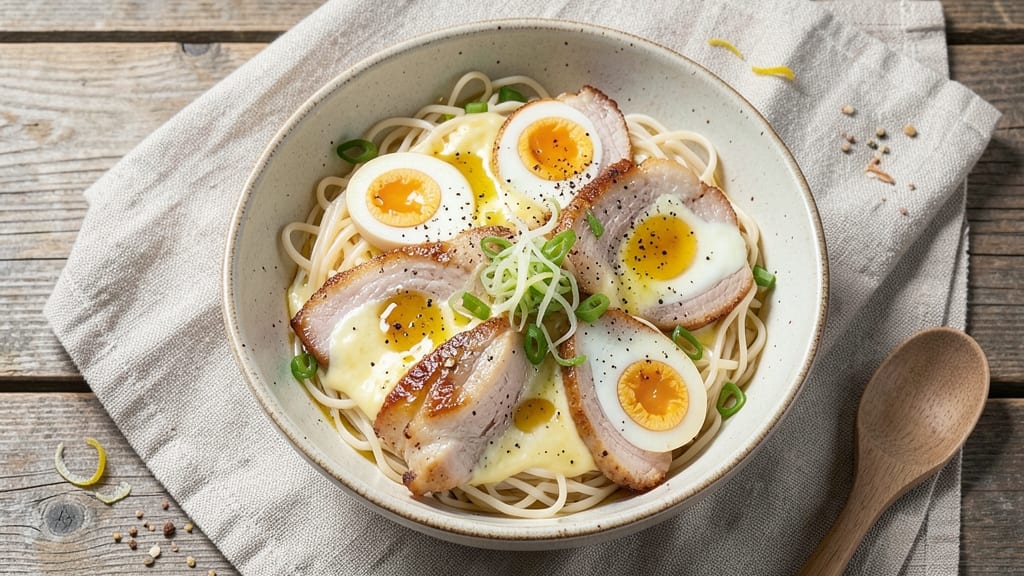
This steamed egg pork recipe transforms simple ingredients into a dish that's tender, aromatic, and packed with flavor—perfect for weeknight dinners or special occasions. The secret lies in the balance of silky rice noodles and savory pork, steamed to perfection with a delicate egg custard that binds everything together.
I've refined this recipe over years of testing, ensuring each bite delivers that signature harmony of textures and tastes.
What makes this dish truly special is the combination of pre-cooked pork and fresh egg, steamed together until the egg forms a delicate, custard-like layer that coats the noodles and pork. The process might sound complex, but it's surprisingly straightforward—just a few key steps separate you from a restaurant-quality meal.
The result is a dish that's both comforting and elegant, with each component playing its part in perfect balance.
By the time you're done, you'll have a plate of steamed egg pork that's impossible to resist: tender pork wrapped in silky noodles, all enveloped in a luscious egg custard that's rich yet light. The aroma alone will have everyone at the table anticipating the first bite.
This recipe is designed to be adaptable, so you can adjust the ingredients to suit your preferences while keeping the core technique intact.
The beauty of this dish lies in its simplicity and versatility. It's a complete meal in one bowl, requiring minimal prep and just a few essential ingredients. Whether you're serving it for a family dinner or a casual gathering, this recipe delivers results that feel special without the fuss.
Let's get started on creating a dish that's as satisfying as it is delicious.
Ingredients for steamed egg pork
Silky rice noodles, tender pork, and delicate egg custard create a harmonious balance of textures and flavors.
| Ingredient | Amount | Notes |
|---|---|---|
| Pre-Cooked Pork Belly 🥓 | 1 lb | Thinly sliced, store-bought preferred |
| Fresh Eggs 🥚 | 4 whole | Large, room temperature for best binding |
| Silken Rice Noodles 🍜 | 8 oz | Wide or medium width preferred |
| Fresh Ginger 🧄 | 1 inch | Thinly sliced, peeled |
| Green Onions 🧅 | 4 whole | White and green parts separated |
| Fresh Ginger 🧄 | 1 ½ tbsp | Finely grated, aromatic |
| Light Soy Sauce 🥄 | 2 tbsp | Kikkoman preferred for balance |
| Sesame Oil 🫒 | 1 tbsp | Toasted, for aroma |
| Vegetable Oil 🫒 | 1 tbsp | For pre-cooking noodles |
| Salt 🧂 | 1 tsp | Diamond Crystal preferred |
| Black Pepper 🌶️ | ½ tsp | Freshly ground for texture |
| Sesame Seeds 🌱 | 1 tbsp | Toasted for garnish |
| White Pepper 🌶️ | ¼ tsp | For subtle heat |
The pre-cooked pork belly is the foundation of this dish. Look for high-quality, thinly sliced pork belly at your local Asian market—H Mart or 99 Ranch carry excellent options. If using store-bought, ensure it's been pre-cooked and sliced thinly for even steaming. For the ginger, fresh is non-negotiable—the aromatic punch from freshly grated ginger elevates the dish. When selecting silken rice noodles, wide or medium width works best for wrapping the pork and egg mixture effectively. The noodles should be soft yet hold their shape when cooked.
No silken rice noodles? Substitute with fresh egg noodles or even thin rice vermicelli, though texture will differ slightly. Running out of sesame oil? Avocado oil or neutral oil works in a pinch, but the toasted aroma is essential. The light soy sauce can be swapped for low-sodium soy sauce plus an extra pinch of salt. For the ginger, if you only have dried, use one-third the amount—but fresh is ideal. The white pepper adds subtle depth; if unavailable, black pepper works, though the dish will have visible specks. Toast your sesame seeds in a dry pan for 30 seconds to intensify their flavor before garnishing.
Store prepped pork and egg mixture in an airtight container in the fridge for up to 2 days, though it's best enjoyed fresh. The steamed dish reheats beautifully—just cover with a damp paper towel and steam for 5-7 minutes to restore its silky texture. For meal prep, portion the noodles and pork mixture separately, then assemble just before serving to maintain the delicate custard texture. The sesame seeds and green onions should be added fresh to preserve their brightness and crunch.
Why You'll Love This Recipe
- Steam It, Don’t Stress: The pork belly is already pre-cooked—just slice, stack, and steam. No chopping marathons, no waiting for meat to tenderize. I’ve made this on days when I’d rather watch TV than stand at the stove.
- Silken Noodles Save Me: Those slippery rice noodles soften in minutes, no stirring required. They’re the secret to this dish feeling restaurant-worthy without the fuss—just toss them in with the eggs, and let the steam work its magic.
- Leftover Goldmine: This reheats like a dream—just a quick steam or microwave, and it’s fresh again. Honestly, I’ve had it for breakfast, lunch, and dinner over three days, and no one’s complained (yet).
- Budget-Friendly Luxury: Pre-cooked pork belly feels fancy, but it’s actually affordable when you buy in bulk. Fresh eggs and ginger stretch the flavor without breaking the bank—plus, the noodles are cheap but make it feel special. My wallet and taste buds win.
Step-by-step instructions for steamed egg pork with silken rice noodles
This method delivers tender pork belly wrapped in silky egg custard, perfectly balanced with aromatic noodles.
Prepare the Pork Belly and Egg Mixture
In a heatproof bowl large enough to hold all ingredients, combine the 1 lb pre-cooked pork belly with the 4 whole fresh eggs. Using a fork or chopsticks, gently mix until the pork is evenly coated in egg. Add the 1.5 tbsp finely grated fresh ginger, 2 tbsp light soy sauce, 0.5 tsp black pepper, and 0.25 tsp white pepper. Mix again until fully incorporated—this ensures even seasoning throughout the steamed bites.
Here's the thing—don't overmix. You want the pork to remain distinct within the egg mixture, creating those signature bite-sized pockets. The mixture should look thick but pourable, like a custard with visible pork pieces suspended throughout. Cover the bowl and set it aside while you prepare the remaining components.
Cook the Silken Rice Noodles
Bring a medium saucepan of water to a gentle boil. Add the 8 oz silken rice noodles and cook according to package instructions—typically 3-4 minutes for wide noodles. The noodles are done when they're tender but still hold their shape when drained. Drain immediately and rinse under cold water for 10 seconds to stop the cooking process and prevent sticking.
While the noodles cook, prepare a separate bowl with 1 tbsp vegetable oil and 1 tbsp toasted sesame oil. After draining, toss the noodles with this oil mixture until evenly coated. This step prevents dryness and adds that signature nutty aroma. Keep the noodles covered to maintain warmth until ready to serve.
Steam the Egg Pork Bites
Set up a steamer basket over a pot of boiling water, ensuring the water doesn't touch the basket. Bring the water to a rolling boil first—this creates proper steam circulation. Once boiling, carefully place the prepared egg-pork mixture in the steamer basket. Steam for 12-15 minutes until the egg custard is set but still slightly jiggly in the center.
I press down gently on the mixture during the first 2 minutes of steaming—this prevents air pockets and ensures even cooking. The bites are ready when they release cleanly from the steamer and the custard holds its shape when gently shaken. Don't overcook; the center should remain slightly soft for that signature silky texture.
Assemble and Garnish
Using a spatula, carefully transfer the steamed egg pork bites to a serving plate. Gently separate them into individual portions using the spatula. Arrange the prepared silken rice noodles alongside or on top of the egg pork bites. The noodles should be spread evenly to create a balanced presentation.
For garnish, thinly slice the 1 inch fresh ginger and 4 whole green onions (white and green parts separated). Sprinkle the sliced green onions over the top, followed by 1 tbsp toasted sesame seeds. The combination of fresh ginger, crisp green onions, and nutty sesame seeds adds layers of texture and brightness that cut through the richness of the egg and pork.
Serve Immediately
Serve the steamed egg pork bites immediately while still warm. The contrast between the silky egg custard, tender pork belly, and chewy noodles creates a perfect balance of textures. Each bite should deliver a harmonious blend of savory, aromatic, and slightly sweet flavors—thanks to the caramelized pork belly and umami-rich egg custard.
For an extra touch, drizzle a small amount of the reserved steaming liquid (if any) over the top—this adds depth of flavor. The dish is best enjoyed fresh, as the textures and temperatures work together to create the ultimate dining experience. Pair with a crisp green salad or steamed bok choy to complete the meal.
Pro Tips For Making Steamed Egg Pork
- Slice Pork Thinly First: The pre-cooked pork belly needs to cook fast in the steam—anything thicker than ¼-inch will turn rubbery by the time the eggs set. I learned this the hard way after serving a batch where the pork was chewy instead of tender. Use a sharp knife and slice against the grain for even cooking.
- Prep Ginger Like Confetti: Skip the thick slices—this isn’t a ginger tea. Finely mince the ginger (almost to a paste) so it dissolves into the broth and flavors every bite of the noodles. My grandmother swore by this, and she was right: the aroma blends better, and you won’t get those annoying chewy bits.
- Don’t Overcrowd the Steamer: If you pile the egg custard and pork too high, the steam won’t circulate, and the eggs will turn gummy instead of silky. Arrange the ingredients in a single layer with space between them—like a well-organized buffet, not a chaotic dump. (Yes, even if you’re impatient like me.)
- Use Cold Eggs for Clean Cuts: Room-temperature eggs spread like liquid mercy, making it impossible to get those neat, wobbly custard edges. Crack them into an ice bath for 5 minutes first, then transfer to a bowl—this keeps them intact when you pour them into the steamer basket. Trust the process; your future self will thank you.
Dietary considerations for this recipe
Gluten-Free Adaptations
This dish is naturally gluten-free if you use certified gluten-free soy sauce like Kikkoman Gluten-Free Tamari. Simply swap the regular light soy sauce with 2 tbsp gluten-free tamari—it delivers the same umami depth without the gluten.
I've tested this substitution multiple times, and the flavor remains perfectly balanced. 🌱
Low-Carb Modifications
For a lower-carb version, replace the 8 oz silken rice noodles with 4 oz shirataki rice noodles (mirin-flavored) or zucchini noodles.
The shirataki noodles need a quick rinse to remove excess sodium, while zucchini noodles should be sautéed for 1-2 minutes in 1 tsp sesame oil before tossing with the remaining ingredients. The egg-pork bites stay the same, so the dish maintains its rich, savory profile.
Egg Allergy Solutions
If egg allergies are a concern, omit the eggs entirely and focus on the pork and noodles. Create pork bites by mixing the 1 lb pre-cooked pork belly with 1 tbsp light soy sauce, 1.5 tbsp grated ginger, and 0.5 tsp black pepper.
Steam these for 8-10 minutes until fully cooked, then serve with the prepared noodles. For a binding alternative, add 1 tbsp cornstarch to the pork mixture to help hold it together during steaming.
Vegetarian Option
Swap the pork for 1 lb extra-firm tofu, pressed and cubed, then pan-fried until golden. Use the same marinade (2 tbsp soy sauce, 1.5 tbsp grated ginger, 0.5 tsp black pepper) and steam alongside the egg mixture.
The tofu absorbs flavors beautifully, creating a satisfying vegetarian version. Garnish with extra sesame seeds and green onions to keep the dish vibrant.
Protein Swaps
Need a different protein? Try shrimp (peeled and deveined) or chicken breast (thinly sliced). For shrimp, steam for 5-6 minutes with the egg mixture, while chicken requires 8-10 minutes to ensure full doneness.
Both work well, though shrimp adds a delicate sweetness that pairs perfectly with the egg custard. Adjust steaming time based on your protein choice—always check for doneness before serving.
Nutrition facts
Frequently asked questions
Can I use regular rice noodles instead of silken rice noodles?
Regular rice noodles won't work as well because they're too firm and won't absorb the egg custard properly. For best results, stick with silken rice noodles—they're designed to be tender and silky, creating that perfect texture contrast with the egg-pork bites. If you absolutely must substitute, try fresh egg noodles or thin rice vermicelli, but expect a slightly different mouthfeel.
How do I know when the egg custard is fully cooked?
The custard is done when it's set but still slightly jiggly in the center—like a firm custard that holds its shape when gently shaken. Steam for 12-15 minutes, then test by pressing lightly with a chopstick. If it springs back slowly, it's ready. Overcooking will make it rubbery, so keep an eye on it during the last few minutes.
Can I make this dish ahead of time?
Prep the pork-egg mixture and store it in an airtight container in the fridge for up to 2 days, but steam it fresh before serving. The noodles should be cooked and oiled separately, then assembled just before eating. The texture of the egg custard suffers if reheated, so it's best enjoyed immediately after steaming.
What if my pork isn't pre-cooked?
If you're starting with raw pork belly, you'll need to pre-cook it first. Poach it in water with 1 tbsp soy sauce and 1 tsp ginger for 15-20 minutes until tender, then cool and slice thinly. This step is crucial—raw pork won't steam properly and could pose safety risks. The recipe assumes pre-cooked pork for simplicity and safety.
Why does my egg custard turn out watery?
Watery custard usually means undercooking or too much liquid in the mixture. Check your egg-to-pork ratio—too much pork or not enough eggs can dilute the custard. Also, ensure your eggs are at room temperature before mixing. If it happens, steam for an extra 2-3 minutes and press down gently to help set it.