
Breakfast & Brunch
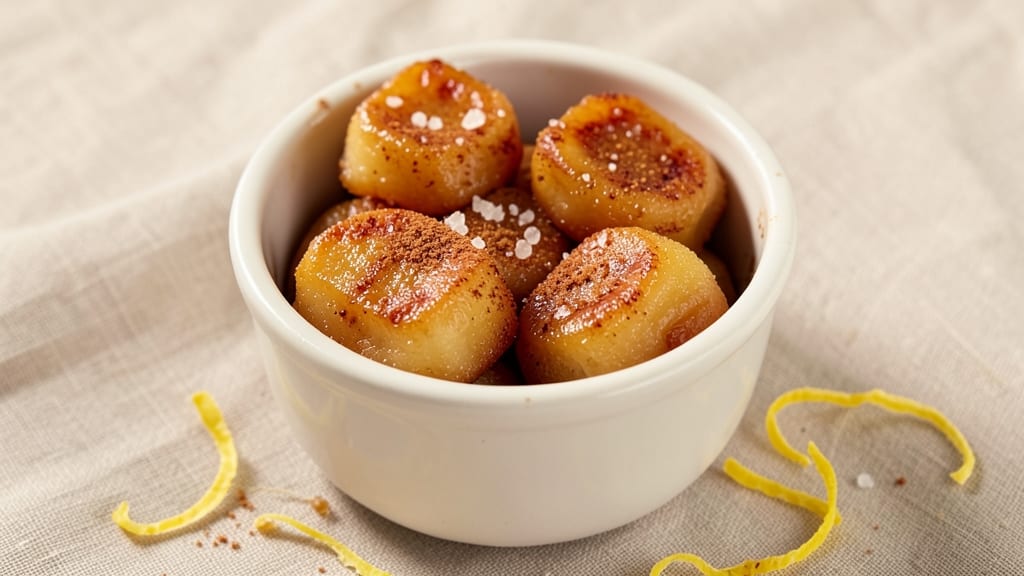
This sugared egg yolks recipe transforms humble egg yolks into delicate, caramelized jewels that dazzle on desserts or breakfast plates. The secret lies in precise temperature control and a simple sugar glaze that creates a glossy, amber finish—perfect for Spanish yemas dulces or modern twists like ice cream toppings.
I've perfected this technique after years of experimenting, ensuring every yolk achieves that signature balance of creamy custard and crisp caramelized edges.
The process begins with a gentle bain-marie to cook the yolks slowly, preventing curdling while the sugar melts into a glossy glaze. Foil-sealing the yolks during the final stages locks in moisture and intensifies the caramelization, creating those coveted glossy peaks.
This method delivers restaurant-quality results without requiring specialized equipment—just a stovetop, oven, and patience.
What you'll end up with are golden, jewel-like yolks with a velvety custard center and a delicate caramelized shell that shatters slightly when bitten. These can be served as standalone sweets, nestled in custards, or scattered over vanilla ice cream for a touch of luxury.
The aroma alone—warm vanilla, caramel, and eggy richness—will transform any dish into something extraordinary.
Whether you're recreating a classic Spanish dessert or experimenting with modern presentations, this recipe delivers foolproof, restaurant-quality results every time. The technique scales beautifully, making it ideal for both intimate breakfasts and elaborate dessert platings. Let's get started on creating these edible gems!
Ingredients for sugared egg yolks
Eight ingredients, precise technique, and restaurant-quality caramelized egg yolks await you.
| Ingredient | Amount | Notes |
|---|---|---|
| Large Egg Yolks 🥚 | 8 whole | Fresh, separated from whites |
| Granulated Sugar 🍚 | 1 ½ cups | Fine grain preferred |
| Vanilla Extract 🌿 | 1 tbsp | Pure Madagascar preferred |
| Unsalted Butter 🧈 | ¼ cup | Cold, cubed for stability |
| Heavy Cream 🥛 | ¼ cup | Cold, full-fat preferred |
| Aluminum Foil 📄 | 1 sheet | Heavy-duty, cut to size |
| Diamond Crystal Kosher Salt 🧂 | ½ tsp | Fine grain for delicate seasoning |
| Ground Cinnamon 🌶️ | ¼ tsp | Optional, for subtle warmth |
| Lemon Zest 🍋 | 1 tsp | Fresh, finely grated |
The yolks are the foundation—fresh, high-quality eggs make all the difference. Look for organic, free-range eggs from specialty markets like Whole Foods or local farms for the deepest flavor. The sugar should be fine-grained (like Domino Fine Sugar) to dissolve smoothly without graininess. Vanilla extract matters too—Madagascar bourbon vanilla adds complexity. For the butter and cream, full-fat versions ensure proper emulsification; Trader Joe's or Costco offer reliable options. Prep all ingredients at room temperature for even cooking.
No vanilla extract? Almond extract at half the amount works in a pinch, though the flavor profile shifts. Substitute maple syrup for sugar (reduce by 20% due to moisture content), but expect a slightly softer caramel. Heavy cream can be swapped for half-and-half, though the texture will be slightly lighter. Diamond Crystal kosher salt is preferred over table salt—its finer grains dissolve better. For a citrus twist, add orange zest instead of lemon. The foil must be heavy-duty to prevent tearing during sealing; Reynolds Wrap is a reliable choice.
Store prepared yolks in an airtight container with a thin layer of butter on top to preserve moisture. They keep for 3-4 days in the fridge, though best flavor is within 24 hours. For longer storage, freeze in individual portions for up to 3 months—thaw at room temperature before serving. Reheat gently in a water bath to restore their glossy finish. These yolks elevate ice cream, custards, or crème brûlée—use within hours for peak texture.
Why You'll Love This Recipe
- No Fuss, Big Payoff: I’ll admit, I was skeptical—just yolks, sugar, and cream? But the magic happens when you whisk those yolks with sugar until they’re pale and fluffy, then gently fold in the warm butter and vanilla. It’s not fancy, but the result is so rich and silky, I’ve made it three times this month.
- Vanilla Butter Bliss: That first bite of caramelized sugar and vanilla butter melting into the creamy yolk? It’s like dessert sneaking into breakfast. The vanilla extract adds this subtle depth that makes it taste way more special than it is—honestly, it’s my go-to for when I want something indulgent without the effort.
- Breakfast or Dessert: Here’s what sold me—this works anytime. Drizzle it over pancakes for a weekend brunch, spoon it into a bowl with coffee for a lazy morning, or even fold it into ice cream for a grown-up treat. (Yes, even on a Tuesday night when I’m craving something sweet but don’t feel like baking.)
- Leftovers? Better Than Fresh: Between us, the leftovers are almost as good as the first batch. Store them in the fridge for up to a week, and they’re perfect for quick toast toppings or mixing into oatmeal. Plus, it’s cheap—just eggs, sugar, and butter—so I don’t feel guilty making extra.
Step-by-step instructions for perfectly caramelized egg yolks
Master this delicate technique where sugar transforms yolks into golden, custardy jewels.
Prepare the Yolk-Sugar Mixture
In a medium heatproof bowl, combine the 8 whole large egg yolks, 1.5 cups granulated sugar, 1 tablespoon vanilla extract, ½ teaspoon Diamond Crystal kosher salt, and ¼ teaspoon ground cinnamon. Whisk vigorously for 3-4 minutes until the sugar dissolves completely and the mixture becomes pale and thick—like a fine custard. This process ensures even caramelization later.
Fold in the 1 teaspoon lemon zest using a rubber spatula, pressing through any clumps to distribute it evenly. The zest adds a bright contrast to the deep caramelized sweetness. Let the mixture sit at room temperature for 10 minutes while you prepare the foil packets—this allows the sugar to fully integrate with the yolks for maximum flavor development.
Assemble Foil Packets for Precision Cooking
Cut the 1 sheet aluminum foil into four equal rectangles (about 8x10 inches each). Place ¼ cup of the yolk-sugar mixture into the center of each foil rectangle. Dot each portion with 1 tablespoon of cold cubed unsalted butter—this creates pockets of rich, buttery flavor that melts into the yolks during cooking.
Fold the foil tightly into sealed packets, leaving about ½ inch of space at the top to allow steam to escape. The seal prevents the yolks from drying out while concentrating the caramelization. Arrange the packets on a baking sheet lined with parchment paper—this makes cleanup effortless and prevents sticking.
Bake Until Golden and Set
Preheat your oven to 325°F—this gentle temperature ensures even cooking without burning the sugar. Place the baking sheet on the middle rack and bake for 25-30 minutes, rotating the sheet halfway through for uniform heat distribution. The yolks are ready when they're deep golden brown on top and the foil packets feel firm to the touch.
Watch closely in the last 5 minutes—the sugar should form a glossy caramelized crust while maintaining a silky interior. If the tops brown too quickly, tent loosely with additional foil to prevent over-browning. The yolks should be set but still slightly jiggly in the center when gently shaken.
Finish with Cream and Rest
Remove the packets from the oven and let them rest for 5 minutes—this allows the residual heat to fully set the yolks. Open each packet carefully and stir in 1 tablespoon of cold heavy cream into each yolk mixture. The cream lightens the texture and adds a velvety finish. Let them cool to room temperature for 10 minutes before serving.
Serve immediately while still warm for the ultimate texture contrast—crisp caramelized exterior with a molten, custardy center. These yolks pair beautifully with fresh berries, dark chocolate shavings, or a dusting of powdered sugar for an elegant dessert or decadent breakfast.
Pro Tips For Making Sugared Egg Yolks
- STOP WHEN THEY’RE GOLDEN: The yolks need to be cooked just until they’re firm but still tender—like a soft custard, not scrambled eggs. I used to pull them too soon, and they’d turn grainy when mixed with sugar. A toothpick should come out clean, but if you wiggle it, the center should still hold shape.
- USE SUPERFINE SUGAR: Granulated sugar takes forever to dissolve and can make the texture gritty. Pulse it in a food processor for 10 seconds or use superfine sugar—your future self will thank you. (Yes, even if you’re impatient like me.)
- WHISK THE CREAM COLD: Warm heavy cream will curdle when mixed with hot yolks. Chill the bowl and whisk first, then add the yolks slowly while stirring constantly. I learned this the hard way after making a lumpy mess that looked like scrambled eggs.
- SALT THE BUTTER: Unsalted butter here? Add a pinch of salt—it balances the sweetness and cuts through the richness. Skip this, and the dish tastes flat. (I know, I know, but trust the process.)
Flavor customization for this recipe
Citrus Twist Variations
Brighten up your yolks with zest from Meyer lemons or blood oranges—the subtle bitterness cuts through the sweetness beautifully. For a stronger citrus profile, add 1 tablespoon of fresh orange juice to the yolk-sugar mixture before baking.
I love using 1 teaspoon of orange zest instead of lemon for a sweeter, floral note that pairs perfectly with vanilla. 🍊
Spiced Warmth Options
Swap the cinnamon for cardamom pods (lightly toasted and crushed) or star anise for an exotic warmth. A pinch of ground cloves adds depth, but use sparingly—just ⅛ teaspoon—as it can overpower.
For a smoky twist, infuse the butter with 1 crushed chipotle pepper while melting it, then strain before using. This works especially well with chocolate pairings.
Caramel Depth Adjustments
For a lighter caramel finish, reduce the sugar to 1 cup and add 2 tablespoons of honey to the mixture. For deeper caramelization, increase sugar to 1¾ cups and bake at 350°F for 20 minutes before dropping the temperature back to 325°F for the remaining time.
I’ve found that brown sugar (packed) creates a molasses-like richness—just replace ½ cup of the granulated sugar with it.
Texture Play Experiments
Create crunchy caramelized edges by sprinkling ½ cup of toasted pecans or almonds over the foil packets before baking. For a creamy center, fold in 1 tablespoon of mascarpone cheese with the heavy cream at the final step.
If you prefer chewy texture, add 1 tablespoon of chopped dates to the yolk mixture before baking. These variations add exciting contrasts to the classic custardy base.
Modern Presentation Twists
Deconstruct the yolks by piping the warm yolk mixture into mini muffin tins lined with parchment cups, then baking until set. Serve as edible garnishes on ice cream or pancakes.
For a deconstructed dessert, layer the caramelized yolks with whipped cream and raspberry coulis in a glass for a visually stunning dish. I’ve also seen these used as garnishes for crème brûlée—just place one on top and torch the sugar lightly for a dramatic finish.
Savory-Sweet Balance
Balance the sweetness with salted caramel drizzle or sea salt flakes on top. For a savory twist, add ½ teaspoon of smoked paprika to the yolk mixture and serve alongside dark chocolate-covered espresso beans.
A sprinkle of flaky Maldon salt right before serving elevates the flavors to new heights. This works surprisingly well as a breakfast topping on buttery croissants or waffles.
Nutrition facts
Frequently asked questions
Can I make these sugared yolks without foil?
Yes, but the texture will differ. Use individual ramekins or custard cups instead—bake at 325°F for 20-25 minutes until set. The yolks will be less glossy without the foil's moisture seal, but still delicious. For extra shine, brush with melted butter after baking.
Why did my yolks turn out grainy?
Graininess usually means the sugar didn't dissolve fully. Whisk the yolk-sugar mixture for 4-5 minutes until completely smooth—no grit should remain. If using brown sugar, mix it first with the yolks before adding granulated sugar to prevent clumping.
How do I store leftover sugared yolks?
Keep them in an airtight container layered with parchment paper to prevent sticking. They'll stay fresh for 3-4 days in the fridge. For longer storage, freeze individual portions for up to 3 months—thaw at room temperature before serving. Reheat gently in a water bath to restore their gloss.
Can I make these without vanilla?
Swap vanilla with ½ teaspoon almond extract or 1 teaspoon orange blossom water for floral notes. For a chocolate twist, add ½ cup melted dark chocolate to the yolk mixture. The flavor will still be rich and sweet—just different!
What's the best way to serve these?
These yolks shine as standalone treats or dessert garnishes. Try them on vanilla ice cream, crème brûlée, or panna cotta. For breakfast, place one on buttery toast with berries. The contrast of warm caramel and cool custard makes every bite magical!