
Breakfast & Brunch
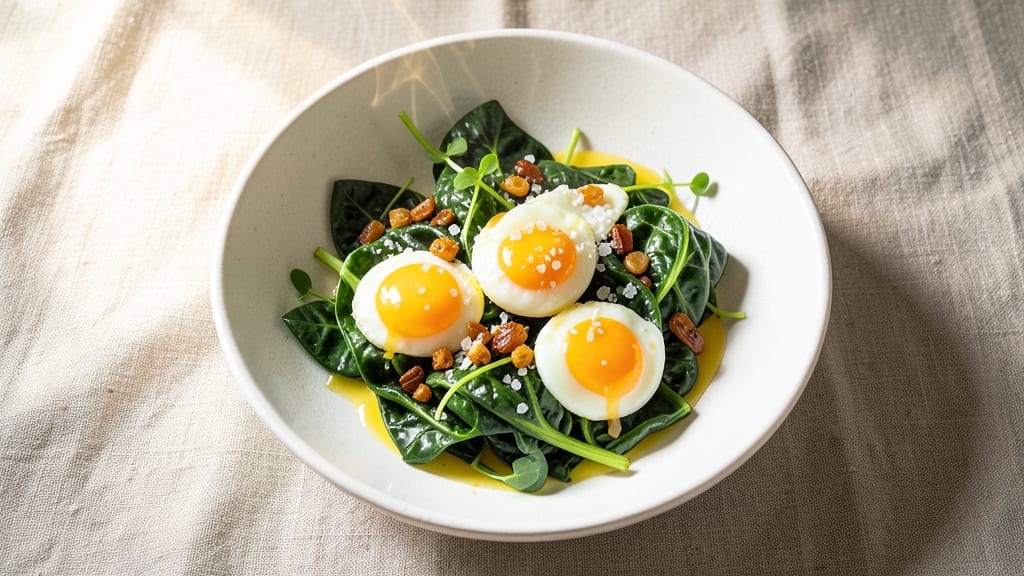
This Swiss chard and egg recipe transforms humble ingredients into a nutrient-packed breakfast that's as vibrant as it is satisfying. The secret lies in properly wilted chard—bright, tender, and packed with iron—that blends seamlessly with fluffy scrambled eggs and a touch of garlic. I developed this after realizing how often restaurant-style egg dishes could be replicated at home with simple techniques and fresh ingredients.
The magic happens in the sautéing process—cooking the chard until just wilted preserves its natural sweetness while removing any bitterness. Adding a splash of lemon juice at the end brightens the flavors, balancing the richness of the eggs.
This dish delivers restaurant-quality results with minimal prep, making it perfect for busy mornings or weekend brunch.
What you'll end up with is a plate of golden scrambled eggs speckled with tender chard, their vibrant green color contrasting beautifully against the creamy egg base.
The texture is perfectly balanced—creamy eggs, tender greens, and a subtle crunch from toasted garlic. It's the kind of breakfast that feels indulgent yet nourishing.
Serve with whole-grain toast for extra staying power, or add a sprinkle of feta for a Mediterranean twist. The recipe scales easily, so you can make enough for leftovers or share with guests. Let's get cooking!
Ingredients for swiss chard egg
Restaurant-quality breakfast starts with these fresh, nutrient-rich ingredients designed for vibrant flavor and balanced nutrition.
| Ingredient | Amount | Notes |
|---|---|---|
| Large Eggs 🥚 | 8 whole | Room temperature for even cooking |
| Swiss Chard 🌿 | 12 oz | Stems removed, leaves chopped |
| Unsalted Butter 🧈 | 3 tbsp | European-style preferred for flavor |
| Garlic Cloves 🧄 | 3 cloves | Minced for aromatic depth |
| Shallots 🧅 | 2 whole | Finely diced for subtle sweetness |
| Lemon Juice 🍋 | 1 tbsp | Freshly squeezed for brightness |
| Extra-Virgin Olive Oil 🫒 | 1 tbsp | For finishing drizzle |
| Diamond Crystal Kosher Salt 🧂 | ½ tsp | Adjust to taste |
| Freshly Ground Black Pepper 🌶️ | ¼ tsp | For subtle heat |
| Crumbled Feta Cheese 🧀 | ¼ cup | Optional Mediterranean finish |
| Whole-Grain Bread 🍞 | 4 slices | For serving |
The Swiss chard is the star—look for bright green leaves with crisp stems, a sign of freshness. Whole Foods or local farmers markets often carry the most vibrant varieties, but any grocery store's produce section will work. Remove the thick stems (they're tough) and chop the leaves finely for even cooking. For extra flavor, toast the garlic cloves lightly in butter before mincing—this deepens their aroma without overpowering. Shallots should be firm and translucent, not shriveled or sprouting. If you can't find shallots, substitute an extra clove of garlic plus a pinch of sugar to mimic their sweetness.
Eggs are non-negotiable for texture—room temperature eggs scramble more evenly. No butter? Olive oil works in a pinch, though it lacks the rich flavor. The feta adds a briny contrast; skip it for a dairy-free version or use vegan feta if needed. Lemon juice should be freshly squeezed—bottled versions lack the bright acidity. For a smoky twist, swap half the butter for smoked butter. If you're short on time, pre-chopped frozen chard works, but thaw and pat it completely dry to avoid excess moisture in your scramble.
Leftover scramble reheats beautifully—just add a splash of milk or water to restore creaminess. Store in an airtight container for up to 3 days in the fridge, or freeze portions for up to 2 months. The chard keeps its vibrant color best when stored stem-down in a sealed container with a paper towel to absorb moisture. For meal prep, make a double batch and portion into containers with toast on the side. The flavors actually improve overnight as the eggs mellow and the chard softens further.
Why You'll Love This Recipe
- One-Pan Magic: I swear by this recipe when I’m too tired to wash dishes—just a skillet, some butter, and 15 minutes later, the chard wilts into crispy perfection while the eggs poach right in the same pan. No extra bowls, no stress.
- Garlic Butter Bliss: That moment when you crack open the eggs into the sizzling chard and shallots? The butter and garlic cloves melt into something so rich, it tastes like you slaved over it for hours. (Between us, I’ve made it at 9 PM after a long day.)
- Lunchbox Hero: Pack these eggs cold for a protein-packed lunch the next day—they hold up better than you’d think, and the chard stays tender. Honestly, my kids actually eat their greens this way (no complaints about "yucky leafy stuff").
- Budget Booster: Swiss chard is cheap, eggs are cheap, and a stick of butter stretches for multiple meals. I’ve fed four people for under $10 with this—plus, it’s one of those recipes where leftovers taste just as good reheated as they do fresh.
Step-by-step instructions for savory Swiss chard and egg scramble
Here's a method that transforms humble greens into a restaurant-worthy dish with perfectly tender eggs and vibrant flavors.
Prep the Vegetables for Maximum Flavor
Begin by finely dicing the 2 whole shallots into small, even pieces—about ⅛-inch in size. This ensures they cook quickly and don't become bitter. In a separate bowl, chop the 12 oz Swiss chard leaves into ½-inch ribbons, discarding any thick stems. The ribbons should be uniform in size so they cook evenly with the eggs.
Next, mince the 3 cloves garlic into a fine paste using the flat side of your chef's knife. The goal is to create a smooth, even distribution that won't burn during cooking. Set all prepped ingredients aside—they'll keep at room temperature while you prepare the eggs.
Cook the Aromatics Until Golden
Heat a 10-inch nonstick skillet over medium heat and add 1 tablespoon extra-virgin olive oil. Once the oil shimmers, add the 3 tablespoons unsalted butter and allow it to melt completely, swirling occasionally to coat the pan evenly. The butter should foam briefly before settling into a smooth, golden liquid.
Add the diced shallots and minced garlic to the skillet, stirring constantly for 3-4 minutes until the shallots soften and turn translucent. You'll notice the garlic releases its signature aroma—this is when it's ready to meet the chard. Reduce heat to medium-low if the shallots begin to brown too quickly, as you want them tender rather than crisp.
Wilt the Swiss Chard Perfectly
Push the shallot mixture to one side of the skillet and add the chopped Swiss chard in batches, allowing each addition to wilt slightly before adding more. This prevents steaming, which makes the greens soggy. Stir frequently for 4-5 minutes until the chard collapses into a vibrant, slightly wilted mass with bright green color.
Season immediately with ½ teaspoon Diamond Crystal kosher salt and ¼ teaspoon freshly ground black pepper. Sprinkle the chard with 1 tablespoon lemon juice and toss gently to distribute. The acidity brightens the greens and balances their earthy flavor. Remove the skillet from heat and set aside for 2 minutes to rest.
Scramble the Eggs to Silky Perfection
Return the skillet to medium heat and crack the 8 whole large eggs directly into the center. Let them sit undisturbed for 10 seconds to allow the edges to begin setting. Using a silicone spatula, gently push the eggs from the edges toward the center, creating soft, creamy curds that fold into one another.
Continue folding the eggs for 2-3 minutes until they reach soft curd stage—just set but still slightly runny in the center. This texture ensures each bite is tender, not rubbery. Off the heat, stir in the ¼ cup crumbled feta cheese until fully melted and evenly distributed. The cheese should disappear into the eggs, adding a briny contrast to the greens.
Assemble and Serve Immediately
Transfer the scramble to warmed plates, dividing the chard and eggs evenly among 4 servings. Drizzle each portion with a thin stream of 1 tablespoon extra-virgin olive oil and sprinkle with an additional pinch of black pepper if desired. The olive oil adds a final layer of richness while keeping the dish light.
Serve alongside the 4 slices whole-grain bread for dipping or as a base. The bread's hearty texture complements the delicate eggs and vibrant chard, creating a balanced meal that's both nutritious and deeply satisfying. Enjoy immediately while the eggs are still warm and the chard retains its bright color.
Pro Tips For Making Swiss Chard Egg
- Wilt Chard in Batches: Swiss chard wilts fast—don’t pile it all in the pan at once. Work in 2-3 bunches at a time so the stems crisp up instead of turning to mush. (Yes, even if you’re impatient like me.)
- Use Room-Temp Eggs: Cold eggs sink to the bottom and cook unevenly. Let them sit out for 20-30 minutes before cracking—this guarantees a consistent set, whether you’re scrambling or poaching. (I learned this the hard way after rubbery yolks.)
- Salt the Butter First: Add a pinch of salt to the melted butter before cooking the shallots and garlic. The butter won’t burn as fast, and the flavor balances the bitterness of the chard. (Sounds weird, but it works.)
- Poach Eggs in Vinegar Water: For perfectly round eggs with no graying whites, add 1 tablespoon of white vinegar to the poaching water. The acid tightens the proteins—no more broken yolks or cloudy edges. (Your future self will thank you.)
Wine and beer pairings for this dish
Bright Whites
This dish pairs beautifully with crisp, aromatic white wines that complement the chard's earthiness and the eggs' richness. A Sauvignon Blanc from New Zealand—like Cloudy Bay—offers zesty citrus notes that cut through the butter and garlic, while its herbal undertones mirror the chard's flavor.
The wine's acidity also cleanses your palate between bites, making each mouthful feel fresh. 🍷
Crisp Rosés
For a lighter option, a dry rosé with Provence origins works wonders. Look for Whispering Angel or Château d'Esclans—both deliver strawberry and melon notes that harmonize with the lemon juice and feta.
The wine's subtle sweetness balances the dish's savory elements without overpowering them. Serve it slightly chilled to enhance its refreshing qualities.
Light Beers
Beer lovers should reach for a crisp lager or pilsner to match this breakfast. A German Helles like Weihenstephaner offers malty sweetness and a clean finish, while a Belgian witbier such as Stella Artois adds a corianander and orange peel brightness that echoes the lemon in the recipe.
Avoid heavy stouts or IPAs—they'll clash with the delicate flavors.
Sparkling Pairings
For a celebratory touch, sparkling wine or champagne elevates the dish to brunch-worthy status. A French Brut like Veuve Clicquot brings brioche and almond notes that complement the eggs, while its effervescence refreshes the palate.
If you prefer something lighter, a Prosecco with its peach and apple undertones pairs surprisingly well with the dish's herbal elements.
Non-Alcoholic Options
Don't overlook sparkling water with citrus—add a splash of lemon or lime juice and a few mint leaves for a palate-cleansing sipper. For something more substantial, try ginger beer (like Feather's) to balance the dish's richness with its spicy kick.
A cold-brewed hibiscus tea with a touch of honey also offers a floral contrast to the savory scramble.
Nutrition facts
Frequently asked questions
Can I use frozen Swiss chard instead of fresh?
Yes, but thaw and drain it thoroughly first! Spread frozen chard on a paper towel to remove excess moisture, then chop as directed. The texture will be slightly softer than fresh, but it still adds great flavor. Avoid using pre-wilted frozen chard—it loses its vibrant color and crunch.
How do I make this recipe vegan?
Replace the eggs with ¼ cup silken tofu blended with ¼ cup unsweetened almond milk and a pinch of turmeric for color. Skip the feta and use vegan butter. The dish will have a softer texture but still delivers the chard's earthy flavor. Serve with toasted sourdough for extra heartiness.
Why does my Swiss chard turn bitter?
Overcooking or using wilted chard causes bitterness. Cook chard for only 4-5 minutes until just tender, and always use fresh leaves. The stems should be removed—they're tough and bitter. If using pre-washed chard, rinse again to remove any preservatives that can enhance bitterness.
Can I make this ahead of time?
Yes, but assemble it last-minute for best results. Store cooked chard and eggs separately in airtight containers for up to 3 days. Reheat gently in a skillet with a splash of water to restore creaminess. For freezing, freeze the chard separately and scramble fresh eggs when ready to eat.
What's the best way to reheat leftovers?
Use low heat in a nonstick skillet with 1 teaspoon butter or olive oil to prevent drying. Add a splash of water or milk to restore moisture. Microwaving works too—cover with a damp paper towel for 20-30 seconds*. The dish reheats best when combined, but separate components reheat more evenly.