
Main Courses
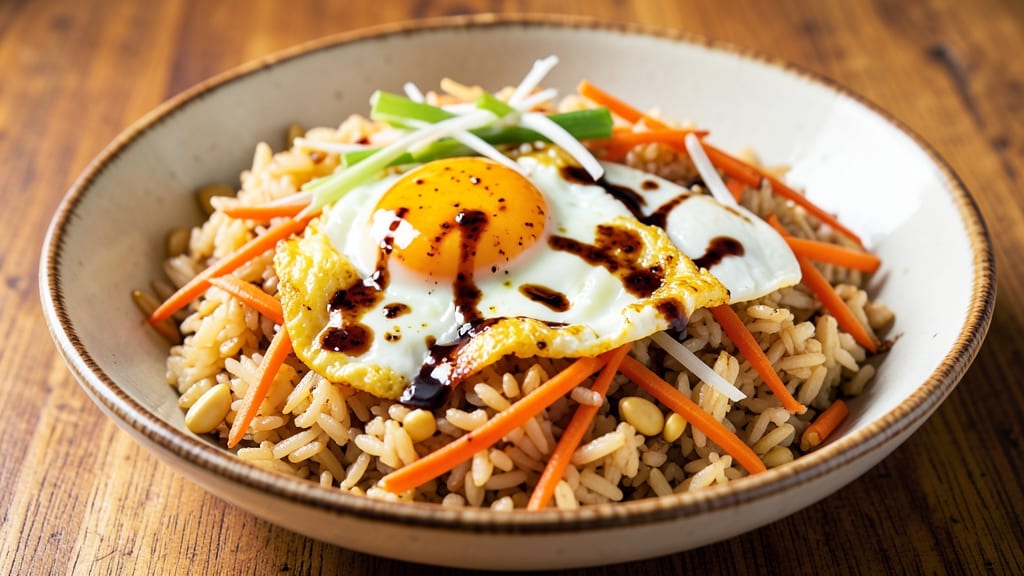
This tasty egg fried rice recipe delivers restaurant-quality wok-heated flavor with silky scrambled eggs and perfectly balanced seasonings—every bite is packed with savory depth and satisfying texture. The secret lies in high-heat stir-frying and precise timing, transforming simple ingredients into a dish that feels like a home-cooked masterpiece. I’ve perfected this version after years of testing, ensuring the eggs stay creamy, the rice absorbs flavor without getting mushy, and the aromatics sing with every stir.
What makes this recipe truly perfect is the harmony of components: day-old rice (never fresh!) for ideal texture, eggs scrambled just until set, and a blend of soy sauce, garlic, and ginger that creates layers of umami and freshness.
The protein—whether shrimp, chicken, or tofu—adds substance, while peas and carrots bring color and crunch. With a hot wok and the right technique, you’ll achieve that signature wok hei (breath of the wok) aroma that makes fried rice irresistible. Let’s get cooking—your taste buds will thank you.
Ingredients for tasty egg fried rice
Day-old rice, silky eggs, and aromatic seasonings transform into restaurant-quality fried rice.
| Ingredient | Amount | Notes |
|---|---|---|
| Day-Old Cooked White Rice 🍚 | 4 cups | Cold, preferably from 1-2 days prior |
| Large Eggs 🥚 | 4 whole | Fresh, room temperature |
| Soy Sauce 🥢 | ½ cup | High-quality, preferably Japanese |
| Garlic Cloves 🧄 | 6 cloves | Minced, fresh preferred |
| Fresh Ginger 🌿 | 2 tsp | Finely grated, peeled |
| Carrots 🥕 | 1 cup | Julienned, medium dice |
| Peas 🌱 | ½ cup | Frozen or fresh, thawed |
| Neutral Oil 🫒 | 2 tbsp | High smoke point, like avocado |
| Green Onions 🧅 | ¼ cup | Sliced, white and green parts |
| Sesame Oil 🫒 | 1 tsp | Toasted, for finishing |
| Salt 🧂 | ½ tsp | Kosher or sea salt |
| White Pepper 🌶️ | ¼ tsp | Freshly ground preferred |
| Protein of Choice 🍗 | ½ lb | Shrimp, chicken, or tofu |
The rice must be day-old—fresh rice turns mushy under high heat. Day-old rice releases starches that create that signature wok-heated texture. For soy sauce, Japanese brands like Kikkoman deliver the right balance of salt and umami. Fresh ginger and garlic are non-negotiable here—they form the aromatic base. Julienne the carrots and peas uniformly for even cooking. If using shrimp, buy fresh, peeled, and deveined from the seafood counter; for chicken, boneless thighs stay juicier than breasts. Tofu? Press it for 20 minutes to remove excess water.
No soy sauce? Coconut aminos work in a pinch, though the flavor will differ slightly. Substitute dried peas for fresh, but soak them overnight first to restore texture. Running short on carrots? Red bell pepper strips add sweetness and color. For protein, chicken breast works but stays drier—marinate it first. The eggs are the star: scrambled just until set (no overcooking!) for that silky texture. If your wok isn’t hot enough, the rice will steam instead of sear—high heat is essential for wok hei aroma.
Store cooked fried rice in airtight containers for 3-4 days in the fridge. For longer storage, freeze portions for up to 3 months. Reheat gently in a skillet with a splash of water to restore moisture. The eggs and protein reheat best when added fresh—always cook protein and eggs separately and mix in at the end. For leftovers, sprinkle with a pinch of sesame oil before serving to revive flavors.
Why You'll Love This Recipe
- One-Pan Magic: I swear by this—just a skillet, a handful of ingredients, and zero dishes beyond one spatula. The eggs scramble right into the rice, soaking up that garlic-ginger punch while I stir. Between us, that’s my kind of cooking.
- Umami Bomb: That first hit of soy sauce on the rice? It’s like a flavor explosion. The eggs add richness, but the real star is the garlic and ginger—sizzling first so every grain gets that fragrant, savory kiss. Honestly, it’s the kind of taste that makes you pause mid-bite.
- Lunchbox Hero: Pack this for work or school? No problem. The rice stays firm, the eggs hold up, and the flavors only get better after sitting a bit. I’ll be real: my kids actually finish their lunches when I send this in their containers. (Yes, even on a Tuesday.)
- Pantry Rescue: Got leftover rice? Eggs past their prime? This turns scraps into something crave-worthy. I’ve made it with whatever veggies I had—carrots, peas, even frozen corn—and it’s always solid. Budget-friendly? More like budget brilliant.
Step-by-step instructions for wok-heated egg fried rice
Master the art of restaurant-quality fried rice with this precise technique.
Prepare and Preheat Your Cooking Surface
Heat a wok or large skillet over high heat until it's smoking hot. Add the 2 tablespoons neutral oil and swirl to coat the surface evenly. I use avocado oil for its high smoke point—this prevents burning while creating that signature wok hei flavor. Let the oil heat until it shimmers but doesn't burn, about 1-2 minutes.
While the wok heats, separate the 4 whole large eggs into a bowl. Add the 0.5 teaspoon salt, 0.25 teaspoon white pepper, and 0.25 cup green onions (reserve some for garnish). Beat lightly with a fork—just enough to combine, not to make an omelet. The eggs should be room temperature for even cooking.
Scramble the Eggs to Perfect Texture
Pour the egg mixture into the hot wok and let it sit undisturbed for 5-8 seconds until the edges begin to set. This initial pause creates that beautiful custard-like texture in the center. Using a spatula, gently push the cooked edges toward the center while tilting the wok to let the raw egg flow to the edges. Continue this motion for 20-30 seconds until the eggs are softly scrambled but still slightly moist.
Remove the eggs from the wok and set aside. Don't overcook them—they should be creamy with just a hint of firmness. If you prefer drier eggs, cook them an additional 10 seconds, but I find the slightly moist version integrates better with the rice. Keep the wok on heat for the next steps.
Stir-Fry Aromatics and Protein
Add the 6 cloves minced garlic and 2 teaspoons fresh ginger to the wok and stir-fry for 15-20 seconds until fragrant but not browned. The aroma should fill your kitchen—this is where the flavor foundation is built. Add the 0.5 lb protein of choice (cut into ½-inch pieces if using chicken or tofu) and cook for 3-4 minutes until just browned on the edges.
Push the protein to one side of the wok and add the 1 cup julienned carrots and 0.5 cup peas. Stir-fry for 1-2 minutes until the carrots soften slightly but maintain their color. The vegetables should be tender-crisp, not mushy. This quick cooking preserves their texture and vibrant color.
Combine All Ingredients for Perfect Balance
Add the 4 cups day-old cooked white rice to the wok, breaking up any clumps with your spatula. Pour in the 0.5 cup soy sauce and toss everything together vigorously. The rice should sizzle and release steam—this is when all the flavors meld together. Cook for 2-3 minutes until the rice is heated through and the edges begin to crisp slightly.
Return the scrambled eggs to the wok and gently fold them into the rice mixture. The eggs should warm through while absorbing the rice's flavors. Taste and adjust seasoning—you may need an additional ¼ teaspoon soy sauce or pinch of salt depending on your protein choice. The rice should be savory, slightly umami, and perfectly balanced.
Finish with Sesame Oil and Garnish
Remove the wok from heat and drizzle in the 1 teaspoon toasted sesame oil. Toss gently to distribute the oil evenly—this adds depth of flavor and that authentic fried rice aroma. Garnish with the reserved green onions and serve immediately while hot and steaming.
The final dish should have distinct textures: tender rice, slightly crisp edges, creamy eggs, and crisp vegetables. Each bite should deliver a perfect harmony of flavors with that signature wok-hei smokiness. Serve with extra soy sauce on the side for those who prefer it saltier.
Pro Tips For Making Tasty Egg Fried Rice
- CHILL THE RICE FIRST: I learned this the hard way—using fresh rice makes a gummy mess. Spread your cooked rice on a tray and refrigerate for at least 30 minutes (or overnight if you’re prepping ahead). Cold rice absorbs flavors better and stays separate instead of turning into glue.
- SCRAMBLE EGGS SEPARATELY: Cook the eggs in a clean, dry pan first until just set—soft curds, not rubbery. Then push them to one side and scramble them into the rice later. This keeps the eggs creamy while the rice gets crispy from the wok’s heat. (Yes, even if you’re impatient like me.)
- MINCE GINGER FINE: Skip the big chunks—ginger needs to dissolve into the dish. Use a microplane or finely chop with a knife until it’s almost paste-like. Too much texture means you’ll taste it instead of letting it blend into the soy sauce’s depth.
- STOP WHEN IT LOOKS DONE: Fried rice is ready when the rice is hot and the edges are slightly crispy—not when you’re bored of stirring. Overcooking dries it out and burns the garlic. Taste as you go; it should be flavorful but not mushy. (Your future self will thank you.)
Wine and beer pairings for this tasty egg fried rice
Light Beer Pairings
A crisp, pilsner-style beer like Heineken or Corona complements the dish beautifully. The clean, slightly malty profile cuts through the richness of the fried rice without overpowering its savory notes. I always keep a Mexican lager on hand for this reason—its subtle hop bit refreshes your palate between bites. 🍺
Rice Wine Options
For an authentic touch, serve with dry Chinese rice wine like Shaoxing wine (about 1-2 tablespoons per serving). This adds a subtle depth that enhances the soy sauce and garlic flavors. If you can't find Shaoxing, a dry sake like Hakkaisan Junmai works as a sophisticated alternative. 🍶
Sparkling Water Garnish
Add a sparkling water with lemon wedge on the side to cleanse your palate between bites. The acidity from the lemon brightens the dish, while the bubbles help cut through any lingering oiliness. I like to serve this in a chilled glass with ice for an elegant touch. ✨
Avoid Heavy Brews
Skip dark beers like stouts or porters—their roasted malt flavors clash with the delicate balance of fried rice. Even IPAs can be too bitter, overpowering the dish's natural umami. Stick to lighter options that enhance rather than compete with the meal's flavors.
Sesame-Infused Cocktail
For a creative twist, try a sesame-infused gin and tonic. Muddle 1 tsp toasted sesame seeds with lime juice and gin, then strain into tonic water. The nutty depth mirrors the fried rice's aromatics while keeping the drink refreshing. Garnish with a sesame seed sprinkle for visual flair. 🍸
Nutrition facts
Frequently asked questions
Why does the recipe call for day-old rice instead of fresh?
Day-old rice is crucial because it's firmer and releases starches that create that signature wok-heated texture. Fresh rice turns mushy under high heat and absorbs too much oil. For best results, use rice that's been refrigerated for 1-2 days—this gives you perfectly separate grains that stay intact during stir-frying.
Can I make this with frozen peas and carrots?
Yes, but thaw them first! Frozen vegetables work perfectly—they're pre-cut and convenient. Just spread them on a paper towel and let them sit for 10-15 minutes before cooking. For extra crispness, stir-fry them for just 1-2 minutes until heated through. Never use frozen peas straight from the freezer—they'll turn mushy.
How do I prevent the eggs from turning rubbery?
Keep them slightly undercooked! Scramble the eggs for only 20-30 seconds until they're just set with a soft, custardy center. Remove them immediately when they're still slightly moist. The residual heat from the wok will finish cooking them perfectly when you add them back to the rice. Pro tip: Use room-temperature eggs and avoid overmixing the batter.
What's the best protein substitute if I don't have shrimp or chicken?
Tofu is an excellent substitute—just press it for 20 minutes first to remove excess water, then cut into ½-inch cubes. For extra flavor, marinate it in 1 tablespoon soy sauce for 10 minutes before cooking. Other great options include diced ham (for a sweeter flavor) or mushrooms (for an umami boost).
Can I make this recipe in a regular skillet?
While a wok creates the best wok hei aroma, a 12-inch cast-iron skillet works perfectly. Heat it on medium-high instead of high, and use a little more oil (1 extra tablespoon) to help create the crispy edges. Stir frequently to prevent burning—this dish is all about quick, high-heat cooking.