
Breakfast & Brunch
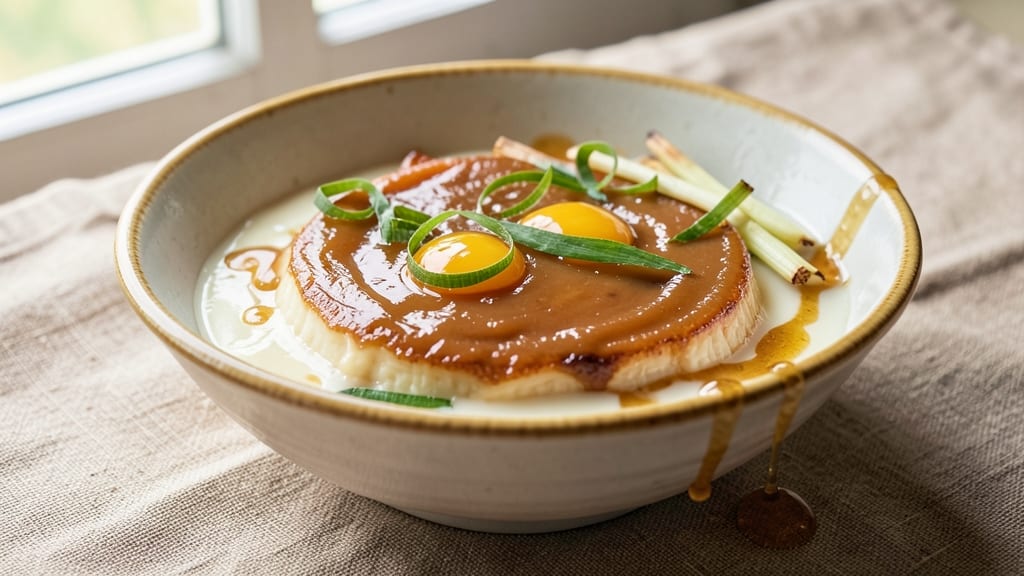
This Thai egg custard recipe transforms a simple egg mixture into a luxurious, fragrant dessert with just 15 minutes of prep and 40 minutes of steaming.
The secret lies in the aromatic blend of coconut milk, lemongrass, and pandan leaves—infusions that create a silky, golden custard with a delicate floral aroma.
I first discovered this recipe during a visit to a Bangkok street vendor, where the custard's smooth texture and subtle sweetness made it impossible to resist.
The process is straightforward yet precise: whisking eggs with sugar until pale, then gently folding in coconut milk and infused aromatics. Steaming over simmering water ensures even cooking without curdling, while the pandan and lemongrass extract deliver that signature Thai fragrance.
What you'll end up with is a custard that's creamy yet light, with a delicate golden hue and a flavor profile that balances sweetness with herbal brightness.
This dish isn't just about taste—it's about presentation too. Served chilled in small bowls with a sprinkle of toasted coconut flakes or a drizzle of palm sugar syrup, it becomes a visually stunning dessert that feels both elegant and comforting.
The texture is what truly sets it apart: silky on the outside, with a tender, custard-like center that melts in your mouth.
Perfect for brunch gatherings or as a light dessert after a spicy Thai meal, this recipe delivers restaurant-quality results with minimal effort. Once you try it, you'll understand why it's a staple in Thai cafes and street food stalls alike. Let's get started on creating this fragrant masterpiece.
Ingredients for thai egg custard
Six eggs, coconut milk, and fragrant herbs create this luxurious Thai dessert masterpiece.
| Ingredient | Amount | Notes |
|---|---|---|
| Large Eggs 🥚 | 6 whole | Room temperature for best whisking |
| Granulated Sugar 🍚 | ¾ cup | White or brown sugar works |
| Full-Fat Coconut Milk 🥥 | 1 ½ cups | Canned, well-shaken |
| Lemongrass Stems 🌿 | 3 whole | Bruised and cut into 1-inch pieces |
| Pandan Leaves 🌿 | 4 whole | Fresh, tied into bundle |
| Palm Sugar Syrup 🍯 | ½ cup | Or substitute 1/2 cup honey |
| Unsalted Butter 🧈 | 2 tbsp | For greasing custard molds |
| Vanilla Extract 🌸 | 1 tsp | Pure vanilla for authentic flavor |
| Toasted Coconut Flakes 🥥 | ¼ cup | For garnish |
| Salt 🧂 | ¼ tsp | Fine sea salt |
The coconut milk is non-negotiable here—full-fat canned gives the richest texture. Thai Kitchen brand is my go-to, but any well-shaken can works. Lemongrass and pandan are the soul of this dish, so don't skimp. Asian markets usually sell fresh pandan leaves in bundles, and lemongrass is often sold in the produce section. If you can't find either, 1 tsp lemongrass paste plus 1 tsp pandan extract will get you close. The eggs should be room temperature—cold eggs won't whisk as smoothly, and that affects the final texture.
No pandan leaves? 1 tsp pandan extract (found in Asian markets) works perfectly. Substituting coconut milk? Heavy cream plus 1/4 cup milk mimics the richness, but you'll lose that authentic Thai aroma. Palm sugar syrup unavailable? Honey or maple syrup works, though it'll taste slightly different. The vanilla extract is optional but recommended—it rounds out the herbal notes beautifully. For the coconut flakes, toast them in a dry pan for 2-3 minutes until golden—they should smell nutty and warm, not burnt.
This custard keeps beautifully—3-4 days in the fridge once chilled. The texture actually improves overnight as flavors meld. For make-ahead prep, steam the custards one day ahead, then refrigerate. Reheat gently in a water bath if needed. The pandan leaves and lemongrass can be frozen for up to 3 months if wrapped tightly. I always make a double batch—one for serving, one to freeze for lazy weeknights. Serve immediately after chilling for that perfect silky texture.
Why You'll Love This Recipe
- No-Fuss Ingredients: I keep a stock of eggs, sugar, and coconut milk anyway—this recipe just adds two stems of lemongrass and a pandan leaf, both of which last forever in the freezer. Honestly, the hardest part is remembering to buy the coconut milk, and even then, I use the rest in smoothies.
- Silky-Smooth Magic: That first spoonful of custard—warm, creamy, with just a whisper of pandan’s floral note and lemongrass’s bright zing—is like a hug in dessert form. The sugar caramelizes at the edges while staying tender inside, and the coconut milk makes it rich without being heavy.
- Breakfast or Dessert: Serve it chilled in the morning with toast and coffee, or warm it up as a late-night treat with a drizzle of honey. My kids beg for it after school snacks, and my partner sneaks seconds when he thinks I’m not looking. (Between us, I do the same.)
- Leftovers That Last: This custard actually tastes better the next day—no sad, watery desserts here. I make a big batch on Sundays, portion it into jars, and keep it in the fridge for quick grab-and-go moments. Plus, the coconut milk stretches the budget further than you’d think.
Step-by-step instructions for Thai egg custard
Here's how to create silky, fragrant Thai egg custard with perfect texture every time.
Infuse the Coconut Milk with Aromatics
In a medium saucepan, combine the 1.5 cups full-fat coconut milk, 3 whole lemongrass stems (bruised and cut into 1-inch pieces), 4 whole pandan leaves (tied into a bundle), and 0.5 cup palm sugar syrup. Bring to a gentle simmer over medium-low heat and let cook for 10-12 minutes until the mixture reduces slightly and develops a rich, fragrant aroma.
The lemongrass and pandan will release their signature floral and citrusy notes into the milk. You'll know it's ready when the liquid smells intensely aromatic and has reduced by about ¼ cup. Strain through a fine-mesh sieve into a clean bowl, pressing gently on the aromatics to extract all the flavor. Discard the solids—no need to waste anything.
Whisk the Egg Mixture to Perfection
In a separate large bowl, whisk together the 6 whole large eggs (at room temperature) and 0.75 cup granulated sugar until the mixture is pale yellow and slightly thickened—about 3-4 minutes of vigorous whisking. This step is crucial for creating a smooth, creamy custard. Add the 1 tsp vanilla extract and 0.25 tsp salt, whisking until fully combined.
Temper the egg mixture by slowly pouring in about ½ cup of the warm coconut milk while whisking constantly. This gradual addition prevents the eggs from curdling. Once incorporated, add the remaining coconut milk mixture and whisk until smooth and homogeneous. The mixture should coat the back of a spoon but still flow easily.
Prepare the Custard Molds
Grease 4 custard molds (or ramekins) thoroughly with 2 tbsp unsalted butter, rubbing it all over the inside surfaces. This ensures the custard releases cleanly and has a rich, buttery finish. Dust lightly with a bit of granulated sugar to create a subtle caramelized crust when baking.
Pour the egg mixture evenly into the prepared molds, filling them about ¾ full. Place the molds in a deep baking dish and pour hot water into the dish until it reaches about ½ inch up the sides of the molds. This creates a water bath that helps the custards cook gently and evenly.
Bake to Silky Perfection
Preheat your oven to 325°F. Bake the custards in the water bath for 40-45 minutes until they're just set but still slightly wobbly in the center. A toothpick inserted should come out clean, but the custard shouldn't be completely firm—it'll finish setting as it cools.
Here's the thing—don't overbake. The custards will continue to set as they cool, and overcooking will make them rubbery. If the tops begin to brown too quickly, tent the molds loosely with aluminum foil. Once done, remove the molds from the water bath and let them cool to room temperature before refrigerating for at least 2 hours.
Serve with Toasted Coconut Flakes
Before serving, run a knife around the edges of the custards to loosen them from the molds. Invert onto serving plates and sprinkle generously with 0.25 cup toasted coconut flakes for a delightful crunch and aroma. The contrast of the silky custard with the toasted coconut adds a perfect textural finish.
Serve chilled, accompanied by a cup of Thai iced tea or fresh mango slices. The custard should be velvety smooth with a delicate balance of sweetness from the sugar and coconut, a hint of floral pandan, and a bright citrus note from the lemongrass. Each bite should melt in your mouth, leaving you craving another spoonful.
Pro Tips For Making Thai Egg Custard
- STEAM THE INFUSION FIRST: Blister the lemongrass and pandan leaves in a dry pan for 30 seconds before adding coconut milk—this bursts their oils and makes the custard smell like a Thai dessert shop. I used to skip this, and the aroma was always half as strong.
- WHISK EGGS COLD: Beat the eggs with sugar over ice water for 5 minutes until ribbons form. Cold eggs emulsify better with coconut milk and give you a silky texture instead of grainy curds. (Yes, even if you're impatient like me.)
- LOW AND SLOW ONLY: Bake at 160°C (320°F) for 40 minutes, not higher—this custard needs to set gently. I learned this the hard way after one batch turned rubbery from too much heat. Use an oven thermometer if yours lies.
- SWEAT THE SUGAR: Dissolve the sugar in coconut milk on the stove until it reaches a gentle simmer (95°C/203°F), then whisk in eggs. This pre-infusion prevents lumps and lets the sugar caramelize slightly for deeper flavor. (Your future self will notice the difference.)
Best sauces and condiments for this recipe
Coconut Palm Syrup
This rich, caramel-like syrup is the star of Thai desserts, adding depth and authenticity. I use Thai Kitchen brand palm sugar syrup (found in Asian markets) for that signature molasses-like sweetness with a hint of smokiness.
For a quick substitute, simmer ½ cup granulated sugar with ¼ cup water and 1 tsp lime juice until syrupy—reduce by half for intensity. 🌿
Lemongrass-Infused Coconut Cream
Blend ½ cup coconut cream (from the can) with 1 tbsp lemongrass paste and ½ tsp pandan extract for an instant aromatic sauce. Drizzle over chilled custard for a bright, citrusy contrast.
For extra richness, warm the sauce gently and swirl it into the custard before serving. This works like a Thai-style crème anglaise! ✨
Toasted Sesame Sauce
For a nutty twist, toast 2 tbsp sesame seeds in a dry pan until golden, then blend with 2 tbsp coconut milk and 1 tsp soy sauce. Drizzle over custard and sprinkle with extra toasted seeds. The umami depth balances the sweetness beautifully—perfect for adventurous eaters. 🌟
Mango-Chili Dipping Sauce
Blend ½ cup ripe mango purée with 1 tsp chili flakes, 1 tsp lime juice, and 1 tsp palm sugar syrup for a sweet-spicy dip.
This sauce cuts through the custard’s richness while adding a tropical kick. Serve on the side for dipping or drizzle lightly over the top. 🌶️
Pandan Coconut Whipped Cream
Whip ½ cup coconut cream (chilled overnight) with ½ tsp pandan extract and 1 tbsp powdered sugar until fluffy. Pipe rosettes over custard for an elegant finish. The floral aroma complements the custard’s herbal notes perfectly—like a Thai-inspired crème brûlée topping. 🥥
Nutrition facts
Frequently asked questions
Why does my Thai egg custard turn out grainy instead of silky?
Over-whisking the eggs or adding cold coconut milk too quickly causes curdling. Always temper the eggs by slowly adding warm coconut milk while whisking constantly. Also, make sure your eggs are room temperature—cold eggs won't blend smoothly. The mixture should be pale yellow and coat the back of a spoon but still flow easily.
Can I make this custard without pandan leaves?
Yes! Use 1 teaspoon pandan extract (found in Asian markets) or substitute with ½ teaspoon vanilla extract plus ½ teaspoon almond extract for a similar floral note. The custard will still taste delicious, though the authentic Thai aroma will be slightly different.
How do I prevent my custards from sticking to the molds?
Grease the molds thoroughly with butter (not oil) and dust with a little sugar before pouring the mixture. Butter creates a better barrier than oil, and the sugar helps form a subtle caramelized crust. Also, make sure your custard is fully chilled before unmolding—this helps it release cleanly.
What's the best way to reheat leftover custard?
Gently reheat in a water bath (place the custard in a heatproof dish set in a pot of simmering water) until warmed through—about 5-7 minutes. Never microwave, as this can make the custard rubbery. For best results, store leftovers in the fridge and reheat only what you need.
Can I use regular sugar instead of palm sugar?
Yes, but the flavor will be slightly different. Palm sugar adds a caramel-like depth, while regular sugar creates a cleaner sweetness. If using regular sugar, reduce the amount by 1 tablespoon to compensate for its higher sweetness. For extra authenticity, add ½ teaspoon molasses to mimic palm sugar's depth.