
Beverages
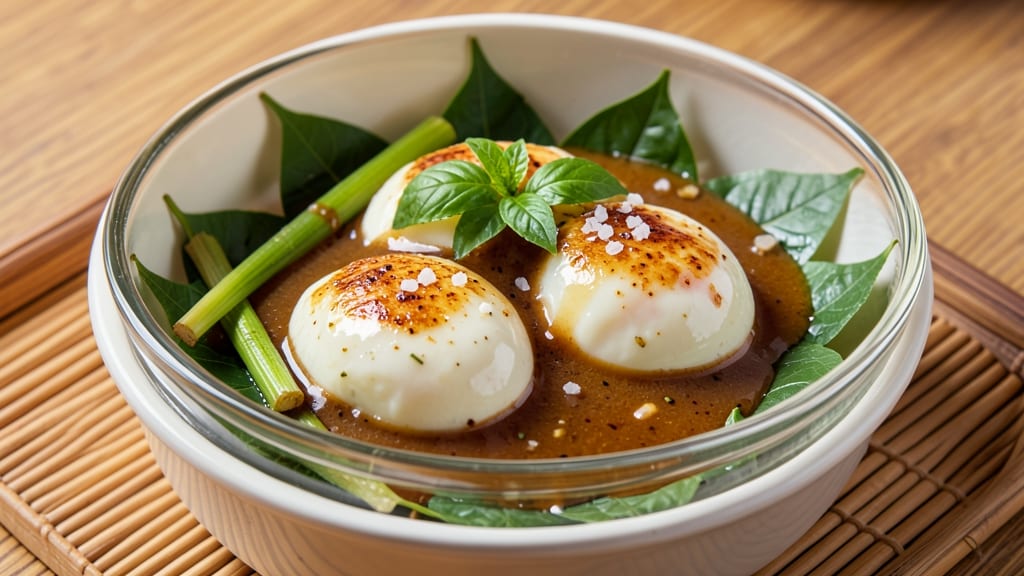
This Thai steamed egg recipe transforms simple ingredients into a silky, fragrant dish that captures the essence of Thai cuisine. The secret lies in blending coconut milk, lemongrass, and kaffir lime leaves to create a delicate, aromatic custard that steams into velvety perfection.
I developed this recipe after years of experimenting with Thai desserts, and it never fails to impress—whether served as a light breakfast, dessert, or elegant appetizer.
The process is surprisingly simple: whisk eggs with coconut milk and aromatic spices, then steam until just set for that signature Thai silky texture. No special equipment is needed beyond a steamer basket and a heat source, making it accessible for home cooks.
The result is a dish that’s both comforting and sophisticated, with a balance of sweet, tangy, and herbal notes that linger on the palate.
What makes this recipe stand out is its versatility—serve it chilled as a refreshing dessert, warm as a light breakfast, or even as a savory appetizer with a sprinkle of chili flakes. The custard’s delicate texture pairs beautifully with crisp rice, fresh herbs, or a drizzle of sweetened coconut sauce.
Each bite delivers a harmonious blend of flavors that transport you to a Thai street-side stall.
The key to success is patience—steaming gently ensures the eggs set perfectly without becoming rubbery. Once mastered, this dish becomes a go-to recipe for special occasions or everyday indulgence. Ready to create your own fragrant, coconut-lemongrass silky delight?
Ingredients for thai steamed egg
Six eggs, aromatic Thai flavors, and gentle steaming transform these simple ingredients into restaurant-quality custard.
| Ingredient | Amount | Notes |
|---|---|---|
| Large Eggs 🥚 | 6 whole | Room temperature for even cooking |
| Full-Fat Coconut Milk 🥥 | 1 cup | Canned, well-shaken for creaminess |
| Lemongrass Stalk 🌿 | 1 whole | Bruised and cut into 2-inch pieces |
| Kaffir Lime Leaves 🍋 | 4 whole | Fresh, stems removed, torn into pieces |
| Palm Sugar 🍯 | ¼ cup | Or light brown sugar substitute |
| White Sugar 🍚 | 2 tbsp | Adjust to taste for sweetness |
| Salt 🧂 | ½ tsp | Diamond Crystal preferred |
| Ground White Pepper 🌶️ | ¼ tsp | Freshly ground for subtle warmth |
| Jasmine Rice 🍚 | 1 cup | Uncooked, for serving base |
| Fresh Thai Chili 🌶️ | 2 whole | Sliced thin for garnish (optional) |
| Fresh Cilantro 🌿 | ¼ cup | Chopped, for garnish |
| Vegetable Oil 🫒 | 1 tbsp | For greasing steamer basket |
The coconut milk is non-negotiable—full-fat canned delivers that signature Thai richness. Thai Kitchen or Aroy-D brand are reliable choices, but any canned coconut milk will work. Lemongrass and kaffir lime leaves are the aromatic soul of this dish; Asian markets carry them fresh year-round, while some well-stocked grocery stores stock them in the freezer section. Palm sugar, if unavailable, can be substituted with light brown sugar, though it will lack the delicate caramel notes. For the eggs, use large eggs at room temperature—cold eggs won't steam evenly, and you'll end up with uneven texture.
No kaffir lime leaves? Substitute 1 tbsp lime zest plus 1 tbsp lime juice, though the flavor won't be identical. Running short on lemongrass? Double the lime zest and add 1 tsp lemongrass paste (found in Asian markets). The chili is optional but recommended—Thai bird's eye chili is ideal, but serrano or jalapeño will work. If you prefer no heat, simply omit it. For the sugar, turbinado sugar adds a lovely texture contrast, though it's harder to dissolve. Always taste the custard mixture before steaming—adjust sweetness and salt to your preference, as these flavors meld beautifully during steaming.
This custard requires patience—steaming too quickly creates rubbery eggs. Use a steamer basket over simmering water, ensuring the water doesn't touch the custard. The dish keeps beautifully for 3 days refrigerated, though it's best enjoyed fresh. For make-ahead convenience, prepare the custard mixture up to 24 hours ahead and refrigerate uncovered, then steam as directed. Garnish with chili and cilantro just before serving to preserve the vibrant colors and fresh flavors. The custard reheats wonderfully—simply steam for 5-7 minutes if chilled.
Why You'll Love This Recipe
- Steam-and-Go Magic: I swear by this recipe because it’s the kind of dish that lets you multitask—just crack eggs into a bowl, mix in coconut milk and lemongrass, and let the steamer do the work. No flipping, no frying, no hovering over the stove like a nervous parent.
- Creamy-Lemony Bliss: That first bite? The eggs soak up the coconut milk’s richness while the lemongrass and kaffir lime leaves add a bright, herbal zing that cuts through the richness. Honestly, it’s the kind of balance that makes me want to eat it straight from the pan.
- Lunchbox Hero: Between us, this is my go-to for packed lunches—steam a batch on Sunday, and you’ve got protein-packed, flavorful meals for days. The eggs stay tender, the coconut milk keeps them moist, and the palm sugar adds just enough sweetness to make it feel like a treat.
- Budget Luxury: Full-fat coconut milk might sound fancy, but a can goes a long way here, and eggs are cheap. Lemongrass and kaffir lime leaves? You’ll use them in other dishes too, so it’s not just this recipe benefiting. (Yes, even on a Tuesday night.)
Step-by-step instructions for Thai steamed eggs
Master this delicate technique for silky, fragrant eggs infused with coconut and lemongrass.
Prepare the Steaming Base
Grease a heatproof steaming basket or colander with 1 tablespoon vegetable oil—this prevents the egg custard from sticking. Line the bottom with 4 whole kaffir lime leaves, torn into pieces, and 1 whole lemongrass stalk, bruised and cut into 2-inch sections. These aromatics will infuse the eggs with their signature floral-citrus depth.
Place the prepared basket over a pot of simmering water, ensuring it doesn’t touch the surface. Bring the water to a gentle boil—medium-high heat—then reduce to a low simmer (small bubbles, not rolling). The steam should rise steadily but not violently; this ensures even cooking without breaking the eggs' delicate texture.
Whisk the Egg Mixture
In a large bowl, whisk the 6 whole large eggs until the yolks and whites are fully combined and the mixture is uniform in color. Add the 1 cup full-fat coconut milk, whisking vigorously to emulsify—this creates the creamy, velvety texture. Stir in the 0.25 cup palm sugar, 2 tablespoons white sugar, 0.5 teaspoon salt, and 0.25 teaspoon ground white pepper until fully dissolved.
Here’s the thing—room-temperature eggs are critical. If they’re cold, they’ll curdle when exposed to the hot steam. If your eggs are straight from the fridge, let them sit at room temperature for 30 minutes before whisking. The mixture should be smooth, slightly thick, and pale yellow—like a thin custard.
Steam the Eggs to Perfection
Pour the egg mixture evenly into the prepared steaming basket, spreading it into a thin, even layer. The goal is ¼-inch thickness—any thicker, and the center won’t cook through properly. Cover the basket with a tight-fitting lid or aluminum foil to trap the steam and prevent evaporation.
Steam over the simmering water for 12-15 minutes—this is where patience pays off. The eggs are done when the edges are set but the center still jiggles slightly like gelatin. If you peek too early, the steam will escape and the eggs may not cook evenly. The top should look smooth and slightly translucent, not dry or cracked.
Serve with Jasmine Rice and Garnishes
Remove the steamed eggs from the basket and let them cool for 5 minutes before slicing into diamonds or rectangles. Serve immediately over 1 cup cooked jasmine rice—the contrast of the fragrant, slightly sticky rice with the silky eggs is essential. Garnish with 0.25 cup chopped fresh cilantro and 2 whole fresh Thai chili, sliced thin for a bright, spicy kick.
For authenticity, drizzle a light sauce of 1 tablespoon coconut milk mixed with a pinch of palm sugar over the top. The eggs should be creamy yet firm, with a delicate coconut-lemongrass aroma that lingers. If the center feels too soft, steam for an additional 2 minutes—but don’t overcook, or they’ll turn rubbery.
Pro Tips For Making Thai Steamed Egg
- PREP LEMONGRASS RIGHT: Split the stalk lengthwise, then pound it with the flat side of your knife—this releases way more aroma than just slicing. I used to skip this and wondered why my eggs tasted flat; now they burst with that bright, citrusy punch.
- SALT THE COCONUT MILK: Stir in a pinch of salt (about ¼ teaspoon) before steaming—it balances the sweetness of palm sugar and rounds out the coconut flavor. After burning through three batches of overly sweet eggs, I finally realized this was the missing piece.
- DON’T OVERSTEAM THE EGGS: Pull them out when the whites are just set but yolks still wobble—oversteaming turns them rubbery. I learned this the hard way when my first attempt came out like sad, gray custard. A toothpick test works: it should slide in clean, not drag.
- USE FRESH KAFFIR LIME LEAVES: Dried leaves lose their floral depth, so grab fresh ones if possible—or at least toast them briefly in a dry pan to wake up their aroma. I was skeptical until I tried it; the difference is like comparing black-and-white to color. Store extras in the fridge wrapped in a damp towel.
Troubleshooting this dish
Eggs Too Rubbery?
Oversteaming is the #1 culprit for rubbery eggs. The key is stopping when the edges are set but the center still jiggles slightly—about 12-15 minutes. If you peek too early, the steam escapes and the eggs won't cook evenly.
I've learned the hard way: set a timer and resist the urge to lift the lid. 🌡️
If your eggs turn out rubbery, don't panic. Place them back in the steamer for 2-3 minutes at a lower heat (just simmering) with 1 tablespoon coconut milk sprinkled on top. The extra moisture helps restore that silky texture.
Custard Too Watery?
A watery custard usually means the eggs weren't cooked long enough or the mixture was too thin. Start by ensuring your eggs are at room temperature—cold eggs won't set properly.
Also, whisk vigorously to fully emulsify the coconut milk, which adds body to the mixture. For extra insurance, steam for the full 15 minutes before checking doneness.
Uneven Cooking?
Uneven cooking often happens when the steaming basket isn't level or the water touches the custard. Always place your basket on a trivet or rack so the bottom doesn't touch the water.
For extra even cooking, spread the egg mixture into an even ¼-inch layer—thicker spots will cook slower. I use a silicone spatula to smooth the surface before steaming.
Lemongrass Not Infusing?
If your eggs lack that signature lemongrass aroma, it's likely because the stalks weren't properly bruised. Bruising releases the essential oils that infuse the eggs. Use a rolling pin or the bottom of a pot to gently crush the lemongrass before cutting it into pieces.
For extra flavor, add 1 teaspoon lemongrass paste (found in Asian markets) to the egg mixture before steaming.
Bubbles or Cracked Surface?
Bubbles or cracks appear when the steam is too intense or the eggs are disturbed during cooking. Maintain a gentle simmer—small bubbles, not rolling—and avoid moving the basket once the eggs are in it.
If you see bubbles forming, cover the basket more tightly with foil to trap the steam. For cracked surfaces, simply steam for an additional 1-2 minutes covered tightly.
Storage Issues?
These steamed eggs keep beautifully in the fridge for 3 days in an airtight container, but they're best enjoyed fresh. If reheating, steam for 5-7 minutes over simmering water until warmed through.
For make-ahead convenience, prepare the custard mixture up to 24 hours ahead and refrigerate uncovered—this helps the aromatics develop even more before steaming.
Nutrition facts
Frequently asked questions
Can I make this recipe without kaffir lime leaves?
Substitute with 1 tablespoon lime zest plus 1 tablespoon lime juice for a similar citrusy brightness. For extra depth, add ½ teaspoon lime extract (found in baking sections). The flavor won't be identical, but it'll still taste delicious.
How do I know when the eggs are perfectly cooked?
The eggs are done when the edges are set but the center still jiggles slightly like gelatin (12-15 minutes). The top should look smooth and slightly translucent—not dry or cracked. If you peek too early, the steam escapes and cooking becomes uneven.
Can I use this recipe for a savory version?
Yes! For a savory twist, reduce sugar to 1 tablespoon and add 1 teaspoon fish sauce or ½ teaspoon soy sauce to the egg mixture. Garnish with sliced scallions and a sprinkle of chili flakes for a Thai-inspired appetizer.
What's the best way to serve these steamed eggs?
These eggs shine over jasmine rice as a light breakfast or dessert. For extra flair, drizzle with a mix of 1 tablespoon coconut milk and ½ teaspoon palm sugar. Pair with fresh herbs like mint or Thai basil for brightness.
Why did my eggs turn out watery?
Watery eggs usually mean they weren't cooked long enough or the mixture was too thin. Ensure eggs are at room temperature and whisk vigorously to emulsify the coconut milk. Steam for the full 15 minutes—the center should jiggle slightly when done.