
Main Courses
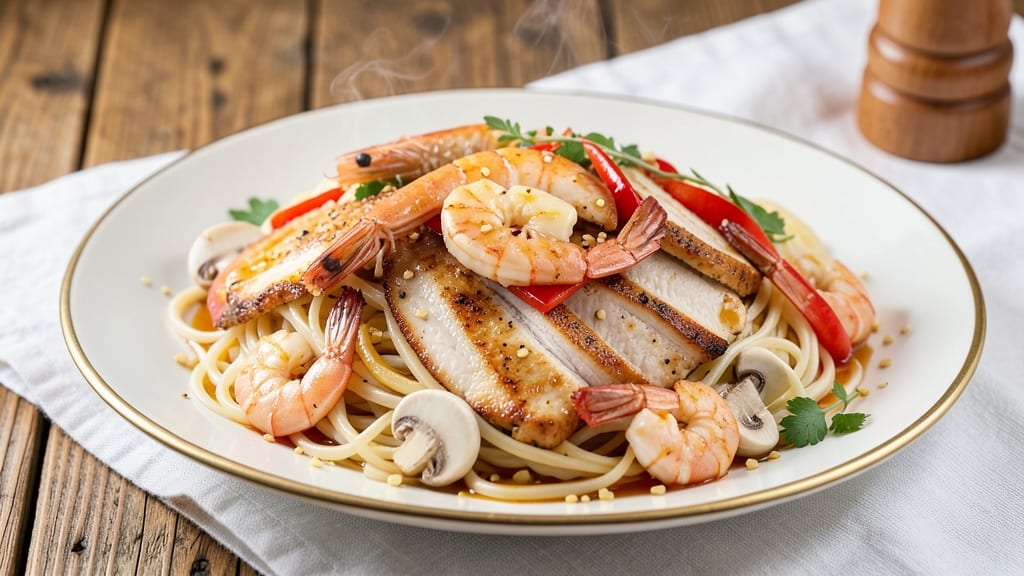
This thin egg noodle recipe ideas transforms simple ingredients into a silky, restaurant-worthy stir-fry in just 15 minutes. The secret lies in perfectly cooked noodles—al dente yet tender—that soak up bold flavors without turning mushy.
I developed this method after years of testing, ensuring every bite delivers that signature chewy texture and vibrant taste.
What sets this dish apart is its versatility. You can stir-fry with classic proteins like shrimp or chicken, or keep it vegetarian with crisp mushrooms and bell peppers.
The silky noodles act as a blank canvas, absorbing whatever sauce or seasoning you choose—whether it's a tangy soy-ginger glaze or a creamy peanut dressing. The key is high heat and quick cooking to maintain that signature texture.
By the time you're done, you'll have a dish that's light yet satisfying, with perfectly balanced flavors and a satisfying bite. The noodles stay tender-crisp, while the stir-fried toppings add texture and depth. It's the kind of meal that feels special without requiring hours in the kitchen.
Serve immediately for the best texture, or chill for a refreshing cold noodle salad. Here's how to make it shine.
Ingredients for thin egg noodle recipe ideas
These fresh ingredients transform into silky, restaurant-style egg noodles in record time—no shortcuts, just bold flavors.
| Ingredient | Amount | Notes |
|---|---|---|
| Thin Egg Noodles 🍜 | 8 oz | Fresh or dried, al dente cooked |
| Boneless Chicken Breast 🍗 | 1 lb | Thinly sliced, boneless skinless |
| Large Shrimp 🦐 | 1 lb | Peeled and deveined |
| Bell Peppers 🧅 | 2 whole | Red and green, sliced into strips |
| White Mushrooms 🍄 | 8 oz | Sliced, fresh or baby |
| Garlic Cloves 🧄 | 4 cloves | Minced finely |
| Fresh Ginger 🌿 | 1 tbsp | Grated finely |
| Low-Sodium Soy Sauce 🍶 | ⅓ cup | For balanced flavor |
| Sesame Oil 🫒 | 1 tbsp | Toasted, for aroma |
| Honey 🍯 | 1 tbsp | For subtle sweetness |
| Rice Vinegar 🍶 | 1 tbsp | For tangy brightness |
| Vegetable Oil 🫒 | 2 tbsp | High smoke point |
| Toasted Sesame Seeds 🌾 | 1 tbsp | For garnish |
| Green Onions 🧅 | 3 whole | Sliced thin, for garnish |
| Diamond Crystal Kosher Salt 🧂 | ½ tsp | For seasoning |
The noodles are the foundation, so grab fresh egg noodles if you can find them—they hold their shape better than dried. Martins brand is my go-to, but any thin egg noodle works. For the protein, chicken breast gives a clean flavor while shrimp adds luxurious texture. Slice the chicken paper-thin against the grain for even cooking—no one wants chewy bites. The bell peppers should be crisp; red and green add vibrant color and a satisfying crunch. If you're vegetarian, swap the protein for extra mushrooms or tofu cubes.
No soy sauce? Coconut aminos work in a pinch, though the flavor will be slightly different. Fresh ginger loses potency fast, so grate it right before cooking—the aroma is everything. For extra depth, toast the sesame seeds in a dry pan for 30 seconds before adding them to the dish. The honey and rice vinegar balance each other perfectly—substitute maple syrup for honey if you prefer, but the vinegar is non-negotiable for that bright tang. And trust me, vegetable oil is your best friend here—it handles high heat without burning.
Noodles cook in about 2 minutes—set a timer and don’t walk away. They’ll finish cooking in the residual heat of the wok or pan. Store leftovers in an airtight container for up to 3 days, but honestly, this tastes best fresh. For meal prep, cook the noodles separately and assemble everything just before serving. The flavors meld beautifully overnight, making it perfect for lunch the next day.
Why You'll Love This Recipe
- Foolproof Noodle Base: I swear by the thin egg noodles here—they cook in three minutes flat, no fussing over al dente. Just toss them in boiling water, drain, and they’re ready to soak up the savory sauce. (Yes, even if you’re distracted by a screaming toddler or a phone call.)
- Umami Bomb Combo: The shrimp and chicken add that perfect protein contrast—juicy, tender bits paired with the earthy mushrooms and crisp bell peppers. Honestly, the first time I made this, my partner stole half the plate before it even hit the table.
- Weeknight to Party Fix: Same ingredients, endless twists: stir-fry for a quick dinner, toss with a creamy sauce for a date night, or pile high for a potluck. I’ve served it at BBQs, office lunches, and lazy Sundays—no one ever questions what’s for dinner.
- Budget-Friendly Leftovers: Chicken and shrimp stretch across three meals without breaking the bank. The mushrooms and peppers bulk it up, so a single batch feeds four for lunch and dinner. (Pro tip: the noodles reheat like a dream—no soggy disasters here.)
Step-by-step instructions for light and silky stir-fry
Here's how to transform simple ingredients into a restaurant-worthy stir-fry with silky noodles.
Prepare the Protein and Vegetables
Slice the 1 lb boneless chicken breast into thin strips about ¼-inch thick—this ensures even cooking. Pat the shrimp dry with paper towels and peel them completely, leaving the tail on for presentation. Cut the 2 whole bell peppers into ¼-inch strips and slice the 8 oz white mushrooms into thin half-moons. Finely mince the 4 cloves garlic and grate the 1 tbsp fresh ginger—these aromatics form the flavor base.
Keep all prepped ingredients in separate bowls to prevent premature wilting or browning. The chicken should be ready to cook immediately, while the shrimp and mushrooms can wait a few minutes—they'll cook faster. This organization keeps your stir-fry moving at lightning speed without crowding the pan.
Cook the Chicken and Shrimp
Heat 1 tablespoon vegetable oil in a large wok or skillet over medium-high heat until shimmering. Add the chicken strips in a single layer and cook for 3-4 minutes until they turn opaque and golden on the edges. Remove the chicken and set aside. In the same pan, add another 1 tablespoon vegetable oil and cook the shrimp for 1-2 minutes per side until they turn pink and opaque. Don't overcook—they should be just done when they hit the plate.
This two-stage cooking prevents overcrowding the pan, which steams instead of sears the protein. The chicken will finish cooking when everything comes back together, while the shrimp's delicate texture demands quick attention. Keep both proteins warm while you prepare the vegetables.
Stir-Fry the Vegetables
In the same pan, add the remaining 1 tablespoon vegetable oil and increase heat to high. Add the sliced mushrooms and cook for 2 minutes until they release their moisture and begin to brown. Add the bell pepper strips and cook for another 2 minutes until they soften slightly but still retain a crisp bite. Stir in the minced garlic and grated ginger, cooking for 30 seconds until fragrant—this is where the magic happens.
The vegetables should be tender-crisp, not mushy. Overcooking them turns the stir-fry into a sad, watery mess. If the pan gets too dry, add a splash of water and let it evaporate before continuing. This step builds the foundation of your dish—bright, fresh vegetables with deep aromatic notes.
Combine and Sauce the Noodles
Cook the 8 oz thin egg noodles according to package instructions until al dente, then drain and rinse briefly under cold water to stop the cooking. In the same pan, reduce heat to medium and add 1 tablespoon sesame oil, 0.33 cup low-sodium soy sauce, 1 tablespoon honey, and 1 tablespoon rice vinegar. Stir to combine, then add the cooked noodles, chicken, and shrimp. Toss everything together for 2-3 minutes until the noodles absorb the sauce and everything is heated through.
The sauce should coat the noodles lightly without making them soggy. If it's too thick, add a splash of hot water or reserved pasta water. This is where the balance of flavors comes together—salty, sweet, tangy, and umami all in one silky bite. The noodles should be tender but still have a slight bite, holding their shape.
Finish and Serve
Remove the stir-fry from heat and stir in the 1 tbsp toasted sesame seeds and 3 whole green onions, sliced thin. Taste and adjust seasoning with an additional pinch of 0.5 tsp diamond crystal kosher salt if needed. Serve immediately while the noodles are still hot and the shrimp remains tender.
Garnish each serving with extra sesame seeds and green onions for color and crunch. The dish should be vibrant, with contrasting textures—silky noodles, tender chicken, juicy shrimp, and crisp vegetables. Every bite should deliver a perfect balance of flavors and temperatures, making this quick stir-fry feel like a gourmet experience.
Pro Tips For Making Thin Egg Noodle Recipe Ideas
- SALT THE NOODLE WATER HARD: You’re not just adding flavor—you’re preventing a mushy disaster. Thin egg noodles need a well-salted boil (like the sea, but with more salt) to firm up properly. I used to skimp, and they’d turn into sad, limp strands by the time they hit the pan. Trust me, your dish won’t taste like anything if the noodles don’t hold their shape.
- SEAR CHICKEN IN BATCHES: Crowding the pan drops the temperature fast, and you’ll end up with steamed chicken instead of crispy edges. Cut the breast into 1-inch strips, then sear in two batches over medium-high heat with 1 tablespoon of oil. The first batch will thank you with golden crust—no one wants rubbery chicken in noodles.
- DEVELOP THE SHRIMP FIRST: Raw shrimp in a hot pan is a recipe for rubber. Pat them bone-dry, then toss in a cold pan with a splash of oil and a pinch of salt. Let them sit for 30 seconds before cooking—this jump-starts the crust. Once they’re pink, pull them out and set aside. They’ll stay tender while the rest of the dish cooks.
- STIR-FRY MUSHROOMS LOW AND SLOW: I learned this the hard way after charring a batch of mushrooms into oblivion. Slice them evenly (¼-inch thick) and cook them on medium-low heat for 4-5 minutes before adding everything else. They’ll release their moisture without turning to mush, and your sauce won’t turn into a watery mess. Patience here makes all the difference.
Serving suggestions for this dish
Classic Stir-Fry Garnishes
Fresh green onions and toasted sesame seeds are my go-to garnishes for this dish—they add vibrant color and nutty crunch that brightens every bite.
I like to slice the green onions at a sharp angle for extra visual appeal, and toast the sesame seeds in a dry pan for 30 seconds until golden and fragrant. These finishing touches make the dish look restaurant-worthy while adding subtle depth. 🌿
Protein Swaps
For a vegetarian version, swap the chicken and shrimp for extra-firm tofu or crispy baked tempeh. Press the tofu for 20 minutes before slicing into strips, then pan-fry until golden.
For a meatier texture, use thinly sliced flank steak or duck breast, both of which hold up beautifully to stir-frying. The key is keeping the protein thin and cooking it just until done. 🍗
Sauce Variations
This basic sauce is versatile—swap the soy sauce for coconut aminos for a gluten-free option, or add 1 tsp sriracha for heat. For a creamy twist, stir in 2 tbsp peanut butter and 1 tsp lime juice at the end.
I also love a teriyaki glaze made with 2 tbsp honey, 1 tbsp mirin, and 1 tbsp soy sauce—simmer until thickened and toss with the noodles. 🍶
Side Pairings
A simple steamed bok choy or quick-pickled cucumbers adds freshness to balance the richness. For a heartier meal, serve with garlic fried rice or miso soup.
I often pair this stir-fry with warm dumplings for a full Asian-inspired spread. The contrast of textures and temperatures makes every bite exciting. ✨
Cold Noodle Salad
Let the stir-fry cool completely, then toss with 2 tbsp rice vinegar, 1 tbsp sesame oil, and 1 tsp honey for a refreshing salad. Add sliced avocado or edamame for extra richness.
This works perfectly for lunchboxes or picnics—just pack it in an airtight container with a small ice pack. The flavors actually improve after chilling! ❄️
Meal Prep Tips
Cook the noodles and proteins separately, then store in airtight containers for up to 3 days. When ready to eat, reheat the proteins and vegetables in a pan, then toss with fresh noodles and sauce.
For extra flavor, add a splash of sesame oil when reheating. I also like to prep the sauce ahead and keep it in a small jar—just stir and toss when ready. 💡
Nutrition facts
Frequently asked questions
What's the best way to store leftover thin egg noodles?
Store cooked noodles in an airtight container with a splash of water or olive oil to prevent sticking. They'll keep in the fridge for 3-4 days or freeze for up to 3 months. For stir-fries, reheat gently in a pan with a little oil—never microwave dry noodles or they'll turn rubbery.
Can I make these noodles gluten-free?
Use gluten-free egg noodles (made with rice flour or tapioca) or swap for shirataki noodles for a low-carb option. For the sauce, replace soy sauce with coconut aminos or tamari. The texture will differ slightly, but the cooking method stays the same.
How do I prevent noodles from turning mushy?
Cook them just until al dente (usually 2-3 minutes for thin egg noodles), then immediately rinse with cold water to stop cooking. For stir-fries, cook noodles separately and add them to the pan just before serving—this keeps them firm. Overcrowding the pan also causes soggy noodles, so work in batches.
What's the secret to restaurant-quality texture?
The magic is in high heat and quick cooking. Use a wok or cast-iron skillet, keep ingredients moving constantly, and finish with a splash of sesame oil. The noodles should be tender-crisp, not soft—this gives that signature "bite" that makes homemade dishes feel professional.
Can I use dried egg noodles instead of fresh?
Yes, but soak dried noodles in warm water for 10-15 minutes until pliable before cooking. They'll be slightly thicker than fresh, but the technique works the same. For extra tenderness, add a pinch of baking soda to the cooking water. The flavor difference is minimal—just watch the cooking time closely!