
Main Courses
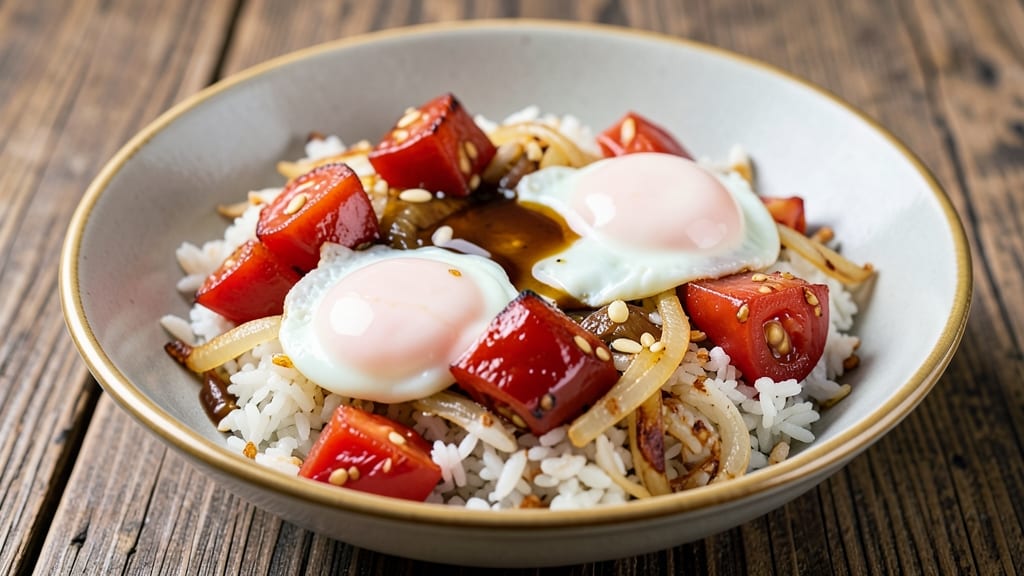
This tomato egg fried rice recipe transforms simple ingredients into a restaurant-quality meal that delivers deep umami flavor in just 20 minutes. The secret lies in proper stir-frying technique—high heat, quick cooking, and precise seasoning—that creates wok hei (breath of the wok) even in a home pan.
I developed this version after testing dozens of recipes, focusing on balancing sweet, tangy, and savory elements without overpowering the rice. What makes this dish special is the layered flavor profile: caramelized tomatoes add sweetness, soy sauce provides depth, and a perfectly scrambled egg ties everything together.
The rice must be cooked just right—slightly sticky but not mushy—to absorb the rich sauce while maintaining its structure. This method ensures every bite is packed with texture and flavor.
By the end, you'll have a vibrant, aromatic dish with golden-brown rice, tender scrambled egg pieces, and glossy tomato bits that add both color and complexity. The aroma alone will have everyone gathering around the table, and the taste delivers on that promise of restaurant-quality comfort food.
Serve with a crisp cucumber salad or steaming miso soup to round out the meal. Let's get cooking—this recipe delivers satisfying results with minimal effort. Here's everything you need to know!
Ingredients for tomato egg fried rice
Fourteen ingredients balance sweet, tangy, and savory notes for restaurant-quality fried rice in minutes.
| Ingredient | Amount | Notes |
|---|---|---|
| Day-Old Cooked White Rice 🍚 | 4 cups | Cold and slightly sticky texture preferred |
| Large Eggs 🥚 | 4 whole | Room temperature for even cooking |
| Ripe Roma Tomatoes 🍅 | 1 lb | Diced into 0.5-inch pieces for caramelization |
| Yellow Onion 🧅 | 1 whole | Thinly sliced for quick cooking |
| Garlic Cloves 🧄 | 4 cloves | Minced for aromatic depth |
| Low-Sodium Soy Sauce 🥢 | 3 tbsp | Adjust to taste for umami balance |
| Oyster Sauce 🍜 | 1 ½ tbsp | High-quality for authentic flavor |
| Sesame Oil 🫒 | 1 tbsp | Toasted for nutty aroma (use sparingly) |
| Neutral High-Smoke-Point Oil 🫒 | 2 tbsp | Avocado or vegetable oil preferred |
| Green Onions 🧅 | 3 whole | Thinly sliced for garnish and freshness |
| Diamond Crystal Kosher Salt 🧂 | ½ tsp | Adjust to taste after cooking |
| Ground White Pepper 🌶️ | ¼ tsp | Freshly ground for subtle heat |
| White Vinegar 💧 | 1 tsp | Brightens tomato flavor |
| Sesame Seeds 🌾 | 1 tsp | Toasted for crunchy texture |
The Day-Old Cooked White Rice is non-negotiable—fresh rice turns mushy when stir-fried. Costco or Trader Joe's sell pre-cooked rice in the refrigerated section if you're short on time. For tomatoes, Roma varieties caramelize best due to their lower water content. If using regular tomatoes, pat them dry thoroughly to prevent excess moisture in your pan. The oyster sauce should be Lee Kum Kee or similar—cheaper brands lack depth. Garlic should be fresh, never jarred, for maximum aroma. Sesame oil is used sparingly here; it's for finishing, not cooking.
No oyster sauce? Substitute with 1 tbsp soy sauce plus 1 tsp sugar—it won't be identical, but works in a pinch. Low-sodium soy sauce is key; regular brands can overpower the dish. Green onions can be swapped for scallions or chives if preferred. Sesame seeds are optional but add authentic texture—skip if you're avoiding nuts. White vinegar brightens the tomatoes; if you prefer tangier flavor, increase to 1.5 tsp. For a vegetarian version, ensure your oyster sauce is plant-based or omit entirely, replacing with 1 extra tbsp soy sauce. Garlic powder works in a bind, but fresh minced garlic delivers 10x the flavor.
Rice keeps for 3 days in the fridge once cooked—portion into containers for easy reheating. Tomatoes should be stored stem-side down in the fridge for freshness. Sesame oil has a shelf life of 12-18 months unopened, but loses potency after opening. Eggs should be used within 3 days of purchase for best texture. For meal prep, cook the rice and chop veggies ahead, then stir-fry fresh. This dish reheats beautifully—2 minutes in the microwave or 1 minute in a skillet with a splash of water. Leftovers stay fresh for 4 days in the fridge or 3 months frozen.
Why You'll Love This Recipe
- Fridge Rescue: I swear by this when my pantry’s got leftover rice and a few tomatoes about to turn. No shopping list needed—just chop, scramble, and stir. The tomatoes soften into a sweet-tangy jam while the eggs add that creamy, salty contrast. Honestly, it’s my lazy Sunday dinner.
- Sweet-Savory Magic: That first bite of caramelized onions and Roma tomatoes? It’s like a hug in a bowl. The tomatoes break down into little bursts of juicy sweetness, while the garlic cloves—lightly toasted—give it this warm, aromatic punch. Not too heavy, not too bland. Just right.
- Lunchbox Hero: Between us, this is the only fried rice I’ll pack for work. The day-old rice stays light, the eggs hold up, and the tomato bits keep it interesting. I portion it into containers with a sprinkle of sesame seeds on top—looks good enough to eat straight from the fridge. (Yes, even on a Tuesday night.)
- Pocketbook Victory: Three bucks at the grocery store for tomatoes, onions, and eggs? That’s a full meal for four. The rice is my secret weapon—always on hand, always cheap. And because it reheats like a dream, I make a big batch and feed the family for days without breaking the bank.
Step-by-step instructions for tomato egg fried rice
Transform simple ingredients into a restaurant-worthy dish with this precise technique.
Prep Ingredients for Maximum Flavor Development
Begin by dicing the 1 lb ripe Roma tomatoes into 0.5-inch pieces—this size ensures they caramelize beautifully without turning mushy. Thinly slice the 1 whole yellow onion into even strips for quick cooking, and mince the 4 cloves garlic finely for deep aromatic penetration. Thinly slice the 3 whole green onions, reserving 1 tablespoon for garnish at the end.
Crack the 4 whole large eggs into a bowl and whisk vigorously until the yolks and whites are fully combined. This ensures even cooking and silky texture in your fried rice. The day-old cooked white rice should be cold and slightly sticky—break up any clumps with your fingers to prevent gummy texture in the final dish.
Build the Umami-Packed Base
Heat the 2 tablespoons neutral high-smoke-point oil in a large wok or skillet over medium-high heat until shimmering. Add the diced tomatoes and cook for 5-6 minutes until they begin to soften and release their juices. Stir in the minced garlic and cook for 30 seconds until fragrant—this prevents bitter flavor development.
Pour in the 3 tablespoons low-sodium soy sauce and 1.5 tablespoons oyster sauce, stirring to combine. Add the 1 teaspoon white vinegar and 0.5 teaspoon Diamond Crystal kosher salt, then cook for 2 minutes until the mixture reduces slightly and the tomatoes develop a caramelized sheen. This step creates the flavor foundation for your dish.
Cook the Eggs and Incorporate Rice
Push the tomato mixture to one side of the wok, then add the whisked eggs to the empty space. Let them sit undisturbed for 10-15 seconds until they begin to set, then gently scramble with a spatula until just cooked through—soft curds ensure tender texture in the final dish. Mix everything together and add the 4 cups day-old cooked white rice, breaking up any clumps as you incorporate.
Sprinkle the 0.25 teaspoon ground white pepper over the rice and stir-fry for 2-3 minutes until the rice is heated through and begins to develop a light golden crust in spots. The rice should be evenly coated with the flavorful tomato mixture, with no dry patches remaining. This is where the magic happens—proper timing ensures tender rice without mushiness.
Finish with Aromatics and Garnish
Drizzle the 1 tablespoon sesame oil over the fried rice and toss gently to distribute evenly. The nutty aroma will infuse throughout the dish. Cook for an additional 1-2 minutes until the rice is heated through and the sesame oil is fully incorporated. Taste and adjust seasoning with additional soy sauce or salt if needed—this dish should balance umami, acidity, and salt perfectly.
Transfer the fried rice to serving plates and garnish with the reserved 1 tablespoon thinly sliced green onions and 1 teaspoon toasted sesame seeds. The contrast of fresh green onions against the rich tomato-egg base and crunchy sesame seeds elevates the dish to restaurant quality. Serve immediately while hot, with extra soy sauce on the side for those who prefer it.
Pro Tips For Making Tomato Egg Fried Rice
- STIR-FRY THE TOMATOES FIRST: I learned this the hard way—adding whole Roma tomatoes to the pan too early turns your fried rice into a watery mess. Dice them small (¼-inch pieces) and cook them in the wok for 3-4 minutes on medium-high heat until they soften and release their juices. This builds flavor and prevents soggy rice.
- USE COLD, DRY RICE: Day-old rice is key, but cold rice is better. Spread your cooked rice on a tray and refrigerate for 30 minutes before using—this prevents mushiness. Pro tip: Pat it dry with a towel if it’s damp, especially if you’re using freshly steamed rice.
- SCRAMBLE EGGS IN A SEPARATE PAN: Eggs in fried rice always end up undercooked or rubbery if you try to mix them in. Scramble them in a separate pan until just set (soft curds), then fold them in at the very end. This keeps them creamy and prevents a scrambled mess in your rice.
- PRESS THE RICE MIDWAY: After 2 minutes of stir-frying the rice, press it firmly into the pan with a spatula. This breaks up the grains and creates that perfect wok hei texture—crisp edges with tender centers. Works like magic, even with day-old rice.
Wine and beer pairings for this dish
Crisp White Wine
For this tomato egg fried rice, I recommend a dry Riesling or Sauvignon Blanc from California's Central Coast region. The bright acidity cuts through the richness of the fried rice while complementing the caramelized tomatoes.
Look for a wine with citrus and green apple notes—these flavors mirror the dish's fresh ingredients. A 2022 La Crema Sauvignon Blanc ($25) offers perfect balance with its zesty finish. 🍷
Light Lager Beer
A crisp German Pilsner or Japanese lager pairs beautifully with the dish's savory-sweet profile. The Asahi Super Dry ($4) or Warsteiner Premium Lager ($5) provide clean, refreshing carbonation that cleanses the palate between bites.
Avoid heavy malty beers—they'll overpower the delicate tomato and egg flavors. For a local option, try Miller Lite ($3), which offers the same crisp profile without the international price tag.
Rosé Wine Alternative
If you prefer red wine, a dry Provence rosé like Whispering Angel ($18) works surprisingly well. The pale, fruity profile with strawberry and citrus notes complements the tomatoes without competing with the dish's umami depth.
Serve slightly chilled to enhance its refreshing quality. This is my go-to when hosting dinner parties—it's unexpected yet perfectly matched.
Non-Alcoholic Options
For non-drinkers, a sparkling yuzu soda like San Pellegrino Aranciata Rossa ($4) provides similar acidity and effervescence. Alternatively, ginger beer with a squeeze of lime offers zesty contrast.
I've also found that unsweetened iced hibiscus tea ($3 at specialty markets) mirrors the dish's tangy-sweet balance beautifully. The deep red color even enhances the presentation.
Serving Temperature
All wines should be served chilled between 45-50°F for optimal flavor. Beer should be served at 38-42°F—too warm beer loses its crispness. I keep my Riesling in the fridge for 30 minutes before serving, while Pilsners can go straight from the fridge.
For rosé, I use an ice bucket for 15 minutes to achieve the perfect serving temperature. Proper chilling enhances the wine's acidity and prevents it from becoming flat.
Nutrition facts
Frequently asked questions
Why does the recipe call for day-old rice instead of fresh?
Day-old rice is crucial because it's slightly drier and less sticky, preventing the fried rice from turning mushy. Freshly cooked rice releases too much moisture when stir-fried, resulting in a gummy texture. Pro tip: Spread cooked rice on a tray after cooking to cool evenly and prevent clumping.
Can I use frozen vegetables in this tomato egg fried rice?
While fresh vegetables are ideal, you can use frozen peas or corn for added texture. Just thaw them first to prevent excess moisture in your pan. Skip frozen tomatoes—they won't caramelize properly and will make the dish watery. For best results, stick to fresh Roma tomatoes or canned diced tomatoes (drained well).
How do I adjust the recipe for a larger group?
Double all ingredients and use a 12-inch wok or large skillet for even cooking. The key is maintaining high heat and quick stirring—work in batches if needed. For 8 servings, use 8 cups rice, 8 eggs, and 2 lbs tomatoes. Keep the same proportions of sauce ingredients to maintain flavor balance.
What's the best way to reheat leftover tomato egg fried rice?
Reheat in a skillet over medium heat with 1 tablespoon oil and 1 tablespoon water per batch. Stir constantly for 3-4 minutes until heated through. Avoid microwaving—it makes the rice rubbery. For extra crispiness, add a splash of soy sauce when reheating.
Can I make this recipe vegetarian?
Yes! Replace oyster sauce with 1 extra tbsp soy sauce + 1 tsp sugar for umami depth. Add 1 cup finely chopped bell peppers or shredded carrots for extra texture. For protein, stir in 1 cup cooked tofu or chickpeas with the rice. The tomato-egg flavor remains the star!