
Soups & Stews
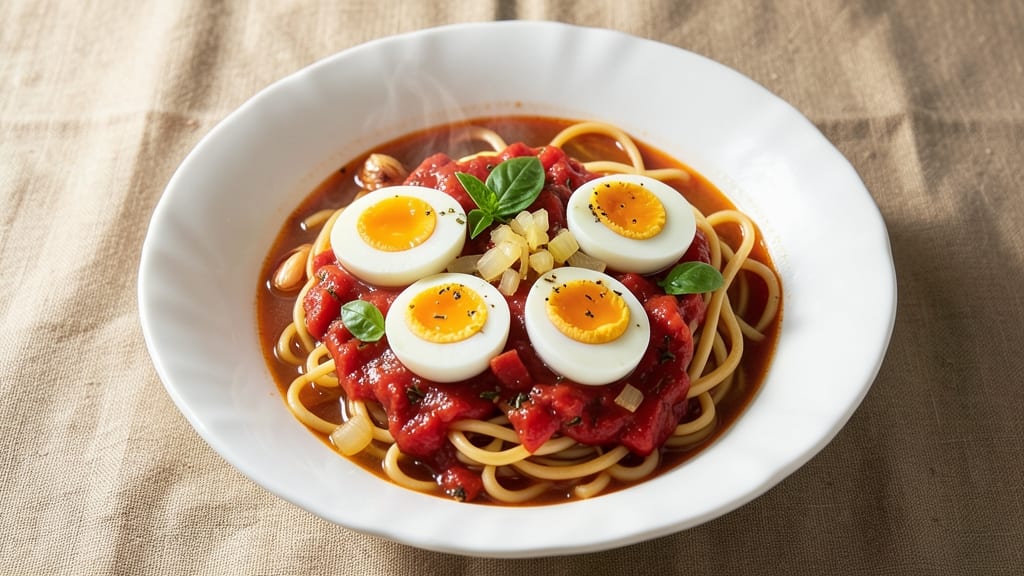
This tomato egg noodle soup recipe delivers the kind of heartwarming comfort that turns a chilly evening into a cozy ritual. 💛 The secret lies in perfectly tempered eggs that ribbon into delicate strands, paired with a rich tomato broth that simmers until deeply flavorful. After years of perfecting this dish, I've learned the little details that make all the difference—like simmering the broth just long enough to develop depth without losing sweetness, and cooking the noodles until they're tender but still hold their shape.
The beauty of this recipe is its balance—savory tomato broth meets the subtle richness of egg ribbons, while egg noodles provide the perfect textural contrast.
I've included a foolproof method for tempering the eggs so they dissolve into silky strands rather than curdling, a technique that's simpler than it sounds once you understand the science behind it.
The result is a bowl of soup that's both comforting and elegant, with each spoonful offering layers of flavor and texture.
What makes this recipe truly special is its versatility. You can keep it classic with just tomato, chicken broth, and a touch of soy sauce, or add modern twists like chili oil for heat, fresh herbs for brightness, or even a splash of coconut milk for creaminess.
The broth develops even more flavor as it sits, so making a big batch means you'll have delicious leftovers for days. It's the kind of soup that feels like a hug in a bowl, perfect for when you need something nourishing and comforting.
Ready in under an hour, this tomato egg noodle soup is perfect for busy weeknights or when you're craving something warm and satisfying. The key is patience—letting the broth simmer, the noodles cook just right, and the eggs temper perfectly.
Once you try this version, you'll never go back to store-bought again. Let's get cooking!
Ingredients for tomato egg noodle soup
These simple ingredients transform into the coziest tomato egg noodle soup you'll ever make.
| Ingredient | Amount | Notes |
|---|---|---|
| Large Eggs 🥚 | 6 whole | Room temperature for tempering |
| Egg Noodles 🍝 | 8 oz | Fresh or dried, any width |
| Canned Tomato Sauce 🍅 | 2 cups | San Marzano preferred for sweetness |
| Chicken Broth 💧 | 4 cups | Low-sodium, homemade or store-bought |
| Yellow Onion 🧅 | 1 whole | Medium size, diced small |
| Garlic Cloves 🧄 | 3 cloves | Fresh, minced finely |
| Olive Oil 🫒 | ¼ cup | Extra-virgin for richness |
| Soy Sauce 🥢 | 1 tbsp | Light or dark, to taste |
| Salt 🧂 | 1 ½ tsp | Kosher or sea salt |
| Black Pepper 🌶️ | ½ tsp | Freshly ground preferred |
| Chili Oil 🔥 | 1 tbsp | Optional, for heat |
| Fresh Basil 🌿 | ¼ cup | Chopped, for garnish |
| Parmesan Cheese 🧀 | ¼ cup | Freshly grated, optional |
The eggs are the star here—room temperature is key for perfect tempering. Pasture-raised eggs from the grocery store's refrigerated section (like Organic Valley) give the best results, but any large eggs will work. The broth matters too—if you're using store-bought, Pacific Foods or Swanson low-sodium options are my go-tos. For the tomato sauce, San Marzano cans are worth the splurge—they're sweeter and less acidic, which keeps the soup balanced. The noodles? Fresh egg noodles from the refrigerated section (like Barilla) add richness, but dried works in a pinch.
No soy sauce? Worcestershire sauce at half the amount works in a pinch, though it adds a deeper umami. Short on garlic? Garlic powder at one-third the amount gets you close, but fresh is definitely better. The chili oil is optional but adds that perfect kick—La Choy is the easiest to find at regular grocery stores. Fresh basil is ideal, but dried basil at one-fourth the amount works if you're in a hurry. For the Parmesan, grate it yourself—pre-grated gets clumpy and ruins the texture. And if you're feeling fancy, a splash of coconut milk at the end adds creaminess without dairy.
Broth keeps for 3-4 days in the fridge, and the noodles cook in just 3-4 minutes, so you can prep ahead and finish quickly. Store leftovers in airtight containers for up to 5 days. The eggs temper best when added to hot (not boiling) broth—keep the pot at a gentle simmer. For extra comfort, double the batch and freeze portions. This soup tastes even better the next day as the flavors meld together—trust me, you'll want leftovers.
Why You'll Love This Recipe
- Pantry Magic: I swear by this one when I’ve got nothing but a can of tomato sauce and a few basics. No fresh herbs? No problem—the salty-sweet depth of the canned sauce and a splash of broth do all the heavy lifting. Honestly, I’ve made it with just those five ingredients and still ended up with something that felt like a hug in a bowl.
- Two-Ingredient Upgrade: That’s right—just eggs and noodles transform this from basic to oh-wow. The poached eggs add this silky, rich finish that makes it feel fancy, even though the rest is simple. I’ll be real: my kids fight over the last bite, and I haven’t even added cheese yet.
- Lunchbox Hero: Between us, this is my go-to for meal prep. The noodles hold up in containers, the broth stays flavorful for days, and I can pack it cold or reheat it—no one complains. (Yes, even on a Tuesday night when I’m scrambling.) Plus, the eggs stay intact if you’re not reheating, so it’s basically a no-fuss bento box.
- Budget Blanket: A can of tomato sauce, a carton of eggs, and a box of noodles? That’s less than $10 for a week’s worth of leftovers. I’ve fed four people for under $3 with this—no fancy labels, no waste. And if I double the batch, I’ve got soup for lunch the next day while I’m still full from dinner. Solid.
Step-by-step instructions for tomato egg noodle soup
This soup delivers restaurant-quality comfort in your own kitchen—silky egg ribbons and rich tomato broth that'll warm you up instantly.
🍳 Step 1: Sauté Aromatics Until Fragrant
Heat the 0.25 cup olive oil in a large pot over medium heat. Add the diced yellow onion and cook for 5 minutes until softened and translucent. Here's the thing—you'll know it's ready when the onion stops sizzling and starts to smell sweet.
Add the 3 cloves minced garlic cloves and cook for 30 seconds until fragrant—don't let it brown or it'll turn bitter. Stir in the 2 cups canned tomato sauce and 1 tbsp soy sauce, letting it simmer for 3 minutes to meld the flavors. This base is your soup's soul, so take your time here.
🥘 Step 2: Build the Rich Broth
Pour in the 4 cups chicken broth and bring to a gentle boil. Add 1.5 tsp salt and 0.5 tsp black pepper, then reduce heat to medium-low. Let it simmer uncovered for 10 minutes—this lets the flavors deepen and any excess liquid reduce slightly. You'll see the broth turn a beautiful ruby red and smell like pure comfort.
Taste and adjust seasoning if needed. I like to add a splash more soy sauce here if the tomato flavor needs balancing. The broth should be seasoned like the ocean—salty, savory, and full of character.
🍳 Step 3: Cook the Noodles Al Dente
Add the 8 oz egg noodles to the simmering broth and cook for 8-10 minutes, stirring occasionally, until they're al dente—firm to the bite but cooked through. Don't overcook them or they'll turn mushy. You'll know they're ready when they float to the surface and a quick taste confirms they're tender but still have a little bite.
Real talk: If you're using fresh egg noodles, they'll cook faster—about 6-8 minutes. Dried noodles take the full time. Keep stirring gently to prevent sticking, especially at the bottom where they tend to clump.
🍳 Step 4: Temper and Add the Egg Ribbons
While the noodles cook, prepare the eggs: Crack the 6 whole large eggs into a bowl. Ladle 1 cup of hot broth from the pot into the eggs while whisking constantly—this is tempering, and it's crucial for silky ribbons instead of scrambled eggs. Keep whisking until the mixture is completely smooth and slightly thickened.
Slowly pour the tempered egg mixture back into the pot, stirring continuously. The residual heat from the broth will gently cook the eggs into delicate ribbons. Keep stirring for 2-3 minutes until the eggs are just set but still silky. Remove from heat immediately—overcooking turns them rubbery.
🔥 Step 5: Finish and Serve Warm
Return the pot to low heat and stir in the 1 tbsp chili oil (if using), 0.25 cup chopped fresh basil, and 0.25 cup freshly grated Parmesan cheese. Let it heat through for just 1 minute—this lets the flavors meld without breaking up the egg ribbons. Taste and adjust seasoning one last time.
Ladle the soup into bowls immediately and serve with extra Parmesan and basil on the side. The contrast of creamy egg ribbons against the rich tomato broth is pure magic. Each spoonful delivers that perfect balance of comfort and umami that makes this soup legendary.
Pro Tips For Making Tomato Egg Noodle Soup
- Boil Eggs Soft, Not Scrambled: I learned this the hard way—overcooked eggs turn into gray mush in soup. Use a separate pot of water to poach them for exactly 6 minutes (for runny yolks) or 7 minutes (for slightly firmer), then shock in ice water before slicing. Cold water stops the cooking instantly, so they stay creamy when they hit the broth.
- Sweat the Onion Low and Slow: Skip the sizzle—cook the diced onion in the broth over medium-low heat until it’s translucent and just starting to caramelize (about 8-10 minutes). High heat burns it fast, and you’ll taste that bitter edge in every spoonful. Patience here makes the whole soup richer.
- Add Noodles Last, Stir Immediately: Dumping raw noodles into hot broth and walking away is a rookie move. They’ll clump like glue. Toss them in when the soup is simmering, then stir constantly for the first 30 seconds to separate them. If you’re using thick egg noodles, give them 2-3 minutes less than the package says—they’ll finish cooking in the hot soup.
- Balance the Tomato Sauce: Canned tomato sauce is salty and acidic by default. Taste it before adding to the broth—if it’s briny, dilute with a splash of water or broth first. For depth, add a pinch of sugar (½ teaspoon) to cut the acidity, then finish with a squeeze of lemon or a dash of red pepper flakes. The goal? A soup that doesn’t taste like a can of tomatoes.
Storing and reheating this tomato egg noodle soup
Broth Storage Secrets
Store your finished broth in an airtight container (I love Pyrex glass containers) and refrigerate for up to 4 days. The flavors actually deepen overnight, so it tastes even better the next day.
For longer storage, freeze portions in quart-sized freezer bags—leave 1 inch headspace to prevent expansion cracks. Label with the date since frozen broth keeps for 3 months at peak quality. 💧
Noodle Prep Ahead
Cook your egg noodles just 1 minute less than package instructions suggest, then immediately shock them in ice water to stop cooking. Drain and store in an airtight container with a splash of olive oil to prevent sticking.
They'll reheat perfectly in 2 minutes when added back to hot broth. This trick saves time on busy days! 🍲
Egg Tempering Shortcut
If reheating leftovers with egg ribbons, skip tempering—just whisk 1 extra egg with 2 tbsp broth and stir into the pot for 1 minute on low heat. The residual warmth will create fresh ribbons.
For extra insurance, add a pinch of salt to help the eggs emulsify smoothly. This works best with room-temperature eggs from the fridge. ✨
Reheating Leftovers
For best texture, reheat soup on the stovetop over medium-low heat for 5-7 minutes, stirring occasionally. Avoid microwaving—the uneven heating can make noodles mushy. If the soup seems thick, add 1-2 tbsp broth or water to restore consistency.
Taste and adjust seasoning—reheated tomato soup often needs a pinch more salt or soy sauce. 🔥
Freezer-Friendly Tips
Freeze soup in single-serving portions for easy grab-and-go meals. When reheating from frozen, add ½ cup broth to the pot and simmer for 10 minutes, stirring occasionally.
The extra liquid prevents scorching and helps restore the original texture. For egg ribbons, add them fresh after reheating to maintain their silky quality. 🧊
Garnish Refresh
Brighten reheated soup with fresh garnishes—chopped basil, grated Parmesan, or a drizzle of chili oil. These add vibrant colors and flavors that elevate even reheated bowls.
Save garnishes separately in small containers and add them just before serving to keep everything fresh. A sprinkle of black pepper also wakes up flavors beautifully. 🌿
Nutrition facts
Frequently asked questions
Why do the eggs turn into ribbons instead of scrambling?
The secret is tempering! You slowly mix hot broth into the eggs while whisking to raise their temperature gradually. This gentle heat creates silky strands rather than curdling. The key is constant stirring—once the eggs hit the pot, keep moving them for 2-3 minutes until just set.
Can I make this soup vegetarian?
Replace the chicken broth with vegetable broth and use vegan egg substitutes like silken tofu or aquafaba (chickpea brine) for the ribbons. For extra richness, stir in 1 tbsp nutritional yeast at the end. The tomato flavor still shines while keeping it plant-based.
How do I fix mushy noodles?
Mushy noodles usually mean overcooking. For future batches, cook them 1-2 minutes less than package instructions. If it happens, drain the soup and return it to the pot with ½ cup fresh broth, simmering for 3-4 minutes to restore texture. Add fresh noodles if needed—2 minutes of cooking will firm them up.
What if my broth tastes too acidic?
Tomato sauce can be acidic, but simmering helps balance it. Add ½ tsp sugar or 1 tsp honey to sweeten, or stir in 1 tsp balsamic vinegar for depth. For extra umami, a splash of soy sauce (another ½ tbsp) works wonders. Taste as you go—adjust gradually!
Can I add meat to this recipe?
Yes! Brown 4 oz ground pork or ½ lb shredded rotisserie chicken with the onions, then proceed as directed. For heartier versions, add ½ cup diced mushrooms or 1 shredded carrot when sautéing aromatics. Just reduce broth by ½ cup to maintain balance.