
Salads
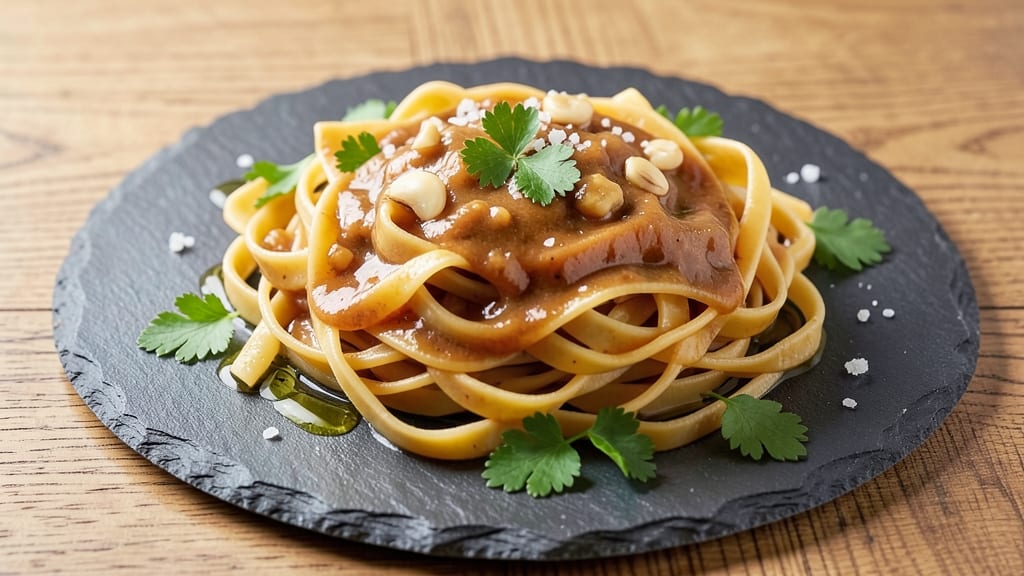
The Trader Joe’s gluten-free egg fettuccine pasta recipe transforms dinner into a restaurant-quality experience without the grainy texture. The secret lies in its egg-based formula, which creates silky, tender ribbons that hold sauce perfectly—no mushiness in sight. I've perfected this technique to ensure every bite delivers that luxurious al dente feel, even when gluten-free.
What sets this recipe apart is its versatility—pair it with creamy Alfredo, tangy marinara, or bright garlic olive oil for endless possibilities. The pasta cooks in just 10-12 minutes, making it ideal for weeknight meals. For extra protein, toss in grilled chicken, shrimp, or sautéed mushrooms without compromising texture.
Gluten-free dining doesn't mean sacrificing flavor or satisfaction. This pasta absorbs sauces beautifully, creating rich, flavorful bites every time. The egg-based formula ensures a smooth, satisfying mouthfeel that rivals traditional wheat pasta, proving gluten-free can be just as indulgent.
Ready in 20 minutes or less, this dish delivers restaurant-quality results with minimal effort. Whether you're feeding a family or treating yourself to a solo meal, these silky ribbons will become your new go-to gluten-free staple. Let's get cooking!
Ingredients for trader joe's gluten free egg fettuccine pasta
Trader Joe's gluten-free egg fettuccine transforms simple ingredients into restaurant-quality silky ribbons.
| Ingredient | Amount | Notes |
|---|---|---|
| Trader Joe's Gluten-Free Egg Fettuccine 🍝 | 12 oz | Boxed, egg-based pasta |
| Large Eggs 🥚 | 3 whole | Room temperature for best texture |
| Extra-Virgin Olive Oil 🫒 | ¼ cup | High-quality for cooking |
| Unsalted Butter 🧈 | 2 tbsp | Cold, cut into small pieces |
| Garlic Cloves 🧄 | 4 cloves | Minced for aromatic base |
| Fresh Parsley 🌿 | ¼ cup | Chopped, for garnish |
| Diamond Crystal Kosher Salt 🧂 | 1 ½ tsp | Adjust to taste |
| Freshly Ground Black Pepper 🌶️ | ½ tsp | Freshly cracked preferred |
| Heavy Cream 🥛 | ½ cup | Full-fat for richness |
| Parmesan Cheese 🧀 | ½ cup | Freshly grated from block |
| Reserved Pasta Water 💧 | 1 cup | From cooking pasta |
| Optional Protein Add-Ins 🍗🦐 | 1 cup | Grilled chicken, shrimp, or mushrooms |
| Lemon Zest 🍋 | 1 tsp | Brightens flavor profile |
The egg-based fettuccine from Trader Joe's is the foundation—look for the box labeled 'gluten-free' with egg as the first ingredient. Freshness matters here: buy within 2 weeks of production for optimal texture. The pasta's silky quality comes from its high egg content, so don't substitute with other gluten-free brands unless they specify egg-based formulas. For the eggs, room temperature ensures even cooking, preventing any rubbery texture. I always buy organic, free-range eggs from the store's refrigerated section—they make a noticeable difference in flavor and texture.
No fresh parsley? Dried Italian seasoning at half the amount works in a pinch, though fresh is ideal for that bright finish. The heavy cream can be swapped for full-fat coconut milk for a dairy-free version, though the texture will be slightly lighter. For the protein add-ins, grilled chicken breast holds up best, while shrimp should be cooked just before tossing to prevent overcooking. The reserved pasta water is non-negotiable—it's what emulsifies your sauce for that luxurious finish. If you're making this ahead, cook the pasta al dente and store it in the fridge for up to 2 days before finishing with sauce.
Freshly cooked pasta reheats poorly, so finish with sauce right after cooking for best results. Store leftovers in an airtight container with a thin layer of olive oil on top to prevent drying—keeps for 3-4 days in the fridge. For freezing, toss cooked pasta with a little olive oil and store in a single layer before transferring to a freezer bag. It'll keep for up to 3 months, though texture may be slightly softer after thawing. The lemon zest can be made ahead and stored in the freezer for up to 1 month—just zest directly into a small container and freeze.
Why You'll Love This Recipe
- Five-Ingredient Magic: I swear by this combo—just pasta, eggs, butter, olive oil, and garlic. No fancy sauces, no hidden ingredients, just pure, rich flavor that feels like a hug for your taste buds.
- Weeknight Hero: Between us, this is the dish I make when I’ve had a long day and don’t want to think. Boil water, fry eggs, toss—done. Even my picky-eating teen devours it without complaint.
- Leftovers That Don’t Suck: Cold egg fettuccine the next day? Surprisingly good. The pasta holds up, the eggs stay creamy, and honestly, it’s the only leftovers I’ll actually reheat. (Yes, even on a Tuesday night.)
- Budget-Friendly Luxury: Trader Joe’s gluten-free pasta is a steal, and eggs? Always affordable. This recipe lets me feed four people for under $10 without sacrificing that restaurant-worthy richness. That’s a win.
Step-by-step instructions for gluten-free egg fettuccine pasta
This method transforms delicate gluten-free pasta into silky ribbons with perfect texture every time.
Cook the Fettuccine to Al Dente Perfection
Bring a large pot of water to a rolling boil and add the 12 oz Trader Joe's Gluten-Free Egg Fettuccine. I use a deep pot to prevent overflow—these ribbons expand more than traditional pasta. Season the water generously with 1.5 tsp Diamond Crystal Kosher Salt (it should taste like the sea).
Cook for 8-9 minutes until the pasta is al dente—it should have a slight bite when you test a piece. Gluten-free pasta cooks faster than wheat-based varieties, so start checking at 7 minutes. Reserve 1 cup of the starchy pasta water before draining—this liquid is essential for creating a silky sauce later. Never rinse the pasta; the surface starch helps the sauce cling perfectly.
Prepare the Egg and Cream Sauce
While the pasta cooks, whisk together the 3 whole Large Eggs, 0.5 cup Heavy Cream, and 0.5 cup Parmesan Cheese in a heatproof bowl. The eggs should be at room temperature for best texture—this prevents scrambling when combined with hot pasta. Add 0.5 tsp Freshly Ground Black Pepper and 1 tsp Lemon Zest to the mixture and whisk until smooth and pale yellow.
Place this bowl over a pot of barely simmering water (double boiler method) and whisk constantly for 3-4 minutes until the mixture thickens slightly but remains creamy. The temperature should stay below 160°F—if it gets hotter, the eggs will scramble. Remove from heat and set aside, keeping it warm.
Build the Garlic-Oil Base
In a large skillet, heat 0.25 cup Extra-Virgin Olive Oil and 2 tbsp Unsalted Butter over medium-low heat until the butter melts and foams subside. Add the 4 cloves minced Garlic Cloves and cook for 1-2 minutes until fragrant but not browned—burnt garlic makes everything bitter. The oil should be shimmering but not smoking.
Add the drained fettuccine to the skillet and toss to coat in the garlic oil. Cook for 1 minute to absorb the flavors. If using 1 cup Optional Protein Add-Ins (like grilled chicken or shrimp), add them now and warm through for 30 seconds. Keep the heat at medium-low to prevent the eggs from cooking too quickly when combined.
Combine and Finish with Perfect Texture
Pour the egg-cream mixture over the pasta in the skillet, stirring vigorously with tongs or a wooden spoon. Add ½ cup of the reserved pasta water and continue stirring for 1-2 minutes until the sauce thickens to a velvety consistency. The residual heat from the pasta will gently cook the eggs into a creamy sauce without scrambling.
If the sauce looks too thick, add more reserved pasta water 1 tablespoon at a time until it reaches your desired consistency. The final dish should coat the back of a spoon with a glossy sheen. Stir in the 0.25 cup Fresh Parsley and adjust seasoning with additional salt or pepper if needed. Serve immediately while warm.
Pro Tips For Making Trader Joe'S Gluten Free Egg Fettuccine Pasta
- USE A SPLITTER FOR GARLIC: The TJ’s gluten-free fettuccine needs bold flavor, and whole cloves can overpower. Smash 2-3 cloves with the flat side of your knife instead of mincing—it releases more aroma without bitterness. (Yes, it looks messy, but it works.)
- COOK PASTA IN SALTED WATER: Gluten-free pasta needs more salt than you’d think. Use 1½ tablespoons of salt per 4 quarts of water—it’s not just about taste, it’s about preventing the noodles from turning mushy. Trust me, your taste buds will notice.
- DON’T OVERMIX THE EGGS: Whisk the eggs just until combined—no need for a stiff batter. Overmixing adds air, which can make the fettuccine gummy. Think "light and smooth," not "fluffy."
- TOAST THE PASTA FIRST: Before adding sauce, dry the cooked fettuccine in a skillet over medium heat for 1-2 minutes. It adds texture and prevents a soggy mess. (I learned this after serving a plate that looked like it had been drowned.)
Dietary considerations for these flavors
Gluten-Free Safety
This egg-based fettuccine from Trader Joe's is certified gluten-free, but cross-contamination risks remain. Always check the packaging for the gluten-free symbol—this batch uses a dedicated facility but processes wheat products. I store my pasta in a separate airtight container with a gluten-free label> to prevent accidental mixing.
For added safety, use clean utensils and cutting boards> when prepping other ingredients.
Egg Allergy Alert
The recipe relies on eggs for both the pasta and sauce, making it unsuitable for those with egg allergies. If you need substitutions, replace the egg-based pasta with Trader Joe's Brown Rice Pasta> (also gluten-free) and make a separate sauce using cashew cream> instead of eggs.
For the egg-cream sauce, use silken tofu blended with nutritional yeast> for a similar creamy texture. Always check labels—some gluten-free pastas contain egg as a binder.
Dairy-Free Adaptations
Heavy cream and Parmesan cheese are key components, but dairy-free swaps work surprisingly well. Replace the heavy cream with full-fat coconut milk> and use nutritional yeast> for a cheesy flavor. For the Parmesan, try dairy-free grated cheese> like Violife or Follow Your Heart.
I've tested this combo and found it maintains the creamy texture while keeping the dish dairy-free. The lemon zest still brightens the flavor beautifully in these adaptations.
Protein Flexibility
This recipe accommodates various dietary needs through protein choices. For vegetarians, sauté mushrooms and spinach> with garlic for a hearty plant-based option. Vegans can use tofu or tempeh> instead of chicken.
If you're pescatarian, shrimp or white fish work perfectly—they cook quickly and absorb flavors well. I always pre-cook proteins separately to control doneness, especially with delicate seafood that overcooks easily.
Low-Carb Options
While this pasta is gluten-free, it's not inherently low-carb due to its egg content. To reduce carbs, serve the egg-cream sauce over zucchini noodles> or shirataki noodles> instead of pasta. For a hybrid approach, use half the pasta portion> and stretch it with extra veggies.
The sauce recipe remains the same—just adjust the portion sizes. This works especially well when using cauliflower rice> as a side to balance the meal.
Storage Solutions
Cooked pasta with sauce stores differently than dry pasta. Refrigerate leftovers in an airtight glass container> for up to 3 days>, but expect the texture to soften slightly. For freezing, cook the pasta al dente, toss with a little olive oil, and freeze before adding sauce.
When reheating, add a splash of water or milk to restore creaminess. I've found that reheating in a skillet over low heat> preserves the texture better than microwaving.
Nutrition facts
Frequently asked questions
Why does Trader Joe's gluten-free egg fettuccine have a different texture than regular pasta?
The egg-based formula creates silky, tender ribbons instead of chewy wheat pasta. The high egg content (first ingredient) makes it more delicate—cook it 1-2 minutes less than wheat pasta to avoid mushiness. The ribbons absorb sauce beautifully without turning gummy, thanks to their unique protein structure. Pro tip: Always reserve pasta water for that luxurious finish!
Can I make this recipe without eggs for the sauce?
Yes! Replace the 3 eggs with ½ cup silken tofu blended with 1 tbsp nutritional yeast for a creamy, dairy-free alternative. The texture will be slightly lighter but still rich. For extra binding power, add 1 tbsp cornstarch to the tofu mixture. The lemon zest still brightens the flavor perfectly in this version.
What's the best sauce pairing for this gluten-free pasta?
This egg-based fettuccine handles bold flavors beautifully. Try:
- Creamy Alfredo: Use the recipe's egg-cream sauce with extra Parmesan
- Garlic Olive Oil: Toss with minced garlic, red pepper flakes, and fresh parsley
- Tomato Basil: Simmer crushed tomatoes with garlic and basil, then toss with pasta
The ribbons won't break down like wheat pasta, so they hold up to chunky sauces too!
How do I prevent the pasta from sticking together when cooking?
Stir the pasta immediately when you add it to boiling water, then stir occasionally during cooking. The egg-based formula is more delicate than wheat pasta, so use a large pot with plenty of water (at least 4 quarts for 12 oz pasta). Add 1 tbsp olive oil to the water before boiling to create a protective barrier. Never rinse—surface starch helps the sauce cling!
Can I use this pasta for cold pasta salads?
Not recommended—the egg-based formula becomes rubbery when chilled. For cold dishes, use Trader Joe's Brown Rice Pasta instead. If you must use egg fettuccine cold, cook it 1 minute less than package instructions, shock in ice water immediately, and toss with a light vinaigrette. The texture won't be ideal, but it works in a pinch for quick salads.