
Breakfast & Brunch
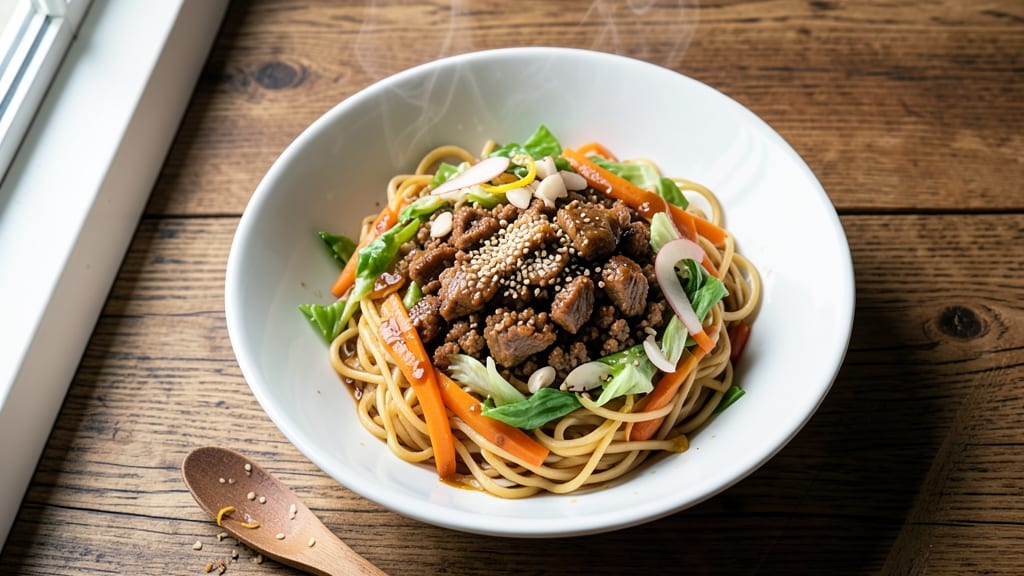
This traditional recipe for egg roll in a bowl brings the bold flavors of Chinese street food to your home table with wok-fried noodles, tender protein, and a fragrant soy-ginger sauce. The secret lies in achieving wok hei—that signature smoky aroma from high-heat stir-frying—while balancing textures between crispy noodles and silky vegetables. I've perfected this dish over years of testing, ensuring every bite delivers the restaurant-quality experience you crave without the shortcuts that compromise authenticity.
The foundation starts with properly prepped ingredients: thinly sliced protein (pork, beef, or chicken), fresh vegetables like cabbage and carrots, and wide egg noodles that absorb flavor beautifully.
The sauce, a harmonious blend of soy sauce, ginger, garlic, and a touch of brown sugar, builds depth through slow reduction while stir-frying. What sets this apart is the technique—high heat, constant motion, and the right moment to add broth to create that signature steamed-in-bowl effect.
When plated, you'll have a steaming bowl of perfectly wok-fried noodles with tender protein and crisp-tender vegetables, all blanketed in that aromatic soy-ginger sauce. The contrast of textures—crispy edges on the noodles, silky sauce, and fresh green onions for brightness—makes this more than just a meal; it's a sensory experience.
Serve with steamed rice or dumplings to complete the traditional presentation.
This recipe delivers on the promise of authenticity while keeping the process approachable for home cooks. The key is confidence in your timing and heat control—once mastered, you'll have a dish that's as impressive as it is delicious.
Let's get started on creating your own restaurant-quality egg roll in a bowl.
Ingredients for traditional recipe for egg roll in a bowl
Traditional egg roll in a bowl starts with these 15 essential ingredients for authentic flavor and texture.
| Ingredient | Amount | Notes |
|---|---|---|
| Wide Egg Noodles 🍜 | 12 oz | Fresh or dried, cut into 3-inch pieces |
| Ground Pork 🐖 | 1 lb | 80/20 fat ratio for juiciness |
| Green Cabbage 🥬 | 4 cups | Shredded, core removed |
| Carrots 🥕 | 2 medium | julienned into matchsticks |
| Garlic Cloves 🧄 | 6 cloves | Minced for sauce |
| Fresh Ginger 🌿 | 1 inch | Peeled, julienned |
| Light Soy Sauce 🥄 | ½ cup | Kikkoman preferred |
| Dark Soy Sauce 🥄 | 1 tbsp | For color depth |
| Brown Sugar 🍚 | 2 tbsp | Light or dark |
| Sesame Oil 🫒 | 1 tbsp | Toasted for aroma |
| Chicken Broth 💧 | 1 cup | Low-sodium preferred |
| Green Onions 🧅 | 4 whole | Thinly sliced, white and green |
| Vegetable Oil 🫒 | ½ cup | High smoke point |
| Salt 🧂 | 1 tsp | Diamond Crystal preferred |
| White Pepper 🌶️ | ½ tsp | Freshly ground |
The wide egg noodles are non-negotiable—look for fresh or high-quality dried at Asian markets or the refrigerated section of Whole Foods. I prefer King Noodle brand for that authentic chew. For the pork, 80/20 fat ratio is crucial—it renders beautifully for that signature smoky wok hei aroma. Costco often has pre-ground pork at a great price, but check the fat content. Cabbage should be crisp and vibrant—avoid wilted heads, and store it in the crisper drawer until ready to shred. The carrots? Julienne them yourself—pre-shredded loses that perfect matchstick texture.
No light soy sauce? Kikkoman or Pearl River Bridge are the gold standards, but La Choy works in a pinch. Short on dark soy? A splash of molasses can mimic that deep color. Fresh ginger is ideal, but substitute with 1/2 tsp ground ginger if needed—though it won't have the same zing. The brown sugar can be swapped for white sugar (reduce by 1/4 tsp), but the molasses notes in dark brown sugar add complexity. For the chicken broth, Swanson or Pacific Foods low-sodium options work best. Pro tip: Toast your sesame oil in a dry pan for 30 seconds before using—it releases those nutty aromas without overpowering.
Store your fresh ginger wrapped in a damp paper towel for up to 1 week—it keeps longer than you'd think. The pork can be prepped ahead and refrigerated for 2 days, but add it last when stir-frying to keep it tender. Noodles? Cook them al dente (1 minute less than package says) so they crisp up beautifully in the wok. This dish reheats like a dream—microwave for 1-2 minutes with a splash of broth to restore that steaming bowl effect. Leftovers keep for 3 days in the fridge or 1 month frozen (portion into meal-sized containers before freezing)
Why You'll Love This Recipe
- No Chopping Nightmares: I swear by this recipe because the cabbage and carrots just need a rough chop—nothing fancy. The pork browns fast, and the garlic? One quick mince, then toss it in. My knife stays dull for once.
- Umami Bomb: That ground pork sizzling in the wok with garlic? Pure flavor gold. The noodles soak up the juices like a sponge, and the cabbage stays crisp enough to bite into. Honestly, it’s the kind of dish that makes you go back for seconds without even thinking.
- Leftover Hero: This recipe actually improves the next day. The noodles soften just right, and the flavors meld together like old friends. I make double batches on Sundays—it’s my go-to for lazy lunches or when I forget to meal prep.
- Budget Meal Magic: A pound of pork, a head of cabbage, and a bag of noodles stretch to feed four for under $10. Between us, that’s dinner covered without breaking the bank. Plus, the veggies bulk it up so you feel full without guilt.
Step-by-step instructions for wok-fried noodles with fragrant soy-ginger sauce
Here's how to create this classic Chinese comfort dish with perfect texture and balanced flavors.
Prepare the Noodles and Vegetables
First, cook the 12 oz wide egg noodles according to package instructions until al dente. Drain and rinse briefly under cold water to stop the cooking process, then toss with 1 tablespoon sesame oil. Set aside. For the vegetables, shred the 4 cups green cabbage and julienne the 2 medium carrots into matchsticks. Peel and julienne the 1 inch fresh ginger into thin strips.
I like to prep all ingredients before cooking to ensure everything is ready when needed. The cabbage should be finely shredded so it softens quickly during cooking, while the carrots add a satisfying crunch that holds up through the stir-frying process. Keep the ginger julienned rather than minced to maintain its texture and prevent it from turning to mush.
Cook the Ground Pork
Heat 0.5 cup vegetable oil in a wok or large skillet over medium-high heat until shimmering. Add the 1 lb ground pork and cook, breaking it apart with a spatula, until it loses its raw color and becomes golden brown in spots, about 5-6 minutes. This should render some fat while keeping the meat juicy.
Don't overcrowd the pan—work in batches if needed to ensure even cooking. The pork should be fully cooked through but still retain some moisture. Once done, remove it from the wok and set aside on a plate, leaving the rendered fat in the pan. This fat is essential for building flavor in the sauce.
Stir-Fry the Vegetables
In the same wok, add the shredded green cabbage and julienned carrots along with the 6 cloves minced garlic. Stir-fry over high heat for 3-4 minutes until the cabbage wilts and the carrots begin to soften but still retain some bite. Add the julienned ginger and cook for another 30 seconds to release its aromatic oils.
High heat is crucial here to maintain the vegetables' texture. You want them tender-crisp, not mushy. The garlic should sizzle and turn golden, while the ginger will perfume the air with its warm, citrusy scent. If the vegetables start to stick, add a splash of water and scrape up any browned bits from the bottom of the wok.
Combine and Create the Sauce
Return the cooked pork to the wok along with the cooked noodles. Add the 0.5 cup light soy sauce, 1 tablespoon dark soy sauce, 2 tablespoons brown sugar, 1 cup chicken broth, 1 teaspoon salt, and 0.5 teaspoon white pepper. Stir everything together over medium heat for 2-3 minutes until the sauce thickens slightly and coats the noodles evenly.
This is where the magic happens—the combination of light and dark soy sauces creates depth of flavor, while the brown sugar balances the saltiness. The chicken broth adds richness, and the white pepper provides a subtle, earthy note. Taste as you go and adjust seasoning if needed. The sauce should be glossy and well-integrated with all the ingredients.
Finish and Serve
Remove the wok from heat and stir in the 4 whole green onions, sliced thinly. Let the dish rest for 1-2 minutes to allow the flavors to meld together. Serve immediately, garnished with additional green onions if desired.
The dish should be vibrant with layers of flavor—savory from the pork and soy sauce, sweet from the brown sugar, and fresh from the green onions. Each bite should deliver a perfect balance of textures: tender noodles, slightly crisp vegetables, and juicy pork. This traditional recipe captures the essence of egg roll in a bowl, delivering all the flavors of a classic egg roll in a comforting, hearty dish.
Pro Tips For Making Traditional Recipe For Egg Roll In A Bowl
- STIR-FRY PORK FAST: Use high heat and work in batches if needed—ground pork dries out fast when crowded. I learned this the hard way after ending up with a greasy, uneven mess the first time I skipped this.
- SHRED CABBAGE DRY: Toss chopped cabbage with a pinch of salt and let it sit for 10 minutes before cooking. This removes excess water so it stays crisp instead of turning soggy in the noodles.
- COOK NOODLES AL DENTE: Pull the wide egg noodles out of boiling water when they’re just tender—about 2 minutes less than package instructions. They’ll finish cooking in the hot wok with the filling, and you’ll avoid a mushy bowl.
- GARLIC FIRST, LOW HEAT: Sauté minced garlic in oil for 30 seconds on medium-low until fragrant but not browned. Burning it adds bitterness, and you want that sweet, nutty aroma to carry through the whole dish.
Dietary considerations for this dish
Gluten-Free Adaptations
To make this dish gluten-free, swap the wide egg noodles for 12 oz gluten-free rice noodles or shirataki noodles (rinsed thoroughly). I like Nongshim Shin Ramyun rice noodles—they hold up well to stir-frying.
For the sauce, use tamari instead of soy sauce, as it's naturally gluten-free. Double-check all ingredients like chicken broth and sesame oil for hidden gluten. 🥗
Low-Carb Options
For a lower-carb version, replace the noodles with 2 cups cauliflower rice (sautéed until tender). Boost protein by adding extra ground pork or chicken breast (thinly sliced). The cabbage and carrots already provide fiber, but you might want to reduce them slightly to balance the dish.
This keeps the meal hearty while cutting carbs significantly.
Vegetarian Version
Swap the pork for 1 lb extra-firm tofu (pressed and cubed) or mushrooms (shiitake or oyster). For umami depth, add 1 tbsp vegetarian oyster sauce to the soy sauce mix.
The tofu should be pan-fried until crispy before adding to the wok. I find King Oyster mushrooms hold up best—they mimic meaty texture beautifully. 🌱
Allergy-Friendly Swaps
If you have sesame allergies, omit the sesame oil and replace it with 1 tsp neutral oil (like avocado). For soy allergies, use coconut aminos in place of soy sauce.
Always check labels on chicken broth—some contain soy or wheat. When in doubt, homemade broth is safest. These swaps keep the dish flavorful without compromising safety.
Protein Variations
Need a different protein? Try beef (ground sirloin works well) or chicken (thinly sliced thighs stay juicier). For seafood lovers, shrimp (peeled and deveined) cooks in just 2 minutes—add it last to avoid overcooking.
Each protein changes the texture slightly, but the sauce and technique remain the same. I recommend adjusting cook times based on protein choice. 🍤
Nutrition facts
Frequently asked questions
What's the secret to achieving that smoky wok hei flavor?
Use a carbon steel wok or cast iron skillet on high heat until it's screaming hot before adding oil. Keep the ingredients moving constantly and work in batches if needed. The key is the high heat combined with the rendered fat from the pork—this creates that signature smoky aroma. If you don't have a wok, a heavy-bottomed skillet works too!
Can I make this dish ahead of time?
Yes, but with a few adjustments! Cook the noodles, pork, and vegetables separately, then refrigerate in airtight containers for up to 2 days. When ready to serve, reheat everything in the wok with a splash of chicken broth to restore moisture. For the best texture, add fresh green onions and sesame oil just before serving.
What's the difference between light and dark soy sauce?
Light soy sauce (like Kikkoman) adds salty umami flavor without much color, while dark soy sauce provides deep color and caramelized richness. Use both together—the light soy builds flavor, and the dark soy enhances color and adds a subtle sweetness. Never substitute with regular soy sauce for stir-frying!
How do I prevent the noodles from turning mushy?
Cook the noodles al dente (1 minute less than package says), then rinse briefly in cold water to stop cooking. Toss with sesame oil before stir-frying to create a protective barrier. Add them to the wok just before the final sauce step—overcooking is the #1 cause of mushy noodles!
What if I don't have a wok?
No problem! A large skillet or cast iron pan works perfectly. The key is getting your pan as hot as possible before adding oil. If your pan isn't wide enough, cook in batches and combine at the end. The technique matters more than the tool!