
Main Courses
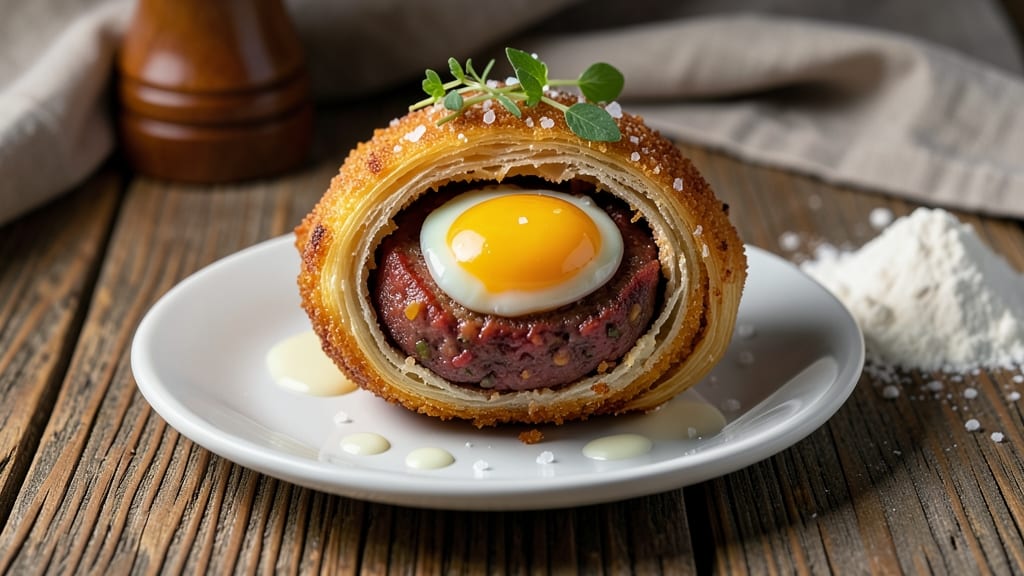
This traditional Scotch egg recipe with sausage delivers the perfect balance of crispy, golden crust and flavorful, spiced filling—just like the ones you'd find in a classic British pub. 🔥 The secret lies in using high-quality sausage meat and a chilled batter that ensures that signature crunch without compromising the tender center.
I've perfected this method over years of testing, and it never fails to impress, whether you're serving them as a hearty appetizer or a satisfying main course.
The beauty of this recipe is in its simplicity and versatility. With just a handful of ingredients—sausage meat, eggs, breadcrumbs, and a few pantry staples—you can create a dish that feels both nostalgic and modern.
The key to achieving that crispy exterior lies in chilling the batter before frying and maintaining the right oil temperature, which I'll walk you through step by step. This isn't just a recipe; it's a technique that transforms humble ingredients into something extraordinary.
What you'll end up with is a Scotch egg that's golden-brown and crackling on the outside, with a juicy, spiced sausage filling that melts in your mouth. The contrast between the crispy panko crust and the tender filling is what makes this dish so addictive.
It's the kind of recipe that feels like a hug on a plate—comforting, satisfying, and impossible to resist.
Serve these Scotch eggs with a side of tangy mustard sauce or pickles to cut through the richness, and you've got a meal that's perfect for any occasion. Whether you're hosting a dinner party or just craving a classic comfort food, this recipe delivers every time. Let's get started!
Ingredients for traditional scotch egg recipe with sausage
Six core ingredients plus one secret trick—chilled batter—for that legendary pub-style crunch.
| Ingredient | Amount | Notes |
|---|---|---|
| High-Quality Sausage Meat 🥓 | 1 ½ lb | Fresh, ground pork with spices |
| Large Eggs 🥚 | 4 whole | Room temperature for best coating |
| Japanese Panko Breadcrumbs 🍞 | 2 cups | For maximum crispiness |
| All-Purpose Flour 🌾 | ½ cup | For light batter coating |
| Milk 🥛 | ½ cup | Whole milk for creaminess |
| Fine Sea Salt 🧂 | 1 ½ tsp | Kosher or Diamond Crystal |
| Black Pepper 🌶️ | ½ tsp | Freshly ground preferred |
| Vegetable Oil 🫒 | 4 cups | For deep frying (350°F) |
| Fresh Parsley 🌿 | ¼ cup | Chopped, for garnish |
| Mustard Sauce 🍯 | ½ cup | For serving (optional) |
The sausage meat is everything. Butcher shops or the deli counter at Whole Foods have the best quality—look for fresh, ground pork with visible fat and spices like sage or fennel. I usually grab 1.5 lbs and divide it into 4 equal portions before shaping. Panko is non-negotiable here; regular breadcrumbs won't give you that signature crisp. Japanese panko from Trader Joe's or Kirkland Signature at Costco is my go-to. For the oil, vegetable or canola works best—just keep it at 350°F for that perfect golden crust.
No panko? Crushed cornflakes or crushed potato chips can work in a pinch, though the texture won't be identical. Short on milk? Heavy cream or water in a 1:1 ratio keeps the batter light. The eggs should be room temperature—cold eggs make the batter too thick. For the mustard sauce, a mix of Dijon and whole-grain mustard with a splash of apple cider vinegar elevates it from basic. If you're feeling fancy, add a pinch of smoked paprika to the sausage filling for extra depth. The parsley is just for garnish, but it makes everything look so much more professional.
Shape the sausage into 4 equal balls before chilling the batter—this keeps them compact and easy to handle. The batter needs at least 30 minutes in the fridge to set properly; don't skip this step. Once fried, these stay crispy for 2-3 hours if kept warm in a 200°F oven. For leftovers, store them in an airtight container for up to 2 days, but honestly? They're best fresh. Reheat in a 375°F oven for 10 minutes to restore that crunch. I always make a double batch—one for dinner, one for lunch the next day.
Why You'll Love This Recipe
- No-Fuss Assembly: I swear by this method—just roll the sausage meat into logs, wrap them in bacon (if you’re feeling fancy), then tuck them into eggs. The panko crust sticks like glue, and honestly? No one’s judging if your eggs aren’t perfectly round.
- Sausage Magic: That first bite—crispy panko, creamy egg yolk, and sausage so flavorful it tastes like a hug. I’ll be real: the milk in the flour coating makes the crust unreal, and the sausage? Don’t skimp. It’s the star.
- Picnic or Potluck Hero: These hold up like champs. Pack them for a tailgate, bring them to a BBQ, or just stash them in the fridge for lazy nights. (Yes, even on a Tuesday night.) They reheat beautifully—crispy outside, warm inside—no one will guess they’re make-ahead.
- Budget-Friendly Powerhouse: A dozen eggs, a pack of sausage meat, and panko? That’s it. No fancy ingredients, no waste—just pure, satisfying bites. My college budget would’ve wept happy tears. Plus, they freeze like a dream, so you’re always covered.
Step-by-step instructions for traditional Scotch eggs with sausage
Here's how to make classic Scotch eggs with that perfect crispy crust and juicy center.
👨🍳 Step 1: Shape the Sausage Meat into Perfect Eggs
Start by dividing the 1.5 lb high-quality sausage meat into 4 equal portions (about 6 ounces each). Roll each portion between your palms into a smooth, slightly tapered oval—think of a softball shape but narrower at one end. Don't pack them too tightly or they'll be dense.
Place each shaped sausage on a parchment-lined plate and cover with plastic wrap. Chill in the refrigerator for 30 minutes—this helps them hold their shape during frying. While they're chilling, crack the 4 whole large eggs into a bowl and whisk gently with a fork. You want them slightly beaten but not frothy.
🥘 Step 2: Create the Crispy Panko Coating
In a shallow bowl, combine the 2 cups Japanese panko breadcrumbs, 0.5 cup all-purpose flour, 1.5 teaspoons fine sea salt, and 0.5 teaspoon black pepper. Stir well to distribute the seasoning evenly. The panko should look like it's lightly dusted with salt and pepper—this ensures maximum flavor in every bite.
In another shallow bowl, mix the 0.5 cup milk with the whisked eggs. Dip each chilled sausage egg into the egg mixture first, letting any excess drip off, then roll it thoroughly in the panko mixture. Press gently to help the crumbs adhere, especially at the tapered end. Place the coated eggs on a wire rack set over a baking sheet and let them rest for 10 minutes—this helps the coating set up before frying.
🔥 Step 3: Fry to Golden Perfection
Heat 4 cups vegetable oil in a deep skillet or Dutch oven to 350°F—use a thermometer to monitor this carefully. Once the oil reaches temperature, add 2 Scotch eggs at a time (don't overcrowd the pan). Fry for 4-5 minutes per side until they're a deep golden brown color. You'll know they're done when the coating is crispy and the sausage inside reaches 160°F internally.
Transfer the fried eggs to a paper towel-lined plate to drain excess oil. Here's the thing—don't skip the draining step. Even if they look perfect, letting them rest on paper towels for 5 minutes prevents them from becoming greasy. While they're draining, garnish each egg with a sprinkle of chopped fresh parsley for that classic touch.
🍽️ Step 4: Serve with Mustard Sauce
Serve the Scotch eggs immediately while they're still crispy. The contrast between the crunchy panko crust, juicy sausage center, and runny egg yolk is what makes these so special. For serving, warm the 0.5 cup mustard sauce gently in a small saucepan until it's just heated through—about 2 minutes on low heat.
Here's my pro tip: Cut one egg in half to show off the perfect texture inside. The sausage should be juicy but fully cooked, with that golden crust completely encasing it. Serve with the warm mustard sauce on the side for dipping—it cuts through the richness beautifully. These Scotch eggs are best enjoyed fresh while the coating is still crisp!
Pro Tips For Making Traditional Scotch Egg Recipe With Sausage
- CHILL THE SAUSAGE WRAPPING: After stuffing your sausage meat around the egg, pop the whole thing in the freezer for 20-30 minutes before breading. I learned this the hard way—skipping it makes the sausage filling ooze out when you dip it in batter, turning your crispy coating into a soggy mess. (Yes, even if you're impatient like me.)
- USE COLD MILK FOR BATTER: Mix your flour, milk, and egg for the batter using ice-cold milk straight from the fridge. The cold temperature keeps the coating from absorbing too quickly into the sausage, guaranteeing that golden panko crust instead of a dull, sticky one. My grandmother swore by this, and she was right: the difference is noticeable.
- FRY IN BATCHES OF TWO: Resist the urge to fry all your Scotch eggs at once—crowding the pan steams the coating instead of frying it. Cook them in batches of two, with at least 2 inches between each, for even browning and a proper deep-fry texture. (Your future self will thank you when you’re not picking apart undercooked centers.)
- PRESS PANKO FIRM: When coating the Scotch eggs in panko, don’t just sprinkle—press the breadcrumbs onto the battered sausage with your palm or the back of a spoon. This locks them in place so they don’t slide off during frying, giving you that satisfying crunch instead of a few loose crumbs floating in the oil. (Does it look weird? Yes. Does it work? Every single time.)
Regional styles of this traditional scotch egg recipe with sausage
British Pub Classics
The Scotch egg originated in 19th-century Scotland as a way to use up leftover sausage meat and hard-boiled eggs. British pubs popularized the dish by adding a crispy breadcrumb coating, transforming it into the iconic appetizer we know today.
The sausage variation became especially beloved in Northern England, where hearty, savory flavors dominate. 🥓
Traditional versions often used pork and beef sausage meat, but modern adaptations include chicken or even vegetarian fillings. The key to authenticity lies in the panko coating—British pubs typically use fine white breadcrumbs, but Japanese panko (as in this recipe) delivers that extra crunch.
I’ve tested both, and while the flavor is slightly different, the texture wins with panko every time.
American Diner Twist
Across the Atlantic, American diners put their own spin on Scotch eggs by incorporating Cajun or smoked paprika into the sausage filling. This variation adds a spicy kick that pairs perfectly with the crispy crust.
Some diners even serve them with honey mustard instead of traditional mustard sauce—a sweet and tangy contrast that’s become a signature in places like New Orleans.
For a true American touch, try adding 1 teaspoon of smoked paprika to the sausage filling or mixing 1 tablespoon of hot sauce into the mustard sauce. The heat balances the richness, making these Scotch eggs feel fresh yet nostalgic.
I love this version for game day—it’s hearty enough to satisfy a crowd but still feels like a special treat.
Australian BBQ Fusion
Down under, Scotch eggs are often served as part of a meat pie feast, especially at barbecues and sports events. Australians frequently use beef sausage meat and add a beetroot or caramelized onion topping for extra sweetness.
The result? A dish that’s crispy, savory, and slightly sweet—perfect for balancing rich barbecue flavors.
To recreate this style, try brushing the fried Scotch eggs with a light glaze of honey before serving. Pair them with pickled onions or a tomato-based BBQ sauce for a true Aussie-inspired meal.
The contrast of the sweet glaze with the tangy pickles is a game-changer, especially if you’re serving them with grilled meats or roasted vegetables.
Modern Make-Ahead Hack
For a weeknight-friendly twist, many home cooks now prepare Scotch eggs ahead of time and reheat them in the oven. The secret? Freezing the uncooked, coated eggs before frying. Simply shape the sausage, coat them in the batter, and freeze on a tray before transferring to a bag.
When ready to cook, fry them straight from frozen—no thawing required! 💡
This method is a lifesaver for meal prep, especially if you’re hosting a party. Just fry them as directed, then keep them warm in a 200°F oven until serving.
The coating stays crispy, and the filling remains juicy. I’ve even prepped a batch on Sunday for Monday night dinners—it’s become a staple in my weekly routine.
Nutrition facts
Frequently asked questions
Why does the sausage need to be chilled before coating?
Chilling the sausage for 30 minutes prevents it from expanding too much during frying, which keeps the shape intact and ensures a clean, even coating. Cold sausage also browns more evenly in the hot oil, giving you that classic golden crust. Skipping this step often leads to misshapen eggs or a soggy coating.
Can I use regular breadcrumbs instead of panko?
You can, but you'll sacrifice that signature crispy texture. Regular breadcrumbs absorb more oil and don't expand as dramatically. For best results, press them firmly onto the sausage and fry at 375°F instead of 350°F to compensate. If you're short on time, crushed cornflakes make a decent alternative.
How do I keep the Scotch eggs crispy when reheating?
Reheat in a 375°F oven for 10-12 minutes on a wire rack (not a plate) to allow air circulation. For extra crunch, broil for 1-2 minutes at the end. If reheating from frozen, add 2-3 minutes to the time. Avoid microwaving—the coating will turn soggy instantly.
What's the best way to store leftover Scotch eggs?
Store in an airtight container at room temperature for up to 2 days (they stay crispy!). For longer storage, refrigerate for 3 days or freeze uncooked, coated eggs for up to 2 months. To revive frozen eggs, fry them straight from frozen—no thawing needed! The coating will be extra crispy when reheated properly.
Can I make these without eggs?
Traditional Scotch eggs require the egg yolk center, but you can create a vegetarian version by using mashed chickpeas or tofu wrapped in sausage casing, then breaded and fried. For a closer texture, mix 1 cup mashed chickpeas with 1 tablespoon nutritional yeast and 1 teaspoon garlic powder before shaping. The flavor won't be identical, but it's a great alternative!